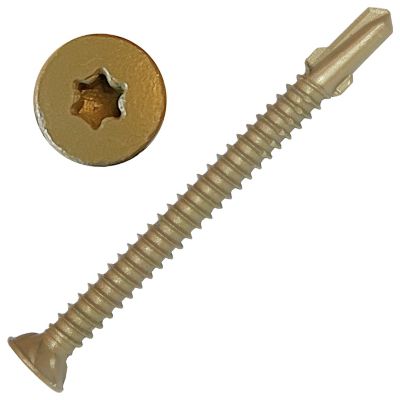
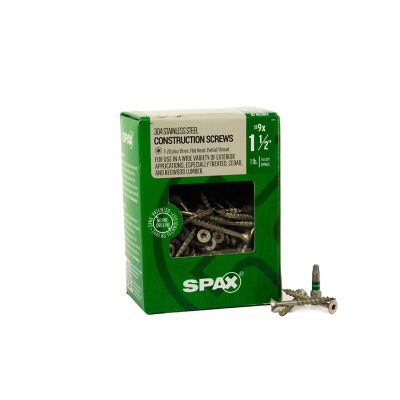
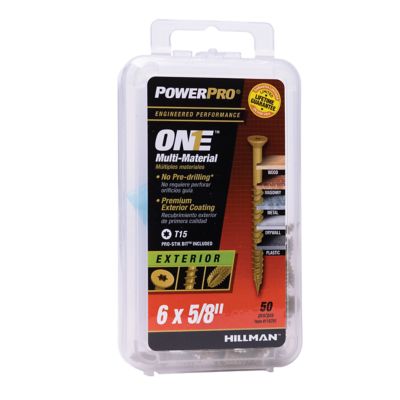
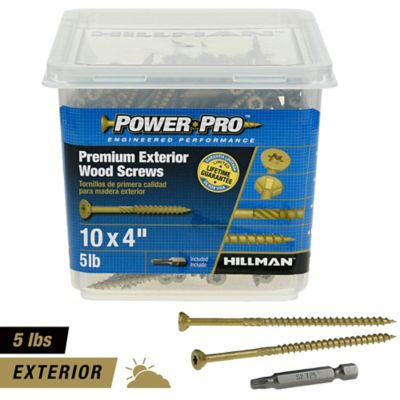
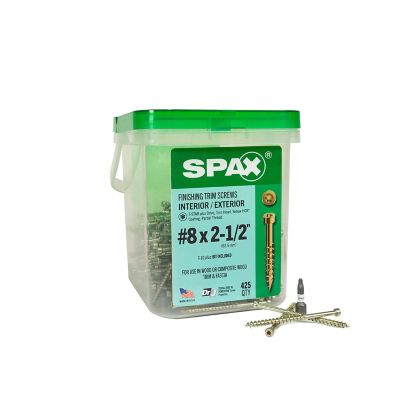
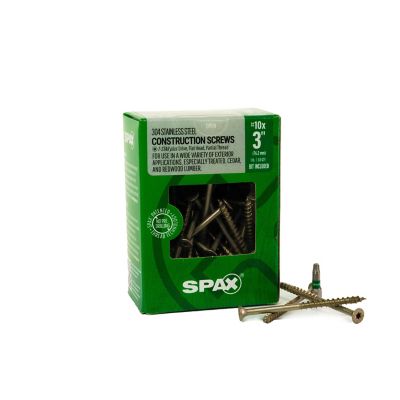
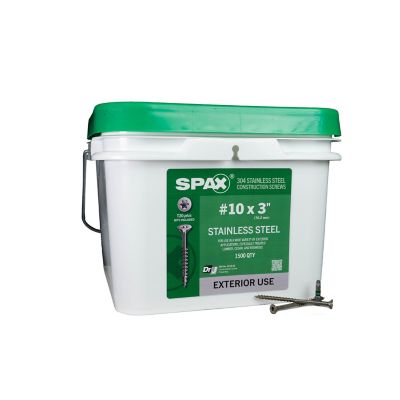
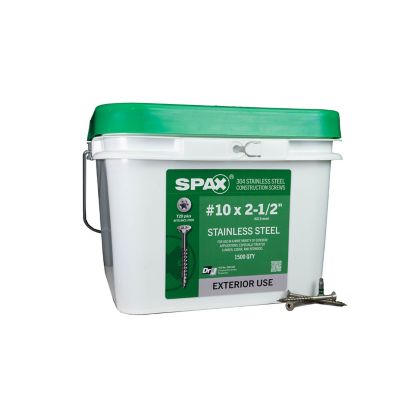
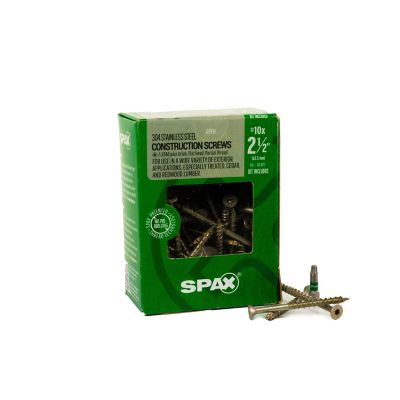
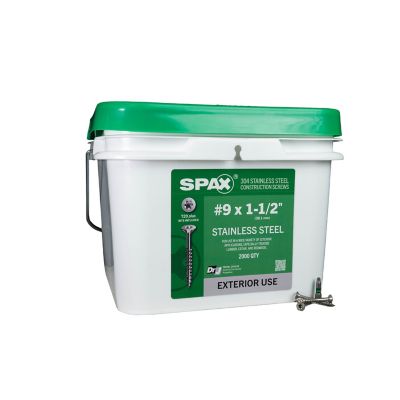
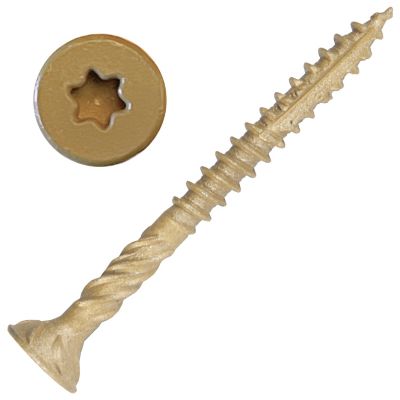
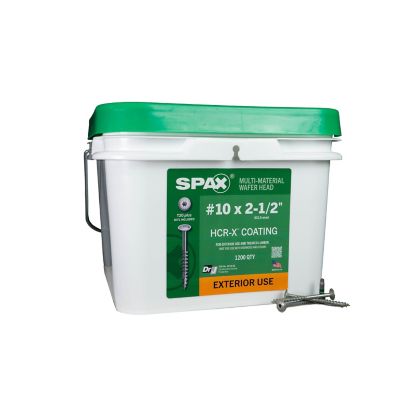
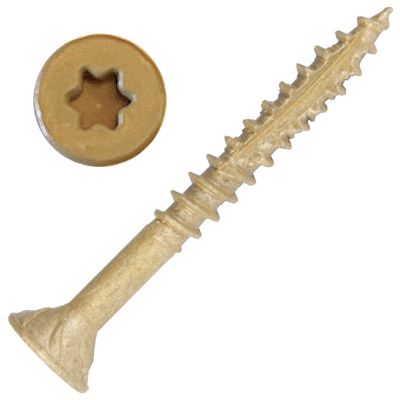
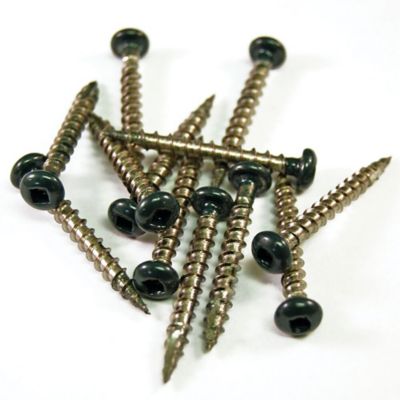
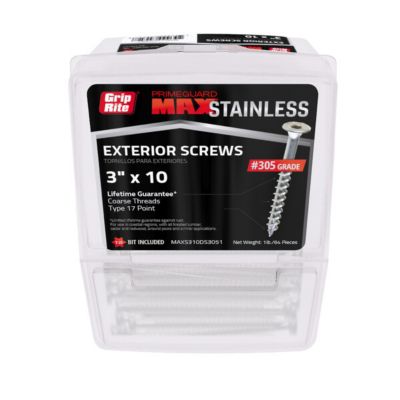
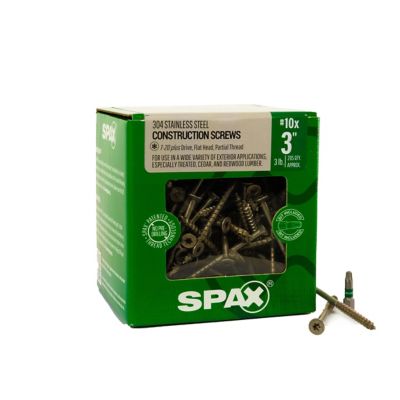
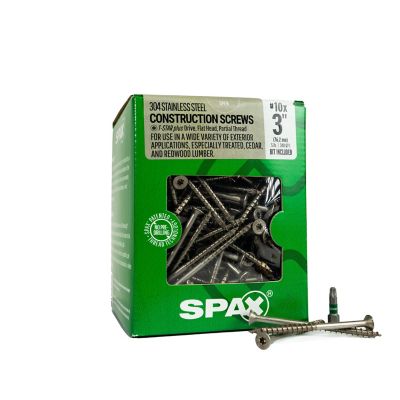
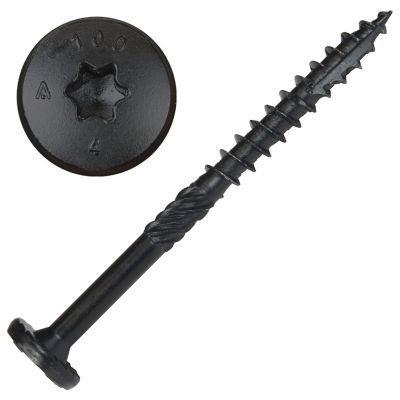
Corrosion resistant deck screws help keep outdoor decking fastened while standing up to moisture, wood-treatment chemicals, and other conditions that can cause ordinary steel fasteners to rust. For a farmhouse porch, a backyard gathering spot, or the deck outside a workshop, the right screw needs to suit both the boards underfoot and the framing beneath them. Stainless steel and coated carbon steel are two common choices, but they protect against corrosion in different ways. Stainless steel has corrosion resistance throughout the metal rather than depending solely on an applied surface coating. Grades 304 and 305 are common choices for many outdoor settings without substantial salt exposure. Grade 316 contains molybdenum, which improves resistance to pitting and makes it a stronger candidate around coastal salt air and other chloride exposure. Even stainless steel is not completely rust-proof under every condition, so the grade and the surroundings still matter. Coated carbon steel deck screws rely on a protective barrier, often described as ceramic, polymer, or a multilayer coating system. Their performance depends on the coating formulation, its condition, and whether the fastener is approved for the intended lumber and exposure. A coating’s color alone does not establish its corrosion resistance or compatibility with pressure-treated wood. For decking near saltwater, persistent dampness, or chemically treated lumber, the manufacturer’s published application information is more useful than a broad “exterior” description. Corrosion resistance also matters beyond the appearance of the screw head: deterioration can stain surrounding boards, damage the drive recess, and eventually reduce the fastener’s cross-section and holding capacity. That makes material selection worth attention whether the job is replacing a few loose boards beside the back door or fastening a full deck where muddy boots, porch chairs, and everyday foot traffic are part of the routine. The aim is a fastening system suited to the whole setting, not simply a screw that looks right on installation day.
The decking material has a big say in which corrosion resistant deck screws fit the job. Pressure-treated lumber can contain copper-based preservatives that call for compatible fasteners, and treatment types and retention levels can affect those requirements. Stainless steel or a coated screw specifically approved for that treatment may be appropriate; the lumber supplier’s requirements and the screw manufacturer’s specifications should agree. Cedar and redwood bring another consideration because reactions between wood extractives and unsuitable metal can leave dark staining around fasteners. Stainless steel is often specified where limiting those marks matters, especially on exposed board faces. Composite and PVC decking may require purpose-designed screws with head shapes and thread arrangements that help control raised material around the opening. A conventional wood deck screw is not automatically a fit for every manufactured board, even when its corrosion protection suits the location. For projects centered on lumber decking,
Wooden Deck Screws provide a related category to consider alongside the board manufacturer’s fastening requirements. Length, diameter, and thread design matter just as much as material. The screw must pass through the decking and reach the required depth into sound framing without creating an unwanted protrusion or conflict underneath. Board thickness, joist material, and the specified fastening pattern all influence that fit. Partially threaded designs can help pull a deck board snug against the framing, while other thread patterns serve different materials and fastening arrangements. Cutting points and ribs beneath the head may help with driving and seating, but they do not eliminate every need for pilot holes. Dense hardwood, narrow board ends, and fastening close to an edge can all call for extra care to limit splitting. Standard deck screws are generally intended for attaching decking, not as substitutes for approved structural fasteners in ledger connections, posts, beams, or joist hangers. Those connections need the fasteners required by the connector manufacturer, the deck design, and applicable building codes.
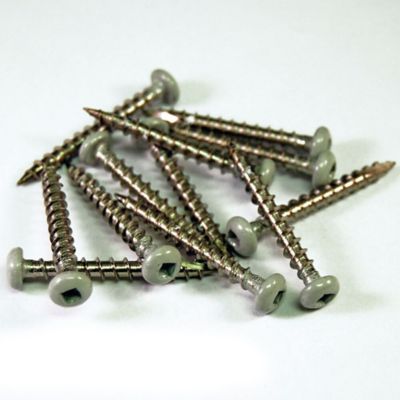
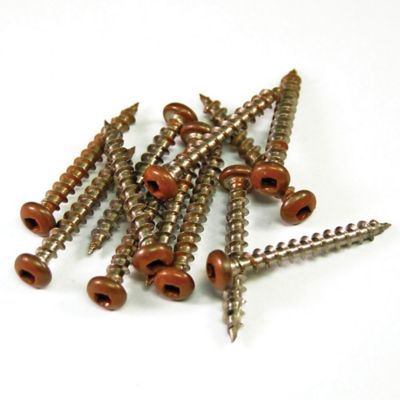
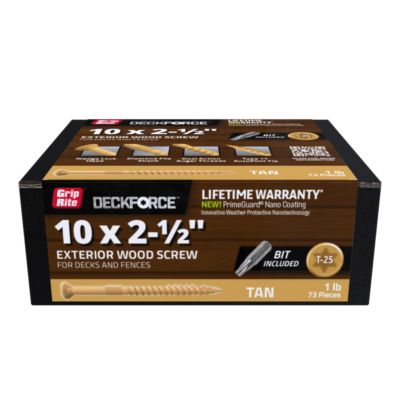
Head shape and drive style affect both installation and the finished surface, particularly across a broad deck where every board takes several fasteners. Star-drive and square-drive recesses can help the matching bit stay engaged, reducing the tendency to slip compared with some other drive styles. A bit that fits properly also helps protect the recess so the screw can be removed later if a board needs replacement. Bugle, flat, and trim heads serve different purposes, and the best match depends on the decking manufacturer’s seating instructions and the amount of bearing surface the board needs. A smaller head can leave a less noticeable fastening point, but appearance should not take priority over the required hold. Color-matched coatings can blend with brown lumber or gray decking, though the finish color says nothing by itself about the underlying protection. Controlled driving matters with both coated and stainless steel screws. Excessive torque can strip the recess, break a fastener, or bury the head too deeply; scraping or damaging a protective coating can also expose the steel beneath it. Stainless steel fasteners have different mechanical properties from hardened carbon steel fasteners, making the specified pilot-hole size and driving recommendations especially important in dense material. Once the deck is in service, basic upkeep supports the entire fastening system. Leaves and packed debris between boards can trap moisture, while standing water around a poorly seated head can keep that spot wet longer than surrounding wood. Periodic checks for raised heads, loose boards, rust staining, and damaged recesses can reveal places that need attention before they become a bigger repair. Cleaning products should be compatible with both the decking and the fasteners, since some chemicals can attack metal or its coating. Keeping spare screws dry, labeled, and separated by material and size makes future repairs easier without mixing fastener types by mistake. For homeowners, property caretakers, and contractors, corrosion resistant deck screws are small parts with a substantial role: keeping the walking surface firmly attached while matching the lumber, exposure, and demands of the job.