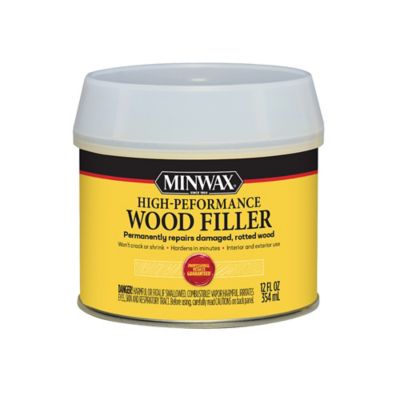
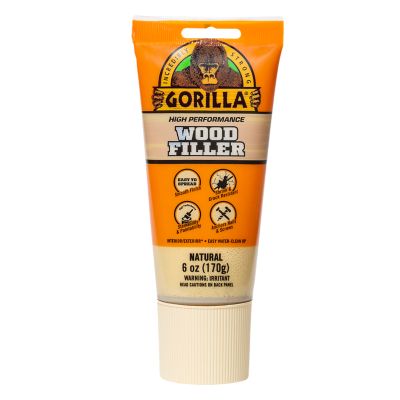
Wood fillers for exterior use fill nail holes, shallow gouges and other surface defects in outdoor wood, but the right formula depends on repair size, moisture exposure and whether the surface will be painted or stained. An exterior rating matters more than color alone: a filler that looks right indoors may not stand up to rain, sunlight and the movement of outdoor lumber. Around a house, shed or barn, these materials help smooth out chipped trim, recessed fastener heads and small damaged spots before finishing. A dent beside a porch door calls for different handling than a deeper pocket in a window casing, so the stated application depth and suitable surfaces deserve a close look. Small cosmetic repairs generally need a material that spreads neatly and sands flush, while deeper repairs may call for a two-part compound with greater body and less shrinkage. Neither appearance nor hardness alone makes a filler suitable for a load-bearing repair. Split stair parts, loose railing connections and badly deteriorated framing need attention to the wood and its connections, not just a smooth patch over the damage. For homeowners, painters, carpenters and folks keeping outbuildings in shape, exterior wood filler is best understood as part of a repair and finishing system. Its job is to restore the surface where the surrounding wood remains sound and the application matches the label. The existing coating matters, too. Bare lumber, previously painted trim and a stained outdoor bench can each require different preparation and finishing choices. Some formulas bond to properly prepared painted surfaces; others call for exposed wood. A filler that suits a sheltered vertical board may not suit a horizontal surface where water collects or boots scuff across the finish. Those distinctions help narrow the choice without treating every outdoor wood repair as the same job. Compatibility with the wood, the depth of the defect and the final coating all carry more weight than a broad claim about outdoor performance.
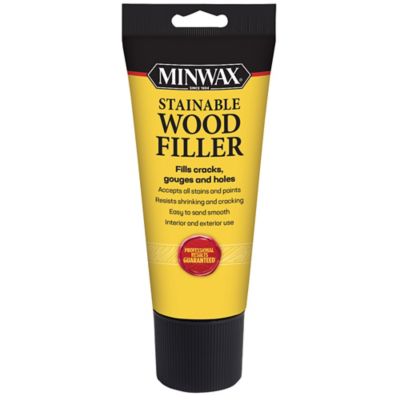
Exterior fillers come in several formulations, and the differences show up in working time, texture, cleanup and the way a repair hardens. Water-based compounds often offer water cleanup before drying, making them practical for small surface repairs when their labels permit exterior applications. Their drying time can increase with deeper applications or damp conditions, and some require thin layers rather than one thick fill. Solvent-based formulas may offer different handling and drying characteristics, with ventilation and cleanup requirements that deserve attention. Two-part epoxy fillers harden through a chemical reaction after the components are mixed. Depending on the formulation, they can suit deeper voids, shaped repairs or spots that need a firm, sandable patch. The mixing ratio and working time are important because a batch can begin setting before a large repair is shaped. Some epoxy repair systems also specify a separate consolidant for appropriate deteriorated areas; that does not make every soft or crumbling board a candidate for patching. Active leaks, trapped moisture and extensive decay need correction before a surface repair can hold up. Texture is another useful point of comparison. A fine-textured filler can make small fastener holes less noticeable beneath paint, while a heavier-bodied compound may be easier to build up along a chipped edge. The label should spell out maximum depth, sanding time and any limits on drilling, fastening or shaping after cure. A patch that feels dry on top may still need more time before sanding or coating. On a broad, flat board, excessive buildup creates extra sanding and can leave a visible hump. Along narrow trim, a material that holds its shape helps preserve a crisp edge rather than rounding everything over. Sound wood provides the foundation for either repair. Loose fibers, dust, grease and peeling coatings interfere with bonding, while moisture beneath a patch can undermine the work later. Exterior filler also differs from flexible exterior caulk: moving joints around trim or between separate materials often need a sealant designed for movement, not a rigid patch.
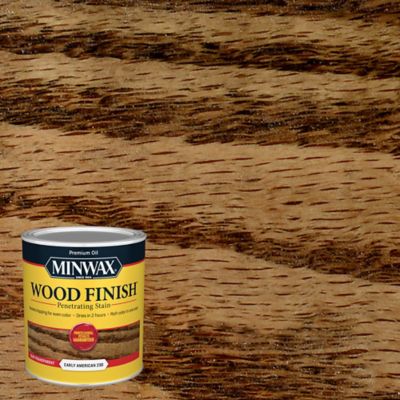
The finish has a big say in which exterior wood filler makes sense. Painted repairs usually put the emphasis on a smooth surface, compatible primer and a topcoat approved for the application. Stained repairs demand more attention to color and absorption because filler does not have the same grain or porosity as the surrounding board. Even a stainable formula can take color differently from pine, cedar or oak, leaving a patch more noticeable beneath a transparent finish than beneath paint. A small test on a matching scrap or an out-of-the-way area helps show how the filler, stain and protective coating will look together. Natural wood tones also change with exposure, so a close match at application may not remain exact over time. For repairs where water cleanup is a priority,
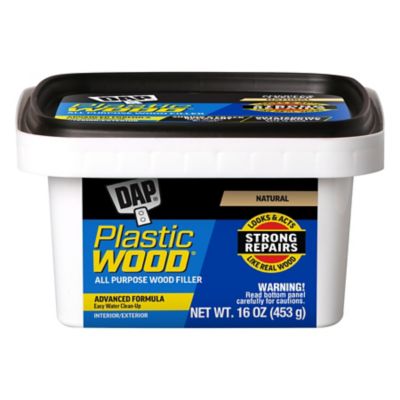
Water Based Wood Fillers offer another category to consider, provided the individual formula is labeled for exterior work and suits the planned finish. Water-based does not automatically mean waterproof, and an exterior rating does not automatically approve constant wetting, ground contact or standing water. Many exterior fillers need a protective coating, and the required primer or topcoat is part of the repair rather than an optional finishing touch. Decking and other foot-traffic surfaces deserve particular care because abrasion, flexing and moisture create demands that ordinary trim repairs do not face. Application and curing temperature limits matter as well; the wood and surrounding air both need to fall within the stated range. Once the repair is finished, routine checks for cracked paint, open joints and water entry help protect the patch and nearby lumber. Keeping gutters clear, addressing leaks and maintaining the coating can matter as much as the filler itself. Whether the task is touching up a porch post’s surface or smoothing a shed’s door trim, the most suitable exterior wood filler matches the repair’s size, the wood’s condition and the finish expected to protect it.