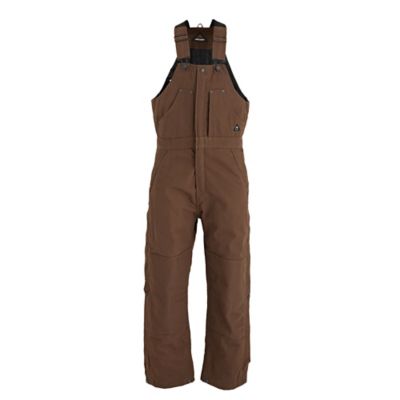
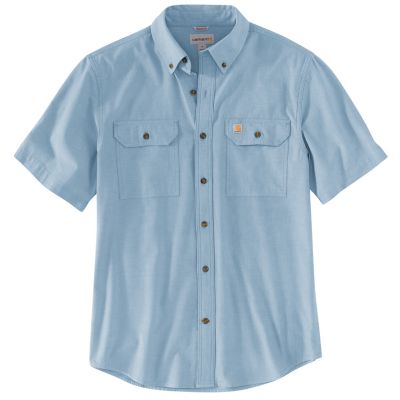
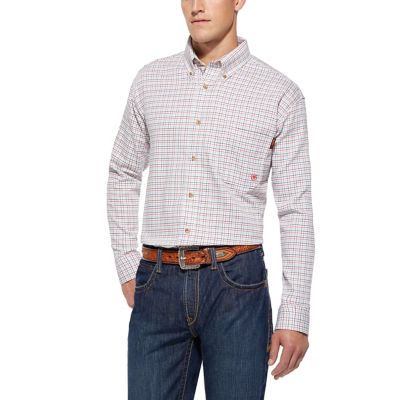
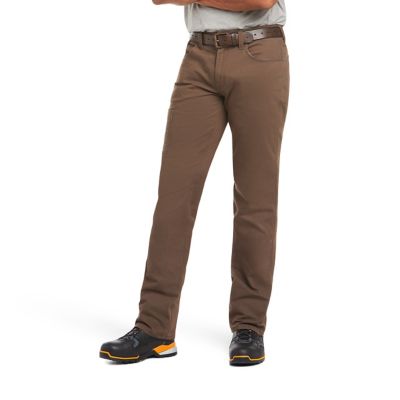
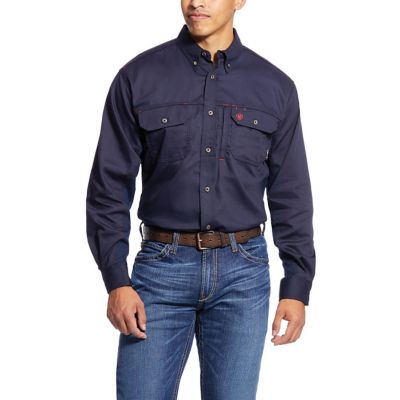
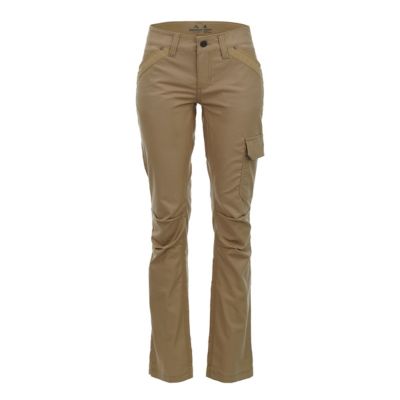
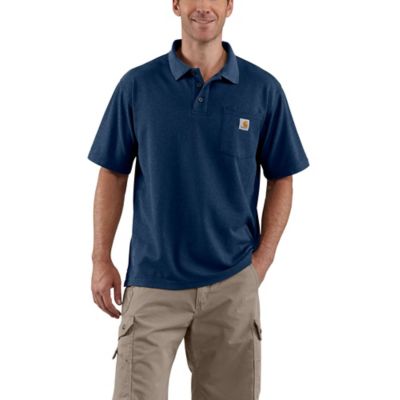
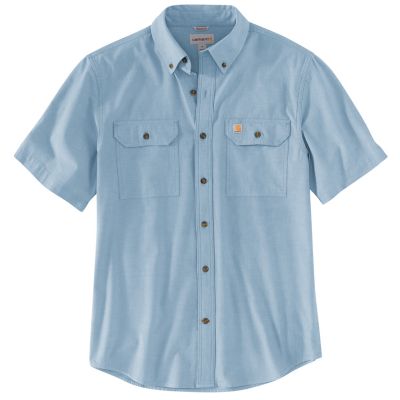
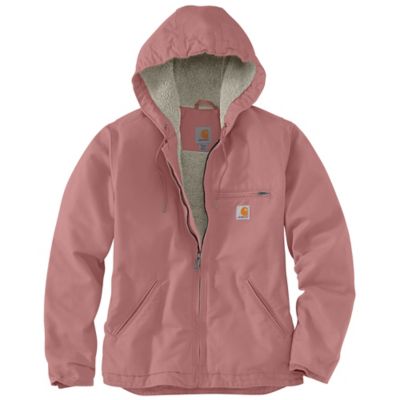
Outdoor work clothes help make long days outside more comfortable, whether you’re tending livestock, repairing fence, hauling feed, stacking firewood, mowing acreage, working a construction site, or handling jobs around the shop. The right clothing should hold up to brush, dust, dirt, repeated bending, and everyday wear while still letting you move naturally. When choosing workwear, start with the conditions you expect to face and the kind of work on your list. Lightweight shirts and pants can help keep air moving during warm, active days, while heavier canvas or duck fabric offers extra durability for rough work around lumber, tools, fencing, and machinery. Cotton canvas in a mid- to heavyweight construction is a dependable choice for abrasion resistance, and blended fabrics may add stretch, quicker drying, or easier care. Look for reinforced stress points, sturdy belt loops, durable zippers, and pockets placed where you can reach them without getting in the way. A gusseted crotch or articulated knee can make a noticeable difference when climbing into a truck, crouching beside a water trough, or stepping over a fence line. Room through the seat and thighs supports full movement, but an overly loose fit can snag on equipment, branches, or gates. The best outdoor work clothes feel comfortable at the start of the day and continue working with you after hours of walking, lifting, kneeling, and reaching.
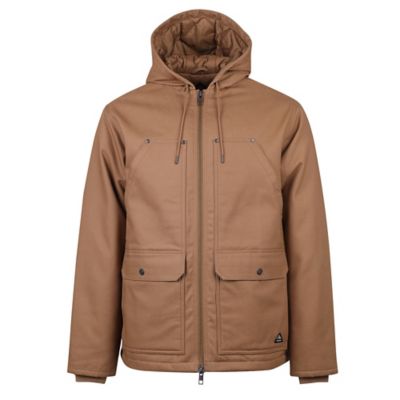
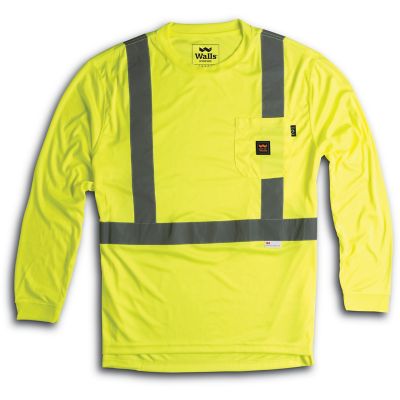
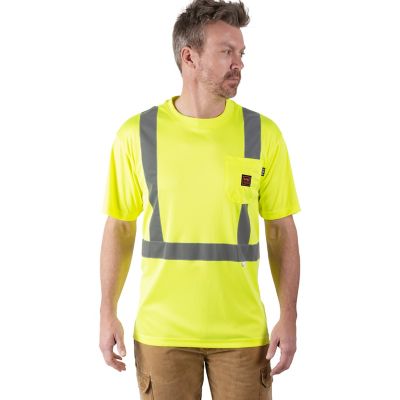
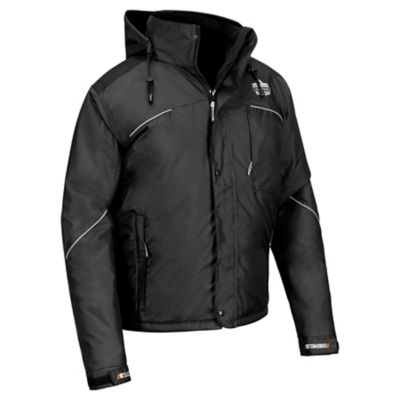
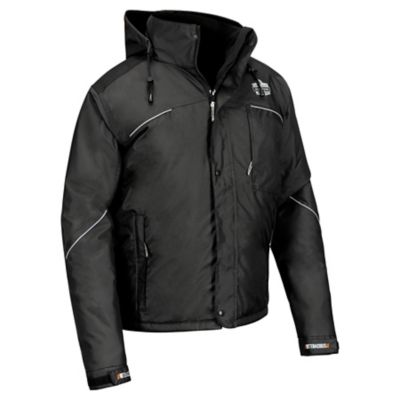
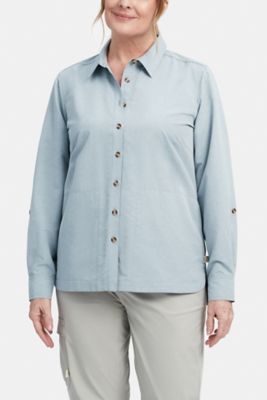
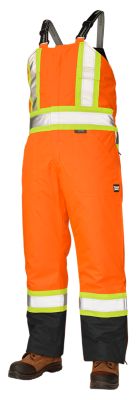
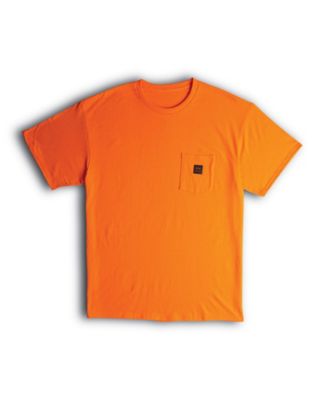
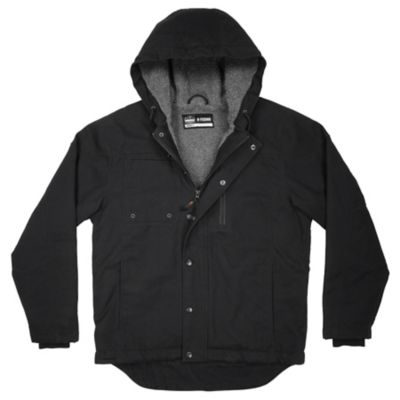
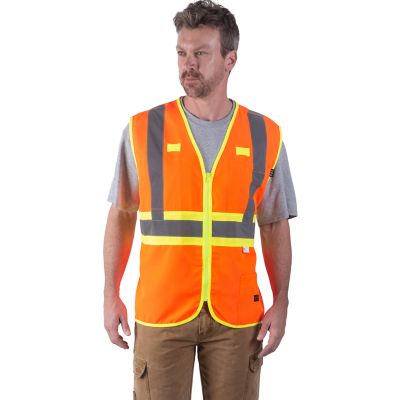
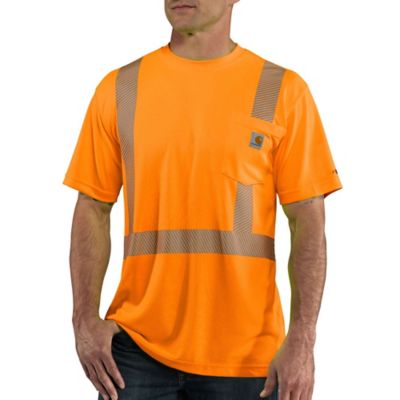
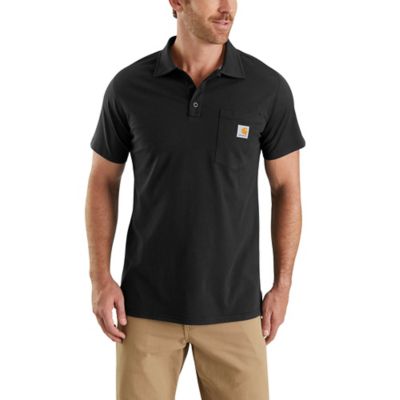
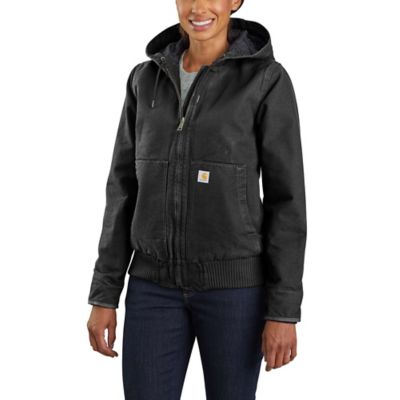
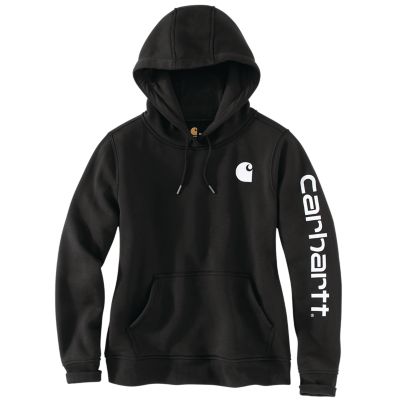
Shirts and base layers are especially useful for adjusting to changing outdoor conditions. On warm days, moisture-wicking fabric can help pull sweat away from the skin, while breathable panels or vented construction may improve airflow during demanding jobs. Long sleeves offer useful coverage from sun, dust, rough vegetation, and minor scrapes, and garments with a tested UPF rating provide another layer of sun protection when you spend hours in an open field or on a roof. A durable overshirt can be worn over a tee in the morning and tied around the waist as the day warms. As the weather turns cooler, layering is usually more practical than relying on one bulky garment. Start with a comfortable base layer, add a work shirt or fleece layer, and finish with a jacket that blocks wind and sheds light moisture. Water-resistant or durable water-repellent finishes can help with passing showers and damp chores, though they are not a substitute for fully waterproof rain gear in steady wet weather. For colder conditions, check the insulation, cuff design, collar, and hem, since those details help hold in warmth when you’re outdoors before sunrise or during the cooler months. A jacket with useful pockets gives you a place for gloves, a phone, a tape measure, or small hand tools, while a hood can provide welcome coverage when wind picks up. Keep visibility in mind around roads, equipment, and low-light work areas; bright colors or reflective details can make it easier for others to see you. Workwear also makes a practical gift for a farmer, rancher, landscaper, mechanic, carpenter, groundskeeper, or anyone who spends free time improving a property. For a seasonal gift with a little extra personality,
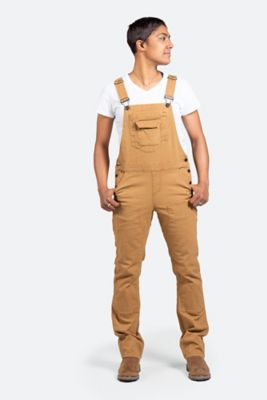
Holiday Farm Work Clothes For Women can help point shoppers toward useful options for women who work hard outdoors.
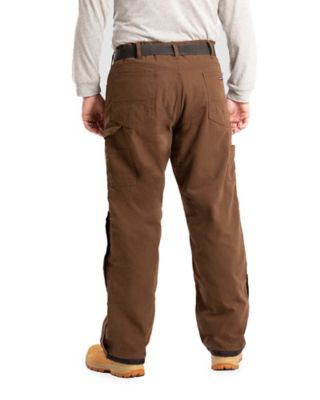
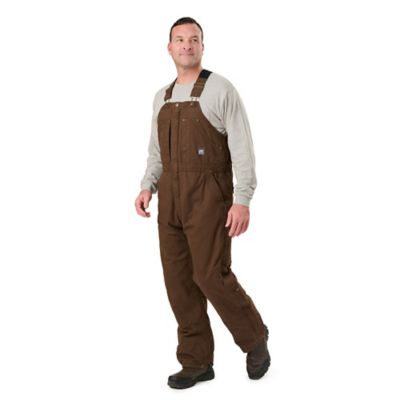
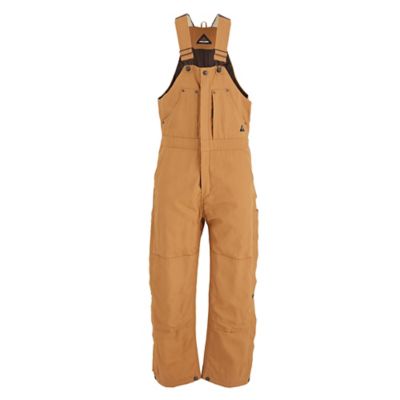
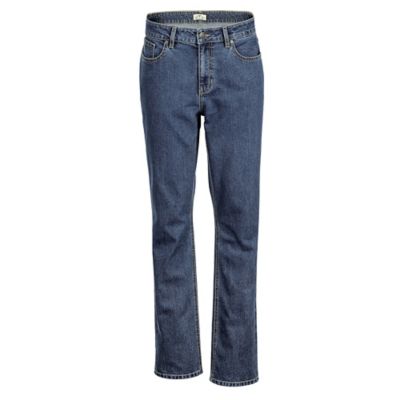
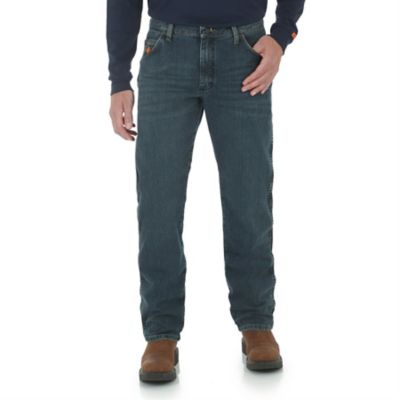
Fit, fabric weight, and care all play a part in how well outdoor work clothes perform over time. Before choosing pants, consider whether you’ll be sitting on a tractor, climbing ladders, kneeling in a garden, or walking across uneven ground, then look for stretch panels, articulated knees, or a cut that allows easy movement. Work pants with utility pockets can keep essentials close, but pockets should be reinforced if you regularly carry a knife, fasteners, gloves, or a measuring tool. Bibs and coveralls can provide extra coverage for dirty jobs, while durable jeans or work trousers may be more comfortable for everyday chores and errands between tasks. For upper layers, check the sleeve length and cuff adjustment so fabric stays clear of moving parts and tools. A tall collar can help block wind, and a longer back can provide coverage when bending or reaching. Buying a little room for layering is helpful in cooler weather, but avoid sizing up so much that the garment catches on brush or machinery. Follow the care label, empty pockets before washing, close zippers and fasteners, and avoid harsh cleaning methods that can wear down coatings or reflective details. Shake out dust and debris before bringing heavily soiled clothes indoors, and allow damp outerwear to dry fully before storing it. Keeping an extra shirt, pair of socks, or lightweight jacket in the truck, barn, or workshop can make an unexpected change in weather much easier to handle. Whether you’re refreshing a daily work wardrobe, preparing for seasonal chores, or putting together a thoughtful gift for someone who is happiest with a full day outside, dependable outdoor work clothes bring comfort, coverage, and lasting usefulness to the job.