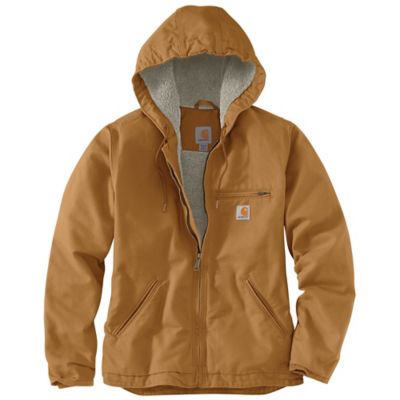
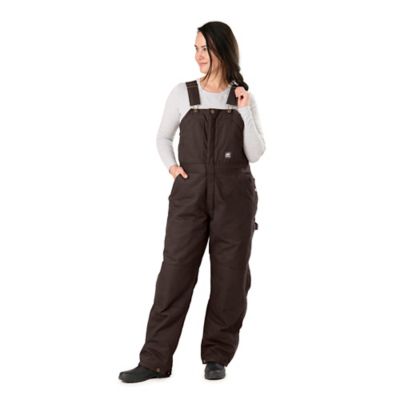
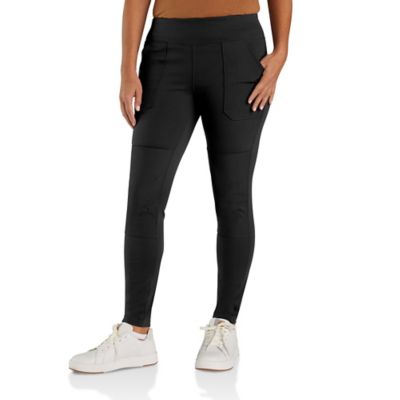
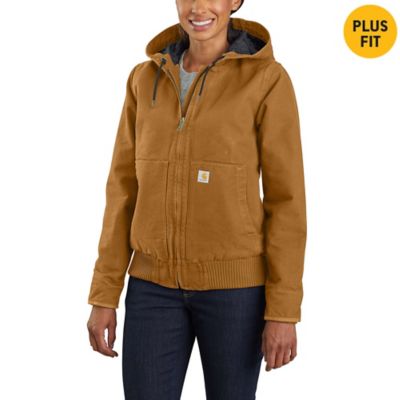
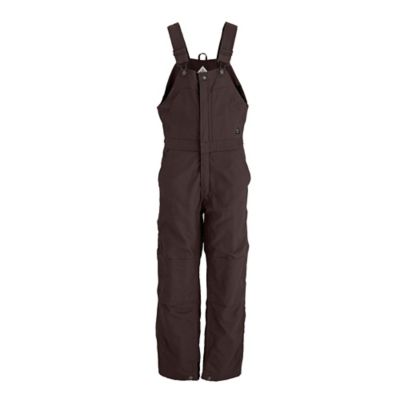
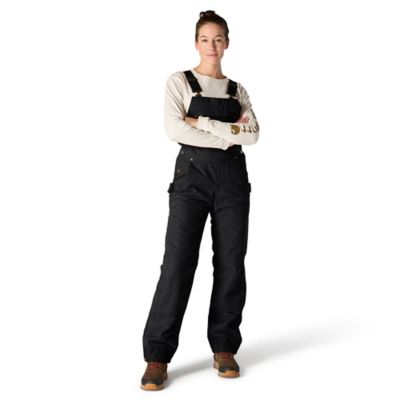
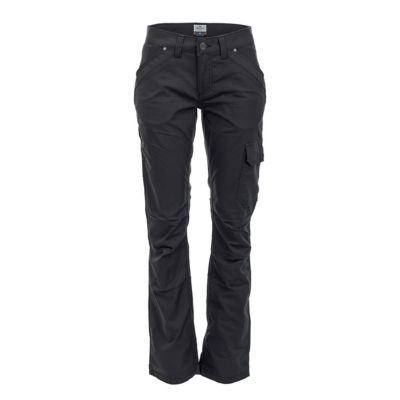
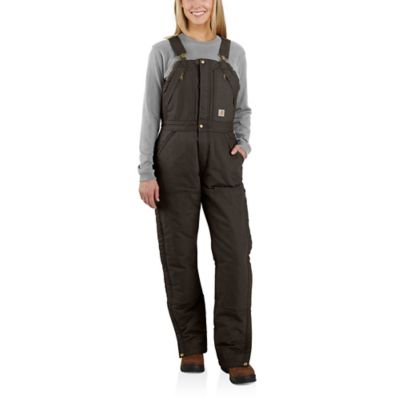
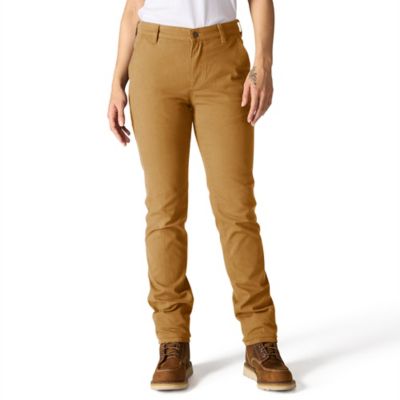
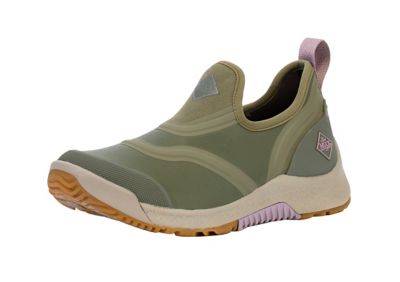
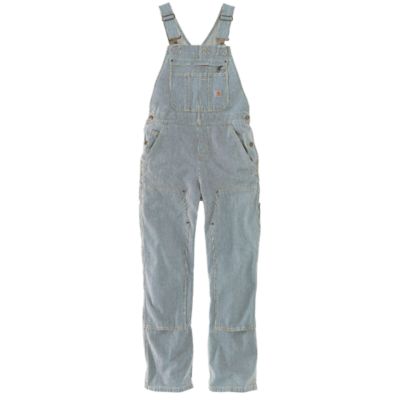
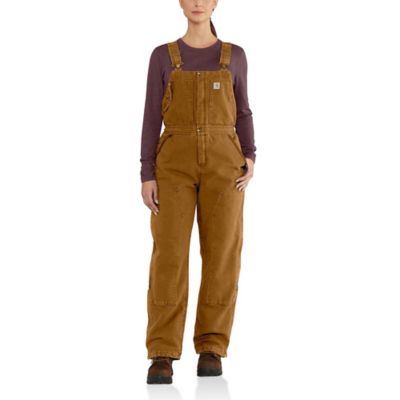
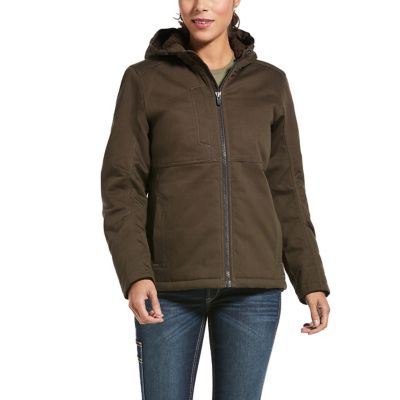
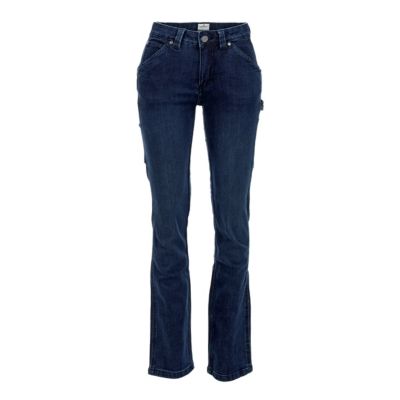
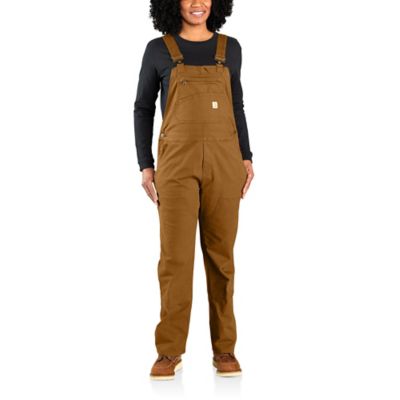
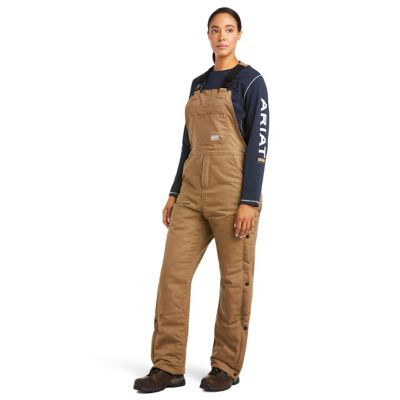
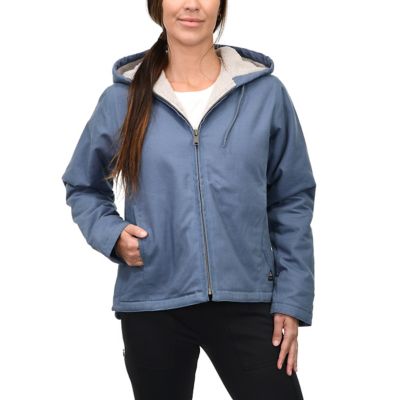
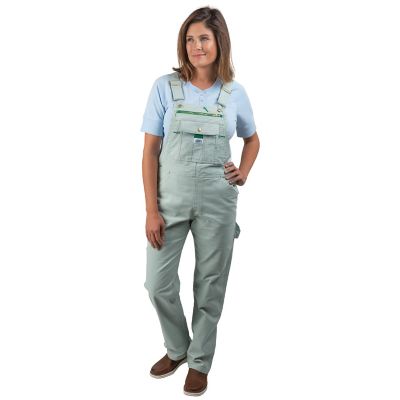
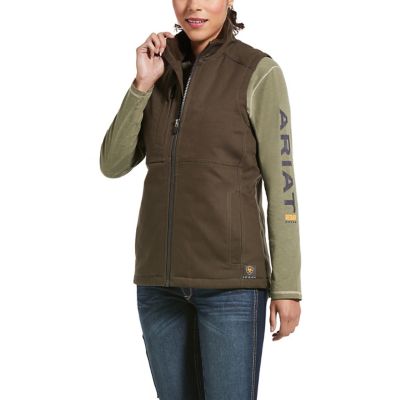
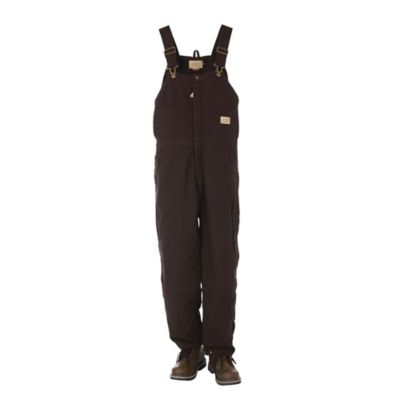
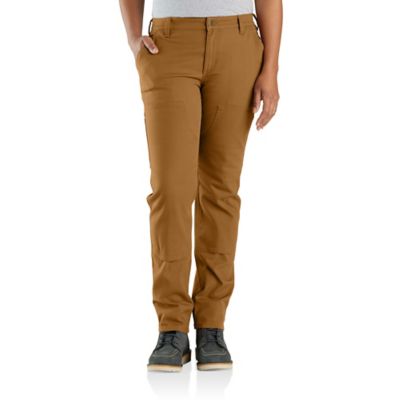
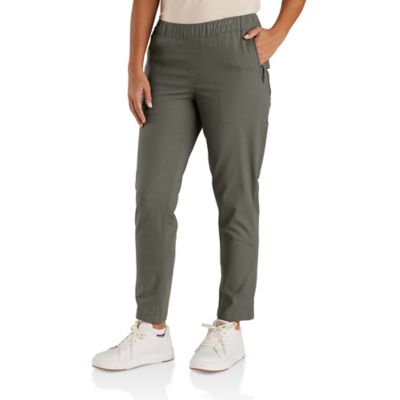
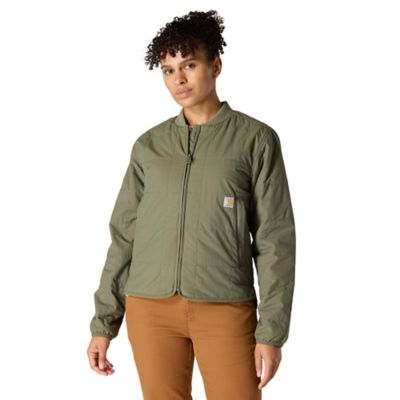
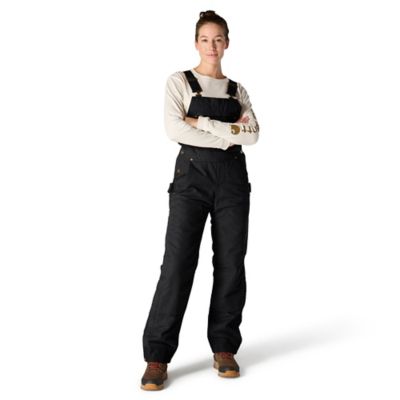
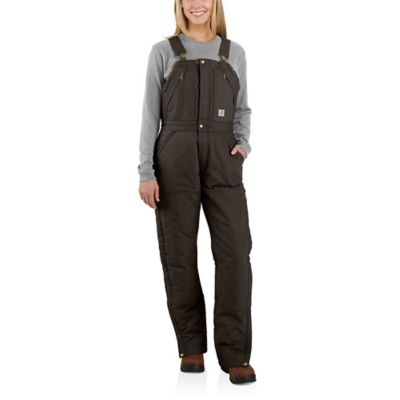
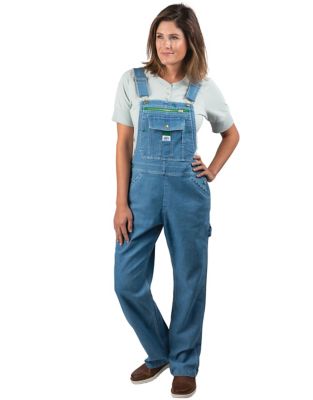
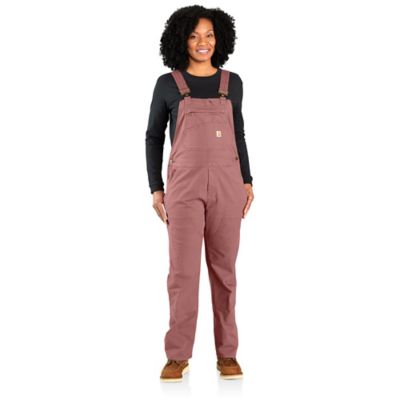
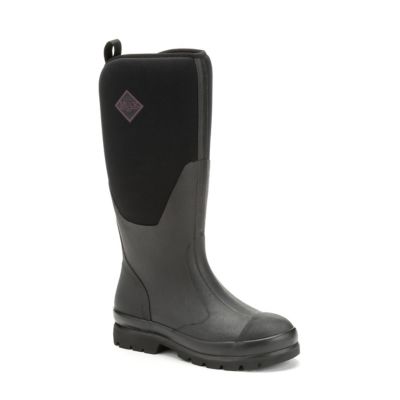
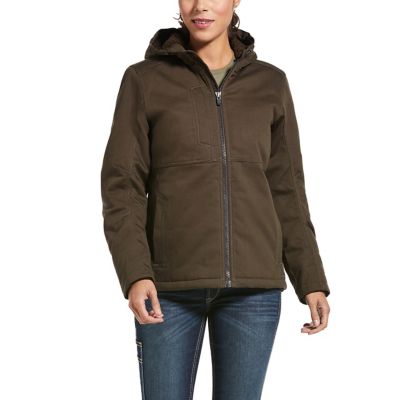
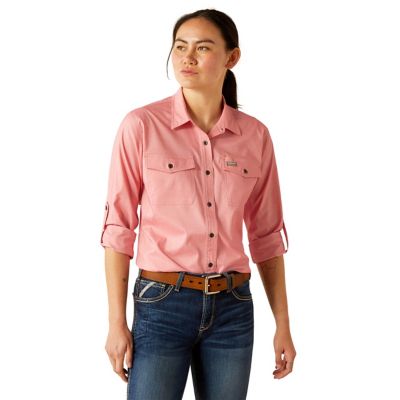
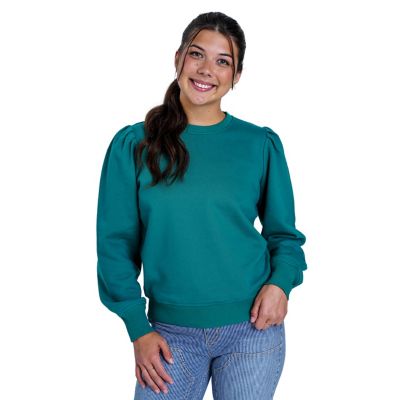
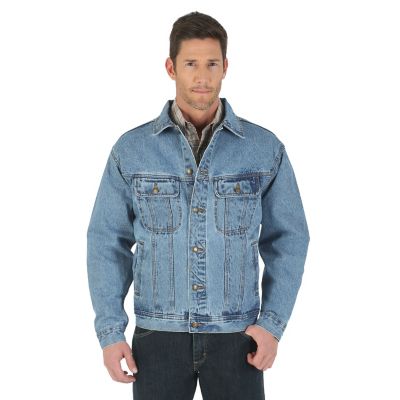
Women’s holiday outdoor workwear runs from breathable layers for active chores to insulated outerwear for jobs that keep you out in the cold. The difference comes down to what a day outside looks like. Hauling hay and cleaning stalls can warm you up before the first round of chores is done, while standing at a gate during a livestock move can leave you feeling the wind in a hurry. A brushed flannel layer can take the chill off in a sheltered barn and fit under a wind-blocking outer layer for the walk back across an open yard. Dense cotton duck holds up well to rubbing against rough boards and feed sacks, and cotton blends with a bit of stretch can give more easily when you bend or climb. Cotton tends to hang on to moisture once it’s wet, though, so a quick-drying layer next to the skin can be more comfortable on a morning that starts with shoveling and ends with a slower round of chores. A water-repellent finish can shed light snow or a brief drizzle, but it isn’t the same as waterproof construction when there’s steady rain or slush coming off a fence rail. Insulation has a place even on dry days, especially on an open tractor seat or in a drafty shed where the work doesn’t keep you moving. In either case, layers that are easy to open or take off come in handy when a trip from the woodpile turns into half an hour of stacking. That same flexibility suits holiday visits out in the country, when a family gathering might include feeding animals before supper or walking down to the barn with the kids. For work that carries on well past the holidays,
Winter Workwear For Women covers many of the same needs, from room to layer to protection from wind and wet snow.
A good fit shows up when you’re doing the work, not just when you’re standing still. Across the shoulders, there should be room to reach for a stall latch without the sleeves pulling halfway up your arms. Through the hips and knees, a little extra give makes it easier to crouch beside a trough or swing a leg over a low gate. If an outer layer will go over a thick shirt, the fit through the upper arms matters just as much as whether the front closes. Too much extra room can let drafts in at the hem or leave fabric hanging where it can snag. A cut that follows your shape without pinching gives you space to move without all that loose fabric. A waistband that stays in place when you bend to lift a feed sack and a back hem that still covers you while you’re leaning into a wheelbarrow make a difference over a full morning. For lower layers, length matters with work boots: hems that drag through the yard pick up water and grit, and both can wear down the fabric where it folds. Look at where the work puts the most strain, too. Reinforcement at the knees makes sense for someone who spends time kneeling to check equipment, while sturdy stitching at pocket corners matters more if those pockets carry keys or small tools every day. Smooth linings can slide over other layers without bunching, and cuffs that fit close enough to keep out chaff and cold air should still leave room for gloves. Pocket placement is easy to overlook until you try reaching for a gate key with one hand while holding a bucket with the other. Even the feel of a zipper pull matters if you’ll be opening it with cold fingers. Those little details tend to matter more by the end of a long day than how a layer looks on the hanger.
Holiday workwear makes a practical gift for someone who heads outside before breakfast, whether she’s feeding horses, clearing a path to the shed or getting the farm ready for company. The best clue is often the chore she talks about most. Someone who comes in with damp sleeves after breaking ice at the trough has different needs from someone who gets chilled standing through a riding lesson. For a person who moves back and forth between the house, the truck and the barn, a lighter layer that fits under her usual outerwear may get more wear than heavy insulation. For someone who already has a favorite way of layering, the size on a piece she reaches for often can be a better starting point than guessing from her usual shirt size. Think about how she likes her workwear to fit, too: some people want extra room through the shoulders, while others prefer sleeves that sit close at the wrist and stay clear of a latch. Easy care counts when clothing sees more feed dust and muddy paw prints than clean days. Letting mud dry before brushing it away can keep grit out of the wash, and following the care label helps protect linings, insulation and weather-resistant finishes. Not every fabric calls for the same treatment. High dryer heat can be rough on some stretch fabrics, and fabric softener can interfere with certain finishes, so it pays to check the label rather than wash everything like a load of jeans. After a wet day, emptying pockets and opening up damp layers gives the lining a chance to dry before the next trip outside. That’s worth remembering when there’s snowmelt on the cuffs but the rest of the fabric feels dry. Plaid and other familiar workwear patterns can feel right at home at a holiday get-together, but a gift earns its place by the mudroom door when it’s comfortable enough to reach for on an ordinary morning, too.