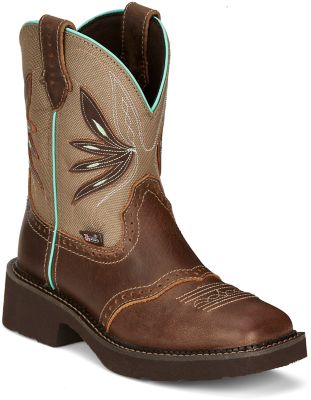
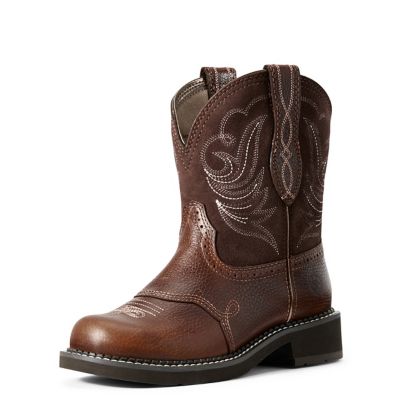
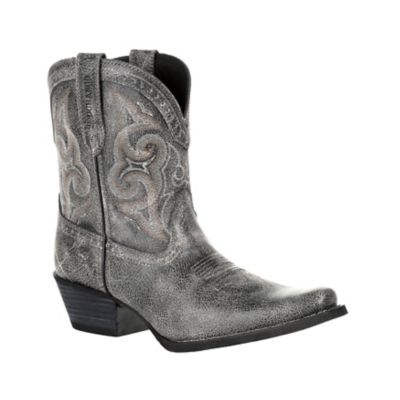
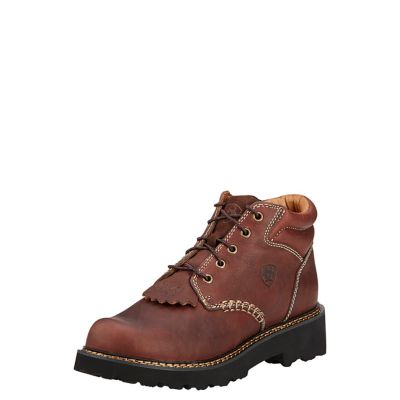
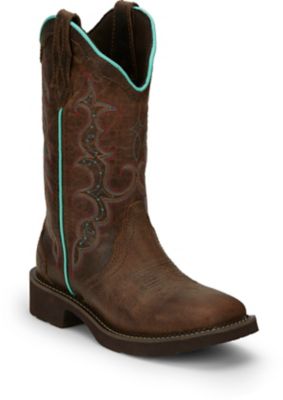
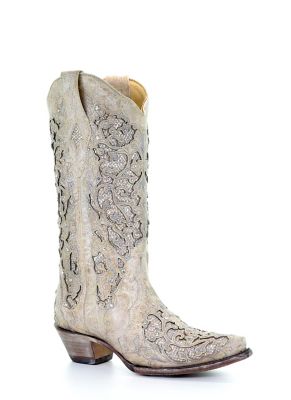
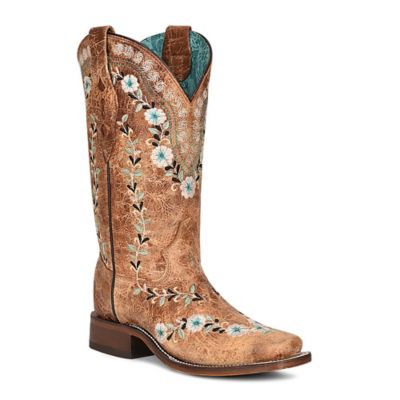
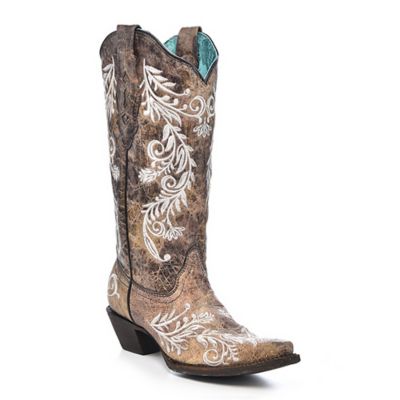
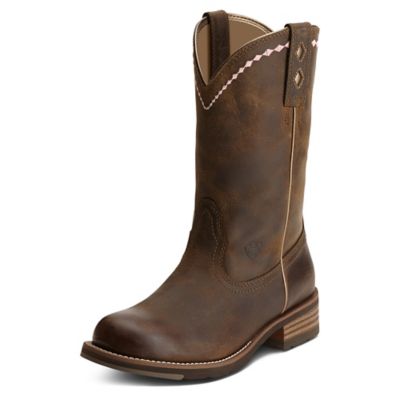
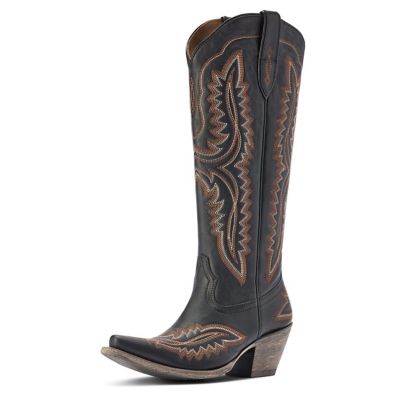
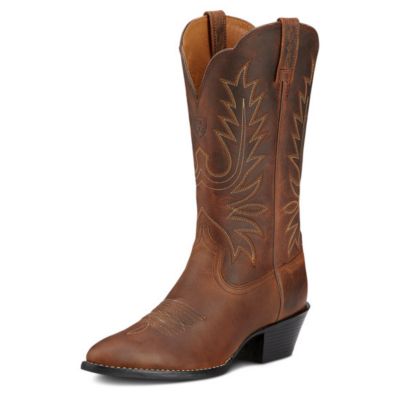
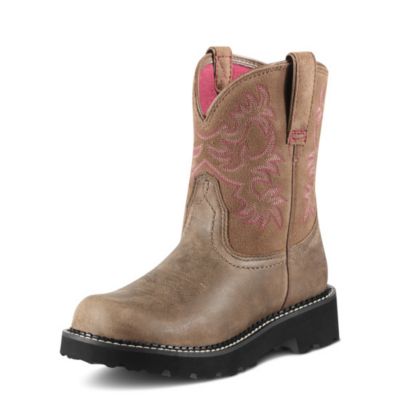
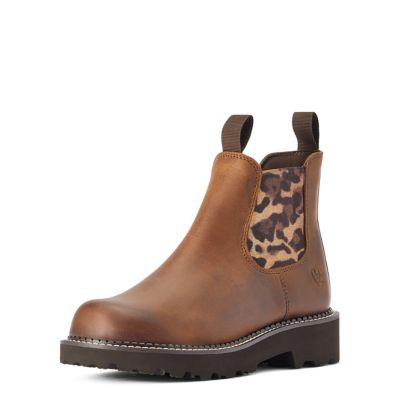
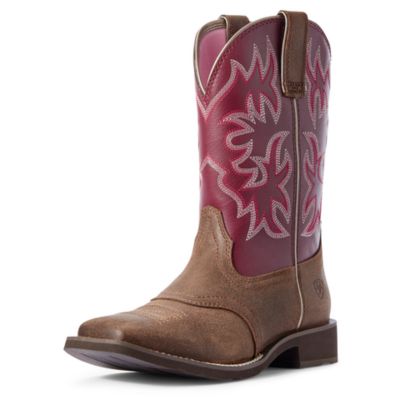
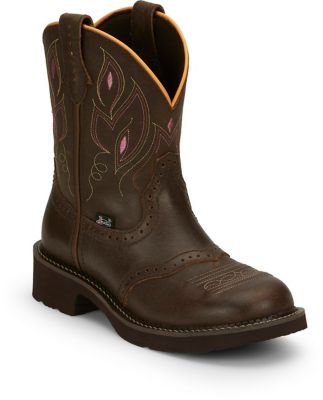
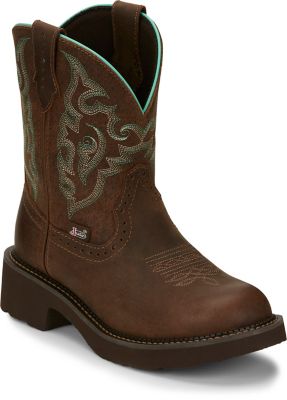
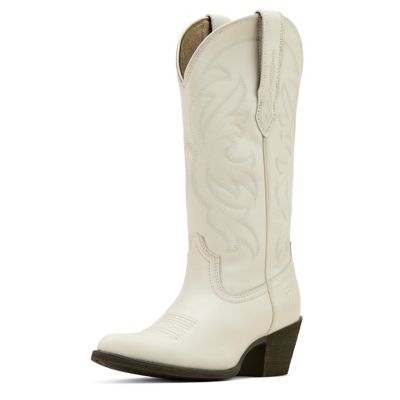
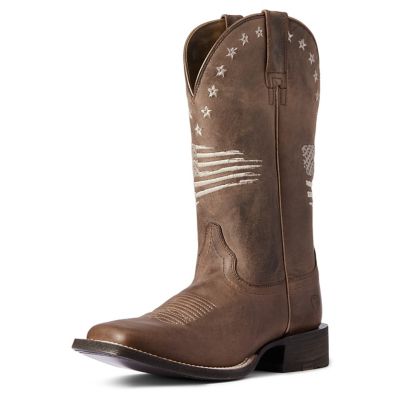
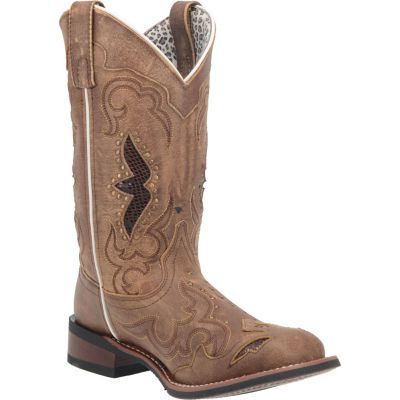
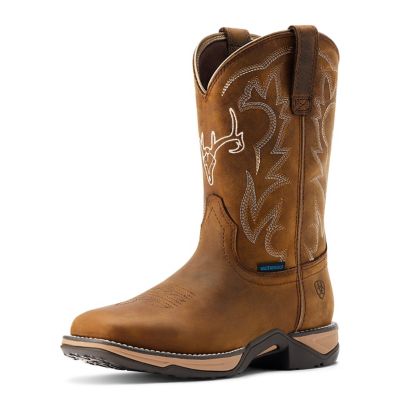
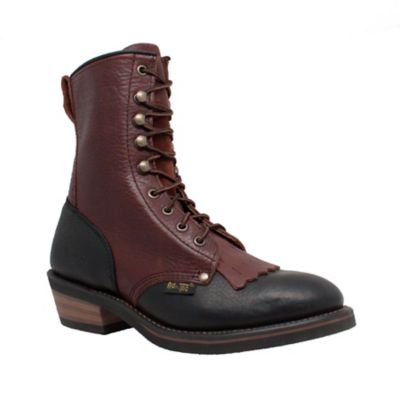
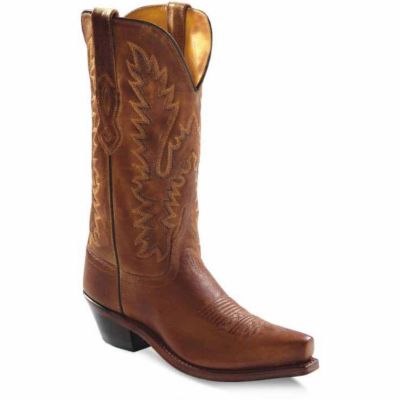
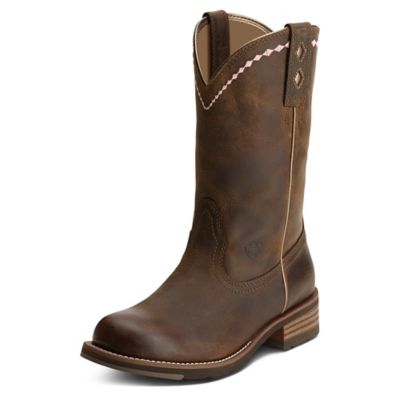
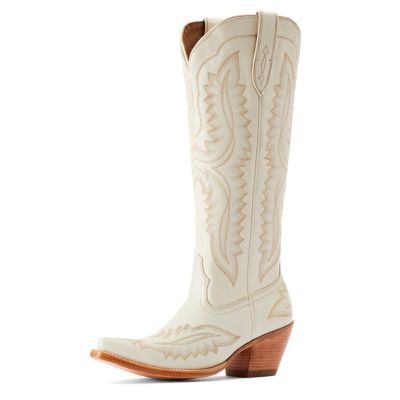
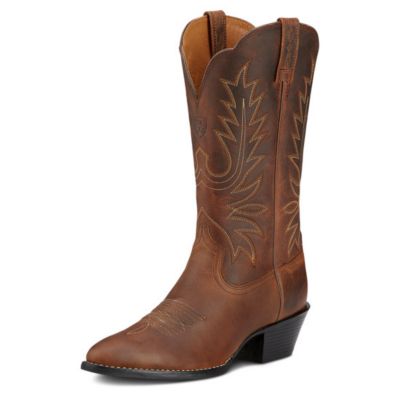
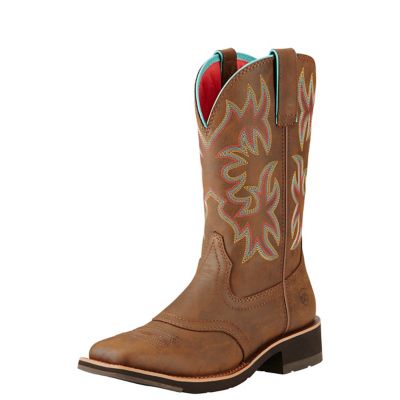
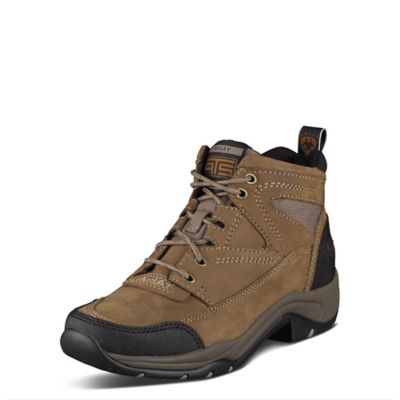
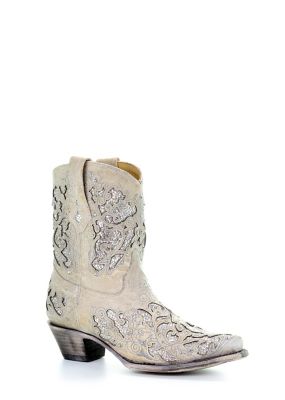
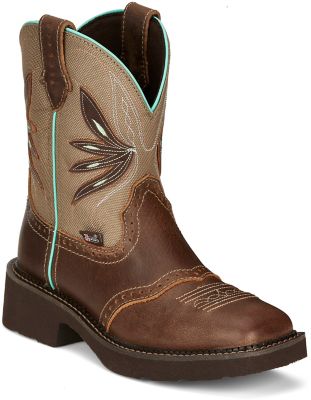
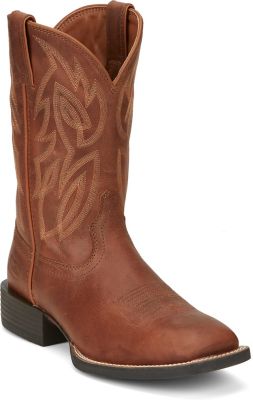
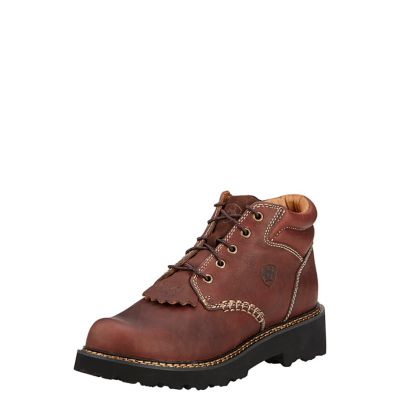
Women’s western boots in size 8 bring familiar cowgirl styling to everyday outfits, time around the barn, and evenings out, with the right choice depending on more than the number inside the shaft. This category includes a range of toe shapes, heel profiles, shaft heights, and materials, each with a different feel and purpose. Full-grain leather can soften and develop character with regular wear, while suede has a softer surface that calls for more protection from wet ground and splashes. Synthetic uppers offer another option, though their flexibility, breathability, and care needs differ from leather. Smooth leather in brown, tan, or black pairs easily with denim, while stitched shafts and contrasting panels add interest when worn with a skirt or dress. A taller shaft gives the classic western outline and more coverage around the lower leg; a shorter shaft can feel less restrictive and work well with everyday outfits. Round toes have a traditional look, square toes create a broader profile, and snip toes taper toward a narrow tip. The room inside still depends on the boot’s construction, so appearance alone does not tell the whole fit story. Heel height matters just as much as toe shape when a day includes walking across a gravel lot, standing at a gathering, or climbing porch steps. Lower, broader heels generally provide a steadier base for walking, while taller western heels change both the stance and the feel underfoot. Rubber outsoles can provide grip and cushioning, depending on their tread and compound, while leather outsoles give a traditional feel but may be slick on wet or polished surfaces. For riding, check that the heel, sole, and overall shape are appropriate for the stirrup and activity. For chores, look for features suited to the actual conditions, such as water protection or a stated slip-resistance rating. A western silhouette alone does not make a boot suitable for every job, and fashion-focused styles should not take the place of footwear with required workplace protection.
Size 8 is a starting point for women’s cowboy boots, not a promise that every pair will fit alike. Boot shape, width, lining, and footbed all affect how the same labeled size feels. Women’s standard width is often marked B, but width labels can vary, so the sizing information for the boot matters. Someone who wears a size 8 in another type of shoe may need a different size or width in western footwear, especially when switching between toe shapes. Try boots with the socks intended for regular wear, whether that means lighter socks for an evening out or thicker pairs during the cooler months. Feet can swell through the day, making an afternoon try-on helpful for judging comfort after several hours on the move. In a pull-on western boot, the instep should feel comfortably snug rather than pinched, and the widest part of the foot should line up with the widest part of the boot. Toes need room to rest naturally without pressing against the front or curling underneath. A little heel movement can be normal in a new pull-on boot because the sole has not yet flexed with the foot, but excessive lifting, rubbing, or sliding forward can point to a fit problem. Leather may ease somewhat across pressure points as it breaks in, but a boot that is too short will not gain the length needed for comfort. Pointed and snip-toe shapes often extend beyond the toes by design; that extra space at the tip is not, by itself, a reason to size down. Shaft fit deserves attention, too. The opening should allow comfortable movement around the calf without digging in when sitting or walking. Before heading outside, walk on a clean indoor surface, turn a few corners, and notice whether the foot stays settled. Cushioned footbeds can help with long stretches on hard floors, but padding cannot correct the wrong size. Thick socks or extra insoles also take up space and can turn an otherwise comfortable instep into a tight one.
The best size 8 western boots for a particular routine are the ones whose construction and care needs match where they will go. A pair worn mainly to dinners and community gatherings faces different demands than boots that regularly meet dust, damp grass, and barnyard grit. Leather thickness, stitching, sole attachment, and reinforcement around high-wear areas all play a part in how footwear holds up over time. Some stitched constructions allow professional resoling, though repair options depend on the boot and its condition. For everyday care, brush off loose dirt before it works into seams, then wipe smooth leather with a lightly damp cloth when needed. Let muddy residue dry enough to remove gently rather than grinding it into the surface. Leather conditioner can help keep suitable leather supple, but the correct treatment depends on the finish; always follow the footwear care directions and test treatments in an inconspicuous spot. Suede generally needs its own brush and suitable cleaning products rather than the same conditioner applied to smooth leather. Water-resistant leather and waterproof construction are not interchangeable, and neither should be assumed from the boot’s appearance. After a wet outing, let boots dry naturally away from a stove, heater, or direct blast of hot air. Removing removable footbeds can help the inside air out, and giving boots time between wears helps moisture escape. Store them where air can circulate, with the shafts supported enough to prevent deep folds. Those simple habits matter when a favorite pair gets pulled on for everything from a feed-store stop to a Saturday night dance. Western boots can also make a thoughtful gift for someone who enjoys country style, rides, or spends time at agricultural events, provided their size, width, and intended use are known. If shopping for another wearer who needs a different size,
Womens Western Boots Size 11 offers a separate size-focused page. Whether the goal is an everyday pair beneath bootcut jeans or a stitched shaft that shows above a dress hem, comfort and purpose should carry as much weight as the look.