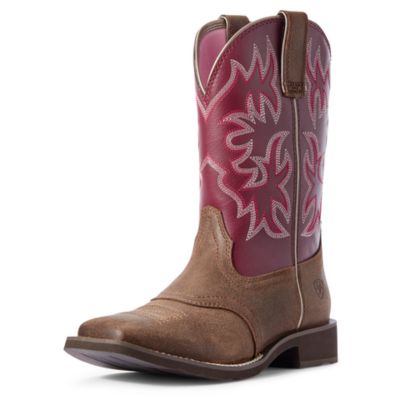
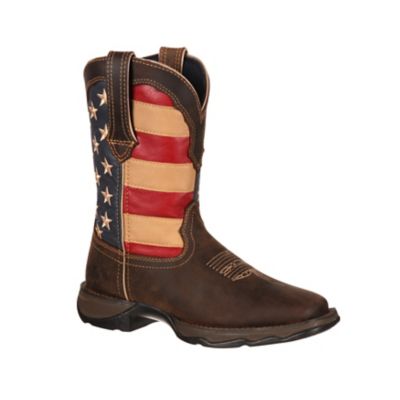
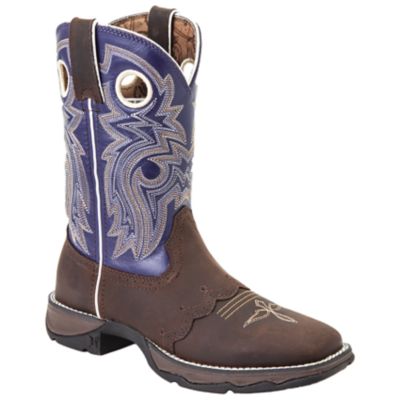
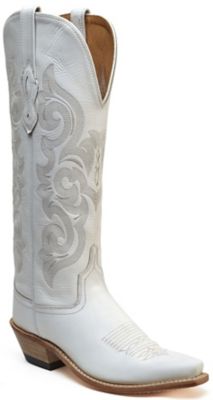
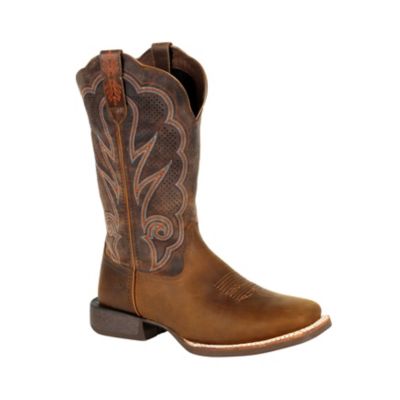
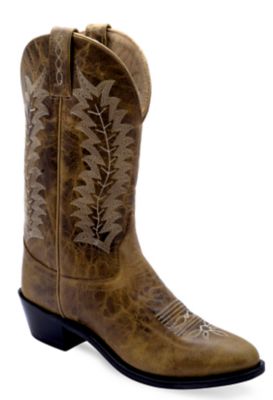
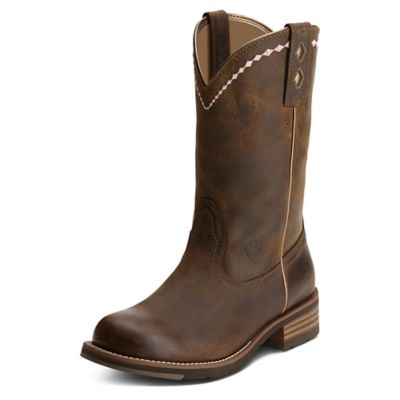
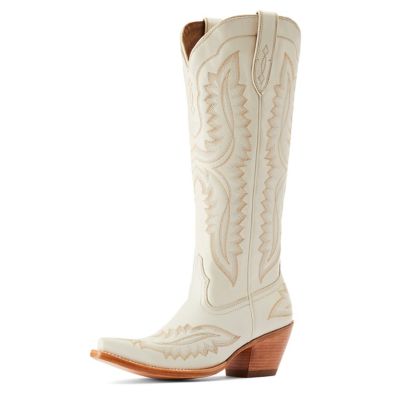
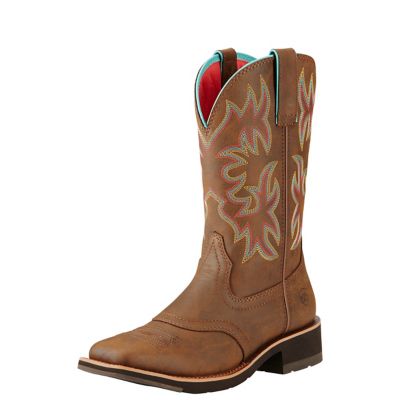
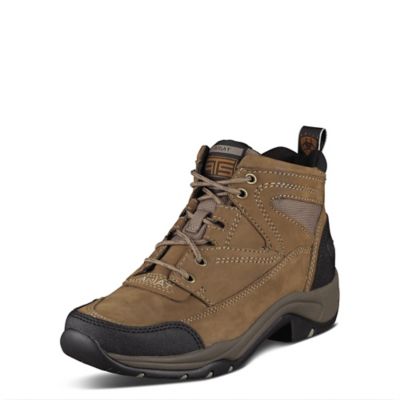
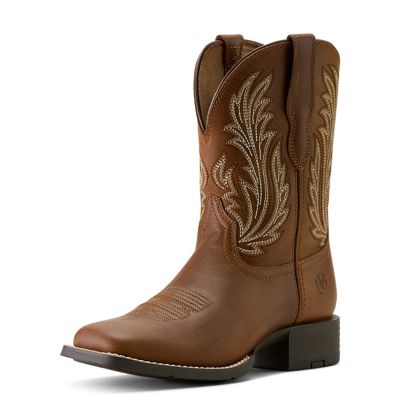
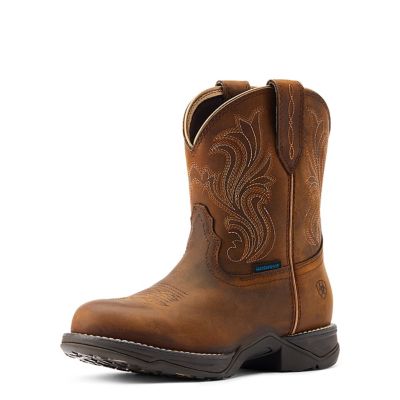
Women’s size 10 Western boots bring together the familiar cowboy boot shape and a range of toe profiles, shaft heights, heel styles, and materials for everyday wear, riding, and certain work settings. The right pair depends on more than the number inside the shaft. A boot for long stretches on foot may need different support and traction than one meant for time in the saddle or an evening out. Classic features such as pull tabs, stitched shafts, shaped heels, and leather-look finishes give these boots their Western character, while construction details help determine how they feel throughout the day. Leather uppers develop creases and character with wear, and different leather finishes can feel smooth, pebbled, waxy, or softly brushed. Synthetic uppers offer another look and feel, with care requirements that depend on the material. Full-grain leather retains the hide’s natural surface, while suede has a napped texture that calls for a gentler cleaning approach. Inside, leather or fabric linings affect how the boot feels against socks and how readily feet slide into place. Shaft height changes both coverage and appearance: shorter styles leave more of the lower leg uncovered, while taller shafts create a traditional line beneath jeans or alongside a skirt. Shaft circumference matters just as much, especially for someone who wants room around the calf without a loose, flaring fit. Stitched patterns, contrasting panels, and different shades of brown, black, or brighter colors let the same basic boot shape lean toward understated ranch wear or a dressed-up outfit. Square toes create a broader-looking front, round toes have a softer outline, and snip toes bring a narrower point. Appearance alone does not establish interior room, though; the shape of the boot’s last—the form it is built around—has a big say in how a size 10 fits. For a trip to the feed store, a family gathering, or a day around horses, those differences can matter as much as the stitching that first catches the eye.
A women’s size 10 is a starting point for fit, not a promise that every Western boot will feel the same. Length, width, instep height, and heel shape vary between constructions, so the size chart and fit information for a particular boot matter more than a general size conversion. Medium and wide widths can change the feel across the ball of the foot without requiring extra length, and moving up a size does not always solve a width problem. A well-fitting Western boot generally feels comfortably snug across the instep, holds the foot without squeezing, and leaves room for the toes to rest naturally. Toes should not press against the front or curl under, and a narrow-looking toe should still provide enough space where the foot actually sits. Pull-on boots may allow a little heel movement at first because there are no laces holding the ankle down. That movement should not turn into the whole foot sliding around or the heel rubbing with every step. Leather can soften and give with wear, but break-in will not make a boot meaningfully longer or correct painful pressure. The socks intended for regular wear also belong in the fit picture; a thick cushioned sock takes up more room than a thin boot sock. Underfoot, cushioned footbeds can soften repeated steps, while a shank can help support the middle of the boot. Removable insoles, when part of the construction, may offer more flexibility for someone who wears an insert, provided enough interior space remains. Outsoles deserve attention, too. Leather soles have a traditional feel, while rubber soles can add grip and cushioning depending on their tread and compound. Neither material alone guarantees traction on every surface. Riding calls for footwear suited to the saddle and stirrups, rather than simply a boot with Western styling. Jobs that require protective toes, electrical-hazard protection, or other safety features call for the appropriate ratings; a cowboy silhouette by itself does not provide them.
Everyday care helps women’s size 10 Western boots stay comfortable and keeps small signs of wear from becoming bigger problems. Dust along a welt, grit caught near the sole, and dried dirt around stitching are worth brushing away before they build up. Smooth leather generally benefits from cleaning and occasional conditioning with products meant for its finish, while suede and other specialty surfaces need their own approach. A conditioner intended for smooth leather can darken a surface or change its texture, so care directions and a small hidden test spot matter. Oversaturating the leather or applying conditioner too often can leave it overly soft or greasy rather than well maintained. When boots get damp during cleaning or daily wear, room-temperature air and time are gentler than a heater or dryer, which can damage leather and adhesives. Giving the inside time to dry between wears also helps keep the lining and footbed fresher. Boot trees or shaft supports can help preserve shape in storage, and keeping boots out of direct sunlight helps protect their finish. Wear resistance comes from the whole construction: the upper, seams, heel attachment, outsole, and the way the pair is treated between outings. Some welted boots can be resoled by a repair shop, although repair options depend on the design and condition. These practical details matter for someone who reaches for the same boots before heading to the barn, meeting friends at the diner, or spending an afternoon at an arena. Western boots can also make a thoughtful gift for a rider, a country music fan, or someone whose everyday wardrobe centers on jeans and boots. Knowing the recipient’s usual width, calf fit, and preferred heel height helps make that choice more personal. When shopping for people who wear different sizes,
Womens Western Boots Size 8 offers a separate size category for the person who needs it. For the size 10 wearer, comfortable footing, suitable construction, and a style that feels natural with favorite clothes are what turn a pair into an everyday staple.