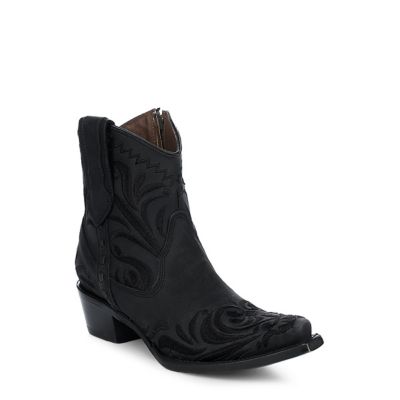
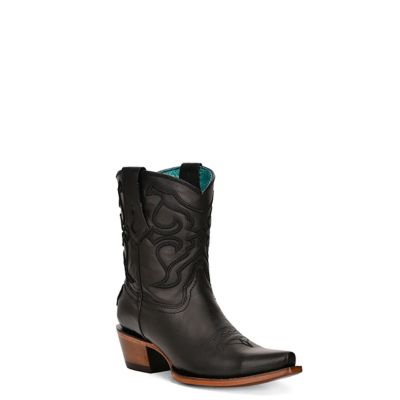
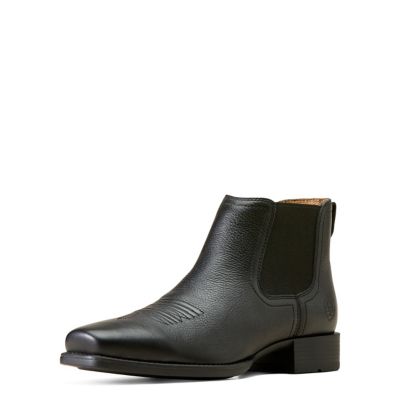
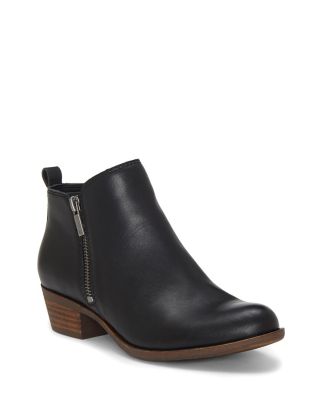
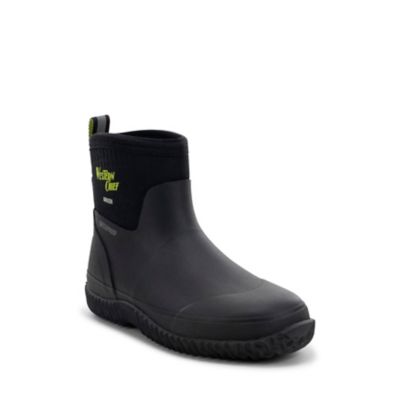
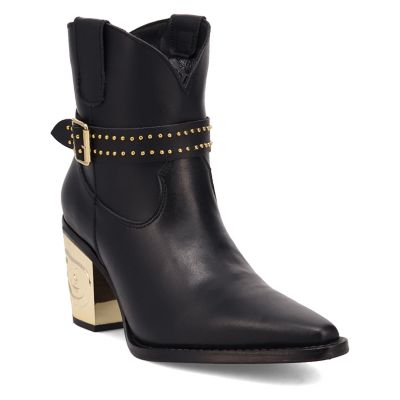
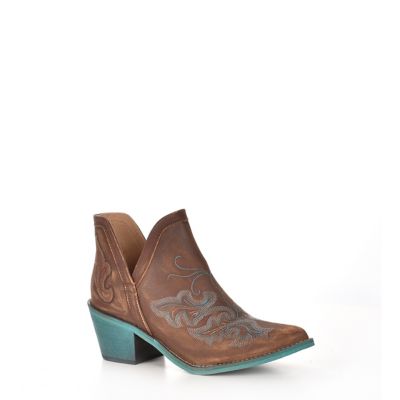
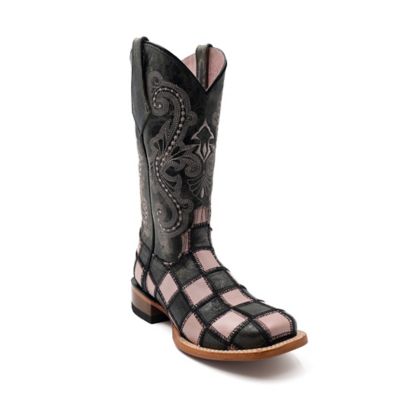
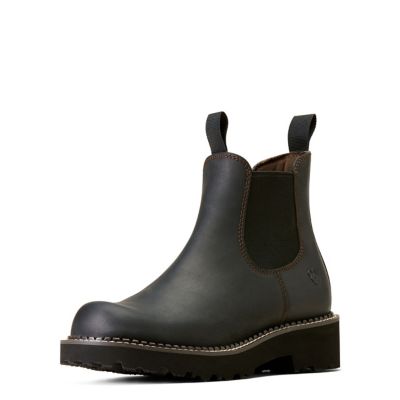
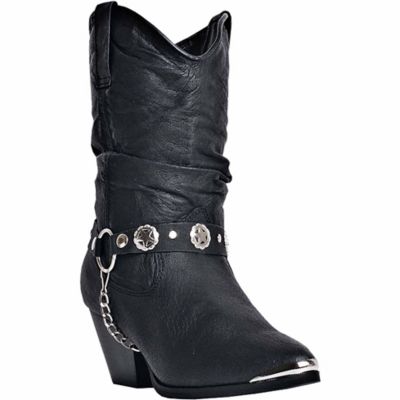
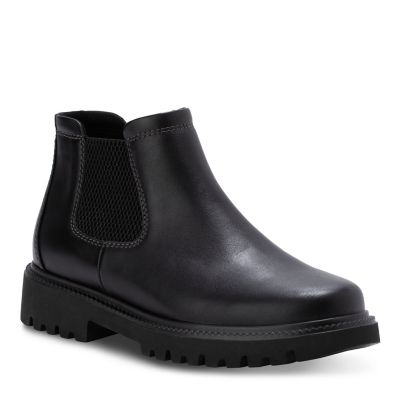
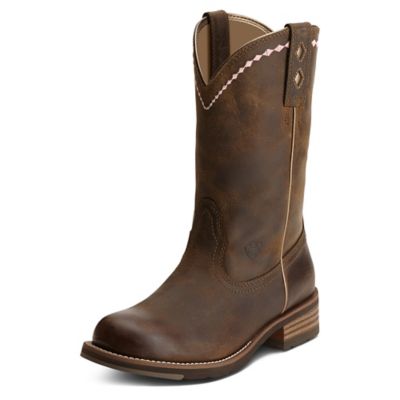
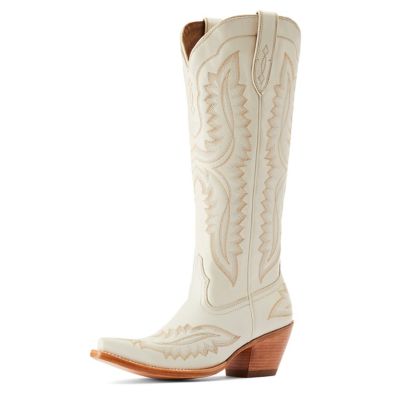
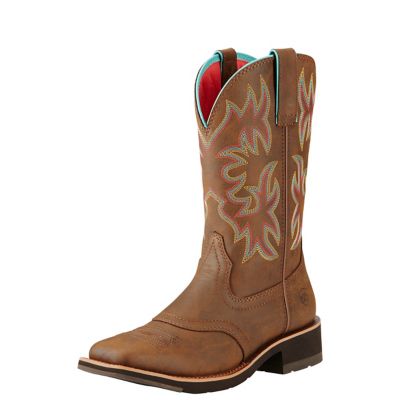
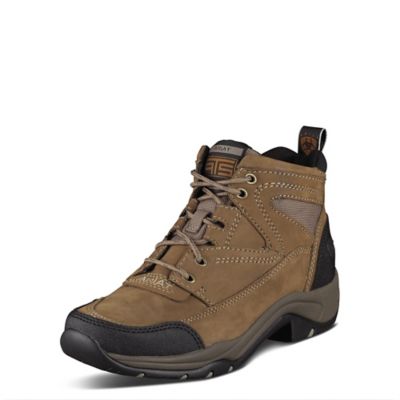
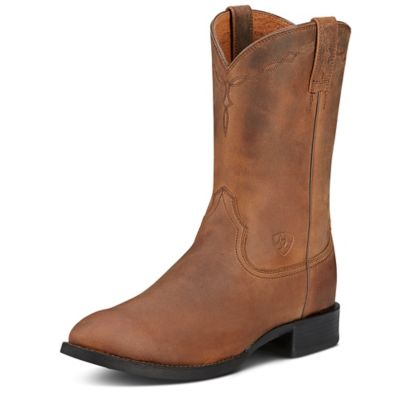
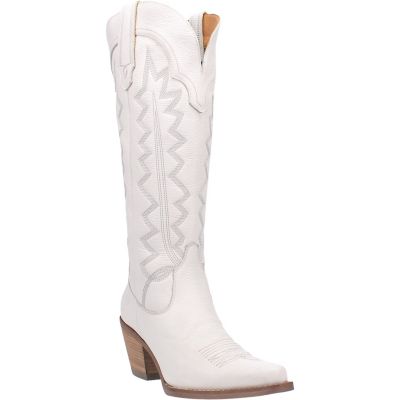
Black Western ankle booties bring the familiar shape of a cowboy boot down to an ankle-height silhouette, with Western stitching, shaped toes, and heels that give everyday outfits a little ranch-town character. Their shorter shafts leave more of the lower leg open than traditional cowboy boots, making them easy to pair with straight-leg jeans, cropped denim, skirts, and dresses. Black keeps the look grounded: smooth leather can lean dressier, while a matte finish or a lightly textured surface feels right at home with denim and a belt buckle. These boots come in a range of shapes for women and men, though the fit and proportions matter more than the label. A pointed toe creates a sharper profile, an almond toe softens that shape, and round or square toes offer a different look and potentially more room across the front, depending on the last. Toe shape alone does not determine comfort, so check the width and interior space rather than judging by the outside. Materials also change how a boot feels and wears. Leather can develop creases and soften with wear, while suede has a softer-looking surface that calls for its own cleaning routine. Synthetic uppers vary in flexibility, breathability, and care requirements, so the material description is worth a close look. Contrast stitching, tonal thread, embossed patterns, and metal accents can add interest without taking away from the black finish. For a quieter look, simple panels and subtle stitching let the toe and heel do the talking. Construction deserves attention, too: even seams, secure heel attachment, and a well-finished connection between the upper and sole all matter when boots are part of a regular rotation. A lining that feels smooth against the foot and an insole with suitable cushioning can make a difference on days that include driving into town, walking between shops, and standing through supper with friends. The best match balances the Western look with the demands of the day, rather than treating every short cowboy-inspired boot as the same kind of footwear.
Fit is especially important with black Western ankle booties because a short shaft, snug instep, or narrow opening can change how easily the foot slides inside. Pull-on styles may have tabs to help with entry, while zippers and elastic side panels can make the opening easier to navigate. Once the boot is on, the widest part of the foot should sit comfortably at the widest part of the boot, with enough toe space to avoid pressure when walking. A little heel movement can occur in some new pull-on leather boots, but repeated slipping, rubbing, or a foot that lifts too far inside the boot is a reason to reconsider the fit. Leather may soften, yet boots should not start out painfully tight in the hope that wear will fix them. Try them with the type of socks intended for everyday wear, and consider whether there is room for an insert if extra support is needed. A removable footbed can be helpful for that purpose, but not every construction has one. Heel height and heel shape also deserve a practical look. A lower, broader heel may feel steadier for long stretches on the feet, while a taller or narrower heel changes the stance and may suit shorter outings better. Outsole material influences the feel underfoot: rubber can provide cushioning and traction depending on its compound and tread, while leather soles have a different feel and can be slick on smooth surfaces. For walking across a gravel parking area or standing on a hard floor, pay attention to tread, flexibility, and support rather than appearance alone. Western styling does not automatically make ankle booties suitable for riding, barn chores, or jobs that call for protective footwear. Riding requires footwear appropriate to the stirrup and activity, and workplace needs may include specific safety-toe or slip-resistance ratings. Everyday fashion booties are often a better match for errands, casual gatherings, concerts, and meals out. A short shaft also provides less lower-leg coverage than a tall boot, which matters whenever the activity involves brush, rough surfaces, or other hazards.
The appeal of black Western ankle booties is how easily they settle into a familiar wardrobe. With straight-leg jeans, the hem can fall over the shaft for a clean line; with cropped pants, a little space above the opening lets the boot’s shape stand out. A skirt or dress gives stitching and heel details more room to show, while a plain shirt and black boots keep the outfit simple without losing its Western roots. For anyone comparing shaft heights and silhouettes, the broader
Ankle Height Cowboy Boots category offers another way to explore this short-boot style. Black is easy to coordinate with brown belts, denim jackets, and silver-tone accessories, so every piece does not have to match exactly. These booties can make a thoughtful birthday or graduation gift for someone who enjoys Western clothing, provided the recipient’s size, preferred width, and heel comfort are known. Getting those details right matters more than choosing the fanciest stitching. Once boots become part of the routine, care helps keep their finish and shape in good condition. Brush off loose dirt before cleaning, and follow the maker’s directions for the upper material. Smooth leather may benefit from a compatible cleaner and conditioner, but testing any treatment in a small, less visible spot helps avoid unexpected color changes. Suede generally calls for a suede brush and products intended for that surface rather than regular leather conditioner. Wipe synthetic materials as directed, and avoid assuming that every black finish tolerates the same treatment. Let boots air out between wears, keep them away from direct heat, and store them where the shafts will not be crushed. Check heel edges, stitching, zipper movement, and outsole wear from time to time; catching a loose heel or worn tread early can help prevent a small problem from becoming a bigger one. With sensible care and a fit that feels good from the start, black Western ankle booties can earn their place beside the jeans and shirts reached for most often.