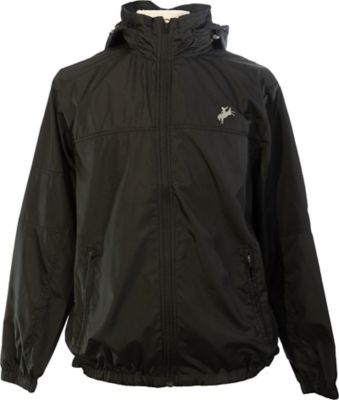
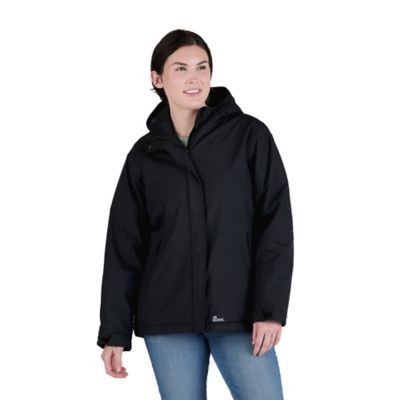
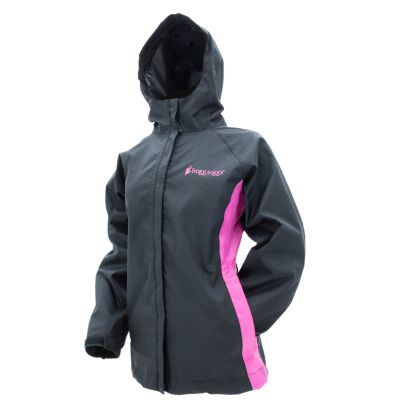
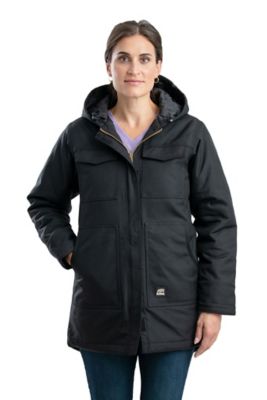
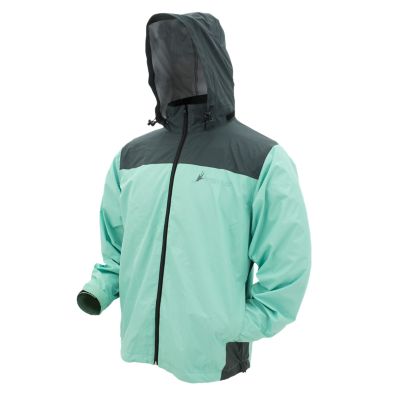
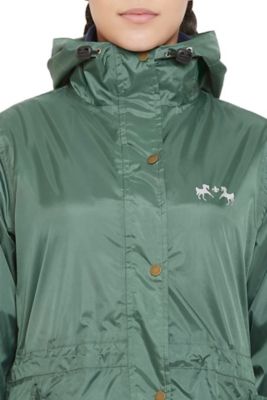
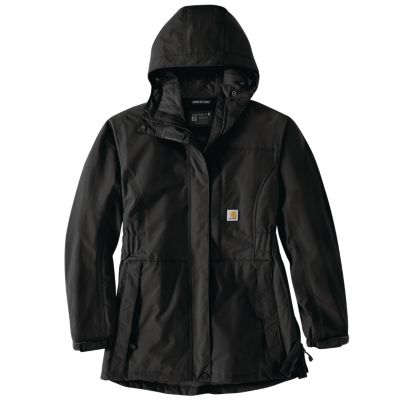
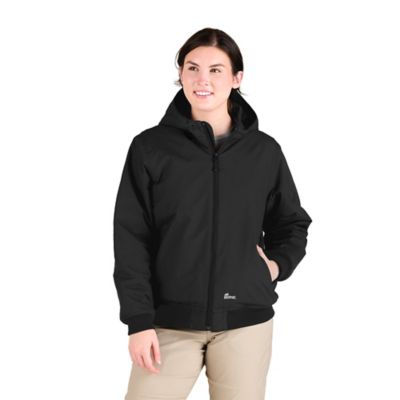
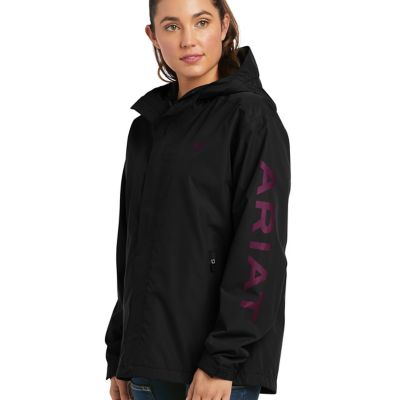
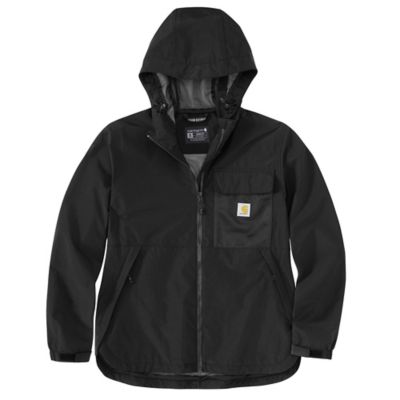
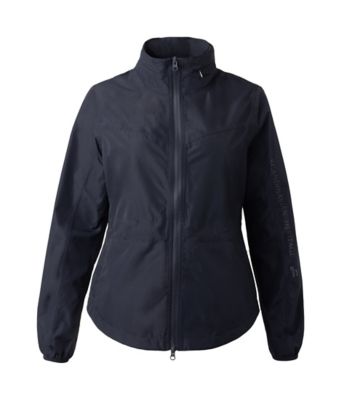
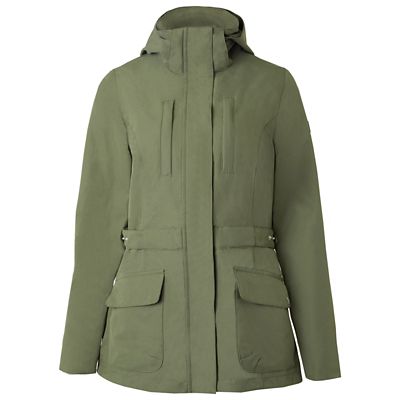
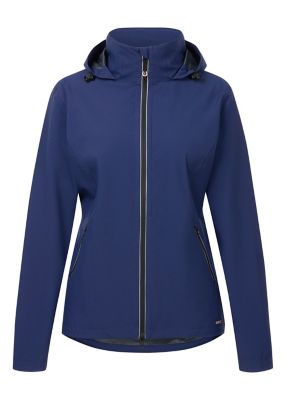
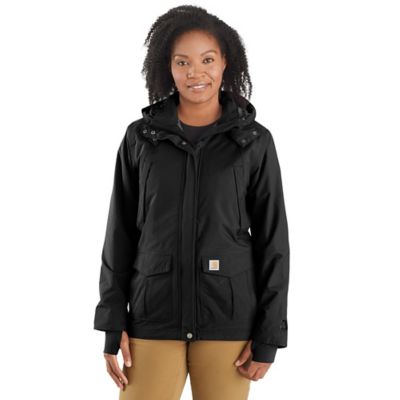
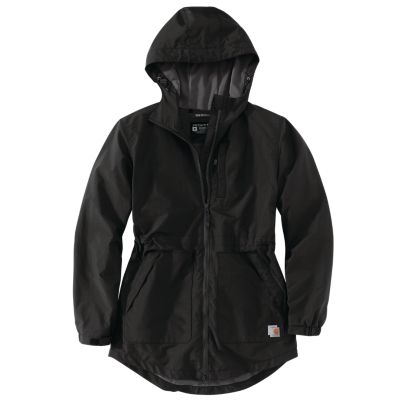
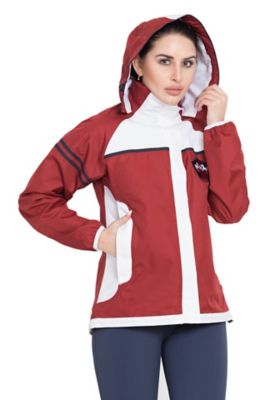
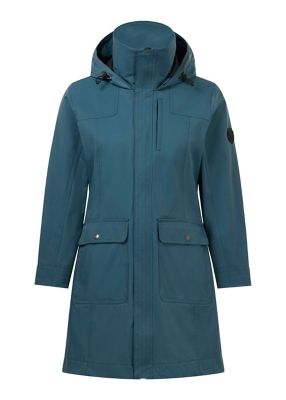
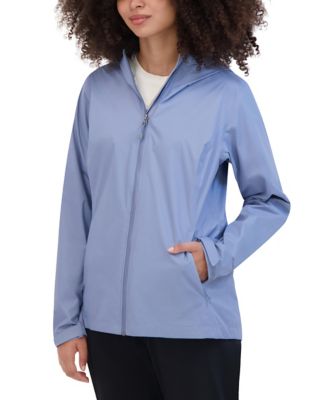
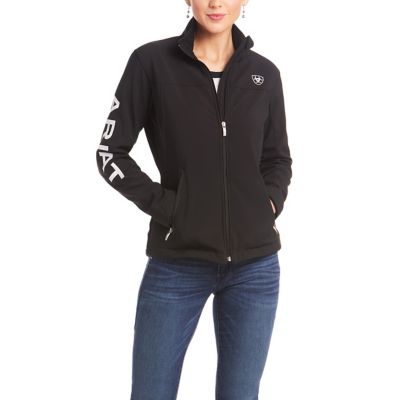
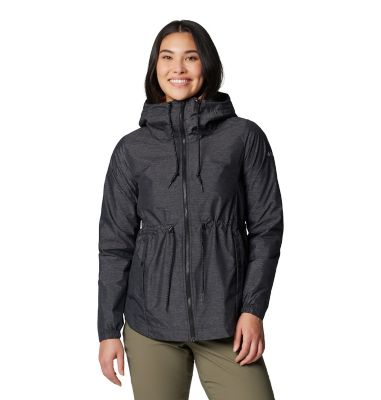
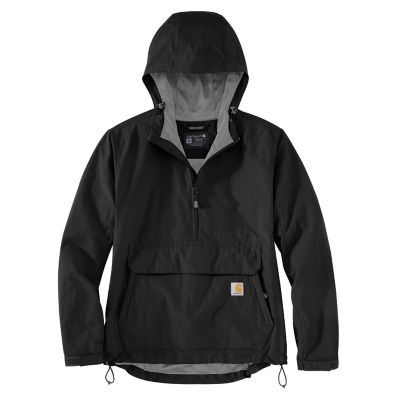
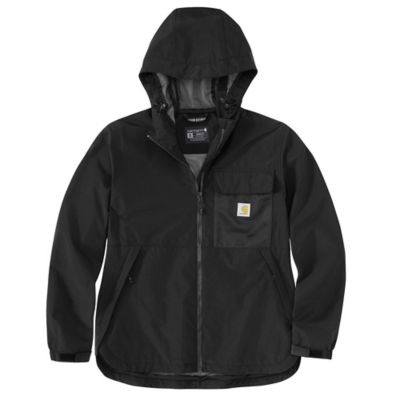
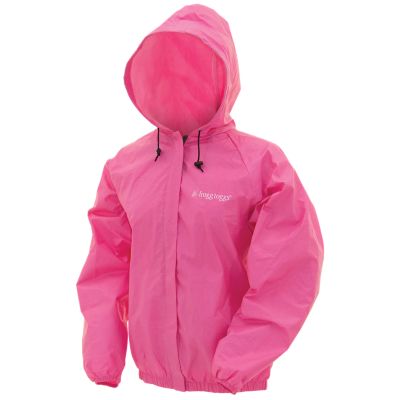
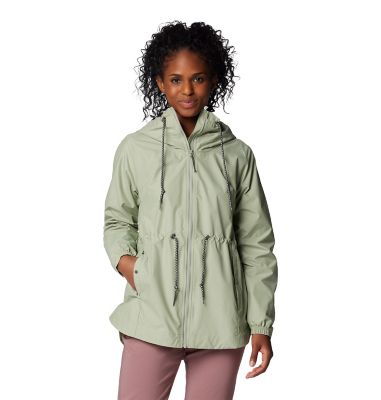
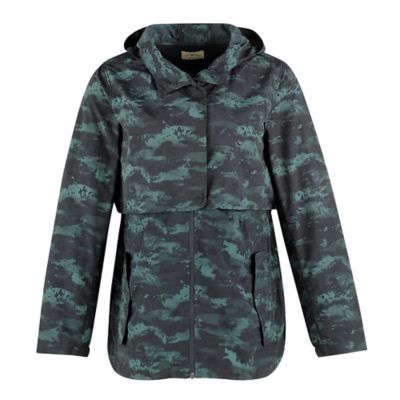
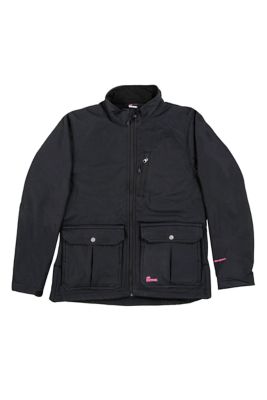
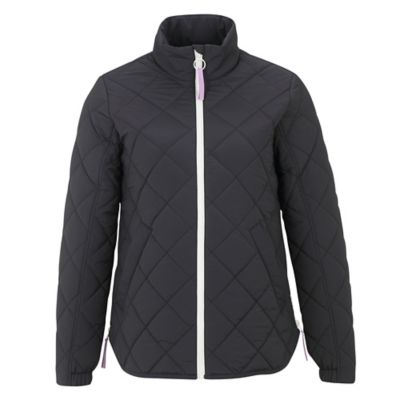
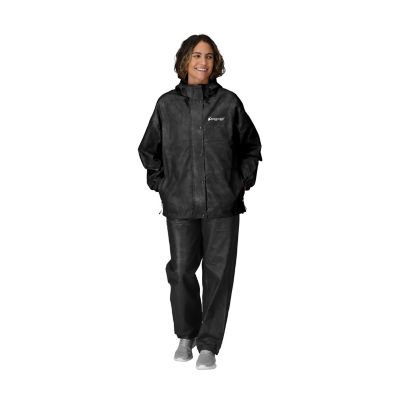
Women’s waterproof windbreakers are lightweight outer layers designed to block wind and keep rain from soaking through, with waterproof fabrics, protected closures, and sealed seams playing important roles in their performance. They suit the kind of day that involves walking the fence line, carrying feed to the barn, or heading into town with rain blowing across the parking lot. Unlike a windbreaker that only sheds a brief sprinkle, a waterproof shell is built around a barrier that resists water penetration. That barrier may be a coating applied to the fabric or a membrane bonded between fabric layers. Nylon and polyester are common outer fabrics, offering a light feel without the weight of a heavy coat. A water-repellent finish helps droplets bead and roll off the surface, but that finish alone does not make a jacket waterproof. Sealed seams help close the tiny holes left by stitching, while storm flaps or water-resistant zippers help protect openings where rain can work its way inside. Those details matter when a quick trip outside turns into an hour of tending animals or checking gates. Breathable construction allows some moisture vapor to escape, which can make a difference when hauling supplies or walking uphill. Even a breathable waterproof jacket can feel damp inside during hard work, especially in humid conditions, so covered vents and adjustable openings can be welcome features. A light shell also takes up less room than a lined coat, making it handy to tuck into a daypack or keep within reach for a change in the forecast. Waterproof protection and warmth are separate jobs, though. An uninsulated windbreaker can help cut the chill from moving air, but cold-weather chores may call for a fleece or another insulating layer underneath. The most useful combination depends on how long the work lasts, how much movement it involves, and how much protection the conditions demand.
Fit makes a noticeable difference when a jacket needs to move through a full day rather than just look right on a hanger. There should be room across the shoulders and upper back for reaching toward a latch, lifting a feed scoop, or holding a leash without the fabric pulling tight. Sleeves that cover the wrists with arms extended help prevent gaps, while adjustable cuffs can narrow the opening against wind-driven rain. A hem that reaches below the waistband offers extra coverage when bending, although a longer cut still needs enough room through the hips for walking, crouching, and sitting comfortably. Layering room matters, too: a jacket that feels roomy over a T-shirt may fit quite differently over a sweatshirt. Measurements and the garment’s size chart give a better starting point than assuming every cut fits the same way. An adjustable hood can help keep rain away from the face without blocking the view to either side, and a shaped brim offers a little more shelter around the forehead. High collars and soft fabric at the chin can make a zipped-up shell more comfortable when the wind picks up. Pocket placement deserves a little attention for everyday work. Hand pockets are convenient between chores, while a chest pocket may be easier to reach when carrying a bag or wearing a pack. Covered pocket openings help limit rain entry, but an ordinary jacket pocket should not be treated as a waterproof case for a phone or paperwork. Fabric weight also affects how a windbreaker feels on the move. A very light shell packs down neatly for a trail walk or a trip to the fairgrounds, while a more substantial outer fabric may better suit frequent contact with pack straps and everyday farm tasks. Neither choice makes a light rain shell the right outerwear for pushing through thorny brush or working against rough metal edges.
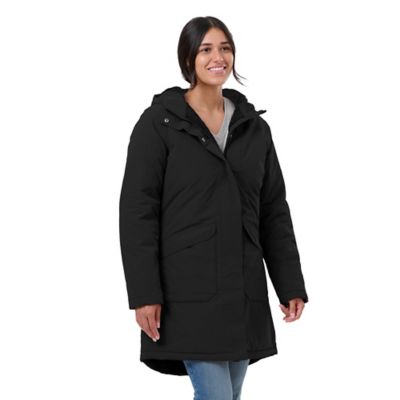
A waterproof windbreaker can earn its place beside the door when its care needs fit everyday life. Mud splashes, dust, body oils, and sweat can affect how the fabric feels and how well the surface sheds water, so cleaning is part of keeping the jacket working as intended. The care label should set the washing routine, including water temperature, detergent choice, and whether machine drying is permitted. Fabric softeners and bleach are often unsuitable for technical rainwear, and detergent residue can interfere with a water-repellent finish. Closing zippers and fastening hook-and-loop tabs before washing can help reduce snagging. After cleaning, some jackets benefit from a low-heat tumble to refresh the surface treatment, but only when the manufacturer’s directions allow it. If rain stops beading on the outside, an appropriate treatment may help restore that surface repellency; it will not repair a torn membrane, peeling coating, or leaking seam. Letting the jacket dry fully before putting it away helps prevent lingering dampness and odors. A packable shell is convenient for travel, but storing it loosely between outings avoids leaving it compressed in its pouch for long stretches. For women who spend time feeding livestock, walking dogs, attending outdoor games, or taking a trail close to home, that combination of manageable weight and rain protection has plenty of everyday uses. It can also make a practical gift for someone who would rather be outside than rearrange the day around a passing shower, especially when her measurements and preferred layering fit are known. Color is another personal choice: a brighter shade stands out against a gray sky, while black pairs easily with work pants, jeans, and everyday layers. For that darker look,
Womens Black Windbreaker Jackets offers a related category to explore, with waterproof features still worth checking for rainy-day wear. A comfortable fit, protected openings, and straightforward care help make a rain shell something that gets reached for again and again.