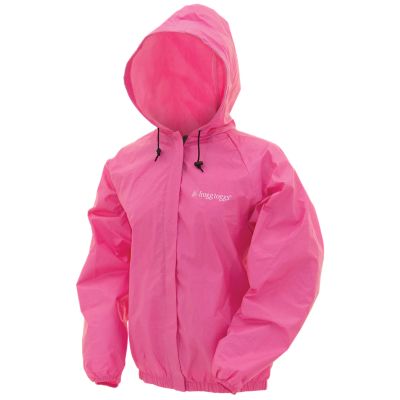
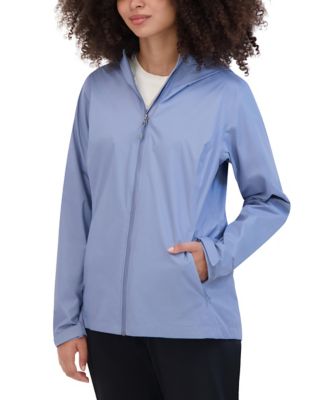
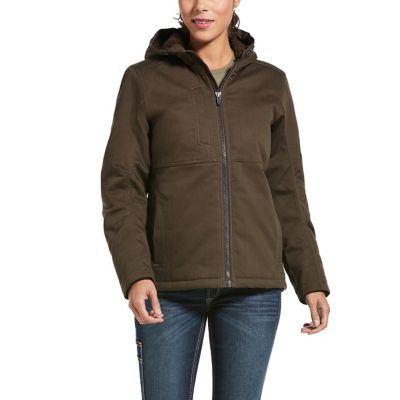
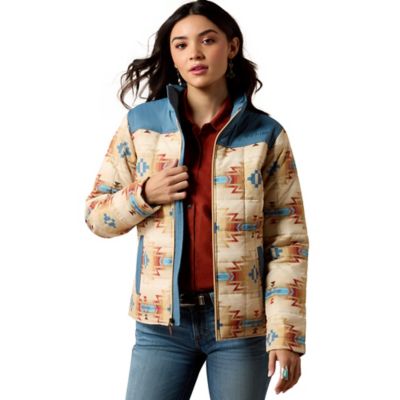
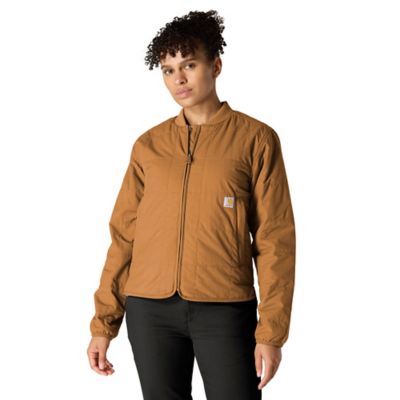
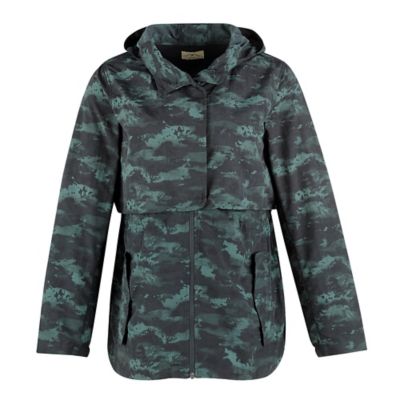
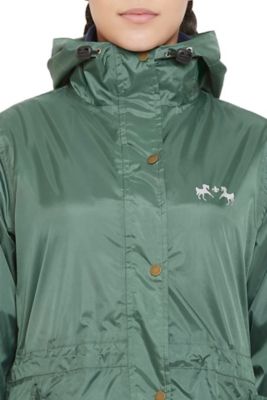
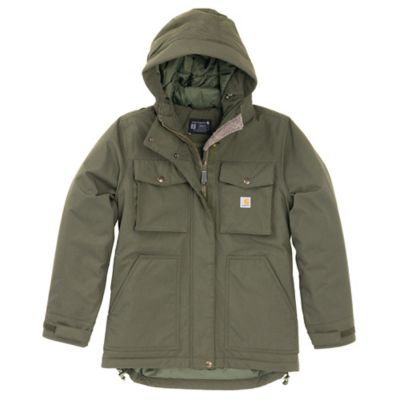
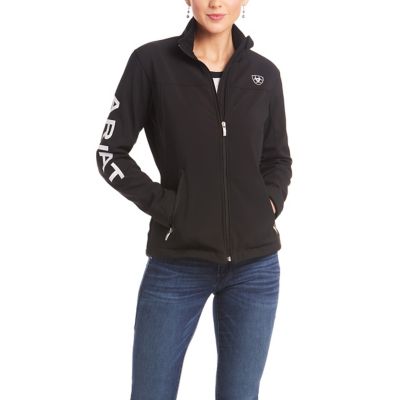
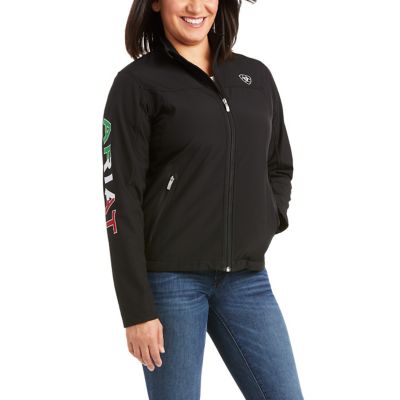
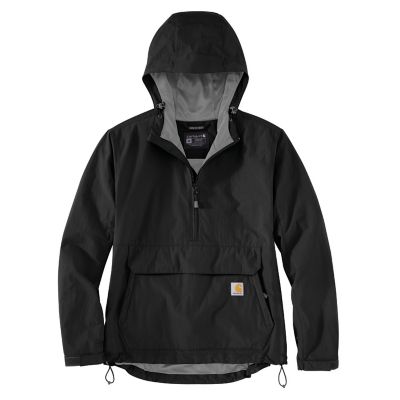
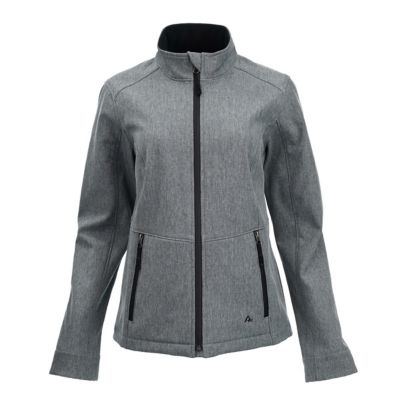
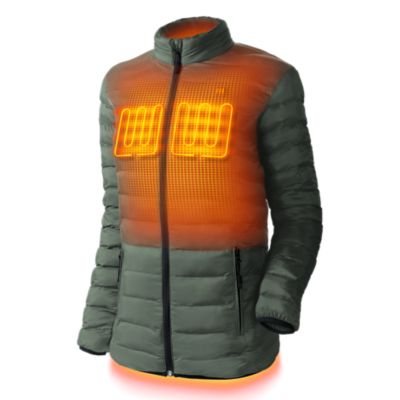
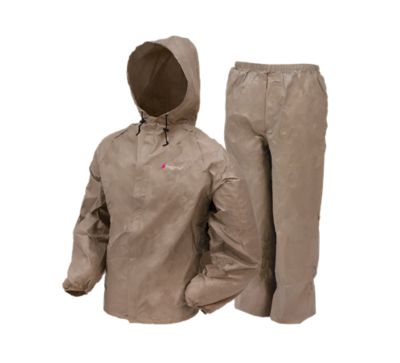
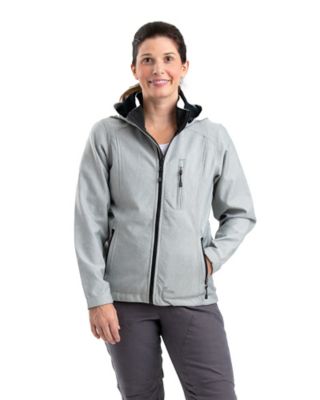
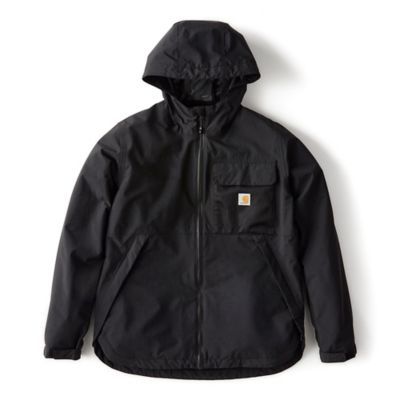
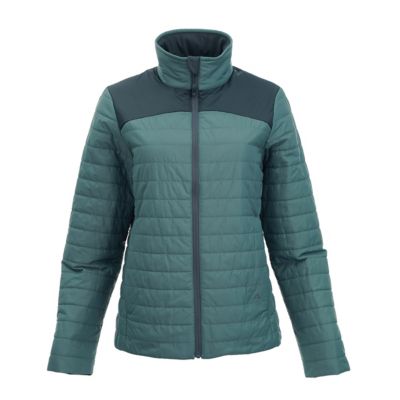
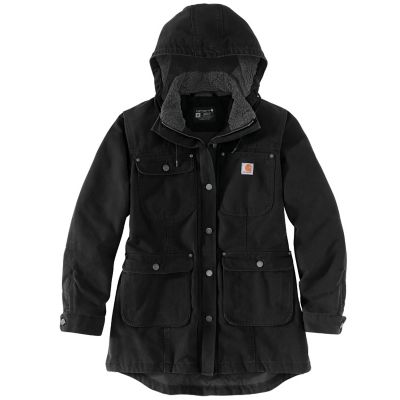
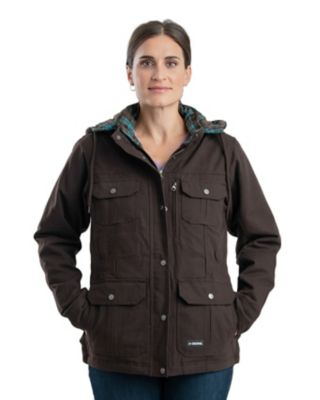
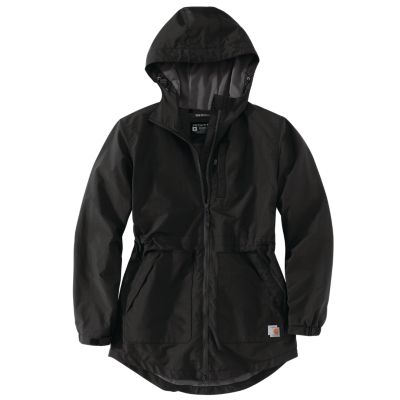
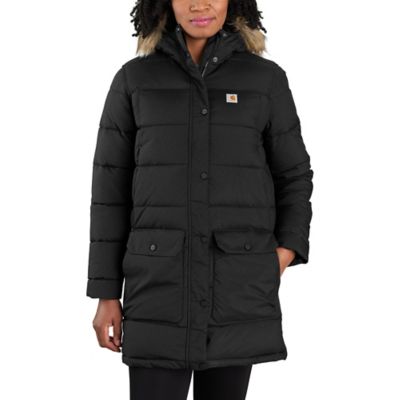
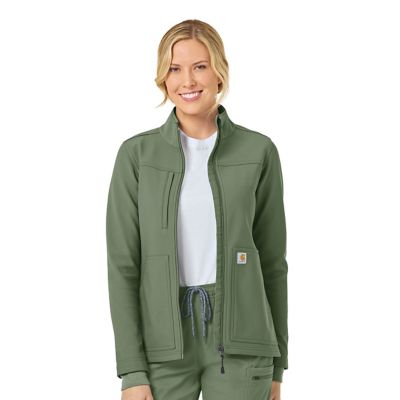
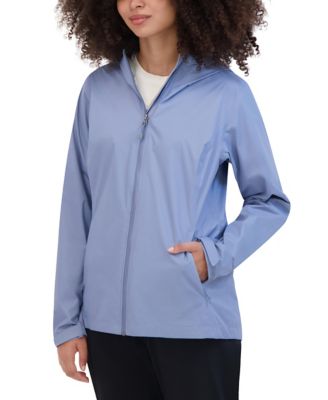
Women’s lightweight windbreakers are thin outer layers that help block gusts without the weight or warmth of an insulated jacket. They’re a practical fit for walking the back pasture, heading into town, watching a ballgame or getting a little trail time after chores. Many feature tightly woven nylon or polyester shells that cut down on wind passing through the fabric, while some include a water-repellent finish for brief sprinkles. That finish is not the same as waterproof construction: a windbreaker without a waterproof membrane and sealed seams is not meant to stand in for a rain jacket through a steady downpour. Its main job is to take the edge off moving air while staying light enough to carry when it’s no longer needed. Unlined designs generally take up less room in a tote or daypack, and styles with mesh lining can help keep the shell from sitting directly against your shirt. Breathability varies with the fabric, coating and construction, so a thin jacket does not automatically let heat and moisture escape freely. For a brisk walk down a gravel road, back vents or underarm openings can make a noticeable difference in comfort. A full-length front zipper also gives you a simple way to release warmth on an uphill stretch, then close things up when the wind picks up across an open field. Pullover styles offer a different feel, with fewer front openings and sometimes a roomy front pocket, though they take a little more effort to pull over other layers. Packable windbreakers may fold into a pocket or a separate pouch, making them handy for a truck cab, a saddlebag or a bag kept by the door. Low weight, wind resistance and easy carrying are the main benefits of this category; insulation, rain protection and sun protection depend on the garment’s stated features.
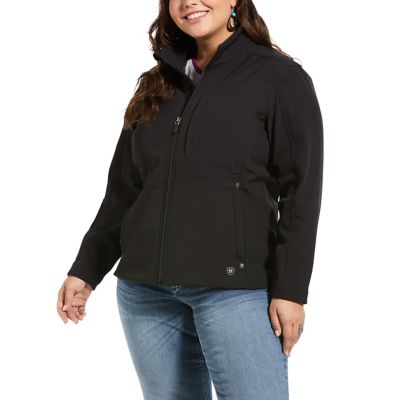
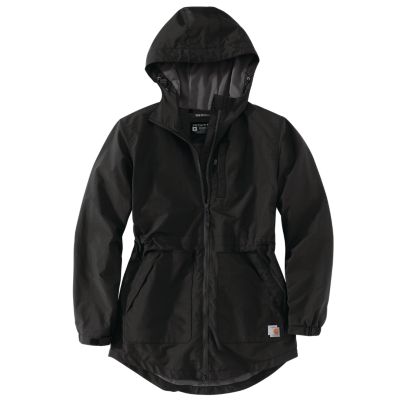
Fit matters just as much as fabric when a jacket needs to move through a full day with you. A women’s lightweight windbreaker should leave enough room across the shoulders and upper back to reach for a gate latch, lift a feed scoop or swing a daypack onto your shoulder without pulling tight. Sleeves that feel fine while standing still can ride up when your arms reach forward, so sleeve length and shoulder shape deserve a close look. Raglan sleeves, shaped elbows and fabrics with a little stretch can support easier movement, depending on the design. A closer fit keeps extra fabric from flapping on a walk, while a relaxed cut leaves space for a flannel shirt or fleece underneath. That layering room is especially helpful when a chilly breeze calls for more than a T-shirt, but a heavy coat would be too much. A windbreaker adds wind protection over those warmer layers rather than supplying much warmth on its own. Hip-length hems offer everyday coverage without getting in the way of a long stride, and a dropped back hem can provide extra coverage when bending over. An adjustable hem helps limit drafts, while elastic or adjustable cuffs help keep sleeves in place. Hoods are useful on exposed paths and around open barns, particularly when they adjust closely enough to stay put without blocking your side view. A hoodless jacket can feel less crowded around the neck when paired with a collared shirt. Zippered hand pockets give keys and small essentials a more secure spot than open pockets, although carrying heavier belongings can pull a very light shell out of shape. A soft zipper guard at the chin is another small detail that can matter when the jacket is zipped all the way up. For a straightforward color that pairs easily with jeans, work pants and walking clothes,
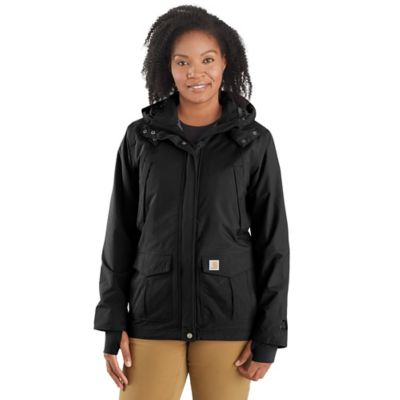
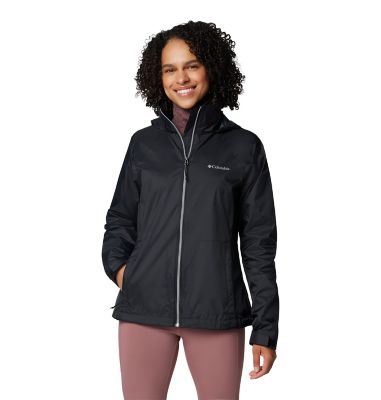
women’s black windbreaker jackets offer an easy everyday look. Color alone does not provide visibility or jobsite protection; tasks requiring high-visibility clothing call for garments made to meet the applicable requirements.
The right lightweight shell also depends on where it will spend its days. Smooth, thin fabric works well for errands, travel, casual hikes and light outdoor tasks, but it needs more care around barbed wire, sharp branches and rough lumber than a heavier work jacket. Ripstop fabrics have a reinforcing grid intended to help limit the spread of small tears, though they are not puncture-proof. Well-finished seams, secure pocket stitching and zippers that move smoothly are worth attention when a jacket will be pulled on and packed away often. For walking dogs along a fence line or cheering from the sidelines, an easy-moving fit and accessible pockets may matter most. For longer walks, low weight, ventilation and a hood that stays settled can take priority. A light shell can also make a thoughtful gift for someone who spends plenty of time outdoors without needing specialized equipment, especially when their usual size, preferred fit and layering habits are known. Care is generally straightforward, but the garment’s label should set the routine. Shell fabrics, linings and water-repellent finishes can have different washing and drying requirements. Empty the pockets, secure closures as directed and follow the listed wash temperature rather than treating every jacket like a pair of work jeans. Fabric softeners and bleach can interfere with some performance fabrics or finishes, so leave them out unless the care instructions specifically allow them. If water stops beading on a jacket that originally had a repellent finish, cleaning or a compatible treatment may help restore that behavior; any treatment should match the manufacturer’s directions. Let the jacket dry fully before folding it into a pouch, and avoid leaving it compressed for long stretches when there’s room to hang it. A quick check for loose threads, grit in the zipper and small snags can help catch trouble early. With the right fit and sensible care, a women’s lightweight windbreaker is an easy layer to keep close for breezy walks, outdoor gatherings and everyday trips beyond the front porch.