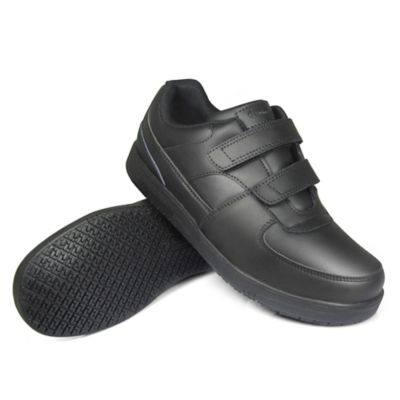
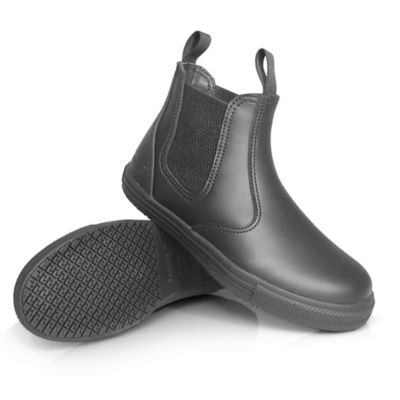
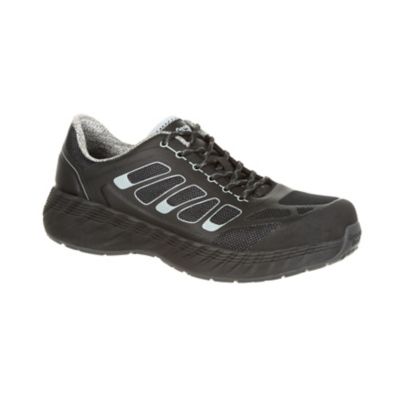
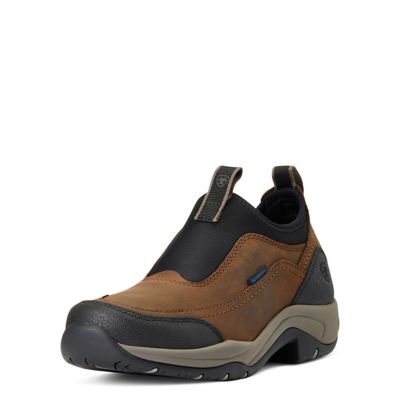
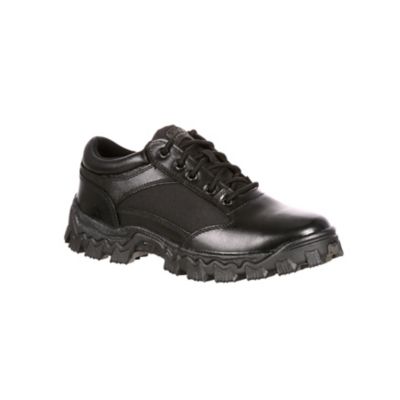
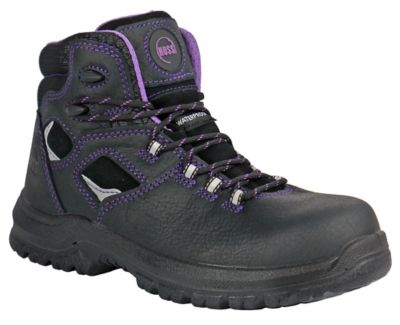
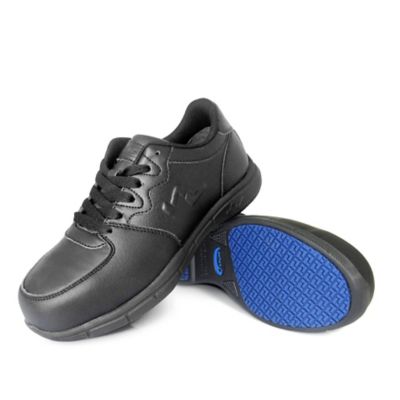
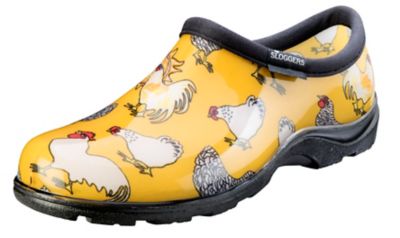
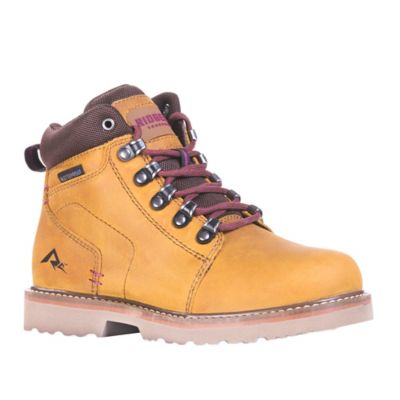
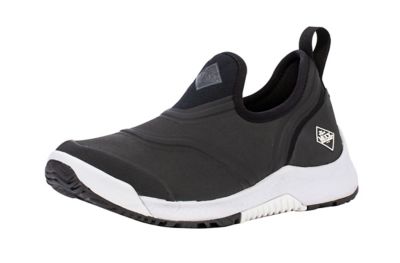
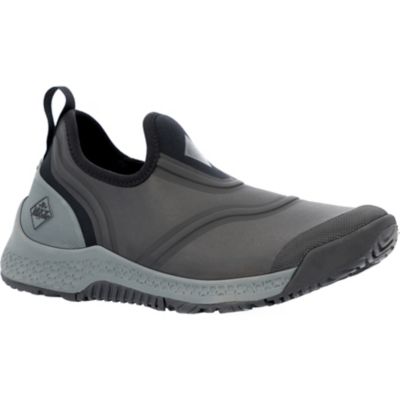
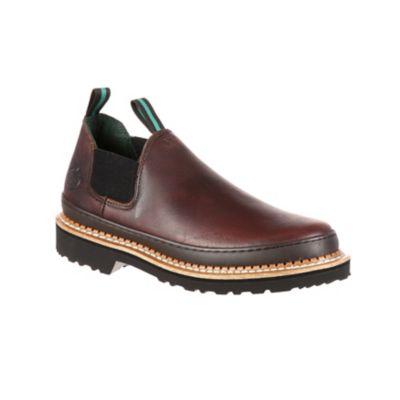
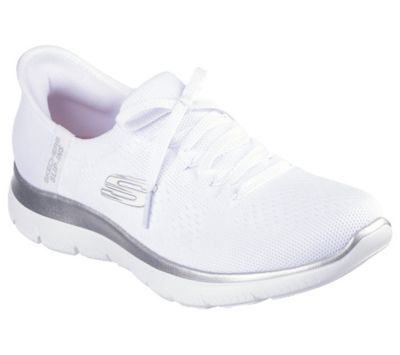
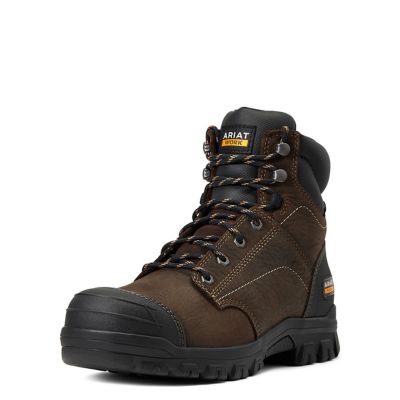
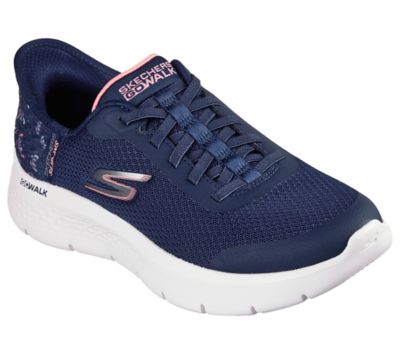
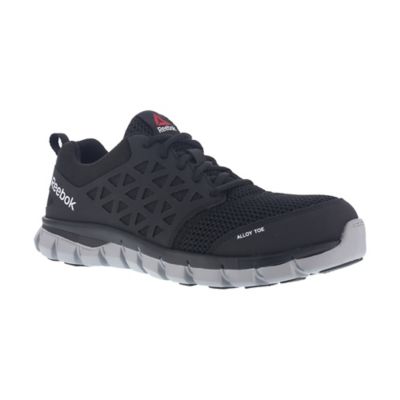
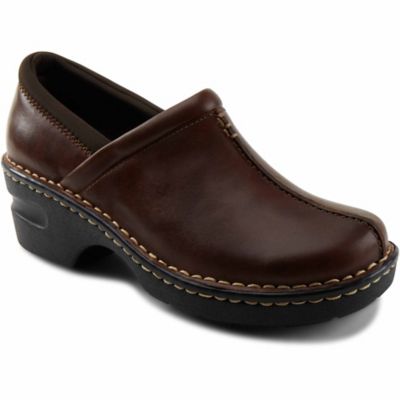
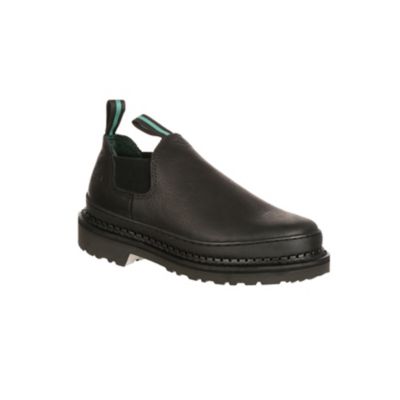
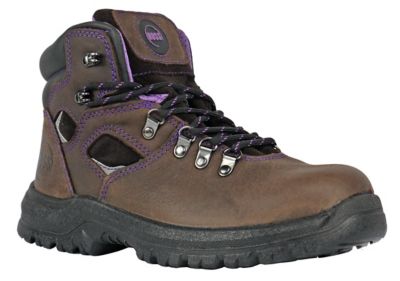
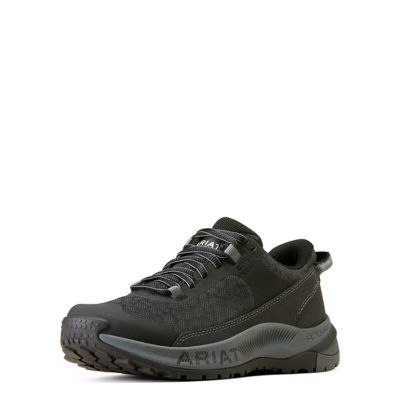
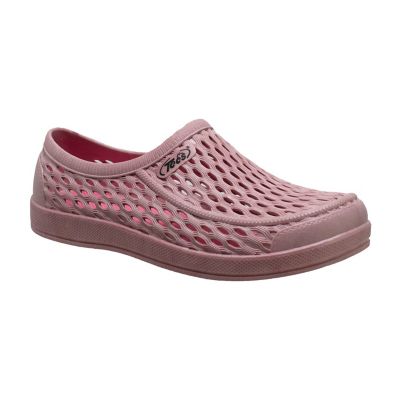
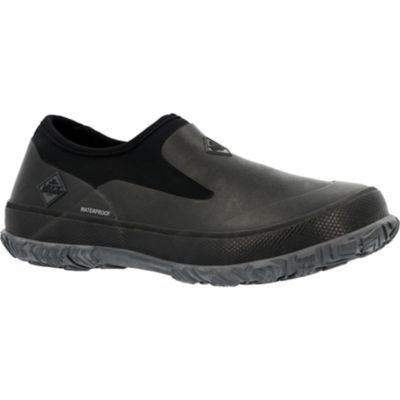
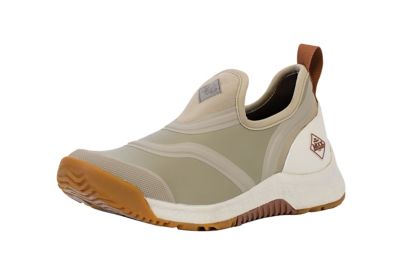
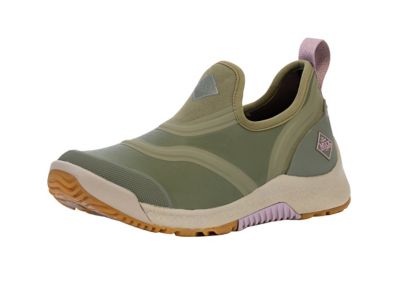
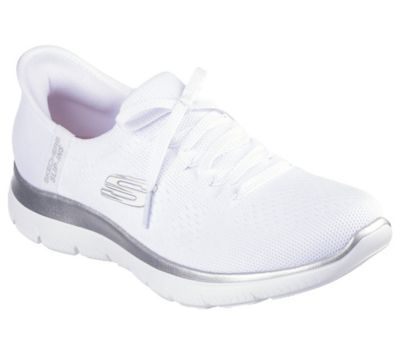
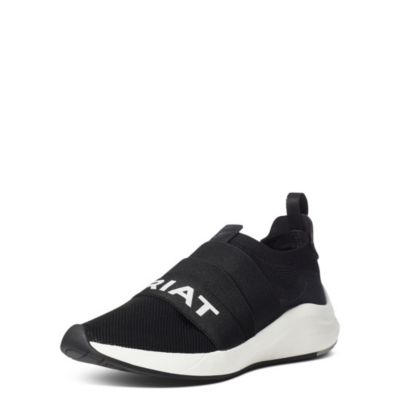
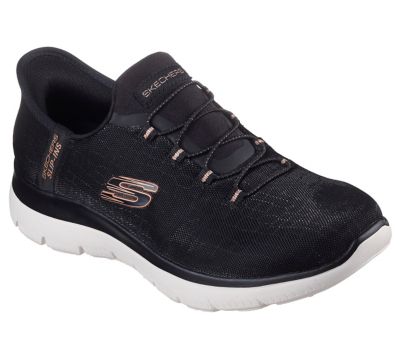
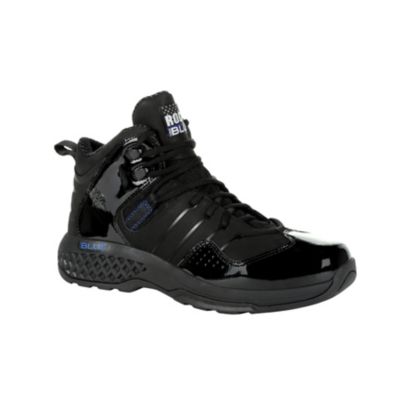
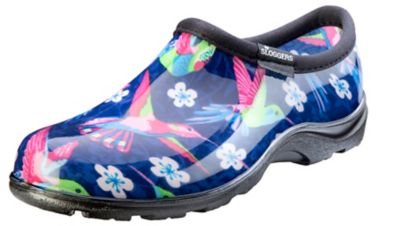
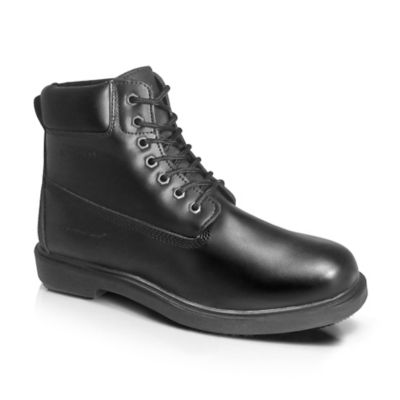
Women’s anti slip work shoes help bring steady footing and everyday comfort to jobs where floors can get wet, greasy, dusty, or slick. They are a practical choice for women working in restaurants, commercial kitchens, hospitals, clinics, grocery stores, warehouses, farms, garden centers, retail stores, and other busy workplaces where a long shift means plenty of standing and walking. A good pair can make a real difference when the day starts before sunrise and ends after hours on concrete, tile, or hard-packed ground. Look for outsoles made with slip-resistant rubber and tread patterns designed to channel away water, oil, and other spills. Some work shoes are tested to recognized slip-resistance standards, which can offer added confidence for food service and healthcare settings, though it is still important to check your employer’s footwear rules. Anti slip work shoes should fit securely without squeezing the toes or allowing the heel to slide. A stable heel, supportive upper, and laces, stretch panels, or another dependable closure can help keep the shoe in place while climbing steps, pushing carts, carrying feed, or moving from one task to the next. A roomy toe box is especially helpful when feet swell during a long shift, while a padded collar can reduce rubbing around the ankle. For anyone who spends most of the day on her feet, cushioning matters just as much as traction. EVA midsoles, memory foam footbeds, molded insoles, and built-in arch support may help ease pressure under the heel and ball of the foot. The best choice depends on the shape of your foot and the demands of your work, but a comfortable shoe should feel supportive rather than soft and loose. When trying on a pair, wear the socks you normally use on the job and check the fit later in the day, when your feet are closer to their largest size.
The work environment should guide the shoe’s upper material and safety features. Water-resistant leather, treated synthetic material, and wipe-clean finishes can be useful around sinks, wash bays, animal pens, loading areas, and food prep stations. Breathable mesh may feel cooler during warmer stretches of the year, especially for indoor jobs or active shifts, but it may not offer the same protection from puddles and spills as a more sealed upper. If wet grass, muddy walkways, or frequent rain are part of the routine, consider a pair with waterproof construction and a gusseted tongue that helps keep moisture from slipping in around the laces. You can also browse
Womens Waterproof Slip Resistant Shoes for footwear suited to damp working conditions. Keep in mind that waterproof and water-resistant are not always the same: waterproof designs are made to provide a higher level of moisture protection, while water-resistant materials may handle light splashes but can eventually soak through. Jobs involving tools, livestock, heavy equipment, or construction materials may call for protection beyond a slip-resistant sole. Check whether your workplace requires electrical hazard protection, a steel toe, or a composite toe before making a purchase. These features are designed for specific hazards and should meet the standards required for your job. For warehouse and farm work, a durable outsole with dependable traction can help on gravel, packed dirt, ramps, and shop floors, while a lighter athletic-style work shoe may be more comfortable for walking several miles indoors. Consider the height and flexibility of the shoe, too. Low-cut shoes are easy to move in and often feel cooler, while a higher collar can offer more ankle coverage in rougher conditions. A pair that can be wiped clean at the end of a shift is handy for anyone working around flour, grease, soil, sawdust, hay, or animal bedding. Let shoes dry fully between wears, remove loose dirt from the tread, and follow the care instructions for the upper material. Packed-in mud or grease can reduce traction, so regular cleaning is part of keeping work footwear dependable.
Women’s anti slip work shoes can also make a thoughtful, useful gift for a daughter starting her first restaurant job, a friend working long hospital shifts, a farmhand who spends the day moving between the barn and the yard, or a family member who is always on her feet at a busy store. They are especially practical for a new job, a return to work, or a change in seasons when wet sidewalks and muddy paths become part of the daily routine. If you are buying for someone else, pay close attention to her usual size, preferred width, work setting, and required safety features. A gift receipt or easy exchange option is helpful because fit varies from one foot shape to another. For personal use, think through a typical day from the first step out the door to the final cleanup. Someone working in a kitchen may prioritize oil-resistant tread and a smooth, easy-clean upper. A healthcare worker may value lightweight cushioning, arch support, and a quiet sole for long walks across hard floors. A retail or warehouse worker may need a breathable shoe that stays comfortable through repeated bending, lifting, and walking. A gardener, ranch hand, or animal care worker may prefer waterproof protection, sturdy construction, and traction that holds on wet ground. During the warmer part of the year, breathable materials and moisture-wicking socks can help keep feet more comfortable; as cooler weather settles in, room for thicker socks and protection from damp ground may become more important. No matter the job, replace work shoes when the tread is worn smooth, the midsole feels compressed, the upper no longer holds the foot securely, or water begins entering through damaged seams. Fresh, properly fitted footwear will not replace safe work habits, but it can support confident movement through the long days, quick turns, slick spots, and changing surfaces that come with real work.