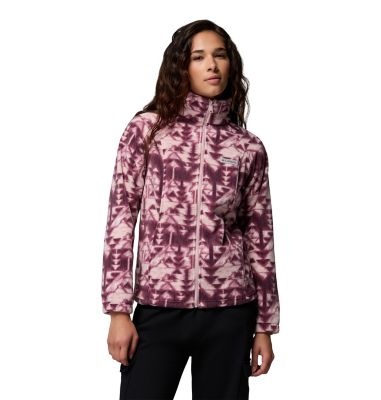
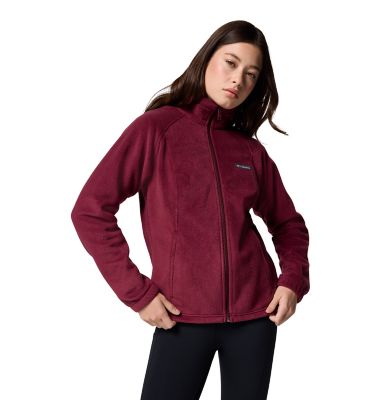
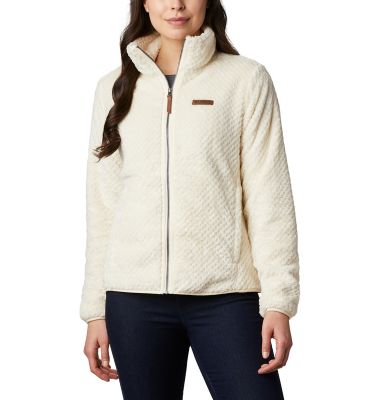
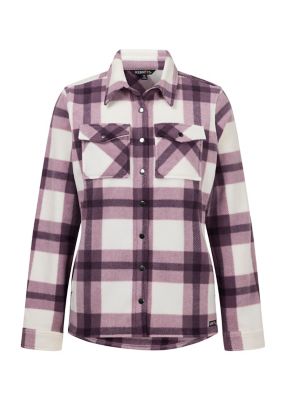
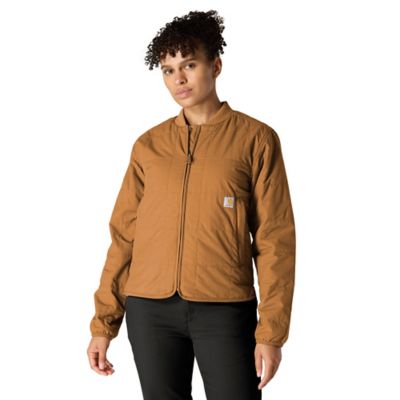
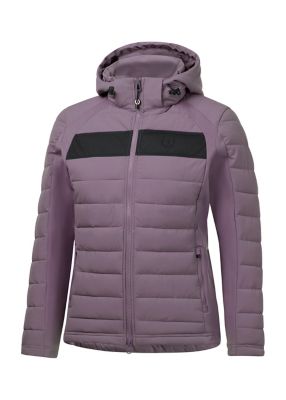
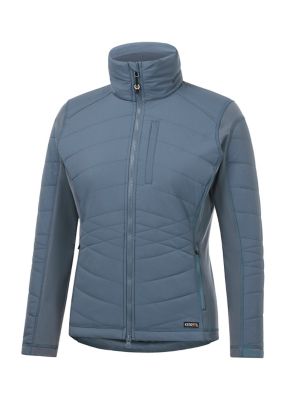
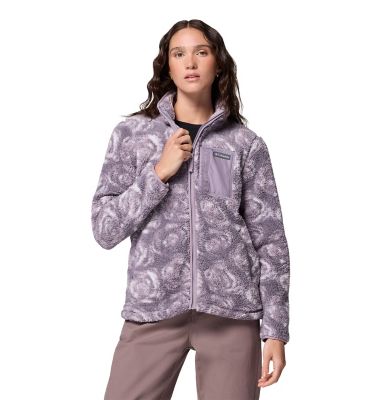
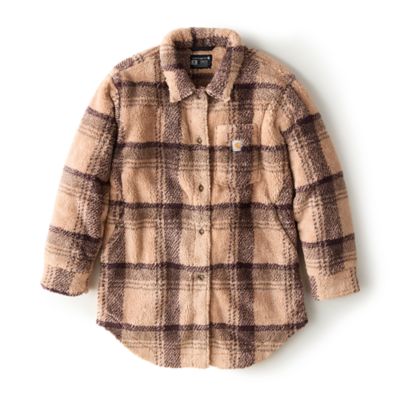
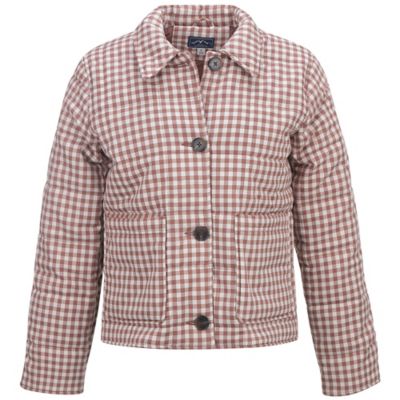
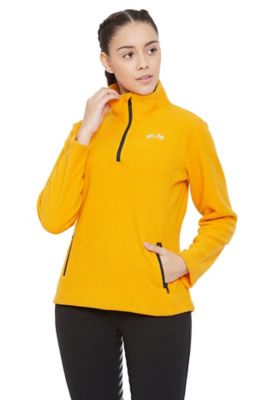
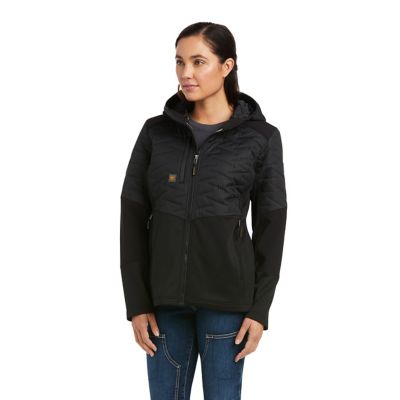
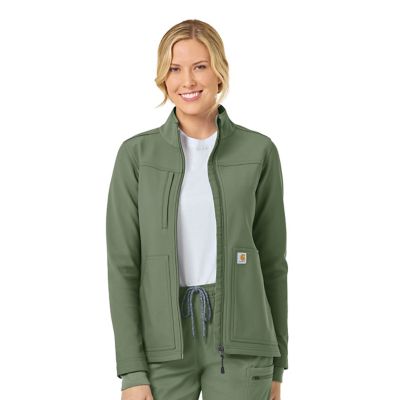
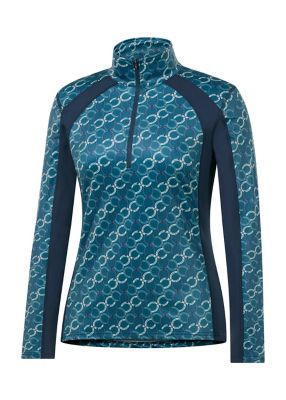
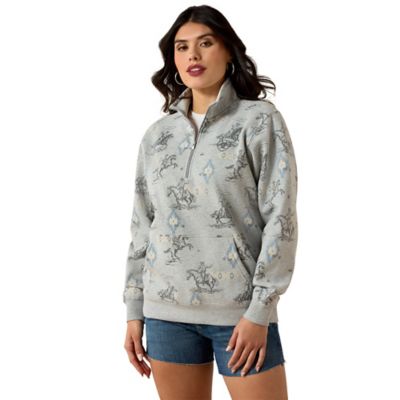
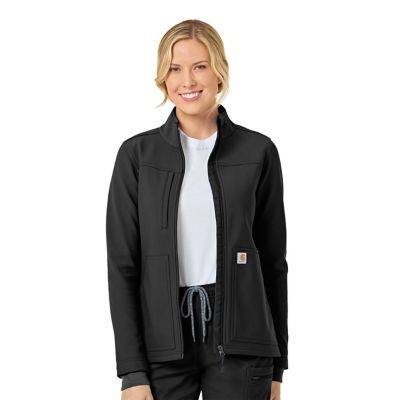
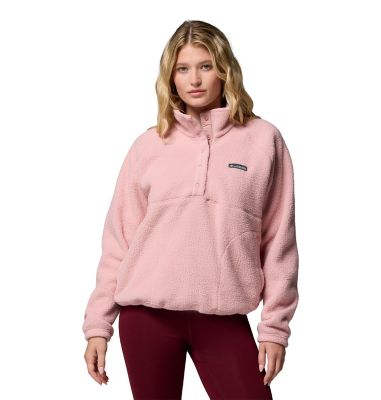
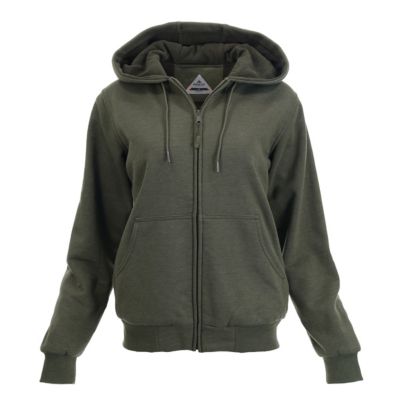
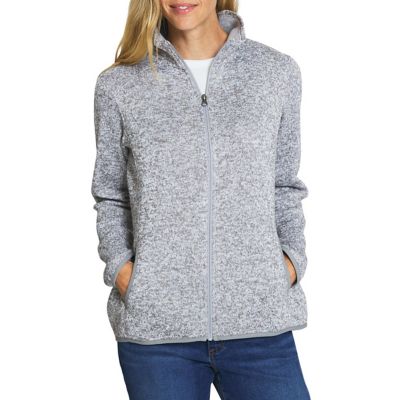
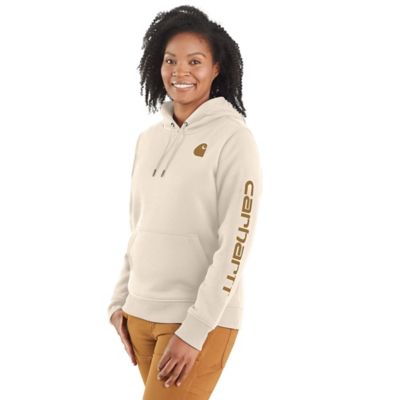
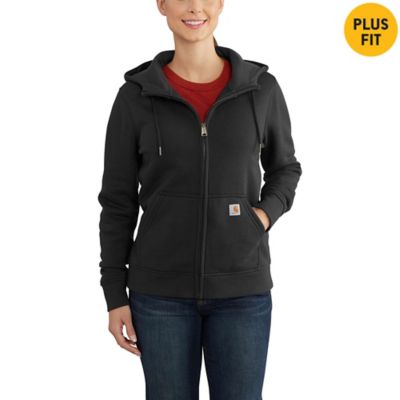
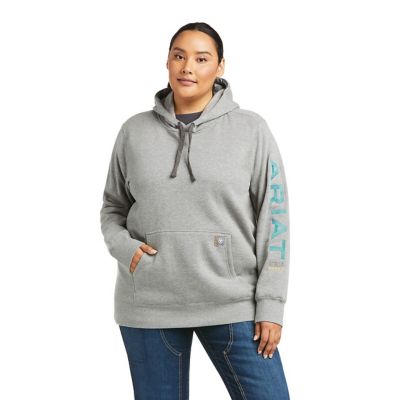
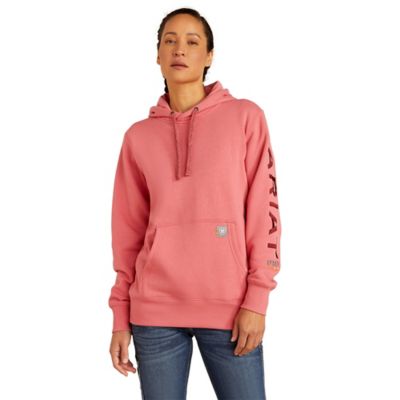
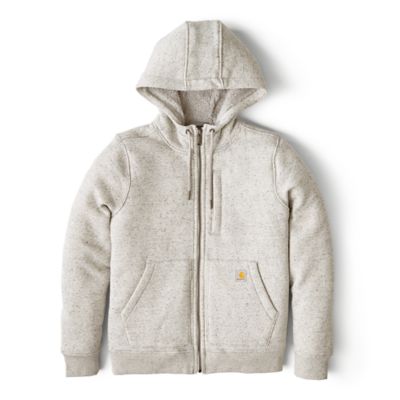
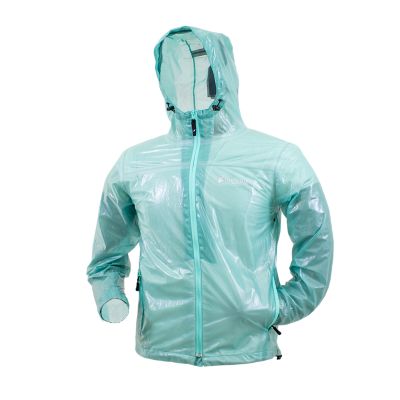
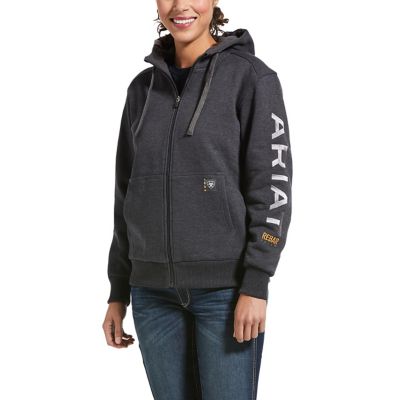
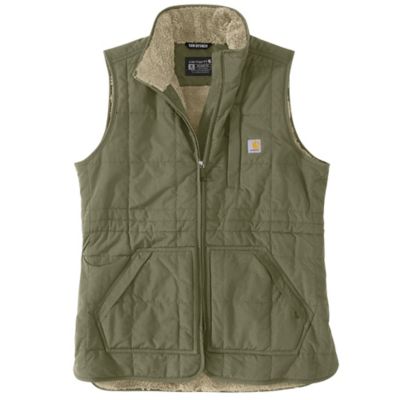
Women's lightweight fleece jackets offer soft, breathable warmth in an easy-to-layer shape, making them a practical choice for everyday wear, outdoor chores and active outings. Most fleece fabrics are made with polyester fibers that create a brushed surface, helping hold warm air close to the body without the weight of a heavy coat. Microfleece generally has a fine, low-profile feel that slips comfortably beneath another jacket, while fabrics with a more noticeable pile can feel loftier against a shirt. Fabric weight, knit construction and the amount of stretch all affect how a jacket feels, so the word “lightweight” does not tell the whole story. A smooth-faced fleece may slide more easily under a shell, while a soft brushed interior adds comfort over a short-sleeve tee. Some fabrics include elastane or spandex for extra give when reaching across a gate or bending to fill a water bowl. Lightweight fleece works well for women who want a layer they can wear around the property, take along on a trail or keep handy for errands after chores. It also packs down more easily than many heavier jackets, leaving room in a daypack for gloves, snacks and other essentials. For steady walking or an uphill stretch, a lighter fleece can provide warmth while allowing some body heat to escape. For standing still on an open hillside, it may need help from an outer layer. Ordinary fleece is not waterproof, and an open fabric structure can let wind pass through. That makes it especially useful as a middle layer when conditions call for more coverage. Everyday fleece jackets tend to emphasize a relaxed feel and convenient pockets, while styles intended for active outings may put more emphasis on stretch, ventilation and a closer fit. Neither approach is right for every task; comfort depends on how the jacket fits into the rest of your clothing and the work or activity ahead.
Fit makes a noticeable difference in how a women's lightweight fleece jacket wears through a full day. A comfortable shoulder seam and enough room across the upper back let you reach for a truck door, carry a feed scoop or hold a leash without the fabric pulling tight. Sleeves should cover the wrists with arms extended, but cuffs should not hang over the hands or interfere with a firm grip. A closer-fitting jacket usually layers neatly beneath a coat, while a roomier cut leaves space for a sweatshirt or a thicker base layer. Too much extra fabric can bunch beneath outerwear; too little room can restrict movement and compress the layers underneath. The hem matters, too. A slightly longer back can add coverage when bending over, while a hip-length cut may feel less restrictive when sitting in the cab or climbing steps. Stretch panels, shaped seams and flexible fabric can help a jacket move with the body, though the overall cut still needs to feel right. Full-length zippers make it simple to adjust ventilation during a brisk walk or take the jacket off without pulling it overhead. A zipper guard at the chin can help keep the top edge from rubbing, and a stand collar adds coverage without the extra fabric of a hood. Hooded styles offer another option for casual wear, especially when a separate hat is not along for the ride. Pockets deserve a closer look beyond their placement. Zippered pockets can help keep keys from slipping out when crouching beside a garden bed, while open hand pockets are easy to reach into between tasks. A chest pocket may keep a small essential within reach, depending on its dimensions. Pocket linings, cuff construction and hem adjustments also affect everyday comfort. For chores around rough boards, wire or brush, a protective outer layer can help limit snags and abrasion on the fleece surface.
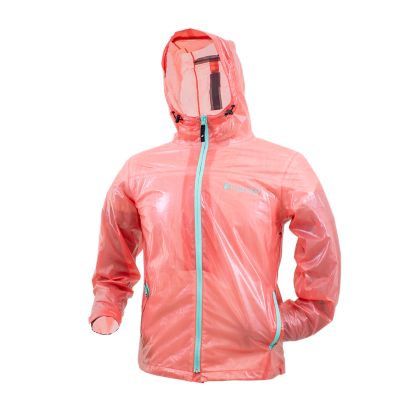
Keeping lightweight fleece comfortable over time starts with the care label, since fabric blends, trims and finishes can call for different handling. Gentle washing with similar fabrics often helps limit pilling and keeps the brushed surface from collecting lint. Closing zippers before washing can reduce catching, and turning a jacket inside out may help protect its outer face. Towels and garments with rough fasteners can be hard on soft fleece, so separating them makes sense when the label allows machine washing. High heat can damage synthetic fibers or affect the way a garment fits; air drying or a low dryer setting may be appropriate according to the garment's directions. Fabric softener is best avoided when the care label advises against it, particularly with fabrics intended to move moisture away from the skin. Small pills can develop where a seat belt, backpack strap or sleeve repeatedly rubs the fabric, and their appearance does not necessarily mean the jacket has lost its usefulness. Sound seams, securely attached pockets and a zipper that runs smoothly all contribute to a layer that holds up through repeated wear. Between washes, giving fleece a chance to air out can help keep it ready for the next outing. For wet conditions,
women's lightweight rain jackets can provide a separate outer layer, with enough room underneath for fleece and comfortable movement. Matching the layers matters more than choosing the thickest jacket: a breathable fleece, a suitable base layer and an outer shell each serve a different purpose. A lightweight fleece jacket can also make a thoughtful gift for someone who spends time walking dogs, tending animals, traveling or cheering from the sidelines. Familiar measurements, preferred sleeve length and whether the recipient likes a hood are more helpful than guessing from appearance alone. The right combination of fabric, fit and practical details makes fleece an easy layer to reach for, whether the day involves a long walk, a drive into town or another round of chores before heading inside.