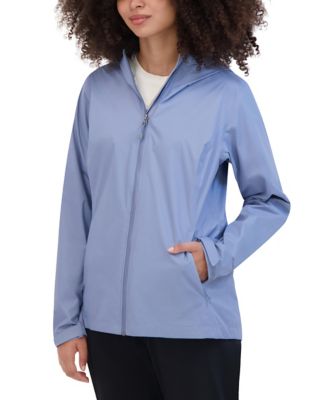
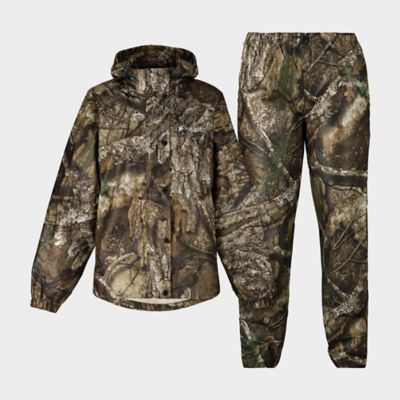
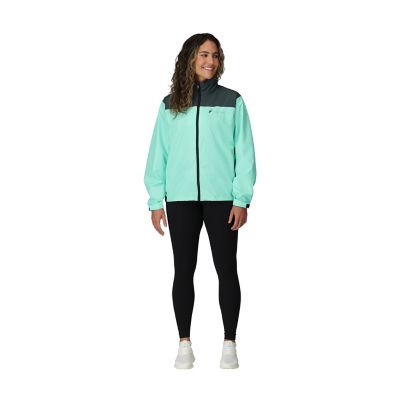
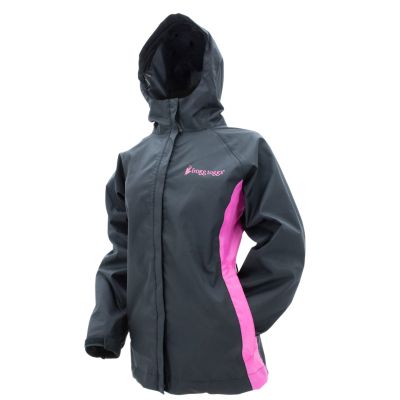
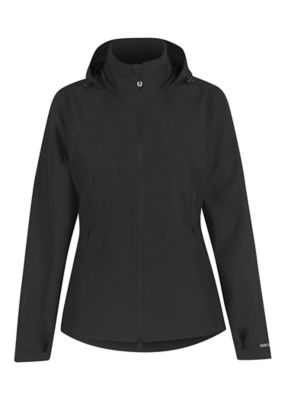
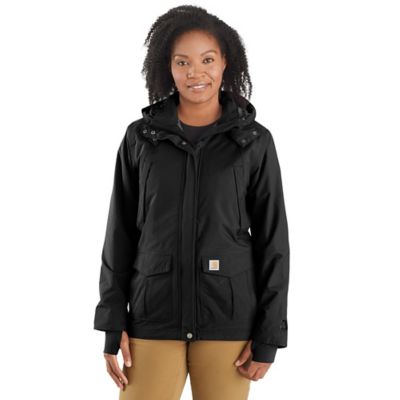
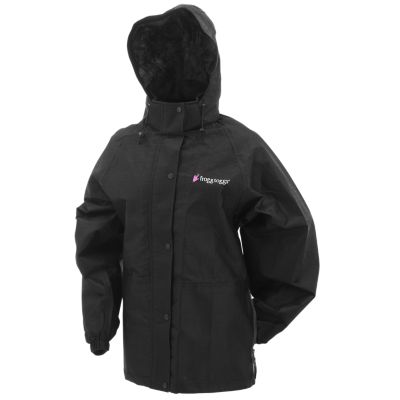
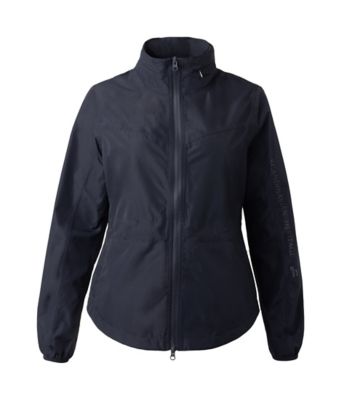
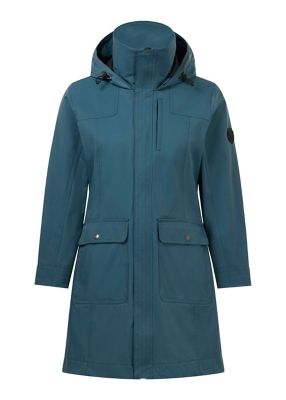
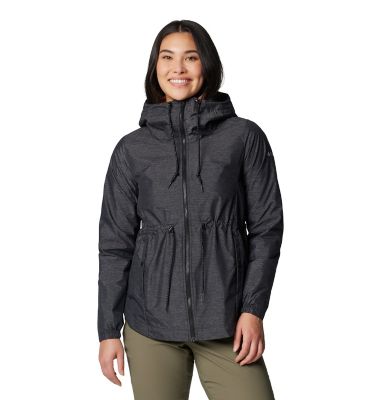
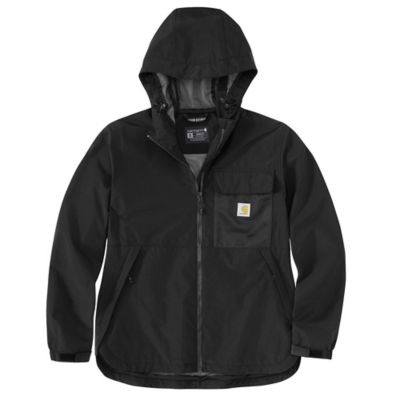
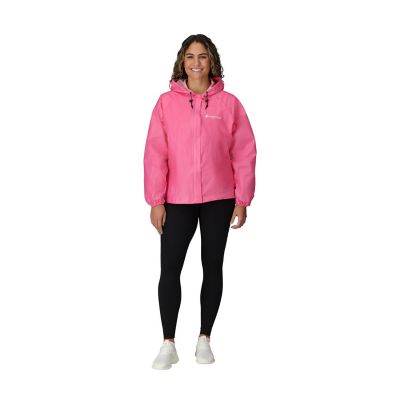
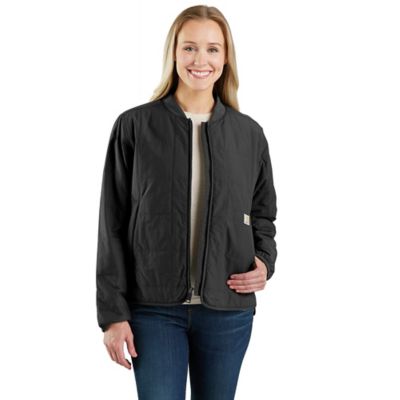
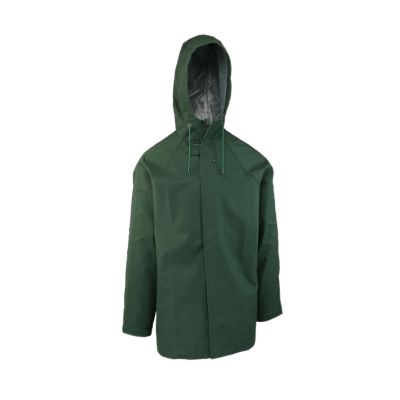
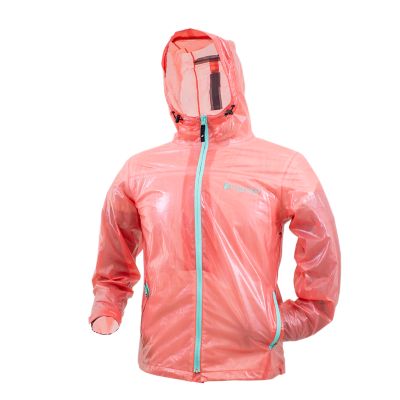
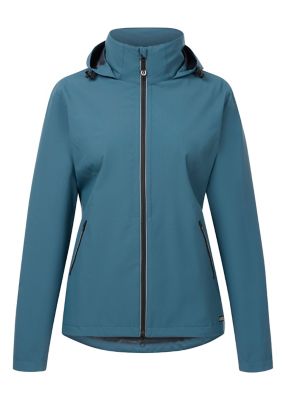
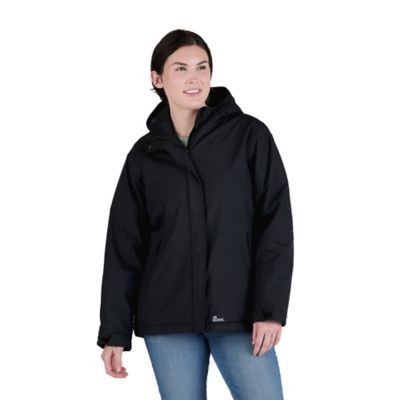
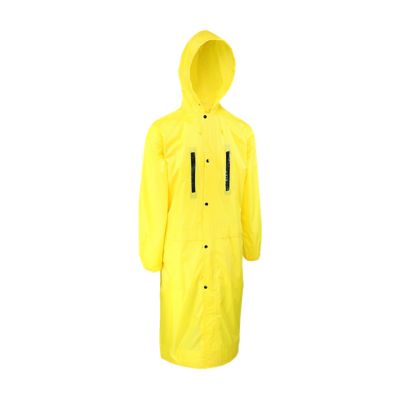
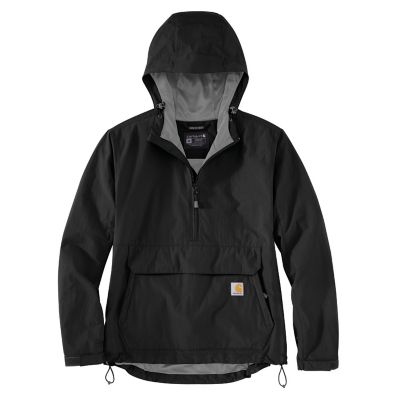
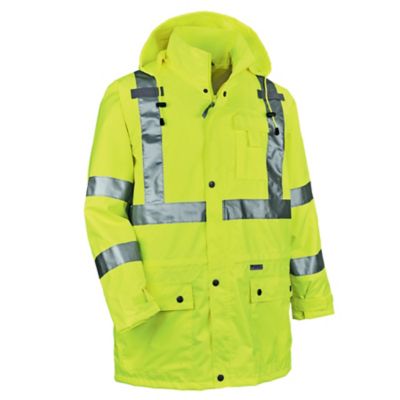
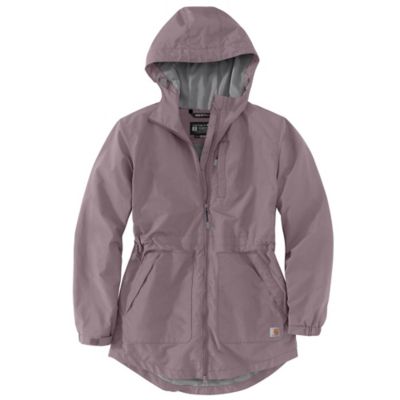
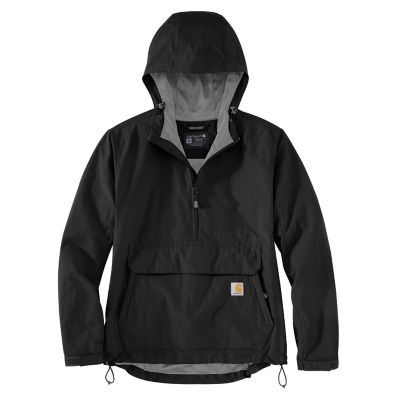
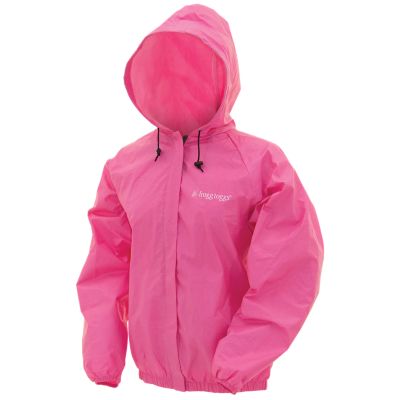
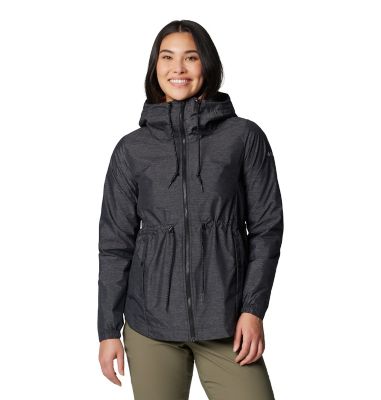
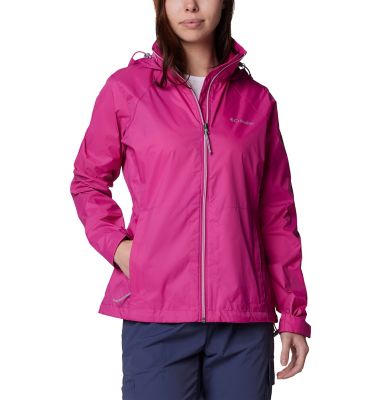
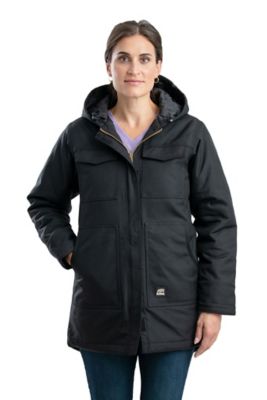
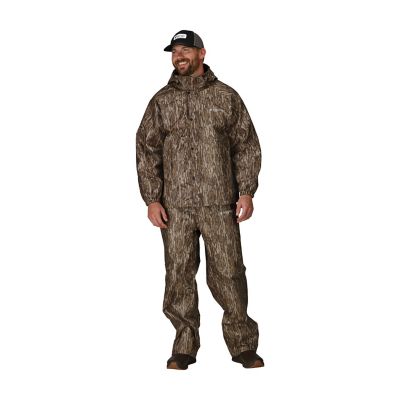
Women’s hiking rain jackets help keep a good walk from turning into a soggy trip back to the truck. Whether the trail follows a creek bottom, climbs a rocky ridge, or winds through the woods behind the house, a rain jacket needs to handle more than a few drops on the shoulders. Steady rain, wet brush, and water dripping from low branches all put different demands on a shell. Water-resistant fabric can shed light moisture for a spell, while waterproof construction is better suited to longer stretches of rain. The fabric is only part of that protection: sealed seams, covered or water-resistant zippers, and a well-shaped hood help close the places where water can work its way inside. A water-repellent finish encourages droplets to bead on the surface, but that finish alone does not make a jacket waterproof. Nylon and polyester are common shell materials, with options ranging from thin, packable fabrics to more substantial weaves. For hiking through brush or carrying a loaded daypack, fabric weight and reinforcement at high-friction areas deserve attention. A jacket that spends most of its time tucked into a pack has a different job than one worn for hours beneath shoulder straps. Breathability matters, too, especially on a climb where the effort builds even when the air feels cool. Waterproof-breathable membranes and coatings help moisture vapor escape, though their performance depends on the conditions and how hard you’re moving. Underarm vents and an easy-to-adjust front zipper provide another way to release heat before sweat starts soaking the layers underneath. Even a breathable shell can feel clammy during a steep uphill stretch, so ventilation is more than a nice extra. Unlined shells, jackets with a separate lining, and styles with a protective inner layer can also feel different against bare forearms. Smooth linings slide more easily over fleece, while lighter constructions may take up less room beside a water bottle and lunch. Those differences matter when a jacket goes on and off several times over the course of a trail day.
Fit makes a big difference once you leave the parking area and start reaching, bending, and climbing. Women’s hiking rain jackets should leave enough room for the layers underneath without hanging so loosely that extra fabric catches on brush or gets in the way of a pack belt. A close-fitting shell may work well over a light trail shirt, while a roomier cut makes more sense over fleece or another insulating layer. Shoulder movement is especially important when stepping over a fallen tree, planting trekking poles, or lifting a pack onto your back. Shaped sleeves and room through the upper back can make those motions easier without pulling the hem far above the waistband. Jacket length is another practical choice: a little extra coverage helps keep runoff away from the seat of your pants, but a very long hem can restrict a high step onto a rock or log. An adjustable hem lets you draw the jacket closer when wind pushes rain sideways. Cuffs that snug around the wrists help keep sleeves from dragging through wet leaves and limit water sneaking in around gloves. The hood deserves just as much attention as the body fit. Adjustments at the face and back of the head help it move with you rather than slipping over your eyes when you look down at your footing. A shaped brim can direct drips away from your face, and a comfortable collar matters when the zipper is pulled all the way up. Pocket placement becomes noticeable under a backpack: higher pockets may stay within reach above a hip belt, while lower hand pockets can feel more natural for an easy walk. Zipper pulls that are easy to grasp with chilly fingers save some fumbling at a trail junction. For phones, maps, and other belongings that cannot get wet, a separate waterproof pouch adds protection beyond a jacket pocket. Color is worth considering as well, whether you prefer an earth tone for everyday wear or a brighter shade that helps companions spot you along a wooded trail.
The right rain jacket also fits the kind of outing you have in mind. A light shell that packs into a small space makes sense for short hikes with a chance of showers, while extended walks in steady rain call for closer attention to coverage, seam construction, and ventilation. Cold rain brings another consideration: most uninsulated shells block wet weather without adding much warmth on their own. Leaving room for a fleece or insulating layer makes it easier to stay comfortable when the pace slows for lunch or a break at an overlook. For outings where added warmth is a bigger priority,
Womens Warm Rain Jackets offer another direction to explore. A hiking shell can also earn its place on muddy campground walks, trips down a gravel lane, and damp mornings checking a fence line, provided its features suit the task. Regular care helps keep that protection working. Trail dirt, body oils, and residue can interfere with a jacket’s outer finish and breathability, so cleaning according to the garment label matters more than waiting until it looks muddy. Some waterproof fabrics need particular detergents and drying methods; fabric softener and other laundry additives may be unsuitable. When water stops beading on the surface, the outer finish may need attention even if the waterproof layer underneath remains intact. Any treatment or heat activation should follow the jacket maker’s directions. After a wet hike, letting the jacket dry fully before putting it away helps prevent musty odors and mildew. Leaving a damp shell compressed in a daypack between outings can shorten its useful life, while hanging it in a dry spot makes inspection and airing out easier. For a gift, the recipient’s usual layers, preferred fit, and hiking habits are better starting points than color alone. A jacket that fits comfortably over her favorite fleece and works with her pack is one she can reach for whenever the trail looks worth a little rain.