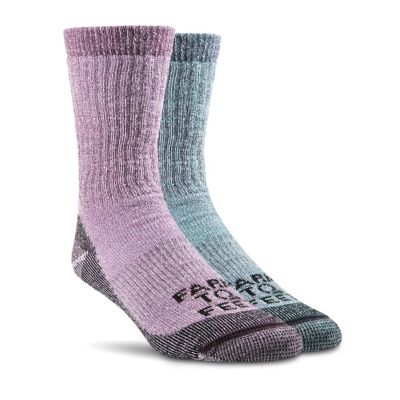
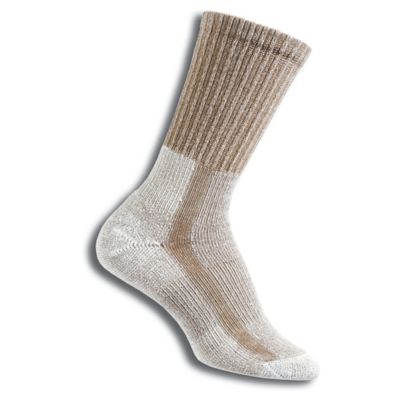
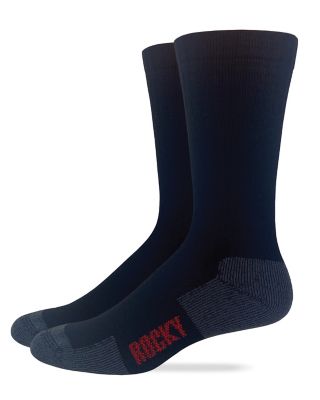
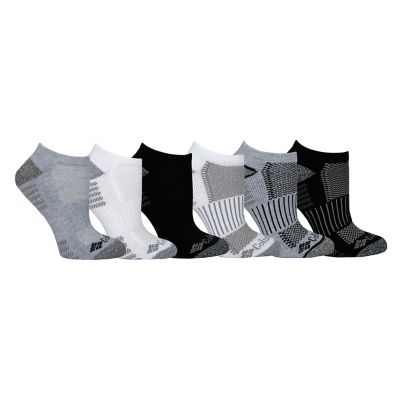
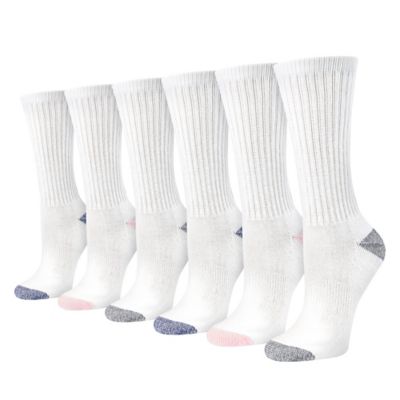
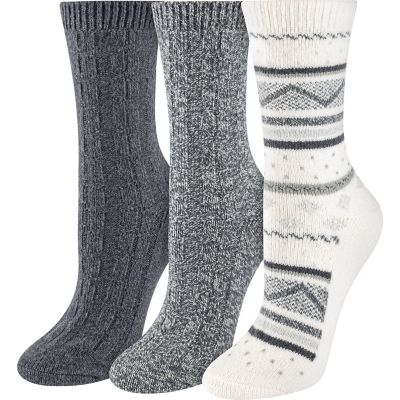
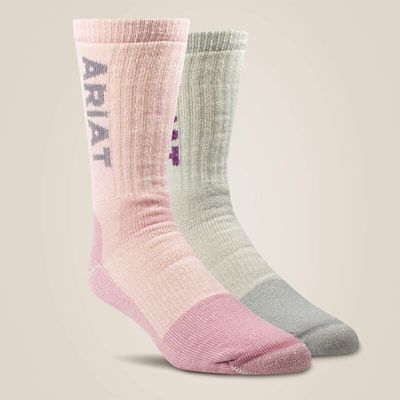
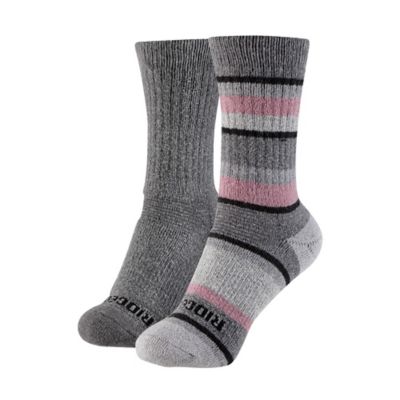
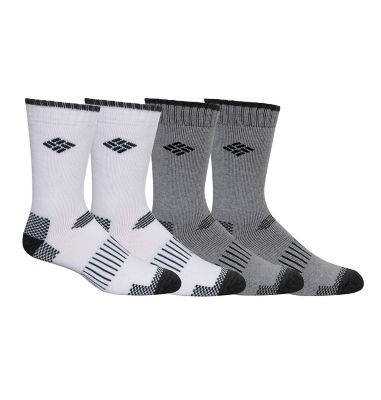
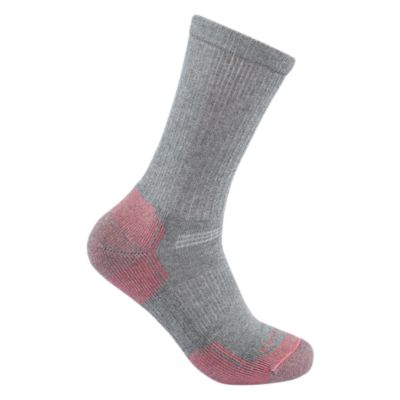
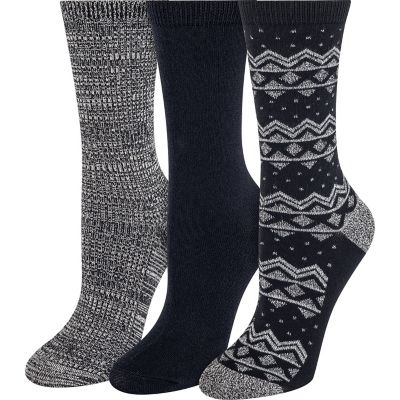
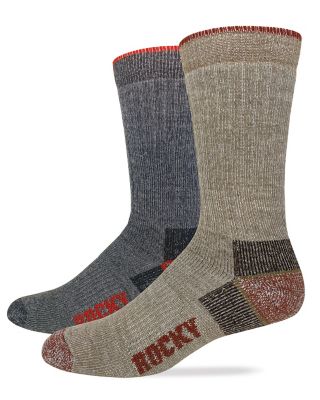
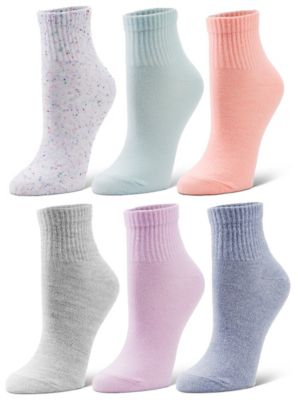
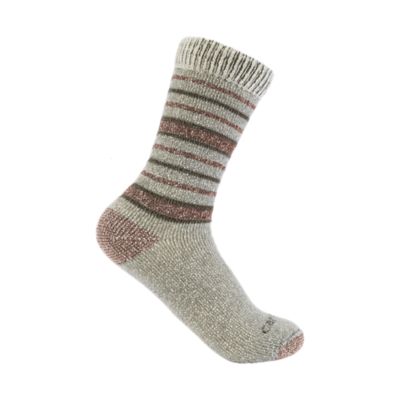
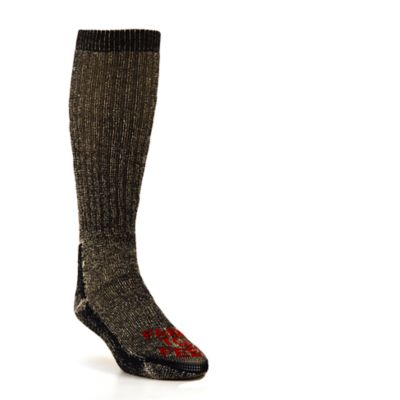
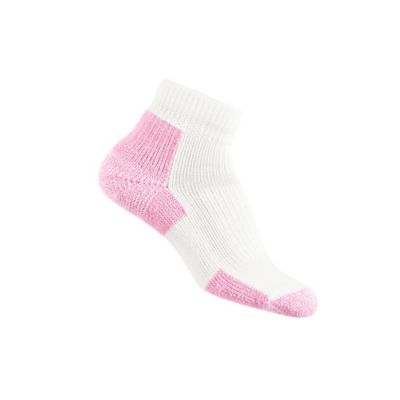
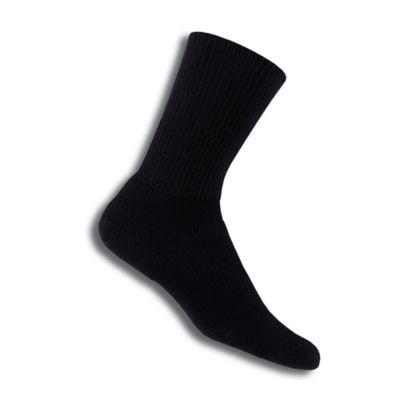
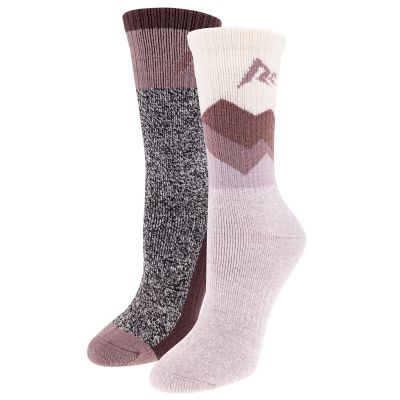
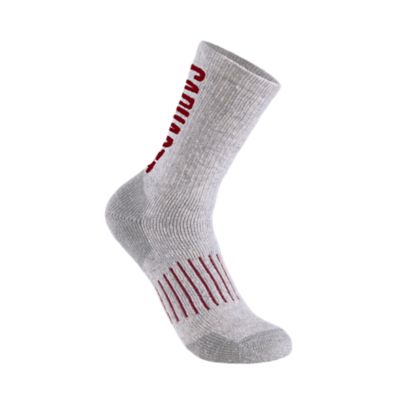
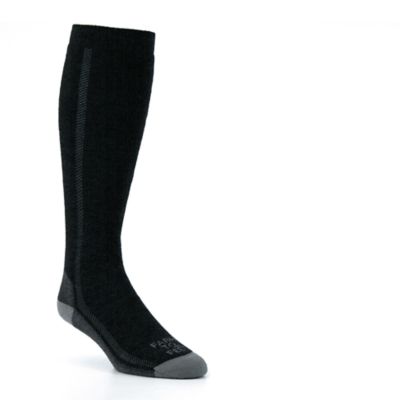
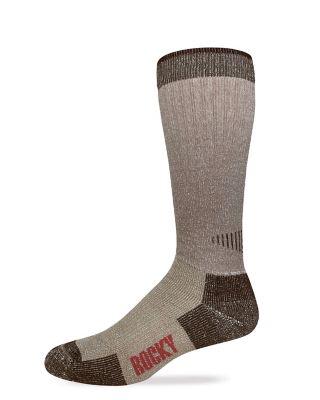
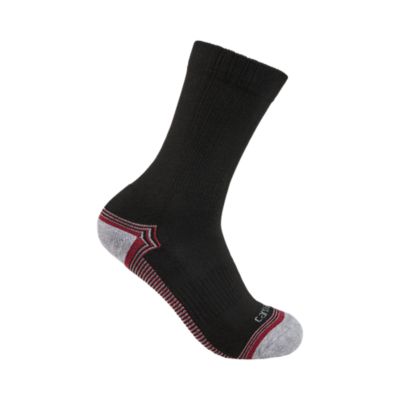
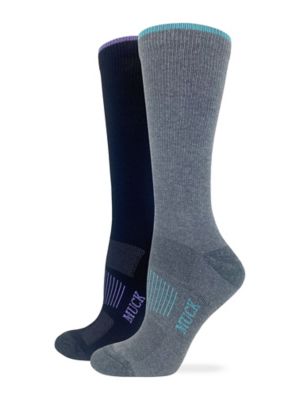
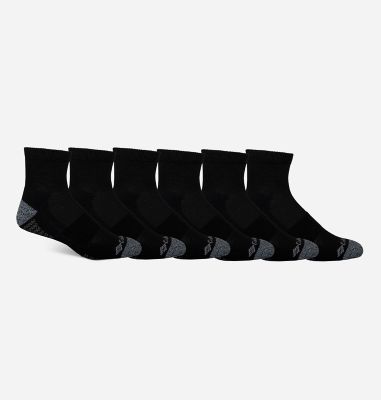
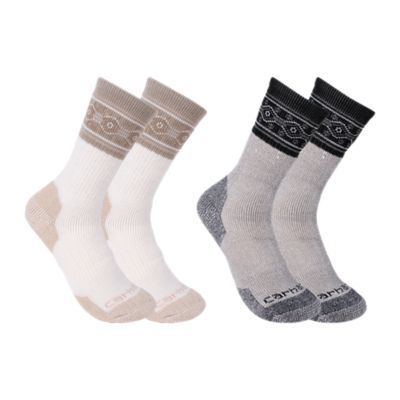
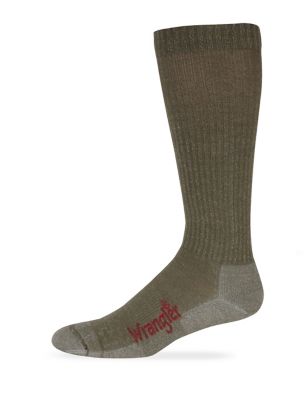
Women's hiking socks help keep every step more comfortable, whether the trail winds through a shady patch of timber, climbs over rocky ground, or follows a flat gravel path around the farm. Unlike everyday socks, hiking socks are made with outdoor miles in mind, using materials and construction that help manage moisture, reduce rubbing, and cushion the places that take the most wear. Merino wool blends are a popular choice because wool helps regulate temperature, stays warm when damp, and resists odors better than many basic fibers. Synthetic fibers such as nylon, polyester, and elastane are often added to improve durability, stretch, and shape retention. Cotton can feel soft at first, but it tends to hold moisture against the skin, which may leave feet clammy and more prone to hot spots during a long walk. A well-fitting pair should sit smoothly inside the shoe without bunching at the toes, sliding down at the heel, or squeezing around the ankle. A seamless or low-profile toe can help limit pressure across the front of the foot, especially when feet swell a little after several hours on the trail. Reinforced heels and toes add useful durability, while breathable knit zones can help release heat during warmer hikes. These details matter on more than backcountry adventures; they can also make a difference during camping trips, outdoor chores, travel, nature walks, and long days spent on your feet.
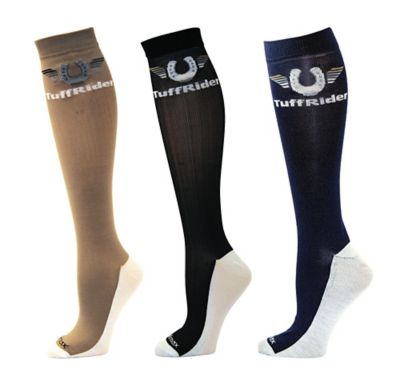
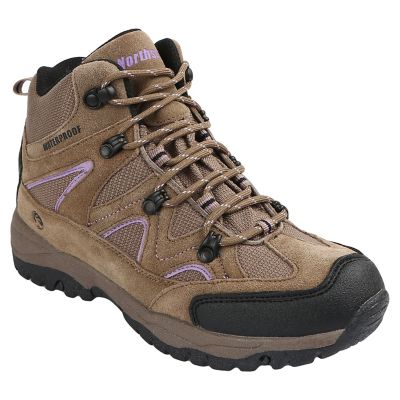
Cushioning and sock height are two of the most important details to consider when choosing women's hiking socks. Light cushioning works well for warm conditions, low-profile trail shoes, and hikers who prefer a closer connection to the ground. Medium cushioning offers a balanced feel for general day hikes, uneven terrain, and traditional hiking shoes, with extra padding under the heel and forefoot to soften repeated impact. Thicker cushioning can be helpful in rugged boots or for anyone who appreciates a plusher feel, though it should not make the footwear tight. A sock that is too thick for the shoe can restrict movement and create the same pressure points it was meant to prevent. Height should work with the footwear as well. Quarter or micro-crew styles pair neatly with trail runners and lower hiking shoes, while crew and boot-height socks provide more coverage with taller footwear. That extra fabric can help keep boot collars from rubbing the lower leg and can add a bit of protection from brush, dust, and cool air. Look for a snug, supportive fit around the arch and heel, but avoid anything that leaves deep marks or feels restrictive. Before heading out, try the socks with the shoes you plan to wear, then walk around the house or barnyard for a few minutes. A small fit issue that seems harmless indoors can become a sore spot after miles of climbing and descending. As the weather warms, breathable knits and lighter cushioning can help feet stay comfortable; during cooler months, a wool-rich blend and fuller coverage can add welcome warmth without relying on bulky layers.
Women's hiking socks are a practical choice for hikers of all experience levels, from someone building confidence on short local trails to an experienced backpacker covering steep ground with a loaded pack. They can also be a thoughtful gift for a daughter, sister, spouse, friend, or outdoor-loving coworker, especially when paired with other useful trail essentials. A fresh pair fits easily into a daypack, camping tote, or travel bag and can be appreciated long after a special occasion has passed. Consider the recipient's usual footwear, preferred trail length, and climate when selecting a style. Someone who spends summer weekends in lightweight trail shoes may prefer a lower profile and light cushion, while a person who wears sturdy boots on wooded paths may want a taller sock with medium or heavier padding. For a practical outdoor wardrobe, pair hiking socks with
Women's Hiking Clothing, layering pieces, and dependable footwear suited to the terrain. It is also smart to carry an extra pair on longer outings. A creek crossing, unexpected rain, or morning dew can leave feet damp, and changing into dry socks can make the rest of the walk much more pleasant. After use, follow the care instructions on the label; many wool blends hold up best with gentle washing and low-heat drying, while high heat can shorten the life of elastic fibers. With the right material, cushioning, height, and fit, women's hiking socks offer simple everyday comfort that stands up to dusty paths, cool trailheads, and miles of steady walking.