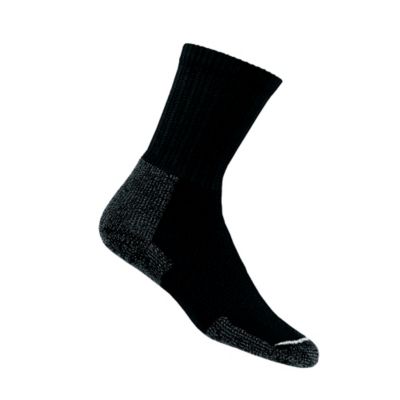
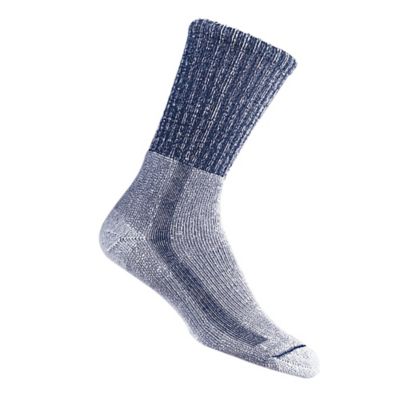
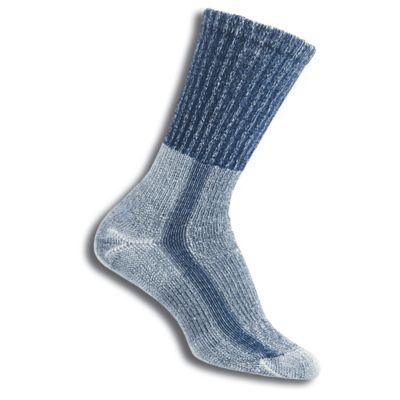
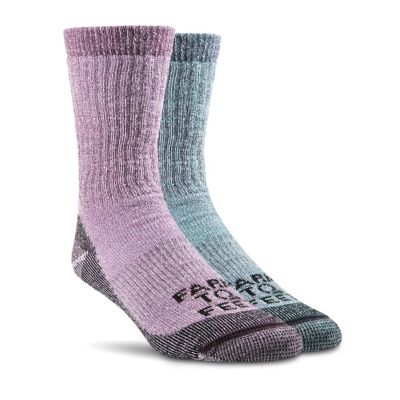
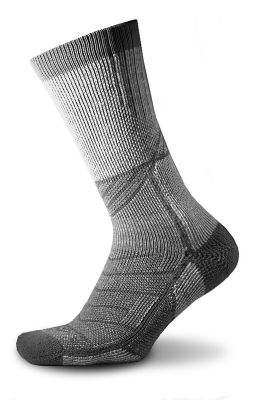
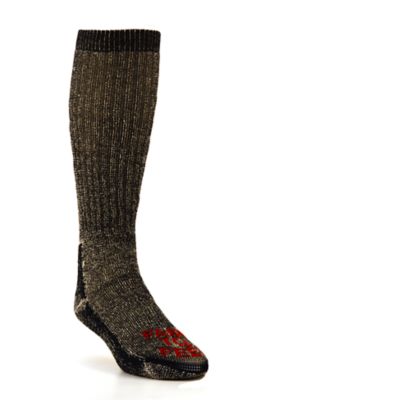
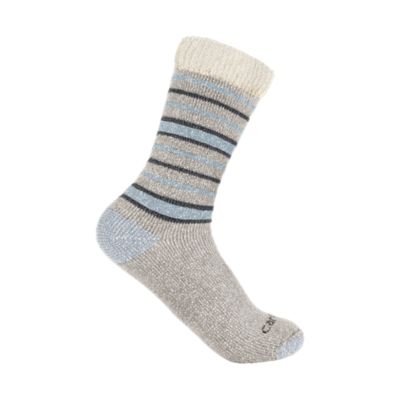
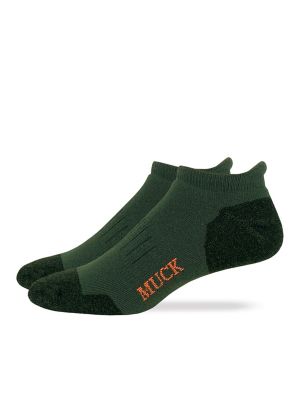
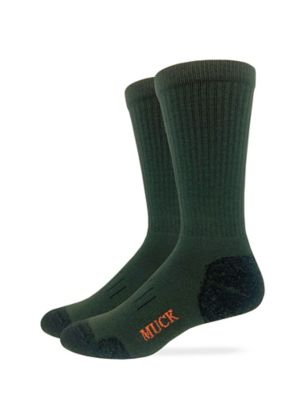
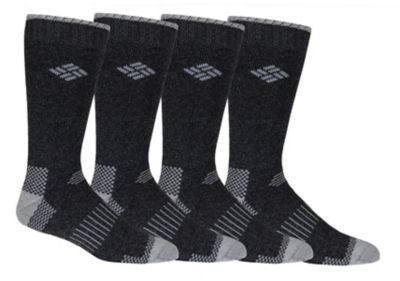
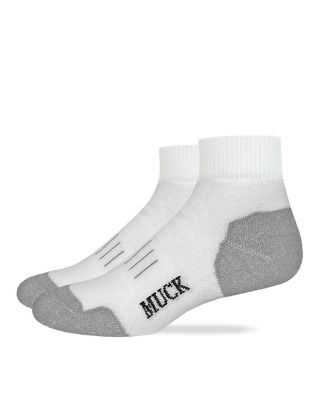
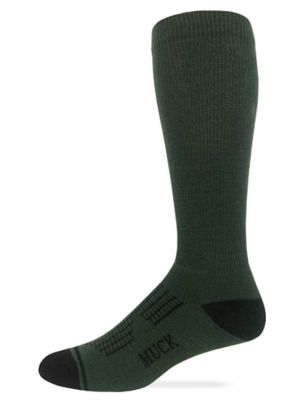
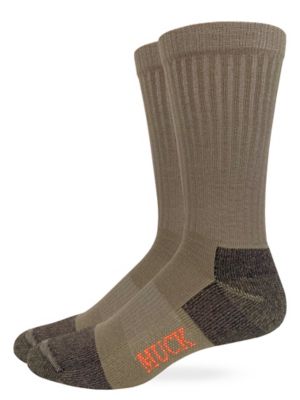
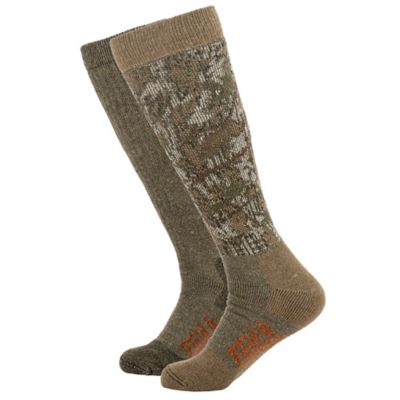
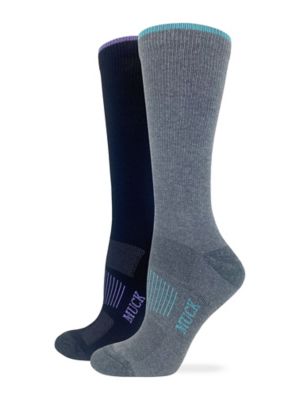
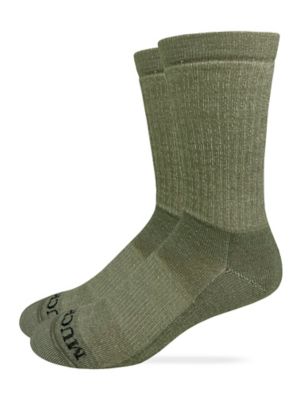
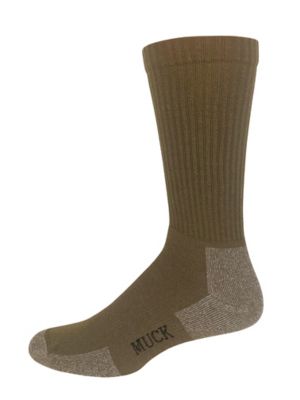
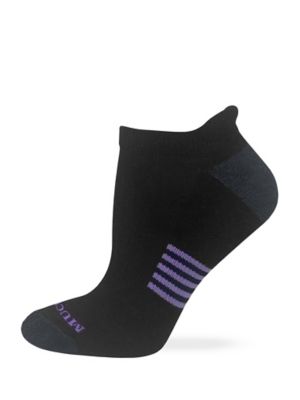
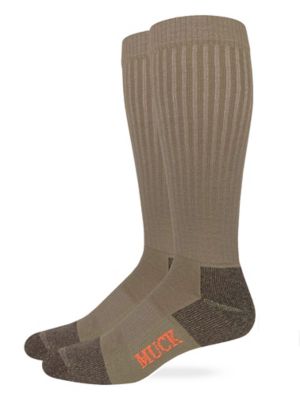
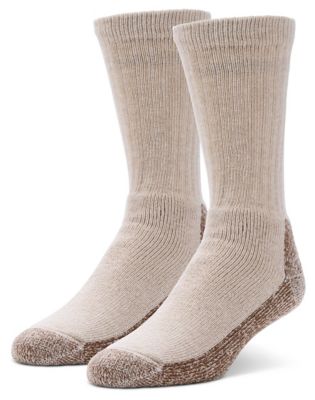
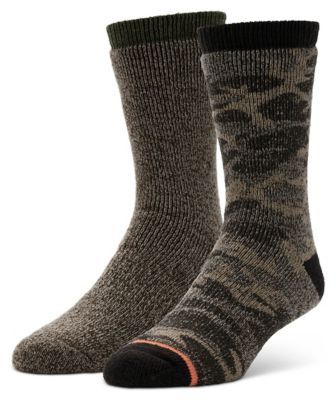
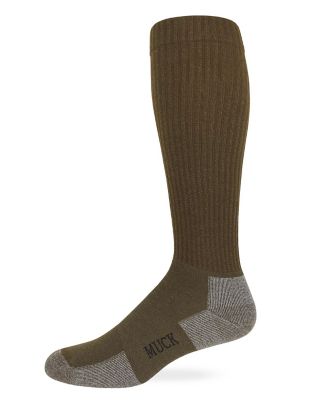
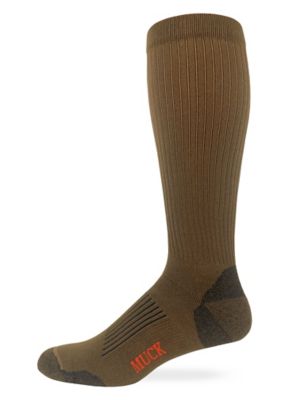
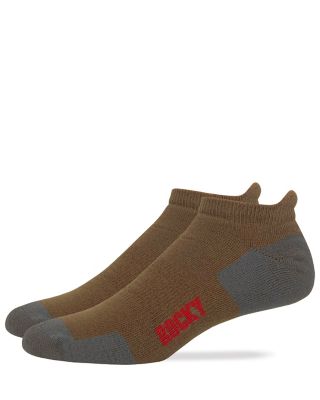
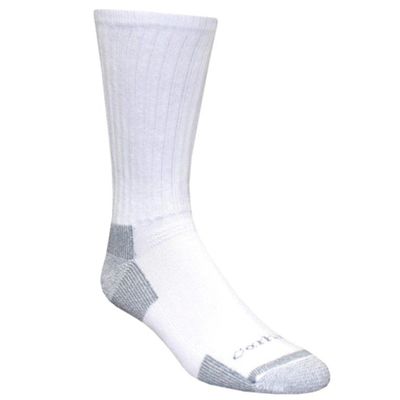
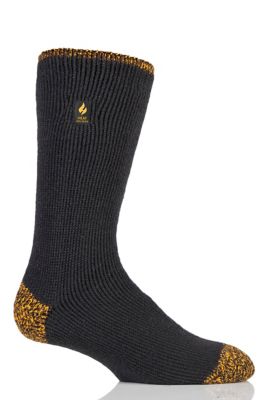
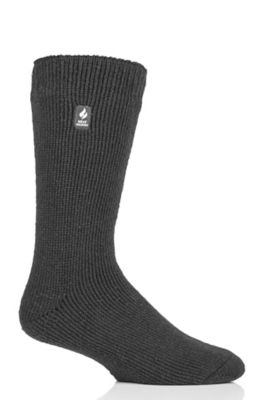
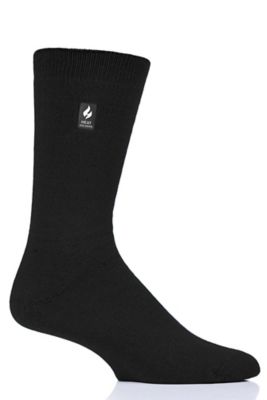
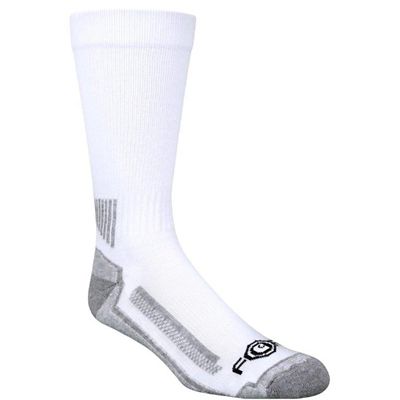
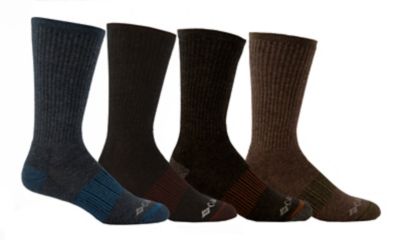
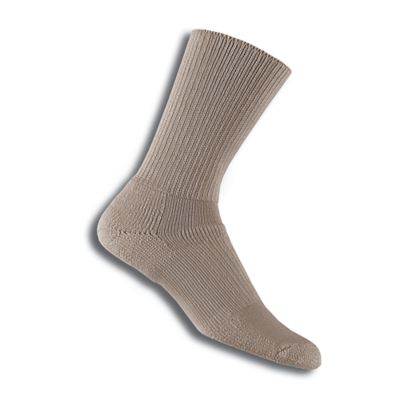
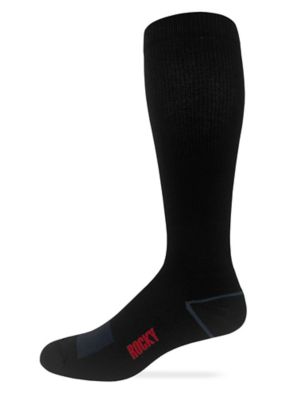
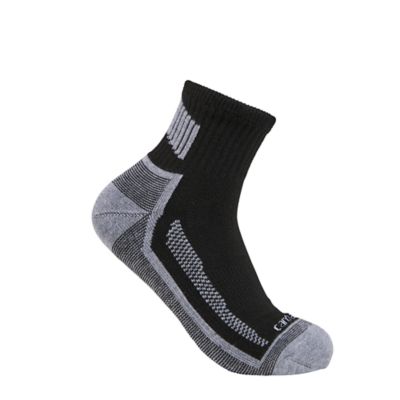
When you’re heading out on the trail—whether it’s a sunrise stroll through the back forty, a weekend hike in the foothills, or a full day out scouting new deer stands—having the right pair of socks can make all the difference. Moisture wicking socks for hiking are a real game changer when you’re putting in the miles. Unlike regular cotton socks, these are made from materials like Merino wool, alpaca, or high-tech synthetics that pull sweat away from your skin, letting it evaporate before it can cause any trouble. That means less risk of blisters, hot spots, and that soggy, uncomfortable feeling that can ruin a good walk. Folks who spend all day on their feet—farmers, ranchers, trail riders, or anyone tackling chores in work boots—know firsthand how important it is to keep your feet dry and comfortable, especially as the weather warms up or when fall brings those unpredictable showers and cool mornings. And if you’re thinking about a practical gift for the hiker, hunter, or outdoor worker in your life, a few pairs of these socks are always appreciated. They’re the kind of thing you don’t realize you need until you’ve tried them, and once you do, it’s hard to go back.
When picking out the best moisture wicking socks for hiking, there are a few things worth considering to get the most out of your time outdoors. Materials matter—a lot. Merino wool is a favorite for a reason: it’s naturally odor-resistant, helps regulate temperature, and feels soft against the skin without being itchy. Synthetics like polyester or Olefin are also popular, especially for those who want a bit more durability or quicker drying times. Some folks swear by toe socks if they’re prone to blisters between their toes, while others like a traditional crew or boot cut that sits higher than their hiking boot collar for extra protection. Cushioning is another thing to think about. Light cushioning works well in the heat, keeping feet cool and sweat at bay, while medium or heavy cushioning is perfect for rocky trails or long days when you need a little extra support. And if you’re planning to cross streams or know your boots might get wet, layering a thin synthetic liner under a thicker wool sock can help manage moisture even better, keeping your feet drier for longer stretches. No matter how you like to hike—whether you’re out for a quick loop after chores or hauling a pack up a ridge—having a few good pairs of moisture wicking socks in your drawer is just plain smart. If you want to explore more options, check out our selection of
Moisture Wicking Wool Socks to find the right fit for your next adventure.