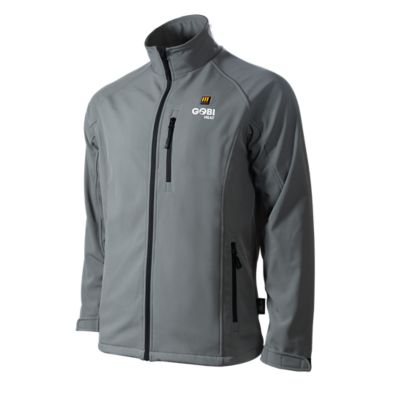
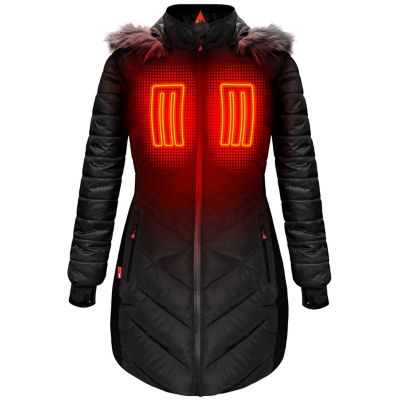
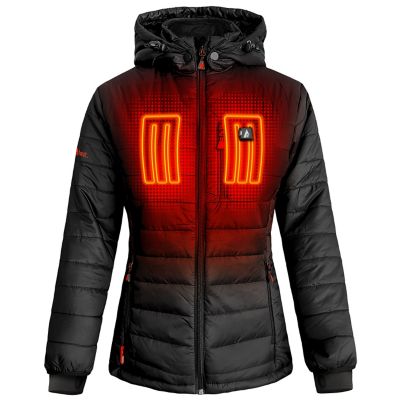
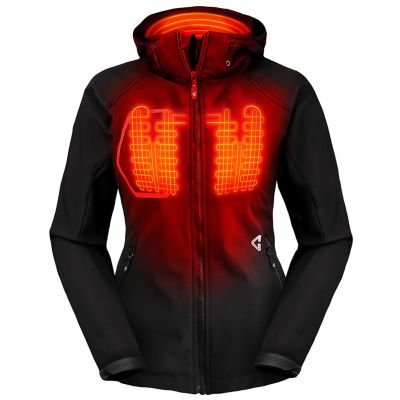
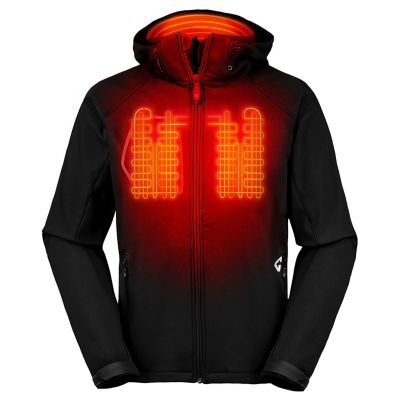
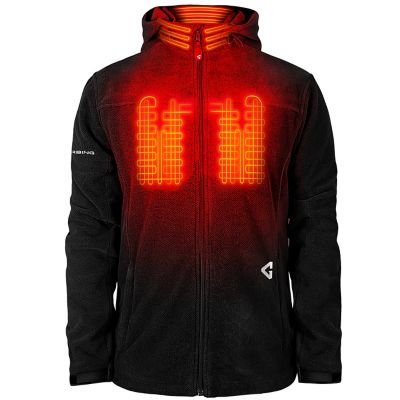
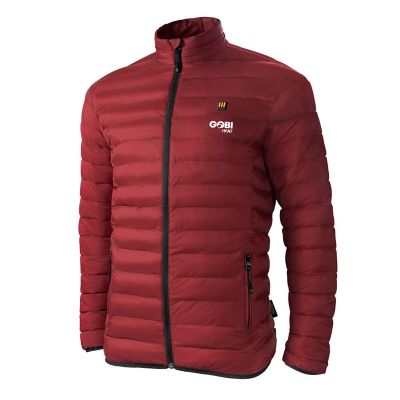
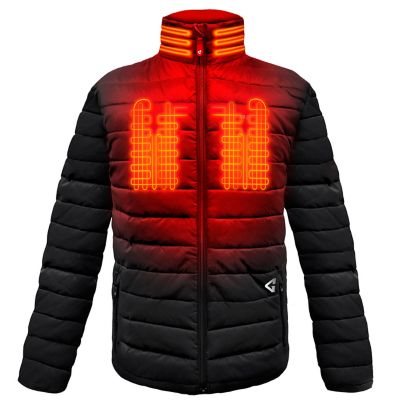
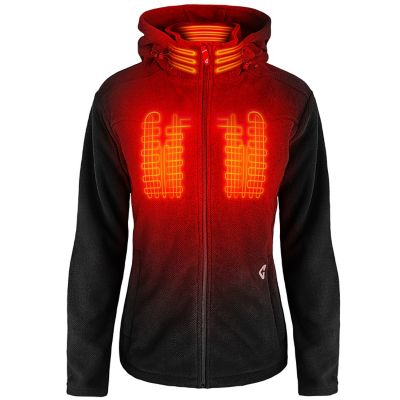
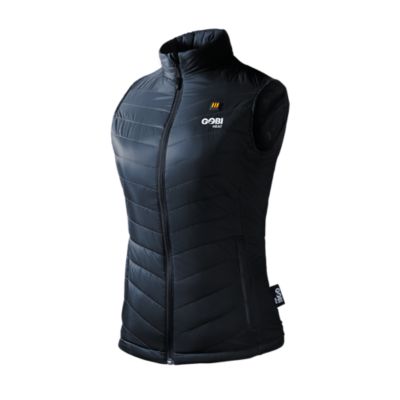
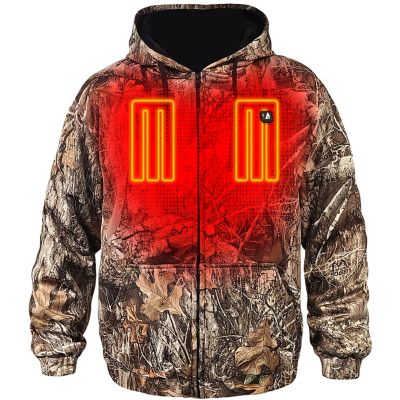
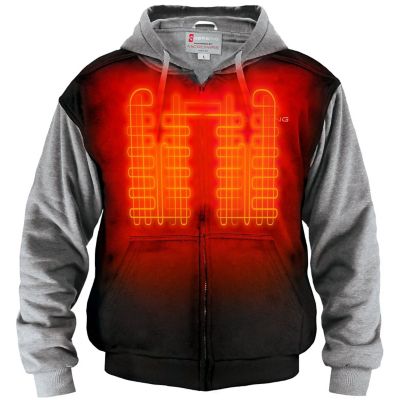
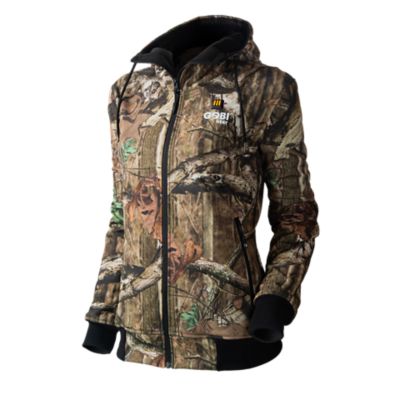
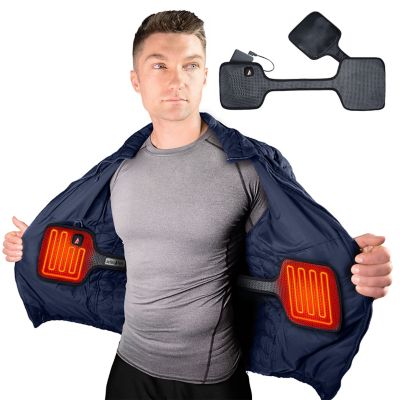
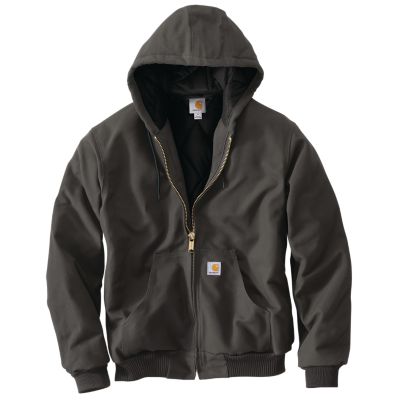
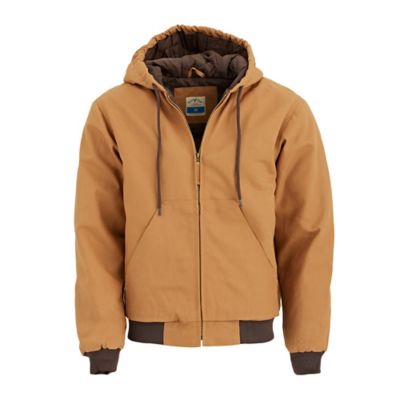
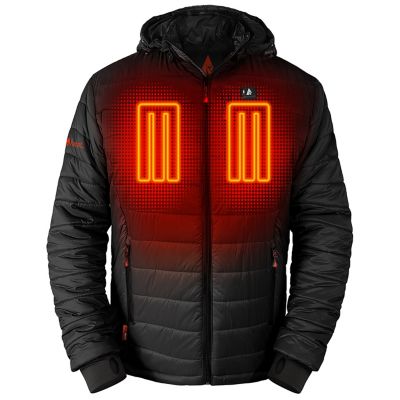
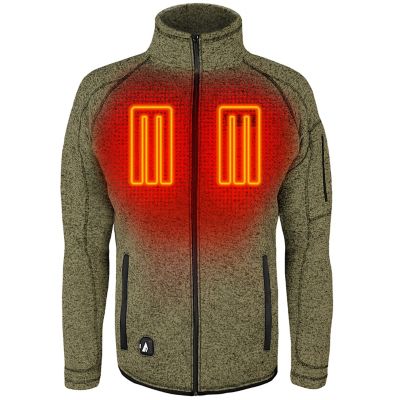
Battery-heated coats combine the coverage of an insulated outer layer with heating elements powered by a rechargeable battery. Depending on the design, those elements may be made from carbon fiber or metal fibers and positioned across the chest, back, collar, or pocket areas. They add warmth near the body rather than heating the surrounding air, making these coats a practical option for checking livestock before daylight, watching a ballgame from the bleachers, or spending a long afternoon working around the property. Many designs run on rechargeable lithium-ion batteries, though the required voltage, connector, and battery type vary. A compatible power bank or designated cordless tool battery may power some designs, but batteries are not interchangeable just because a plug appears to fit. Adjustable heat settings let the wearer change the output as activity picks up or slows down. Higher settings generally draw more power, while lower settings can stretch the time between charges. Actual runtime depends on battery capacity, the selected setting, the number of active heating zones, outdoor temperature, and the condition of the battery. An advertised maximum runtime usually reflects particular test conditions, often at the lowest setting, rather than a full day at high heat. Separate zone controls, where included, can provide more flexibility than a single control for the entire coat. The placement of those zones matters, too: broad back coverage feels different from heated chest panels, and heated pockets do not mean the sleeves also contain heating elements. Insulation and wind protection still do plenty of the work. A coat that helps hold warmth close can remain comfortable between heating cycles, while a loose, drafty fit lets that warmth escape. For someone moving between a chilly equipment shed, an open pasture, and a heated truck cab, accessible controls make it easier to adjust without taking the coat off. A clear indicator is helpful, especially when gloves make small buttons harder to manage. The best match comes down to the whole coat, not simply the highest heat setting.
Shell fabric, lining, and construction shape how a battery-heated coat handles everyday wear. Polyester and nylon shells can offer a lighter feel, while heavier workwear fabrics may suit chores that involve frequent contact with rough surfaces. Ripstop weaves, reinforced areas, and sturdy stitching are details worth considering around fence posts, barn doors, and stacked firewood. No fabric is immune to snags, and the heating system adds another reason to keep sharp edges away from the garment. Water resistance helps shed light moisture, but it does not automatically mean a coat is waterproof or suited to a steady soaking rain. Fabric ratings, seam construction, and the closure design give a clearer picture of weather protection than the shell’s appearance alone. A wind-blocking outer layer, insulated collar, adjustable cuffs, and a covered front zipper can help limit drafts during a slow walk along the fence line or a long wait at the bus stop. For more active chores, breathability matters because sweat trapped beneath heavy layers can leave the wearer feeling chilled once the work slows down. Fit should leave room for a base layer or sweatshirt without pulling across the shoulders when reaching for a gate latch or lifting feed. Too much extra room can feel cumbersome, while a tight coat may restrict movement or press the battery pack into the body. Longer hems provide more coverage when bending, and an adjustable hem can help close gaps around the waist. Hood shape, glove-friendly zipper pulls, and pockets that stay accessible while seated all affect comfort through the day. Battery-pocket placement deserves attention for anyone who spends time driving, riding equipment, or leaning against a workbench. A pack near the hip may feel different beneath a seat belt than one positioned elsewhere. Around machinery, secure closures and contained cords matter, and heated outerwear does not take the place of any protective clothing required for the job. The right balance of coverage and freedom of movement helps a coat earn its place beside the mudroom door.
Care requirements are another part of owning battery-heated outerwear, especially when muddy cuffs and dusty shoulders are part of a normal day. Washability varies by garment, so the sewn-in care label and the manufacturer’s directions determine whether machine washing, hand washing, or another cleaning method is appropriate. The battery needs to be removed before cleaning, and electrical connectors may need to be secured or protected as directed. Bleach, fabric softeners, wringing, and high dryer heat can be unsuitable for some heated garments; a washable shell does not mean every laundry setting is acceptable. The coat and its connections should be completely dry before the battery is reconnected. Battery care matters between outings as well. The specified charger, recommended charging temperatures, and storage directions help support battery life and safe operation. A pack with swelling, cracking, leaking, or damaged wiring should not remain in service. For longer stretches away from an outlet, a fully charged compatible spare may be helpful when the garment’s instructions permit battery changes. Keeping the pack protected from moisture and avoiding strain on the connection can prevent trouble when the coat comes off at the end of a long day. These practical details also matter when a heated coat is a gift for a rancher, a parent on the sidelines, or someone who handles early-morning chores. Usual jacket size is only part of the picture; layering habits, preferred coat length, ease of reaching the controls, and comfort carrying the battery all influence how often it gets worn. The broader
Battery Heated Clothing category provides another place to compare outerwear and layering styles for different outdoor routines. A well-matched heated coat brings together sensible fabric, comfortable movement, manageable battery care, and warmth where it helps most, whether the day calls for tending animals or standing by while the kids finish one more sled run.