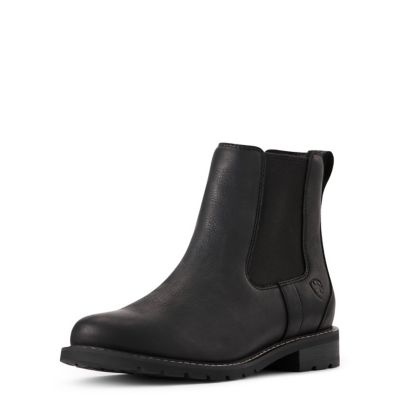
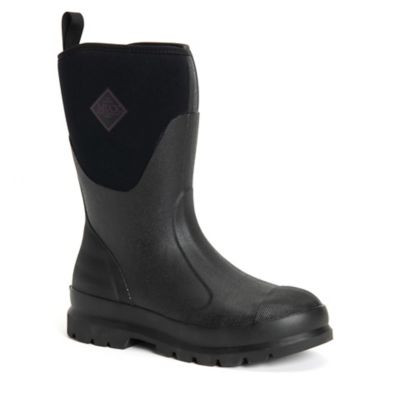
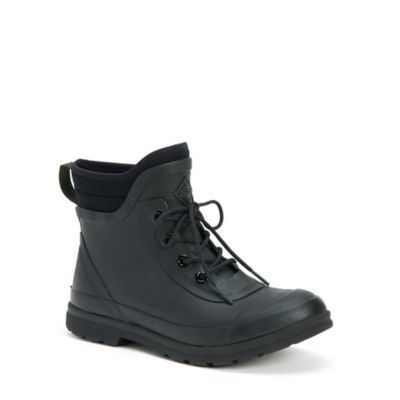
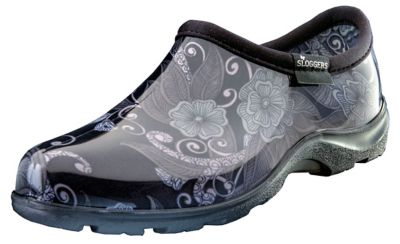
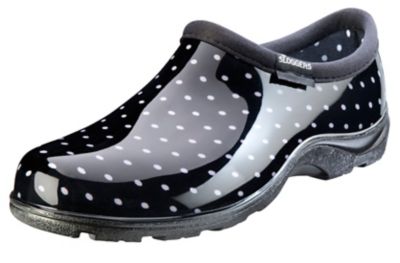
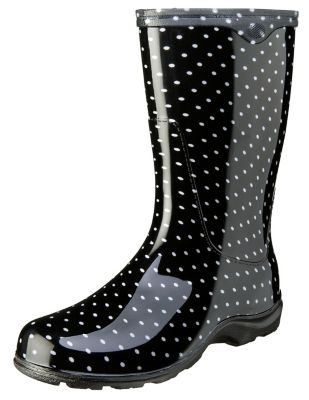
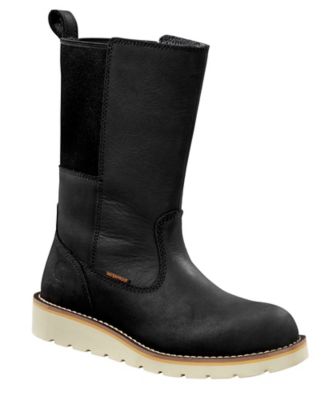
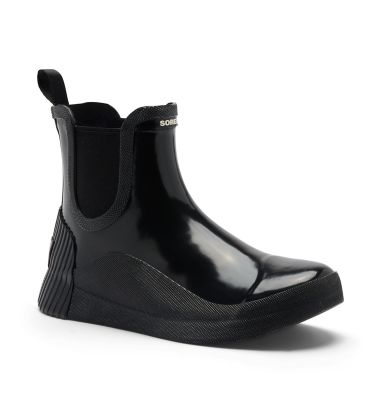
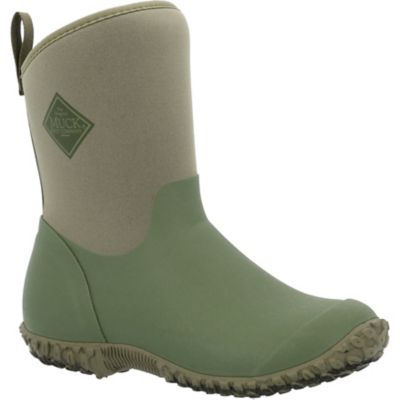
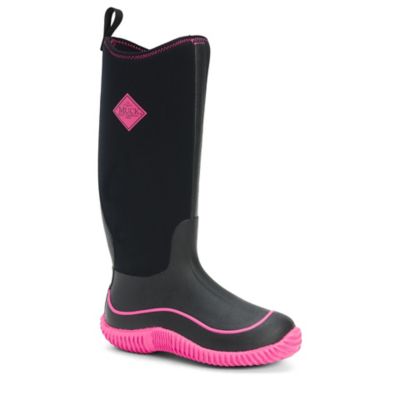
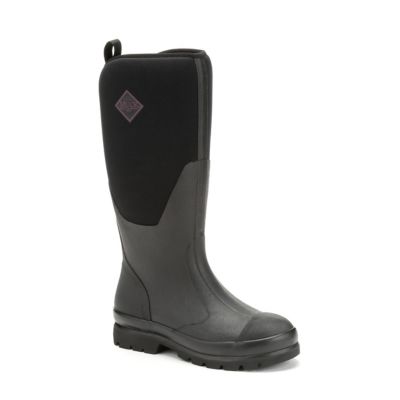
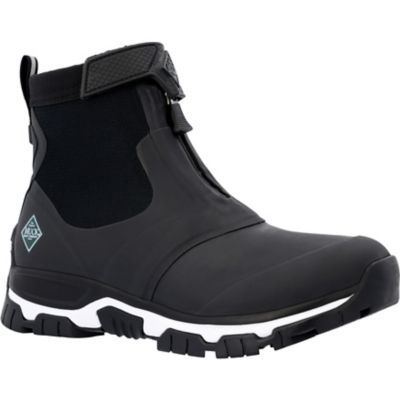
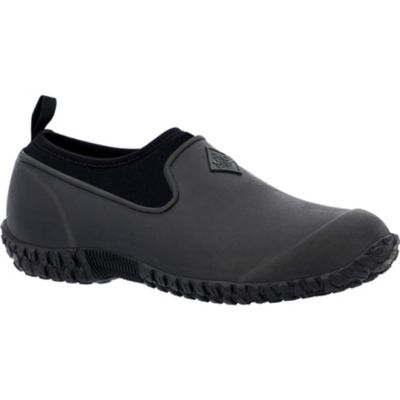
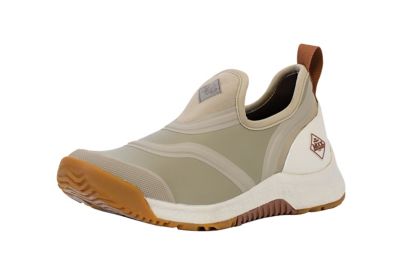
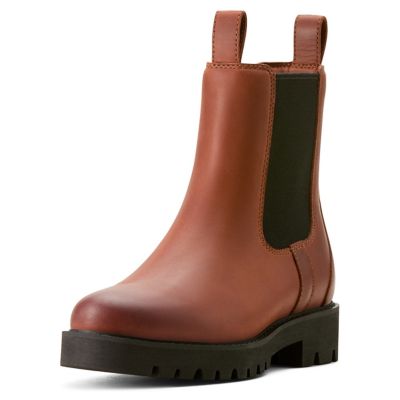
Women’s black waterproof shoes pair an easy-to-match color with construction designed to keep water from reaching the foot through the upper. Waterproof footwear may have molded rubber shells, protective membranes beneath fabric, or leather uppers combined with water-blocking construction. The materials make a difference in how the shoes bend, breathe, feel underfoot, and handle everyday messes. Rubber can make muddy splashes easier to rinse away, while fabric uppers with a waterproof membrane can offer a lighter, more flexible feel for walking. Leather brings a familiar look that works with jeans and work pants, though its water protection depends on the shoe’s construction and ongoing care. Black fits into plenty of everyday outfits, from chore clothes to a casual outfit for a trip into town. It can make some scuffs less noticeable, but dried mud, salt residue, and dust still show and need attention. Around a rural home, waterproof shoes make sense for crossing wet grass to the mailbox, carrying feed across a damp yard, or heading out after rain without changing into tall boots. Low-cut styles offer freedom around the ankle and can feel less cumbersome for errands or long stretches on foot. Their lower profile also has a limit: water can enter over the collar when a puddle is too deep or a hose splashes above the shoe opening. Waterproof and water-resistant are not interchangeable terms, either. Water-resistant materials may handle brief splashes, while waterproof construction is intended to provide a stronger barrier under the conditions specified by the manufacturer. Seams, tongue construction, and closures all contribute to that protection. A gusseted tongue, for example, helps close the gaps beside the laces where water and grit might otherwise enter. For everyday wear, the right balance comes down to how much wet ground the shoes will encounter and how much walking, bending, or standing the day brings.
Comfort in women’s waterproof shoes starts with enough room for the foot to move naturally without sliding around. A toe box that allows a little spread can feel better when crouching beside a garden bed or spending hours on a concrete floor. A secure heel helps limit rubbing, while a midfoot that feels held rather than squeezed supports an easier stride. Laces allow adjustments across the top of the foot, which can be helpful when feet differ slightly in shape or socks vary in thickness. Slip-on designs make quick trips out the door simpler, but they still need to stay in place when walking uphill, stepping backward, or carrying something with both hands. Waterproof linings and internal seams can affect the space inside a shoe, so fit is worth judging with the socks intended for regular wear. Thick socks are not always the answer to comfort; too much material can crowd the toes and create pressure. Moisture-moving socks can help manage perspiration, since keeping rain out does not prevent feet from sweating. Breathable waterproof membranes allow moisture vapor to escape, but breathability varies with construction and conditions. Underfoot, cushioning can soften repeated steps, while a firmer platform may feel steadier for standing and carrying loads. Removable footbeds can make airing out the interior easier and may allow room for an appropriate replacement insert, depending on the design. For jobs with specific footwear requirements,
Womens Waterproof Work Shoes offers a more work-focused category to explore. Waterproofing alone does not establish toe protection, puncture resistance, electrical-hazard protection, or slip resistance; those features need separate confirmation in the footwear specifications. Even for work without formal footwear requirements, shoe weight and flexibility matter. A pair that bends comfortably at the ball of the foot can make repeated trips between the house, shed, and truck feel less restrictive, while a stable base helps when the day involves more standing than walking.
Outsole design deserves attention alongside the waterproof upper, especially where gravel, grass, smooth floors, and mud meet in the same day. Deeper, more open tread can provide purchase on loose ground and give packed dirt somewhere to release, while other tread patterns are shaped for firmer walking surfaces. No sole grips every surface equally, and wet tile, oily concrete, and slick mud present different challenges. A defined heel edge may feel useful on uneven ground, but taller or heavier soles can change the way a shoe feels during a long walk. Reinforcement around the toe and heel can help with repeated rubbing against steps, tools, and rough surfaces. Those contact points, along with flex areas and sole edges, are often where everyday wear becomes noticeable first. Care that matches the material helps preserve both appearance and function. Loose grit is easier to brush away before it works into seams, and a damp cloth can remove ordinary dirt from many smooth uppers. Leather may need a compatible cleaner or conditioner, while waterproof fabrics and membranes need treatments approved for their construction. Harsh cleaners, bleach, and heavy coatings can damage materials or interfere with breathability. Machine washing is appropriate only when the manufacturer specifically allows it; a washable appearance does not mean the whole shoe belongs in the washer. After cleaning or a damp outing, shoes generally benefit from air-drying away from direct heat. Removing the footbeds, when possible, helps the inside dry more thoroughly, and storing footwear with room for air circulation is better than leaving it in a closed bag. Regular checks for worn tread, separating soles, or cracked uppers can reveal when protection or footing may be compromised. For women tending animals, walking a property, commuting, or tackling everyday errands, black waterproof footwear offers a practical combination of water protection and a versatile look. Matching the construction to the routine keeps the focus on comfortable steps, manageable care, and footwear that suits the ground ahead.