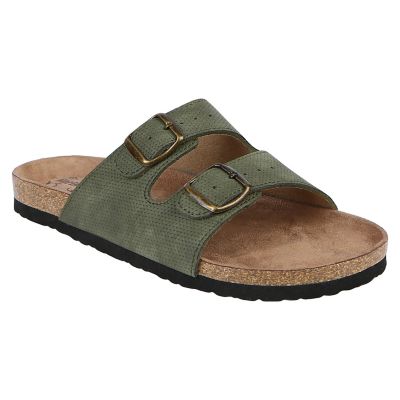
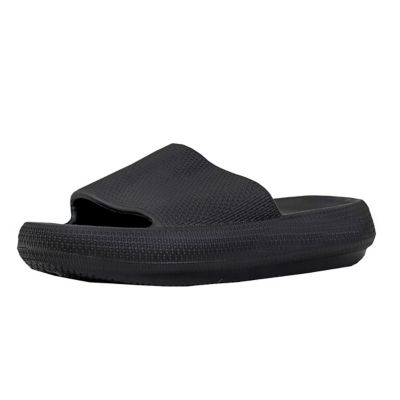
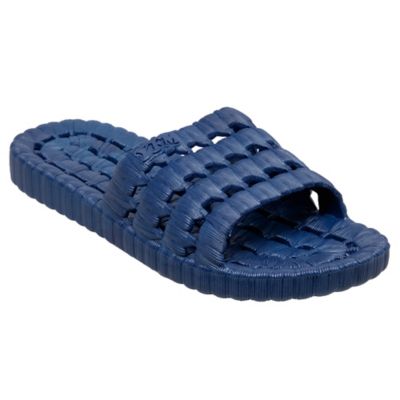
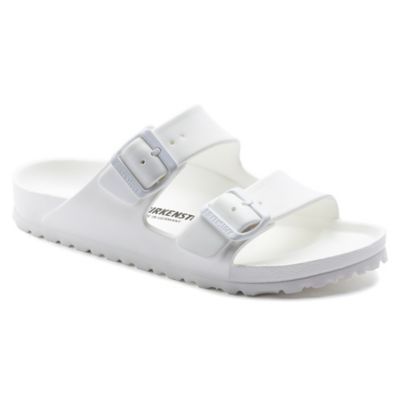
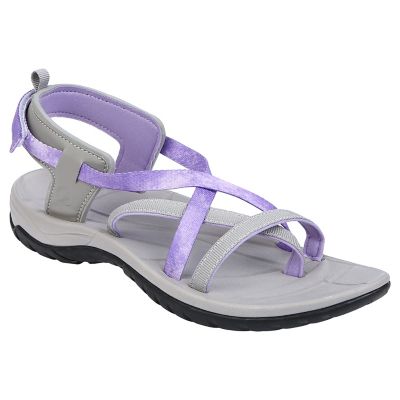
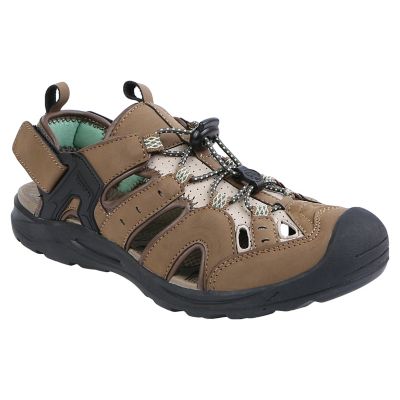
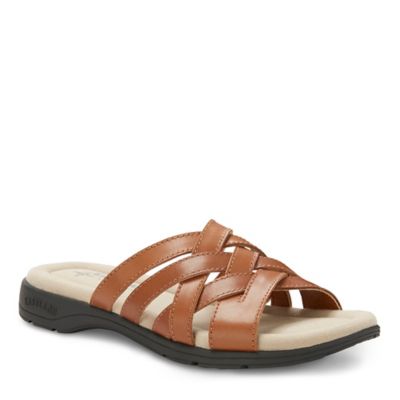
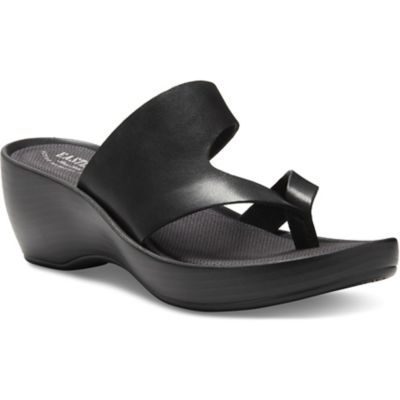
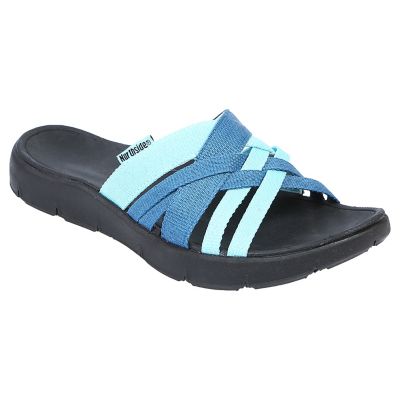
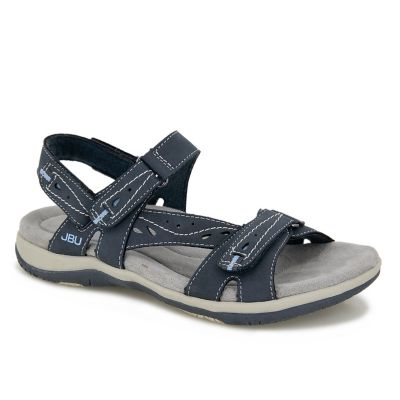
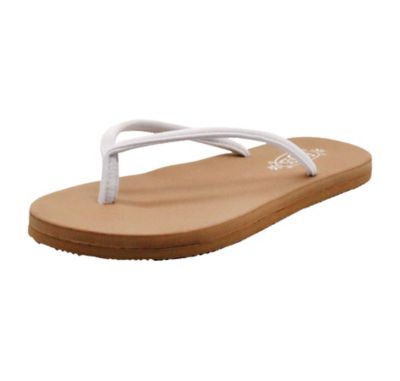
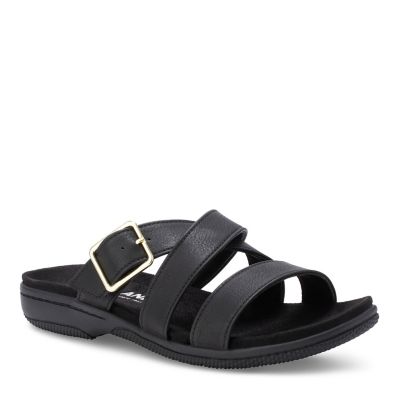
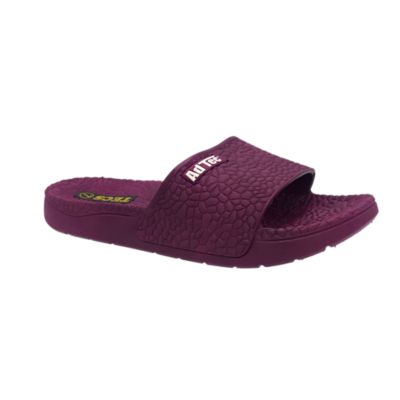
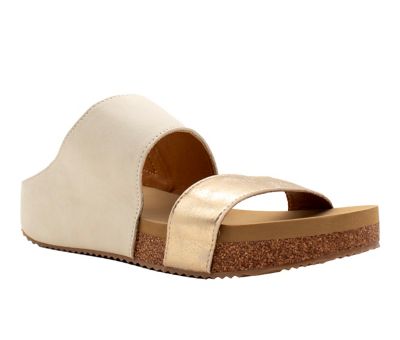
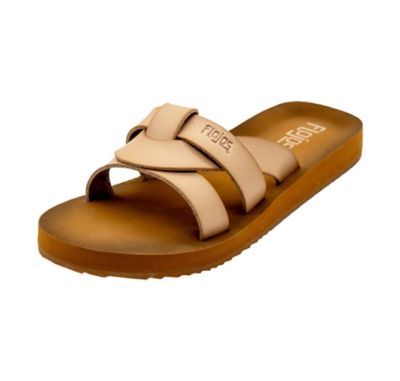
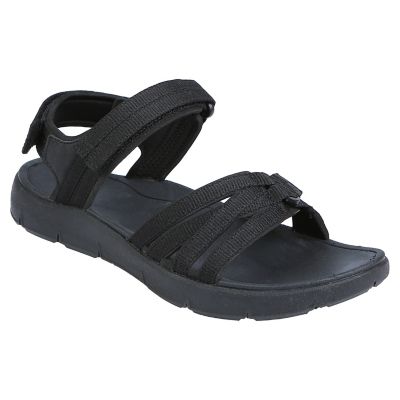
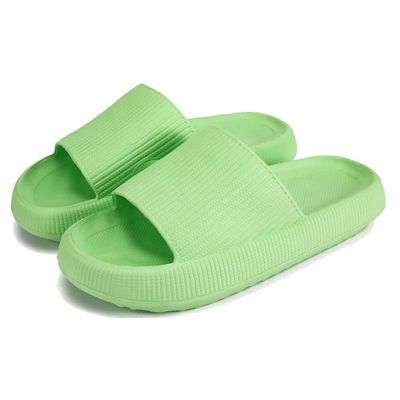
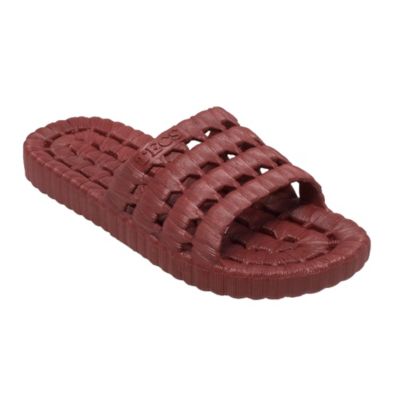
Women’s athletic slide sandals are open-toe, backless shoes built for easy slip-on wear, with a broad strap across the foot and a cushioned sole underneath. They’re a practical choice for changing out of sneakers after a workout, heading to the pool, or giving feet a break from boots once the chores are done. Unlike sandals with heel straps, slides leave the back of the foot free, making them easy to pull on beside a gym bench or leave near the door for a quick trip to the porch. Their athletic styling often comes with molded footbeds, lightweight foam, and soles shaped for everyday comfort, though cushioning, support, and water resistance vary by construction. EVA, short for ethylene-vinyl acetate, is a common foam material that keeps weight down while adding some give underfoot. Other molded foams offer different levels of softness and spring, so a thick sole won’t necessarily feel softer than a thinner one. Rubber outsoles can add traction and help protect high-contact areas from wear, while all-foam designs keep the construction simple and light. Upper straps may be molded as part of the sandal or attached separately, with synthetic surfaces, textile linings, or padding against the top of the foot. Those details matter when choosing between a pair for the gym bag and a pair mainly for relaxing around the house. A smooth, unlined molded slide generally sheds water more readily than one with an absorbent fabric lining or memory foam padding. Water-friendly construction is especially useful around pool decks and shared showers, but no sandal makes a slick surface slip-proof. Tread, surface conditions, and a careful step all play a part. For everyday wear, the best match is a slide that feels secure without squeezing, cushions without feeling unstable, and suits the places it will go. Slides are convenient off-duty footwear, not a substitute for closed-toe work shoes around livestock, tools, or equipment.
Fit makes a big difference in how women’s athletic slides feel beyond those first few steps. The heel and toes should sit fully on the footbed, with a little space at each end rather than hanging over the edges. The strap should hold the foot comfortably enough that walking doesn’t require curling the toes to keep the sandal on. Too much room across the upper can let the foot shift forward, while a tight band can press across the instep or rub along its edges. Fixed straps keep things simple, but their opening needs to match both foot width and instep height. Adjustable hook-and-loop straps offer more control over that space, which can be helpful for a higher instep or a foot that needs a wider opening. Going up a size just to gain strap room may leave extra length that catches underfoot, so length and width deserve separate attention. Size charts and any fit notes help narrow the choice, especially when moving between athletic shoes and sandals. Underfoot shape matters just as much as strap fit. A contoured footbed follows the general outline of the foot, and some designs include a defined arch, a heel cup, or a raised edge around the sole. These features can help the foot feel settled, but the arch should meet the foot comfortably rather than feel like a lump in the wrong place. Very soft foam delivers immediate sink-in comfort; firmer foam may feel steadier during short walks or while standing. Neither feel is automatically better for everyone. Slides described for post-workout recovery generally emphasize cushioning and easy wear after activity, not a promise to treat pain or heal an injury. After a fitness class, a walk, or a long stretch in lace-up shoes, that change of footwear can simply feel good. For running, uneven gravel, climbing, or lengthy walks, footwear with a secure heel and activity-specific support is the more suitable choice. Athletic slides fit best into the less demanding parts of the day.
Keeping athletic slide sandals comfortable over time starts with matching their materials to the job and giving them straightforward care. Molded, water-friendly pairs are often easier to rinse clean, while padded straps and textile-covered footbeds can hold moisture and need longer to dry. The care directions for each pair should take priority, since not every foam, lining, or adhesive tolerates the same treatment. For many synthetic slides, a soft cloth or soft brush with mild soap and water can lift everyday dirt without harsh scrubbing. Letting sandals air-dry in a ventilated spot helps moisture escape from seams and padding. Direct heat from a dryer, heater, or a long stay in a hot vehicle can distort some foams or weaken bonded parts. Putting damp slides straight into a closed gym bag can also leave them smelling stale, so give them time to dry before packing them away. Small stones caught in outsole grooves are worth clearing out, and a regular look at the bottom can reveal flattened tread or uneven wear. Cushioning that stays compressed, a strap that begins separating, or a footbed that no longer feels steady can signal that a pair has reached the end of its useful life. For getting dressed, athletic slides work easily with leggings, joggers, shorts, and relaxed jeans. A low-profile shape slips neatly into a tote, while a broader sole may appeal to someone who prefers more cushioning for downtime. Color and strap styling can keep the look understated or add a brighter touch without changing the basic purpose of the shoe. They can also make a practical gift for a gym regular, swimmer, college student, or someone who likes an easy change of footwear after work, provided their size and fit preferences are known. When picking out casual footwear for someone else in the household,
Men's Athletic Sandals are another option to explore. The pair that earns a spot by the door is the one that fits comfortably, cleans up without much fuss, and feels right for those everyday breaks between bigger jobs.