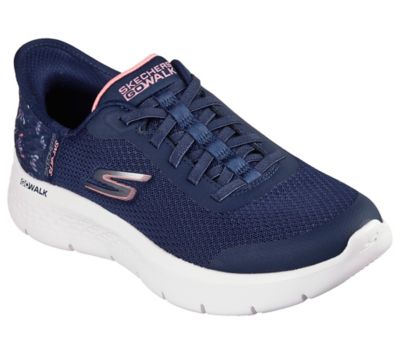
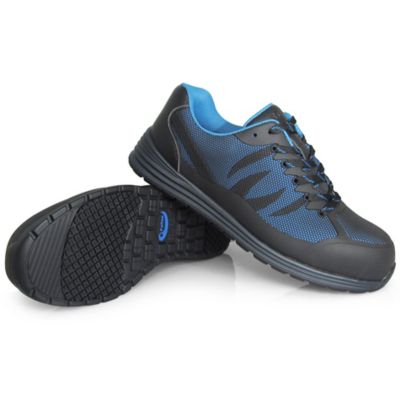
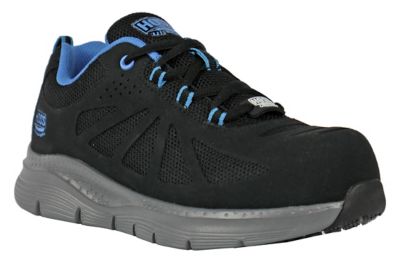
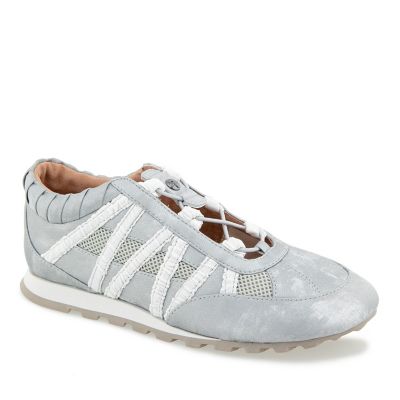
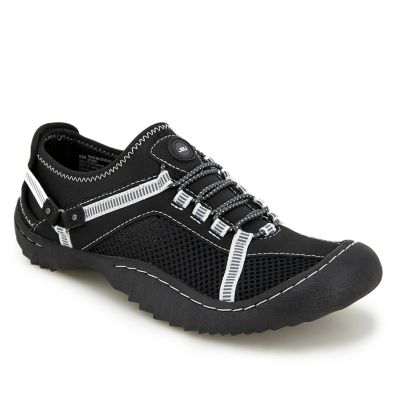
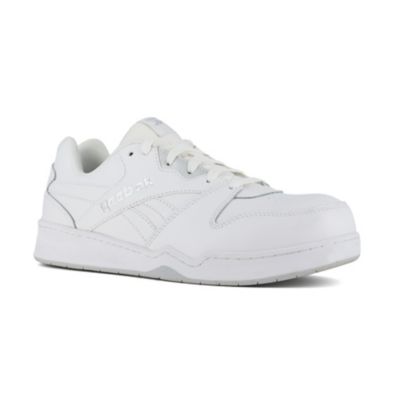
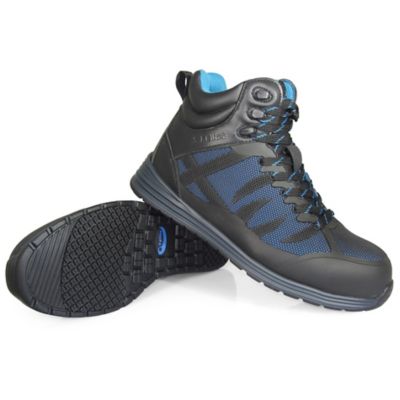
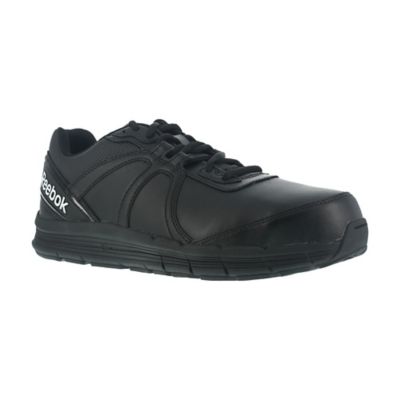
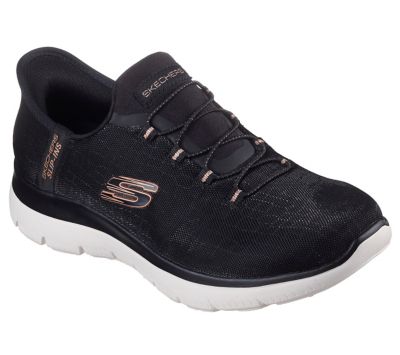
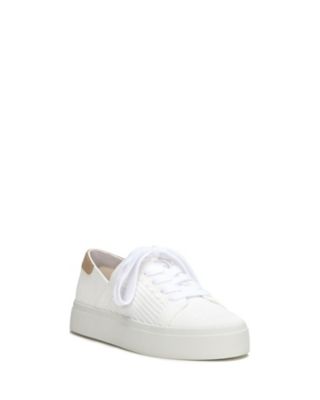
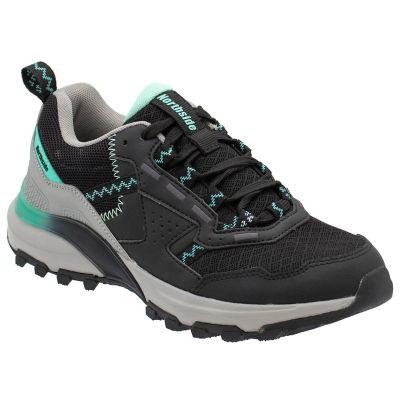
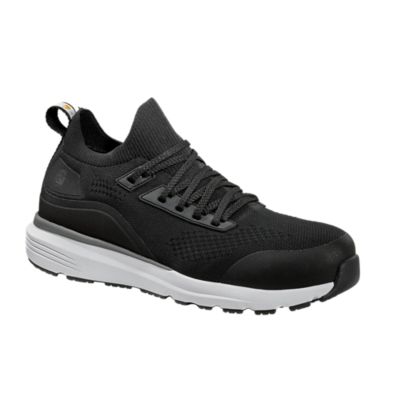
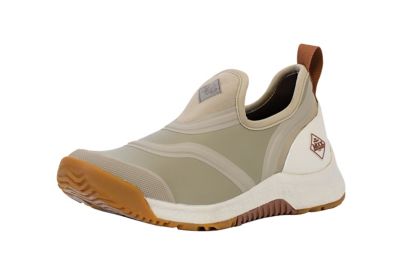
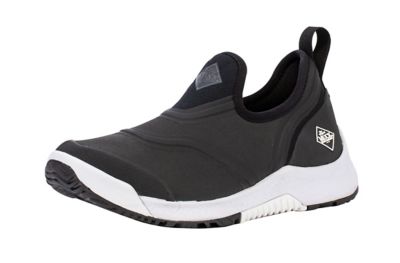
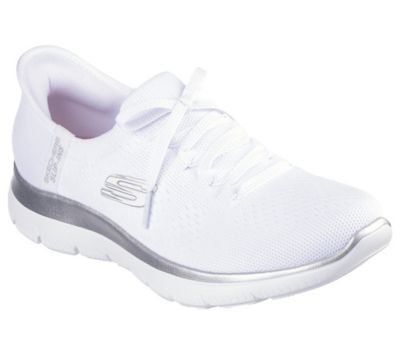
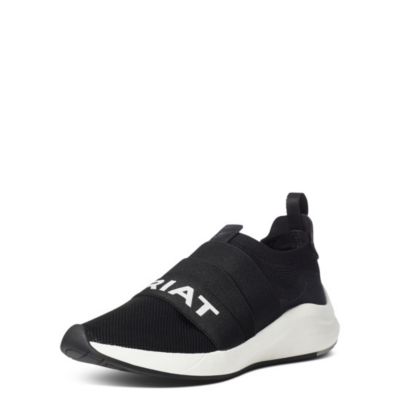
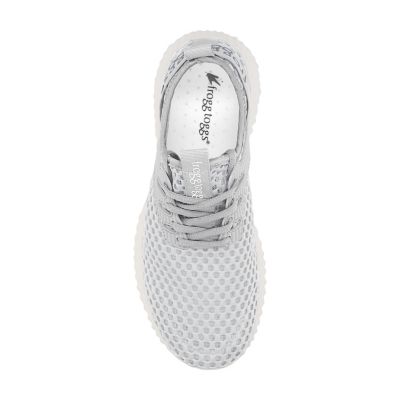
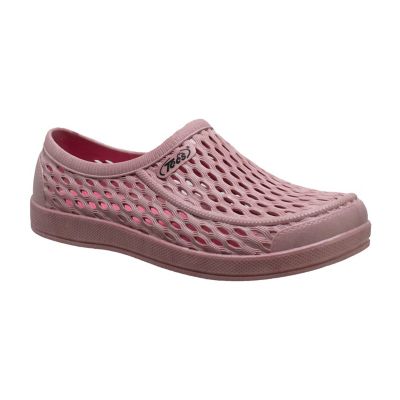
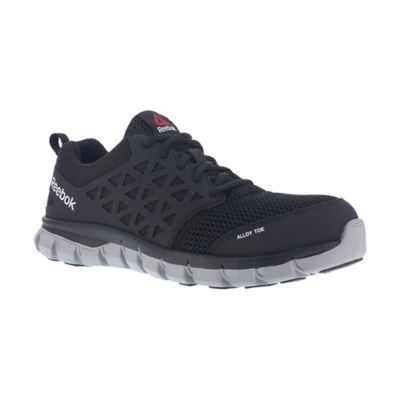
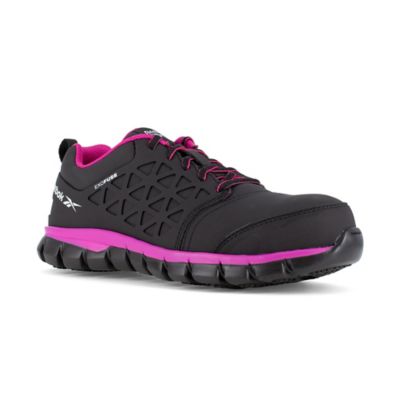
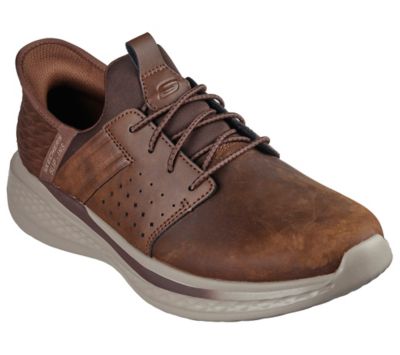
Women’s mesh athletic shoes combine breathable textile uppers with athletic soles for walking, running, workouts, and everyday wear. The mesh allows air to move through the upper, while the cushioning, outsole, and overall shape determine how the shoe feels underfoot and which activities it suits best. For a woman heading out for a neighborhood walk, making a trip into town, or fitting in a workout between chores, that combination can make a practical everyday choice. Mesh uppers often contain polyester or nylon fibers woven or knitted into an open structure. Some have larger openings across the forefoot, while others have a finer pattern with reinforced sections around the heel and laces. Those differences matter: a more open upper favors airflow, while added overlays can help hold the foot in place and protect areas that rub against the ground or the opposite shoe. Mesh and knit are not quite the same thing, either. Mesh describes an open fabric structure, while a knit upper may stretch more and fit closer to the foot, depending on its construction. A soft fabric lining, padded collar, and smoothly finished seams can make a difference during longer stretches of wear. Lightweight construction is another common appeal, especially when the day includes walking across a parking lot, climbing stairs, and getting a few laps around the park. Still, a light shoe is not automatically the right running shoe, and a breathable upper does not tell the whole story about support. The midsole, heel structure, fastening system, and tread all work together. Mesh athletic footwear belongs in the walking, exercise, and casual-wear part of the closet rather than taking the place of protective work boots. Around machinery, sharp materials, or tasks that call for safety footwear, the job requires more protection than an airy fabric upper can provide. Keeping that distinction in mind helps match the shoes to the parts of the day they are built to handle.
Fit makes the biggest difference when miles or hours start adding up. Women’s mesh athletic shoes should hold the heel securely without squeezing the forefoot, with enough space for the toes to spread naturally. A little room ahead of the longest toe helps prevent contact with the front of the shoe during a brisk walk or a downhill stretch. Width matters just as much as length; going up a size to escape pressure at the sides can leave too much movement at the heel. Mesh may flex around the foot, but it should not have to stretch tightly across the toes or bulge over the edge of the sole. Trying athletic footwear with the socks intended for everyday wear gives a better sense of the fit, and an end-of-day fitting can account for the slight swelling that often comes with time on your feet. Laces allow the upper to tighten or loosen through different sections, while slip-on construction puts more emphasis on the fit of the collar and instep. Underfoot, foam cushioning can soften each step, but the softest feel is not always the steadiest one. Walking shoes often favor a smooth heel-to-toe transition, running shoes are built around repeated forward motion, and training shoes may have a broader base for exercises involving side-to-side movement. A treadmill session, a walk on a paved path, and a strength workout place different demands on footwear. Outsoles deserve a close look, too. Rubber coverage can help protect high-contact areas, and tread shape should match the surface. Shallow grooves may feel smooth on pavement, while unpaved paths can call for a trail-focused design with more pronounced tread and additional foot protection. Removable sock liners can be helpful for women who wear an appropriate insert, provided there is still enough room inside the shoe. Comfort should come from a good fit and a suitable design, not from hoping a tight spot will eventually stop rubbing.
Everyday care helps mesh athletic shoes stay comfortable and presentable without putting unnecessary strain on the fabric. Loose dirt is easier to brush away before it gets worked deeper into the openings, especially after a walk along a dusty lane or across a gravel parking area. A soft brush or cloth can lift surface debris, and a small amount of mild soap with water can help with routine cleaning when the care label allows it. Scrubbing hard with a stiff brush can rough up fine mesh, while strong cleaners may affect fabric, foam, or bonded sections. Machine washing is not appropriate for every athletic shoe, so the maker’s care directions matter more than a general cleaning shortcut. Removing laces and removable liners can make cleaning and drying more thorough. Air-drying away from direct heat helps protect the shape and glued components; a dryer or heater can be hard on both. Giving shoes time to dry between wears also helps manage moisture from activity. Over time, flattened cushioning, unevenly worn tread, loose stitching, or a heel that no longer holds its shape can signal that a pair is ready to leave the regular walking or workout routine. Appearance alone does not show how much support remains inside. For everyday styling, mesh athletic footwear works easily with leggings, joggers, shorts, or casual jeans, making it useful beyond a scheduled workout. Color offers another way to narrow the look, from understated shades to
women’s pink athletic shoes that add a brighter touch to an everyday outfit. As a gift, athletic shoes make the most sense when the recipient’s size, width, preferred fit, and usual activities are already known. A woman who enjoys evening walks may want something different from someone who spends her exercise time lifting weights. The right match brings together breathable fabric, a comfortable fit, suitable cushioning, and tread that fits the ground ahead.