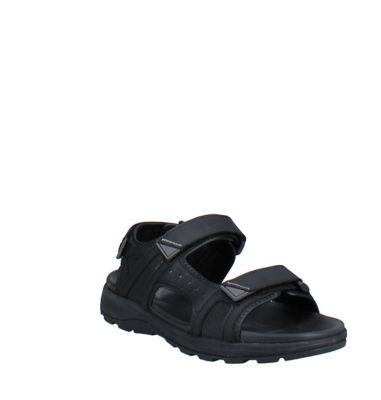
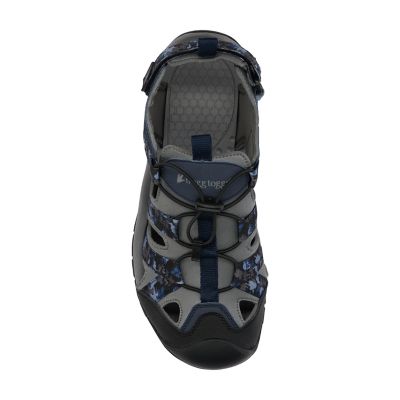
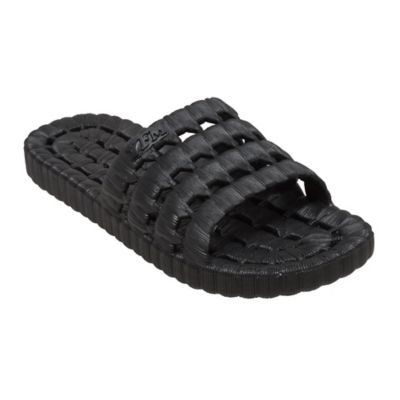
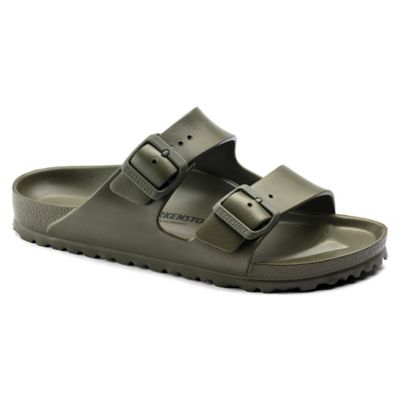
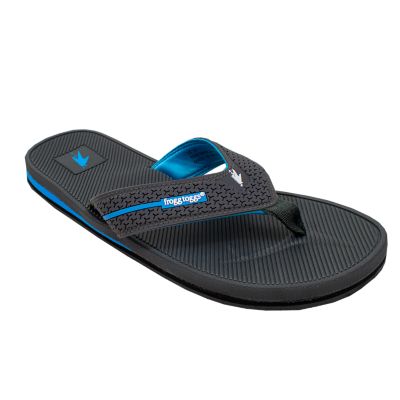
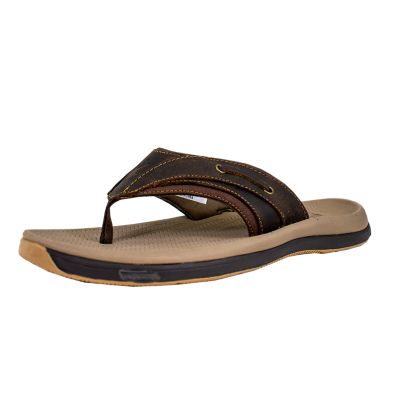
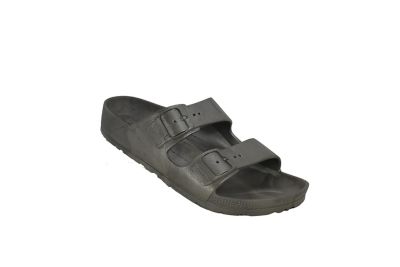
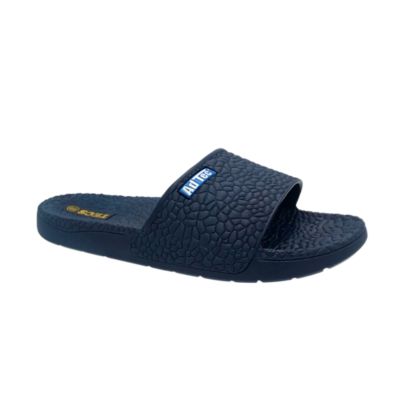
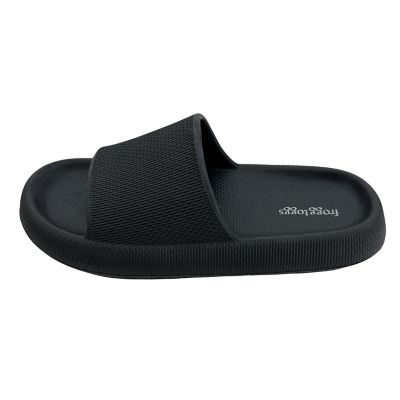
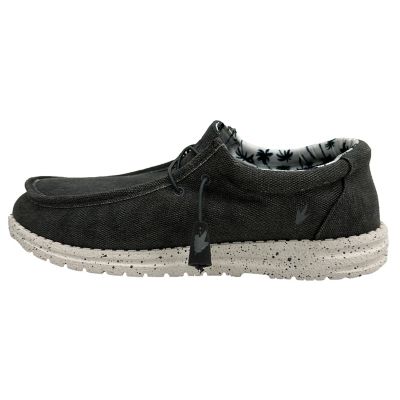
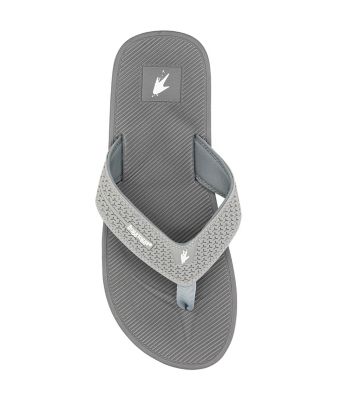
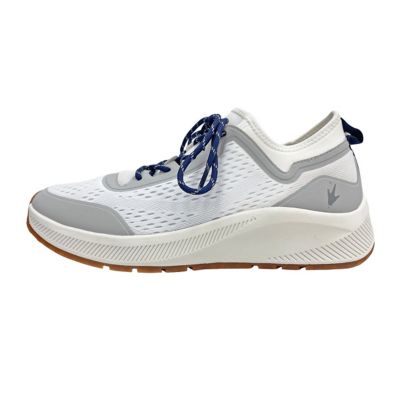
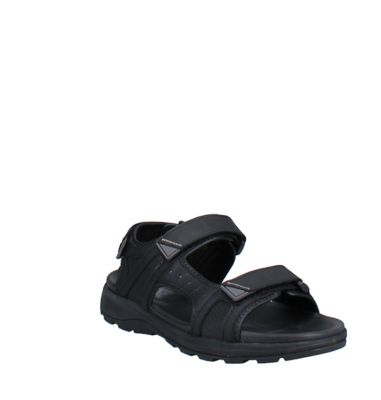
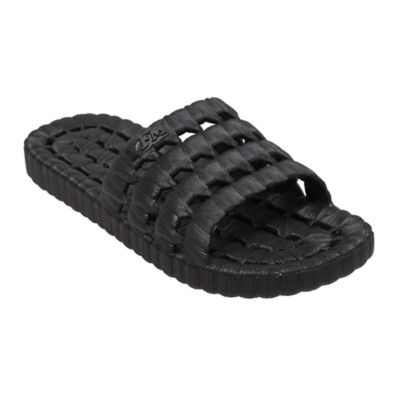
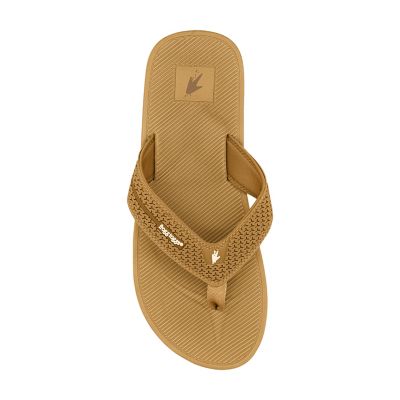
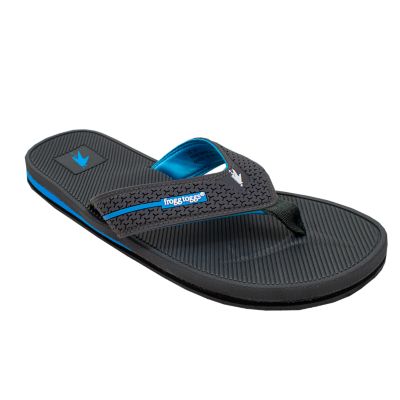
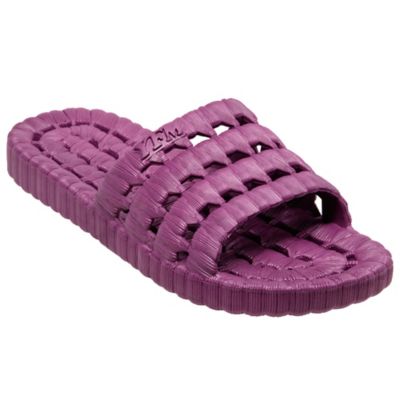
Men's athletic sandals pair an open, breathable feel with features built for walking, light outdoor recreation, and time around the water. The category includes sport sandals with adjustable straps, closed-toe designs with ventilation openings, and slides for casual wear or downtime after exercise. Each style has a different job. A heel strap helps hold the foot in place on a gravel lane or a walk from the campsite to the lake, while an easy-on slide makes sense for heading to the locker room or relaxing after a long stretch in boots. Closed-toe athletic sandals add coverage at the front of the foot, which can help with small bumps along an easy path, though they do not replace work boots or protective footwear. For active walking, a secure heel, a supportive footbed, and an outsole suited to the ground matter more than a sporty appearance alone. Water-friendly sandals often feature synthetic straps, drainage openings, and materials that shed moisture more readily than leather. That combination can be handy for a paddling trip, a boat launch, or an afternoon beside the creek. Water-friendly construction does not mean waterproof coverage: feet still get wet, and straps may need time to dry. Rubber outsoles with defined tread can help with grip, but traction varies with the surface, the tread pattern, and the condition of the sole. Slick dock boards and algae-covered rocks call for care regardless of the footwear. For walks on packed paths, sandals with secure straps can offer a practical middle ground between a loose slip-on and an enclosed shoe. Running, steep trails, heavy loads, and chores involving sharp tools or falling objects generally call for footwear designed for those demands. Athletic sandals fit best into the parts of the day when freedom of movement, ventilation, and easy transitions matter, whether that means walking the campground loop, stopping at a roadside picnic table, or getting out of lace-up shoes after a workout.
Materials and construction shape how men's sport sandals feel underfoot and how they stand up to repeated wear. Polyester or nylon webbing is common in active styles because it offers a flexible upper without much weight. A soft lining beneath a strap can reduce rubbing, especially where the upper crosses the ankle or the top of the foot. Leather has a different feel and appearance, but repeated soaking may affect its shape and finish unless the manufacturer identifies it for water wear. Underfoot, EVA foam adds lightweight cushioning, while firmer midsole materials can provide a steadier platform. A contoured footbed may include a shaped heel cup and arch support; the important part is whether those contours line up comfortably with the foot. The softest sandal is not necessarily the most comfortable over a longer walk, particularly if the foot slides around or sinks too deeply into the cushioning. Rubber outsoles often provide a separate contact layer beneath the midsole, and tread spacing can influence how readily small stones and dirt clear from the bottom. Secure strap attachments, even stitching, and sound connections between sole layers are worth attention because these areas handle repeated flexing. Fit brings those features together. Toes and heels should sit within the edges of the footbed rather than hanging over, and the widest part of the foot should rest comfortably on the platform. Adjustable forefoot, instep, or heel straps can help accommodate different foot shapes without requiring one section to pull too tight. A snug fit should not pinch, leave the toes gripping for balance, or allow the heel to lift excessively with each step. For closed-toe styles, a little room in front keeps toes from pressing against the upper while walking downhill. Size labels are a starting point rather than a guarantee of the same fit across every design. Checking the maker's sizing information and walking indoors on a clean surface can reveal rubbing, shifting, or an awkward arch position before a longer outing.
Everyday convenience matters, too, especially when sandals are going in a gym bag, riding along in the truck, or taking up space beside camping gear. Slides are simple to step into, but their open heels offer less hold than a strapped sport sandal. Recovery-style slides generally emphasize cushioning for relaxed wear after activity rather than the secure fit needed for uneven ground. For men who prefer less weight on the foot,
Men's Lightweight Sandals offer another category to consider alongside the strap layout, cushioning, and coverage that suit the day's plans. Low weight alone does not tell the whole story; a sandal still needs enough structure for its intended use. Care also plays a part in how long footwear stays comfortable and serviceable. Loose grit can work its way beneath straps and into footbed grooves, so brushing away dirt and following the manufacturer's cleaning directions helps protect the materials. Many synthetic sandals can tolerate a gentle cleaning with mild soap and water, but machine washing is appropriate only when the care instructions allow it. Thorough air-drying away from direct heat helps prevent damage to foam, adhesives, leather, and strap components. Leaving damp sandals shut inside a bag can encourage odor, while drying them in an open, ventilated spot gives moisture a chance to escape. Before heading out, a quick look at strap anchors, closures, and tread can catch fraying, separation, or worn-smooth areas that affect fit and grip. Sandals also make a practical gift for a man who enjoys campground walks, fishing trips, gym sessions, or easygoing weekends, provided the size and preferred style are known. Someone who likes a secure heel may not enjoy a slide, and a fan of open toes may find a protective toe cap unnecessary. Matching the design to familiar routines keeps the focus on footwear that feels right from the back door to the next stop.