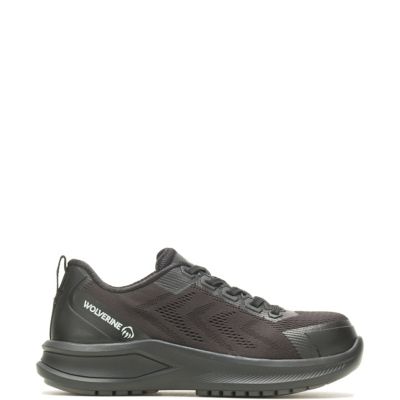
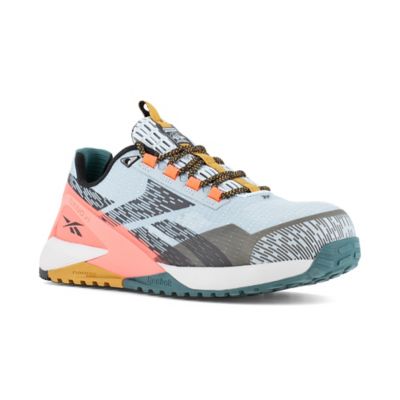
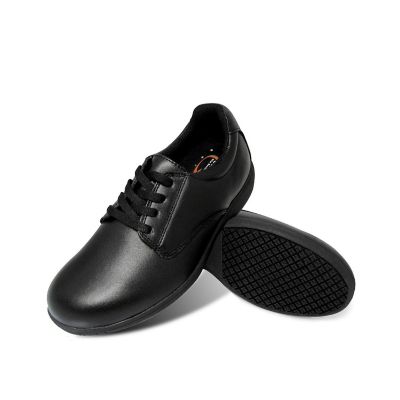
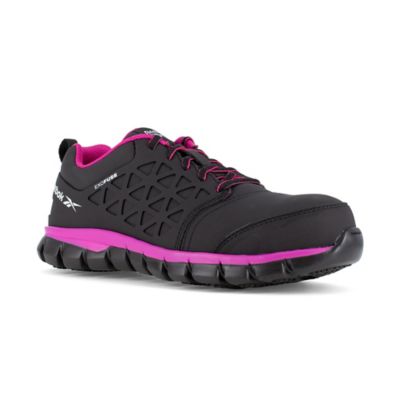
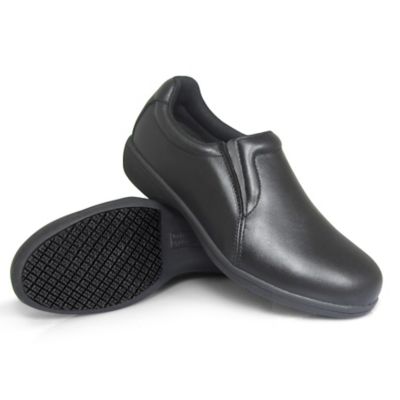
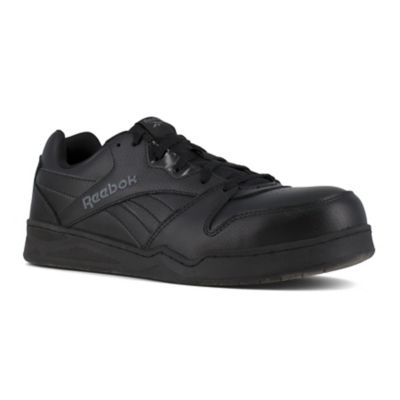
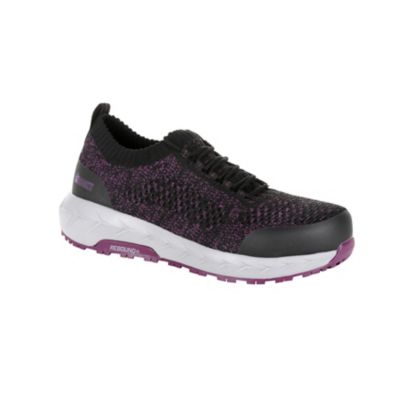
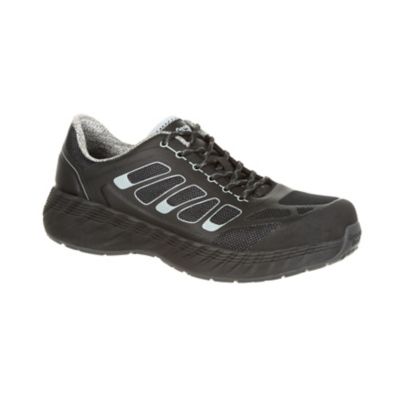
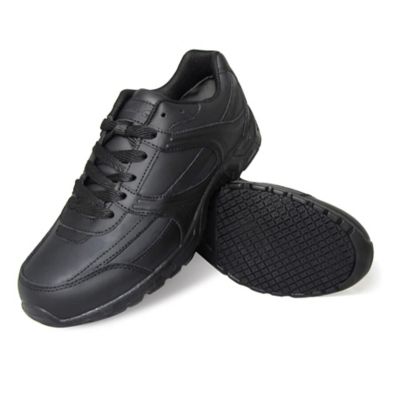
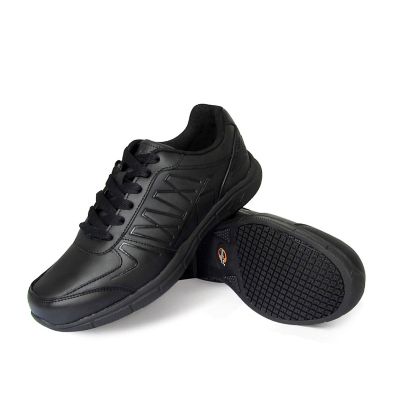
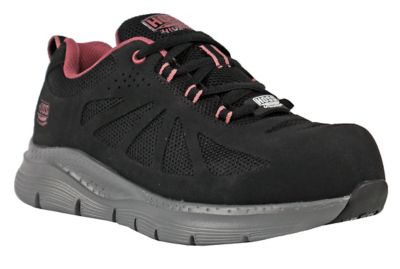
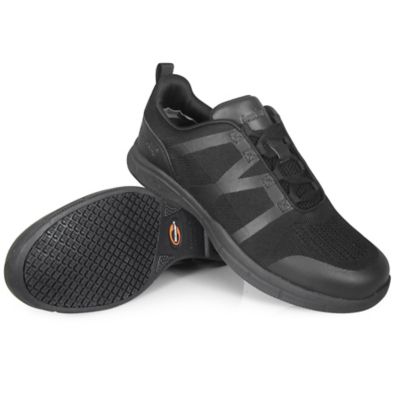
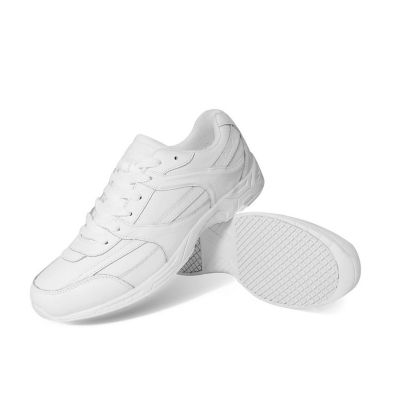
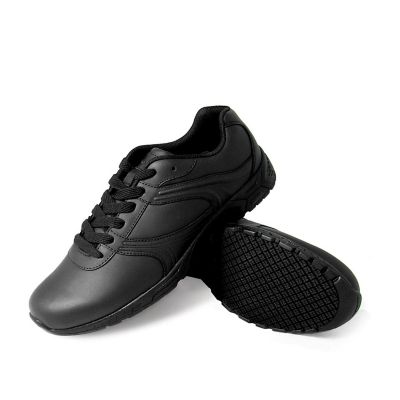
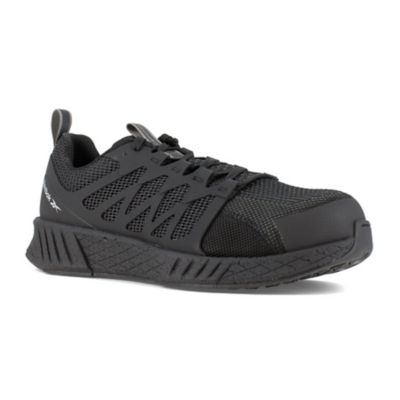
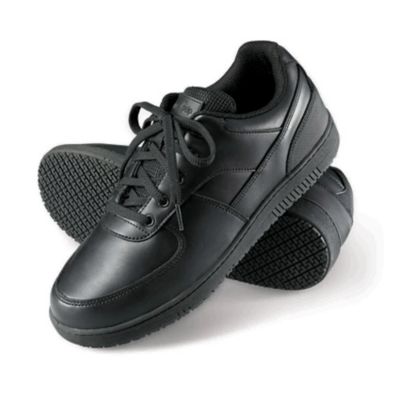
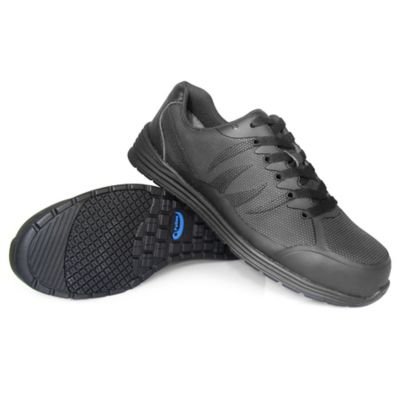
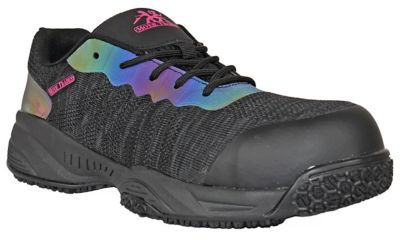
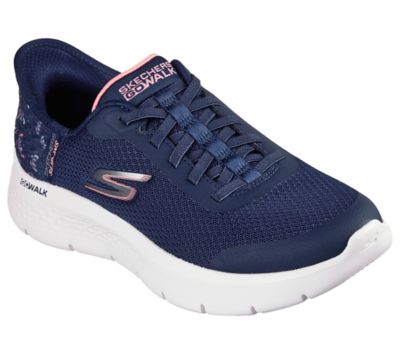
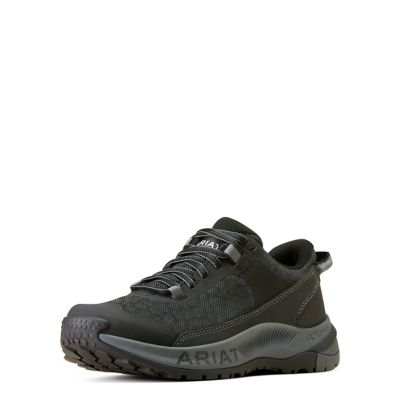
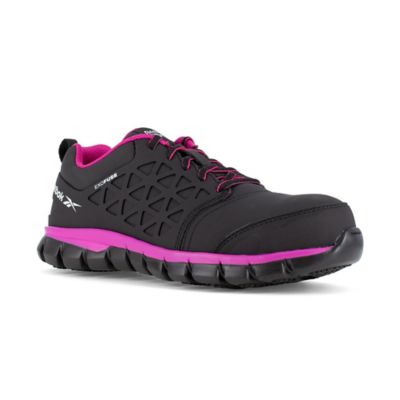
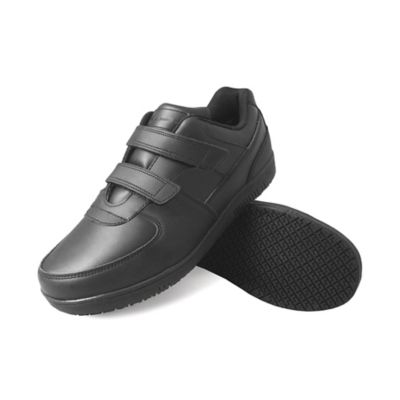
Women’s slip-resistant athletic shoes combine the lighter feel and flexible fit of sneakers with outsoles designed to help improve traction on certain slick surfaces. They’re a practical choice for women who spend hours walking, standing, turning corners, or moving between workstations, especially in food service, healthcare, hospitality, and retail settings. A day might include carrying plates across a dining room, checking patients along a polished hallway, or helping neighbors at a small-town shop. In those settings, traction matters just as much as cushioning. Slip-resistant rubber outsoles typically pair a specialized rubber compound with tread patterns that help channel liquid away from the contact area, although performance varies by shoe and floor conditions. The slip-resistant designation does not mean slip-proof, and no sneaker replaces prompt spill cleanup or careful footing. Wet tile, greasy kitchen floors, and dry concrete present different challenges, so stated traction features and any testing information matter more than a sporty appearance alone. Oil resistance is a separate consideration: a material that resists damage from oil does not automatically provide better grip on an oily floor. Athletic work shoes also differ from running shoes, even when their shapes look similar. Running footwear centers on movement during exercise, while slip-resistant work sneakers often balance underfoot comfort, floor traction, and features suited to repeated standing and walking. For women splitting the day between a shift and errands in town, that combination can make sense without the weight or stiffness of heavier footwear. Still, these shoes aren’t substitutes for safety-toe footwear where impact protection is required, or for boots suited to deep mud and rough pasture ground. During the cooler months, water tracked through an entrance can make indoor traction especially relevant, but slip resistance on workplace flooring should never be taken as proof of grip on ice. Matching the shoe to the actual setting keeps expectations grounded, whether the day happens behind a counter, beside an exam table, or along the aisles of a busy store.
Comfort in women’s slip-resistant athletic shoes comes from the whole construction, not just a soft footbed. Mesh and knit uppers can allow airflow and flex easily across the forefoot, which may feel welcome during an active indoor shift. Leather and synthetic uppers often have smoother surfaces that wipe down more readily after minor splashes, though breathability and moisture protection depend on the specific construction. A breathable upper is not necessarily water-resistant, and a water-resistant shoe is not necessarily waterproof. For jobs with frequent liquid exposure, coverage and workplace footwear requirements deserve close attention. Inside the shoe, a cushioned midsole can soften the feel of hard flooring, while a contoured footbed may offer a more supported feel beneath the arch. Memory foam can feel soft at first contact, but softness alone does not tell the whole story of how a shoe will feel after hours on concrete. A stable base, secure heel, and enough forefoot flexibility for natural movement all contribute to comfort. Fit should leave room for toes to spread without letting the foot slide forward at every stop. Width matters here: sizing up in length does not necessarily solve a shoe that squeezes across the ball of the foot. Trying footwear with the same socks worn on the job, preferably later in the day when feet may be slightly fuller, gives a better sense of working fit. Lace-up styles allow adjustments across the instep, while slip-on designs depend more heavily on the shape of the opening and the hold around the heel. Neither should require curled toes to keep the shoe in place. For anyone wearing orthotics, removable insoles and sufficient interior depth can make a difference, provided the replacement insert does not crowd the toes or lift the heel out of position. A padded collar may reduce rubbing around the ankle, but pressure points, heel movement, and tight seams still deserve attention. On a long shift, those small details can matter more than a cushiony first impression.
Appearance and upkeep also play a part in finding athletic work footwear that fits everyday life. Dark, understated sneakers can blend with scrubs, work pants, and many uniform requirements while still looking at home with jeans after clocking out. For a closer look at that color choice,
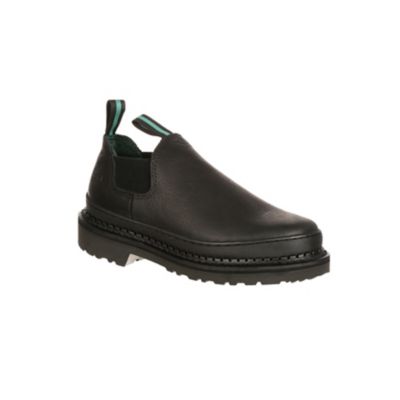
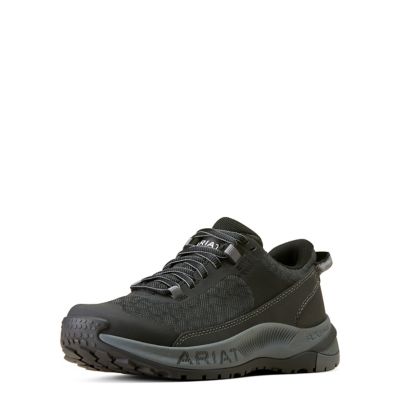
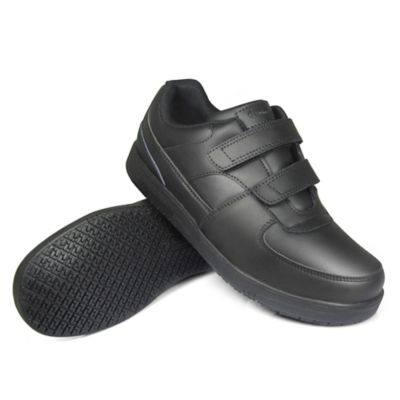
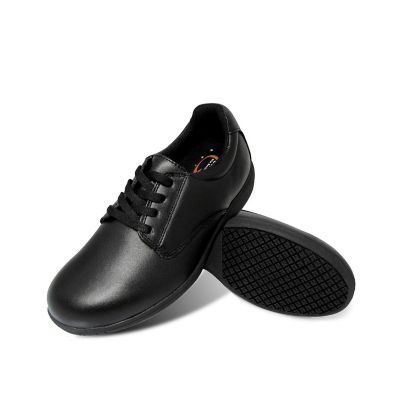
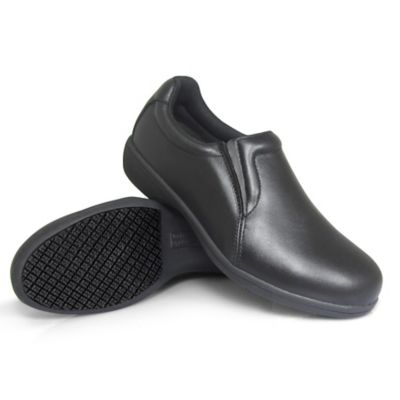
Women's Black Slip Resistant Sneakers bring the focus to a simple look that works across many everyday outfits. Color alone does not establish workplace suitability, though; dress codes may specify closed heels, particular upper materials, or other features beyond a black finish. Construction details help tell the longer-term story, too. Reinforced high-flex areas, firmly attached outsoles, and well-finished seams can support repeated wear, while exposed mesh may need more attention around snags and splashes. Care depends on the materials and the manufacturer’s directions rather than a single routine for every sneaker. Many smooth uppers can be wiped with a damp cloth, while fabric surfaces may call for gentle spot cleaning. Machine washing is appropriate only when the care instructions allow it, and high heat can harm adhesives, cushioning, or the shape of the upper. Letting shoes air-dry away from direct heat helps protect those components. Outsole care deserves equal attention because packed-in crumbs, grit, and other debris can interfere with the tread’s contact with the floor. Regularly clearing the grooves and removing residue according to the care directions helps keep the traction surface ready for the next shift. Wear checks matter as well: flattened tread, separation at the sole, and cushioning that feels compressed are signs to reassess the pair rather than judge by the upper alone. A spare pair can give damp footwear time to dry between shifts, especially when the workday involves frequent movement between entrances and indoor floors. For women whose schedules stretch from opening duties to an evening grocery stop, the appeal is straightforward: sneaker-like ease, a secure fit, and traction features matched to the places the day actually takes them.