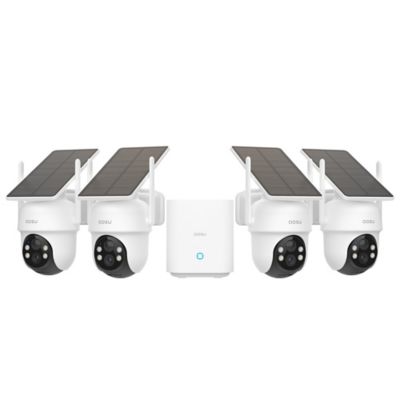
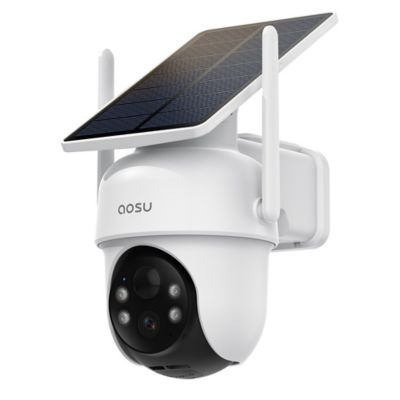
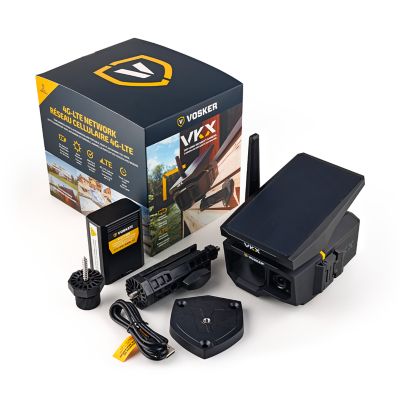
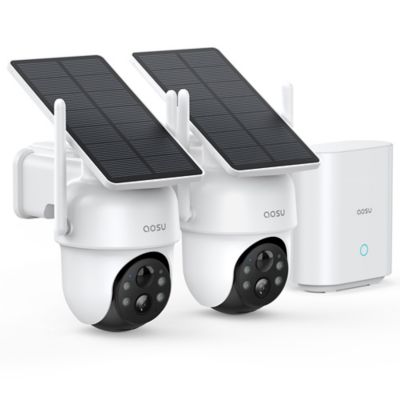
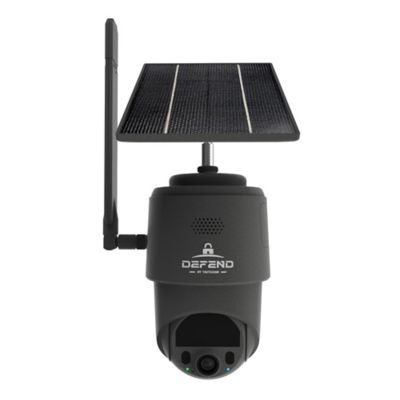
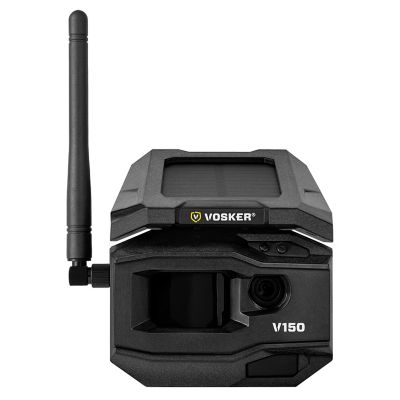
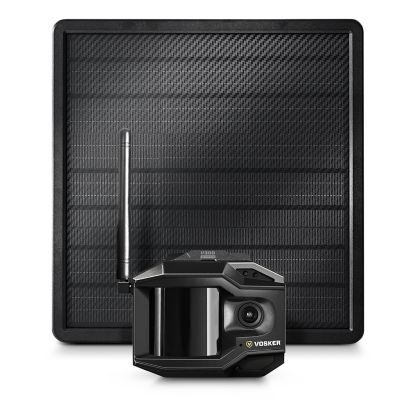
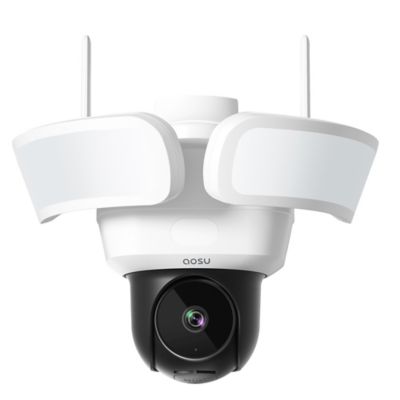
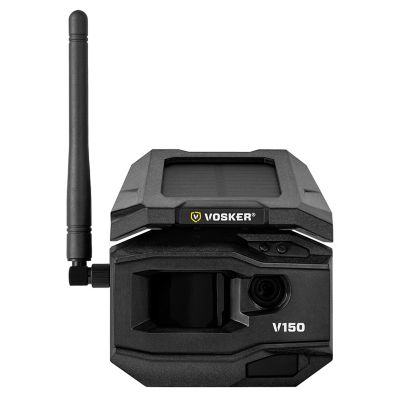
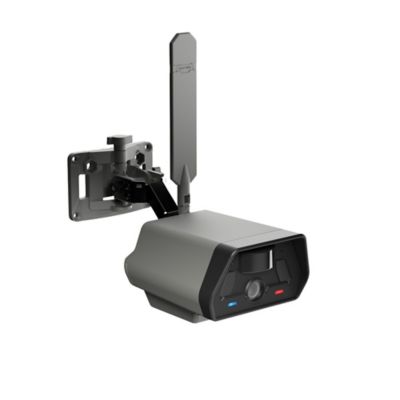
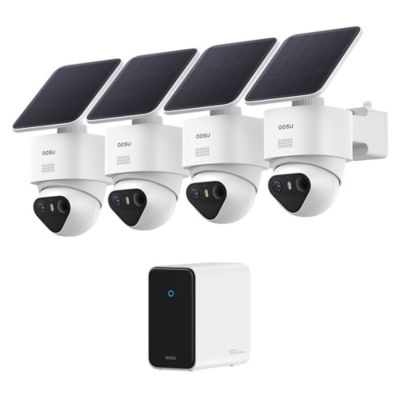
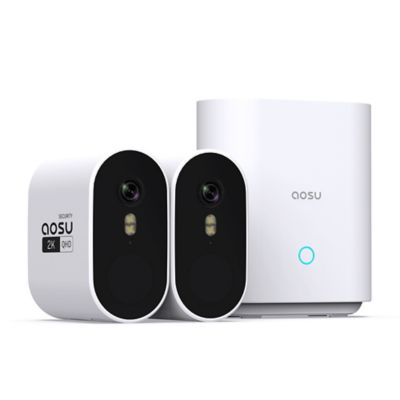
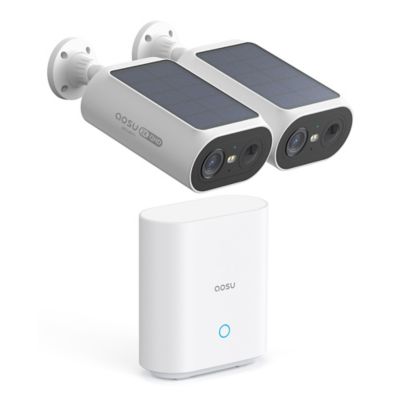
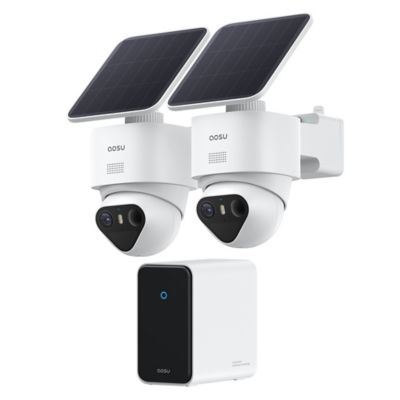
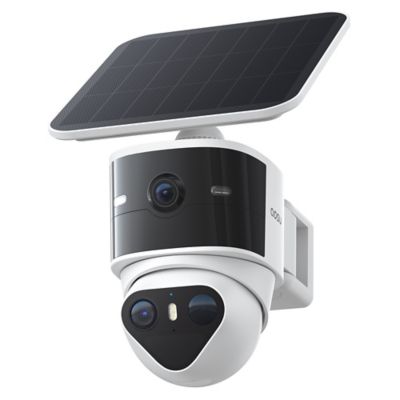
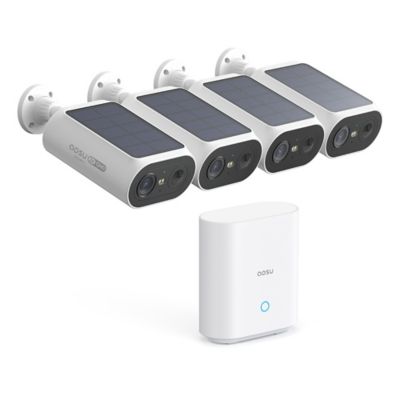
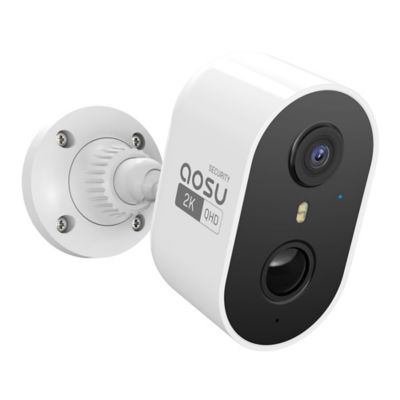
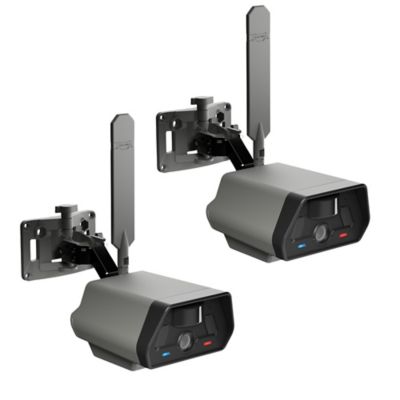
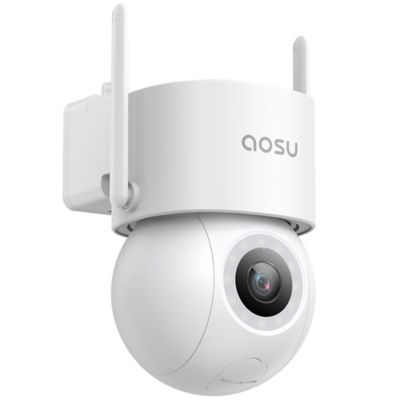
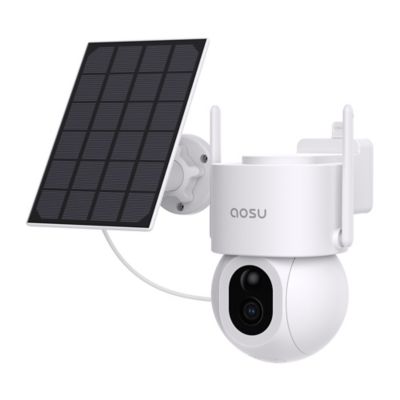
A security camera for outdoor monitoring helps keep an eye on driveway traffic, front gates, shop entrances, and the stretch between the house and the barn. For homeowners, acreage owners, and folks managing an outbuilding, the right setup brings those everyday spaces into view without a walk across the property every time something moves. Clear video, useful coverage, dependable power, and a recording setup that fits the property matter more than any single feature. Resolution describes how much detail a camera can capture, with 2K and 4K video providing more pixels than standard 1080p footage. That extra detail can help when reviewing a delivery at the porch or activity near a parked trailer, though distance, lighting, lens design, and recording settings also affect what is visible. A wide-angle lens can cover a broad section of a yard, while a narrower view may put more attention on a gate or doorway. Pan-and-tilt cameras can move their view across an area, and some designs offer a full 360-degree horizontal sweep. That movement does not mean every direction is recorded at once; fences, posts, buildings, and the camera’s position still shape coverage. Night vision matters around entrances and lanes without much lighting. Infrared illumination generally produces black-and-white nighttime footage, while color night vision may depend on nearby light or a built-in spotlight. Bright lights pointed toward the lens, deep shadows under an overhang, and a reflective wall close to the camera can all affect the picture. For a long driveway, seeing that a truck has arrived is a different task from reading its license plate. A camera suited to one job may not capture enough detail for the other. Features such as optical zoom, adjustable detection areas, and person or vehicle recognition can make coverage more useful, but their performance depends on placement and the scene. A view of the actual approach to a building often tells more than a sweeping shot of empty ground.
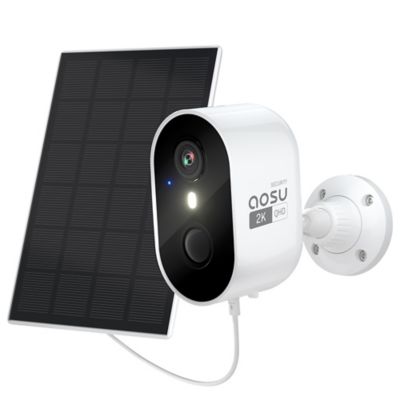
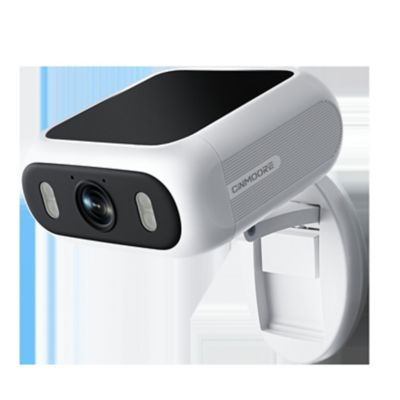
Power and connectivity shape where outdoor security cameras fit around a home, farmyard, or workshop. Plug-in cameras need a suitable power connection, while battery-powered designs allow more flexibility where running a cable would be a bigger job. Battery life varies with recording activity, live viewing, detection settings, and the strength of the network connection. A busy driveway can trigger far more recordings than a quiet side entrance, so battery expectations should match the location rather than a single advertised runtime. Solar-compatible cameras pair with a suitable panel to help maintain their batteries, but solar charging is not the same as unlimited power. Panel placement, sunlight exposure, shade from trees or buildings, and camera activity all affect the balance between charging and power consumption. A
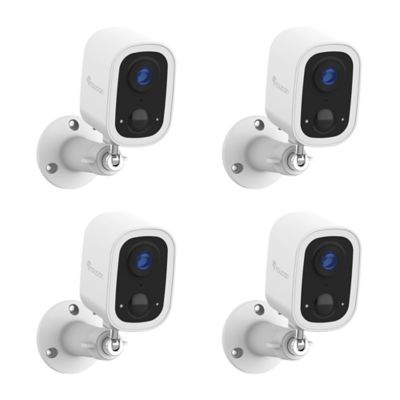
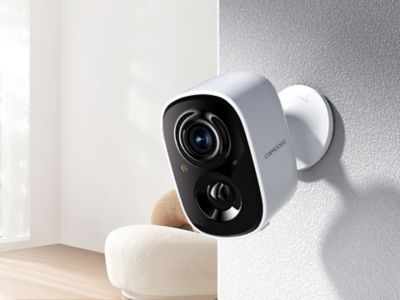
Wireless Outdoor Security Camera can be a practical fit around a porch, detached garage, or nearby shed when network coverage reaches the mounting spot. Wireless usually describes the data connection, not necessarily the power source, so some wireless cameras still require an outlet. Wi-Fi signals also have limits, especially across open acreage or through metal siding and masonry. A phone showing a weak connection beside the barn is a good reminder that camera placement and network reach need to work together. Wired network cameras, including compatible Power over Ethernet setups, can carry data and power through one cable, while cellular designs depend on supported mobile coverage and service arrangements. Outdoor-rated housings, sealed cable connections, and corrosion-resistant mounting hardware matter at exposed installation points. Published ingress-protection ratings describe tested resistance to dust and water, but the complete installation includes the mounting surface and every connection. A bracket secured to solid framing offers a different foundation than thin siding alone. Adjustable mounts help aim the lens along a fence line or toward a doorway without making the building itself the main subject of the recording.
Recording options determine what happens after an outdoor camera spots activity. Local storage may keep footage on a compatible memory card, base station, or network recorder, while cloud recording stores supported footage through an online account. Storage capacity, retention settings, recording mode, and account requirements vary, so a camera’s live view and its playback features are not always the same thing. Continuous recording can provide context before and after an event when the camera and storage system support it. Motion-triggered recording saves selected clips, but the start time, clip length, and gap between events can affect the story those clips tell. On a working property, a person walking toward the tool shed may matter more than branches moving beside it. Detection zones and supported person, vehicle, or animal filters can help narrow alerts, although no detection system catches every event or rules out every false alert. Two-way audio can help with a delivery at the gate, and a built-in light or siren adds another response option where appropriate. App access is handy for checking whether a package reached the porch or whether the side gate is open, but remote viewing depends on the camera’s connection and the service supporting it. Footage retention during a network outage depends on the system’s local recording capabilities. Account security matters, too: a strong password, two-factor authentication where supported, and software updates help protect access to cameras and recordings. Camera angles should stay focused on the property’s own entrances, parking areas, and workspaces, with attention to neighbors’ privacy and applicable audio-recording rules. Routine care is straightforward but worthwhile. Dust, cobwebs, and smudges on the lens cover can soften footage or reflect nighttime illumination, and a loose bracket can gradually shift the view away from the gate it was meant to cover. Cleaning according to the manufacturer’s directions, inspecting mounts and cables, and occasionally reviewing a saved clip help keep the setup serving its purpose. The most useful outdoor monitoring system is one that captures the right area, preserves footage when needed, and fits the way the property operates day to day.