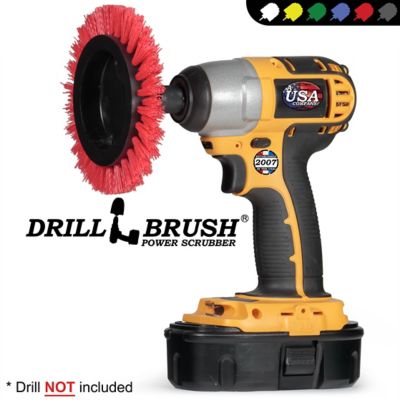
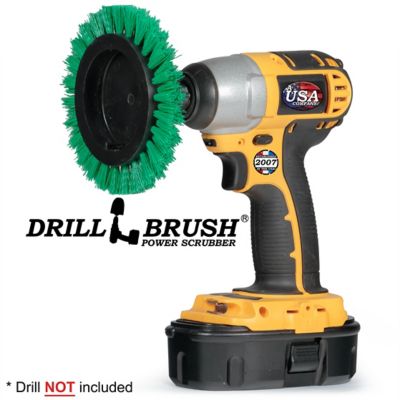
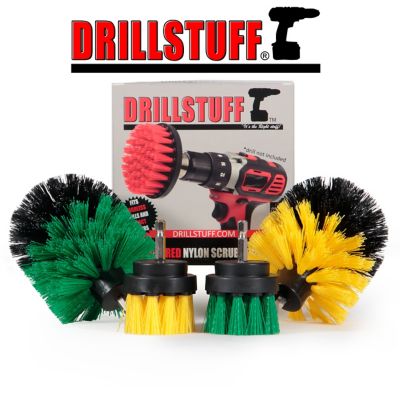
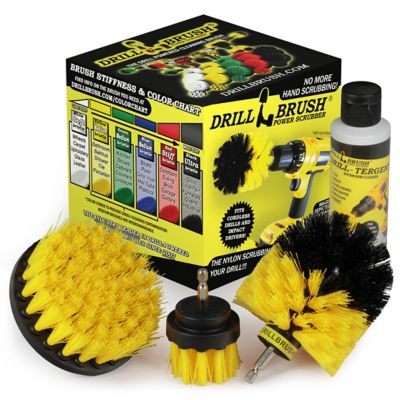
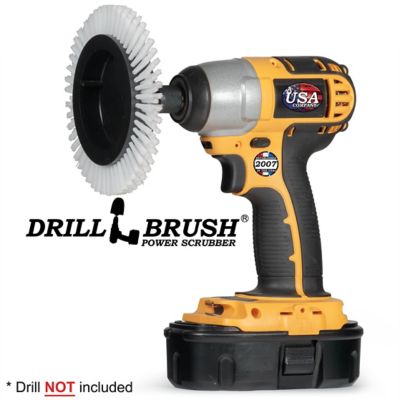
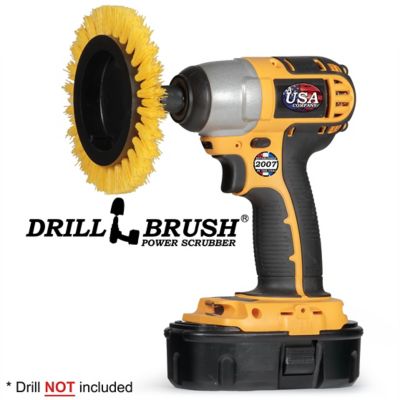
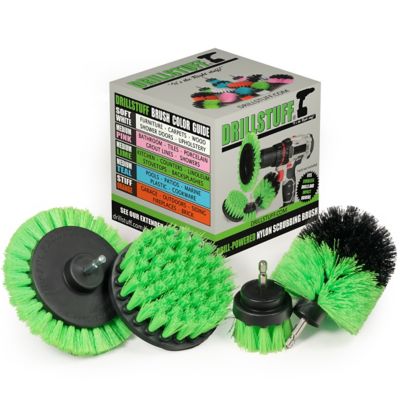
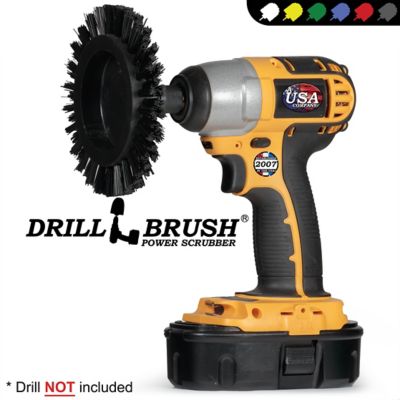
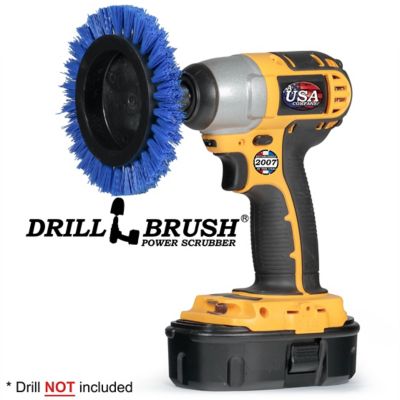
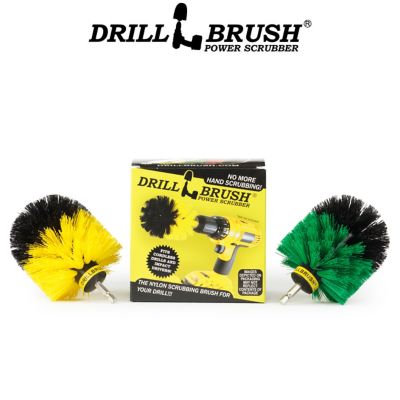
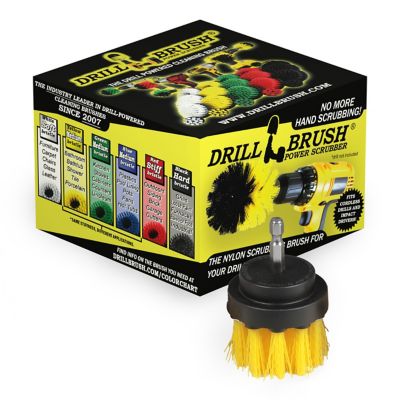
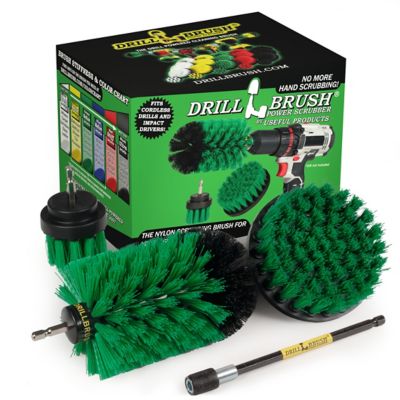
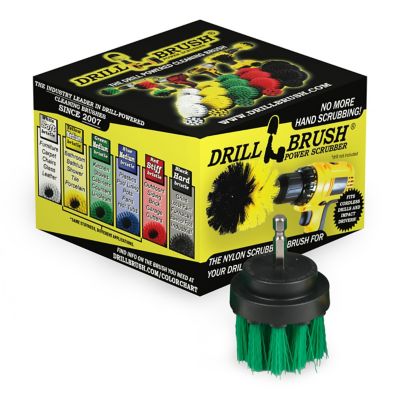
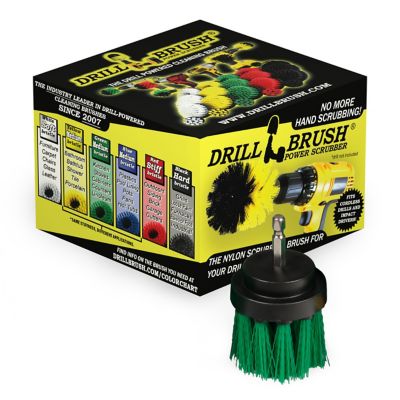
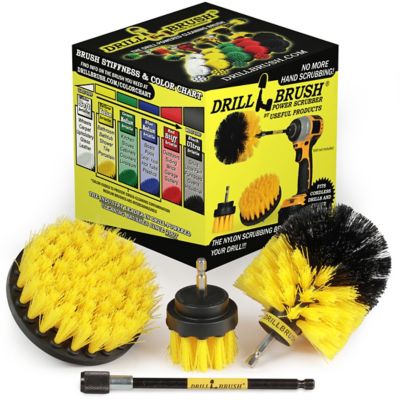
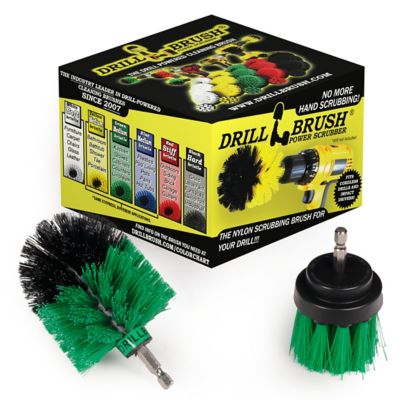
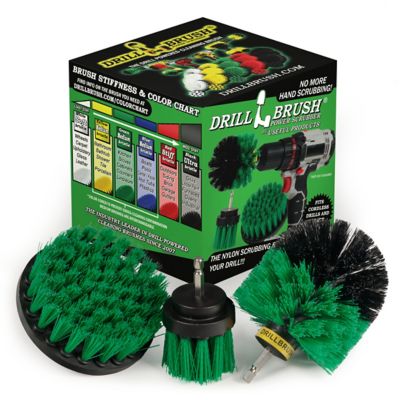
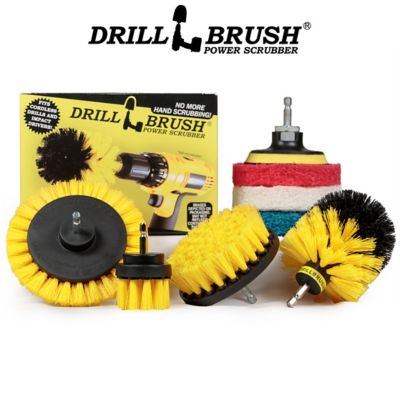
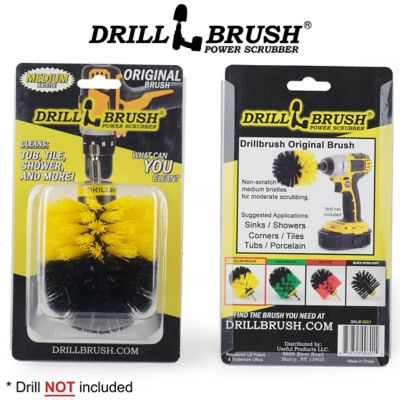
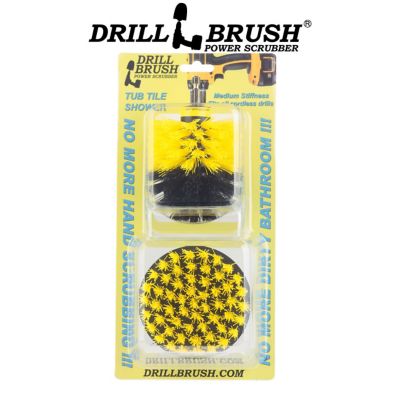
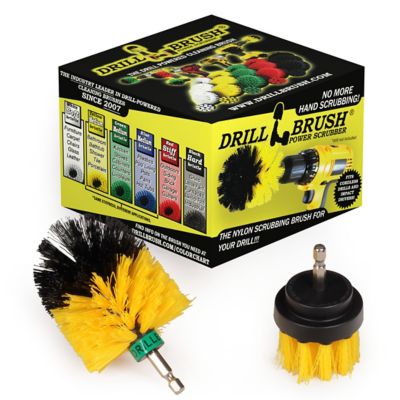
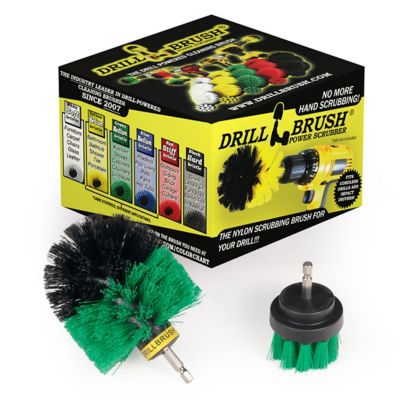
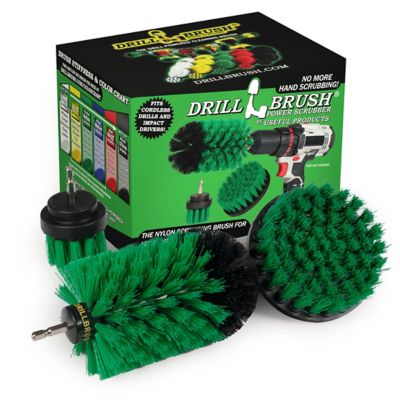
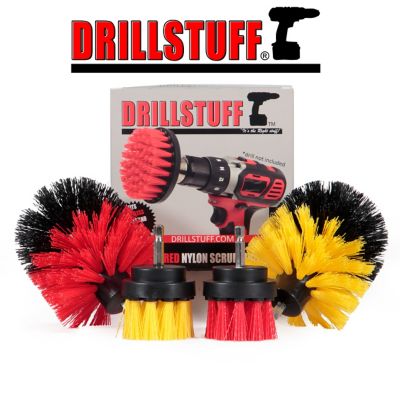
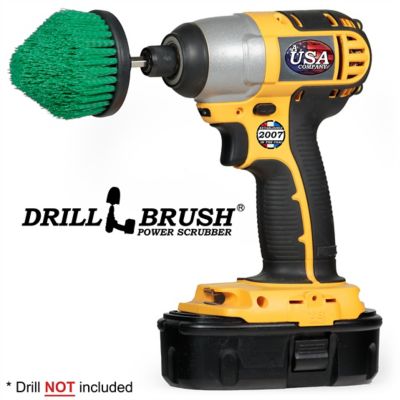
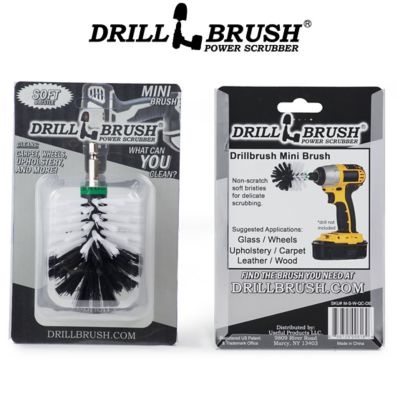
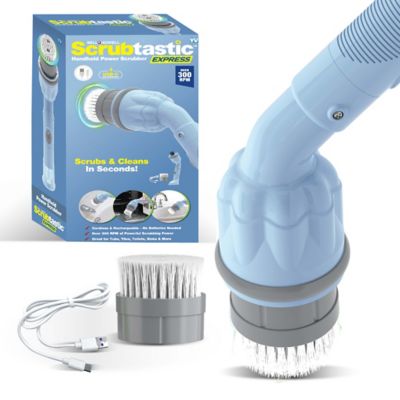
Drill brushes for grout cleaning are bristle attachments that connect to a compatible power drill and rotate to loosen surface dirt, soap residue, and grime along tile joints. Many have a 1/4-inch hex shaft that fits an adjustable drill chuck, while compatibility with quick-change holders or impact drivers depends on the attachment’s specifications. The spinning bristles provide scrubbing action that can cut down on repeated hand work, especially across a tiled entryway, shower wall, or laundry room floor. These attachments work with an appropriate cleaner; they do not replace the cleaner’s contact time or the rinsing needed to carry loosened soil away. For a household where boots track dirt through the mudroom or everyday chores leave a film around the utility sink, brush shape and bristle stiffness matter more than sheer speed. Flat, round heads cover open tile surfaces and intersecting grout lines, while smaller heads concentrate contact in narrow joints. Rounded and cone-shaped profiles can reach corners, edges, and the curved transition around certain fixtures. A wider brush may make sense for an open floor, but it can ride across the tile without reaching a deeply recessed joint. A smaller diameter offers more control beside a baseboard or around a drain, though it covers less ground with each pass. Sets with several head shapes give homeowners, property caretakers, and cleaning crews options for different parts of a room. The useful combination is one that matches the actual space: broad access for a tiled floor, a compact head behind a faucet, and a profile that reaches the grout without rubbing hard against surrounding trim. That fit helps the bristles do the scrubbing instead of putting extra strain on the person holding the drill. Brush attachments are intended for sound, fully cured grout and compatible tile surfaces, not for repairing loose joints, filling missing material, or removing discoloration that extends below the surface.
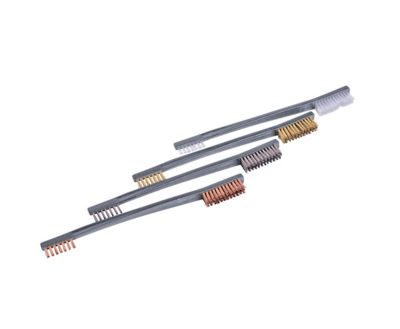
Bristle material and stiffness help determine where a grout-cleaning drill brush belongs. Nylon is a common choice because it offers scrubbing action without the metal edges found on wire brushes, but nylon alone does not make an attachment safe for every finish. Softer bristles generally provide a gentler starting point for sensitive surfaces, while firmer bristles apply more aggressive contact to stubborn buildup on surfaces that permit it. Brush colors are not a universal stiffness code, so the attachment’s stated material and intended applications tell more than its appearance. Glazed ceramic, porcelain, natural stone, sealed cement-based grout, and epoxy grout can have different care requirements. Polished stone, worn glaze, and certain coatings may scratch or lose their sheen under powered scrubbing. A tile or grout manufacturer’s care directions, along with a small test in an out-of-the-way spot, help establish whether a particular brush and cleaner suit the surface. Stiff bristles, heavy pressure, or prolonged contact can erode weakened grout and damage nearby caulk. A brush that bends deeply under pressure is not necessarily cleaning better; it may simply be dragging its sides across the tile. Bristle length also affects contact, with longer fibers offering reach into recesses and shorter fibers often giving a more direct scrubbing feel. Cleaner compatibility deserves the same attention as brush stiffness. Acidic cleaners can harm cement-based grout and some stone, while harsh chemicals may affect bristles, seals, or nearby metal finishes. A grout brush is therefore part of a surface-care setup rather than a cure-all for every stain. Ground-in soil along the path from the back door is a different job from soap film on a shower wall, and dark joints caused by moisture problems need more than surface scrubbing. Matching the brush to the material and the type of buildup helps protect the tile installation while making ordinary cleanup less of a wrestling match.
Fit, balance, and care also affect how well a drill brush serves over time. A straight shaft and a firmly seated attachment help limit wobble, while a head size suited to the drill keeps the setup easier to control. Larger heads and long extensions place more leverage on the tool and can feel awkward against a vertical wall or inside a shower corner. Extension shafts may improve access beneath a cabinet edge or around a fixture, but they also move the brush farther from the operator’s hands. Adjustable drill speed allows a more measured approach than running every attachment at full speed, and compatibility with an impact driver should never be assumed from the hex shaft alone. Water and electricity still need separation: cordless operation does not make a drill waterproof, and splashing can reach the chuck, vents, or battery connection. Eye protection helps shield against droplets and loosened grit, especially where a rotating head meets an edge. For the brush itself, rinsed bristles and thorough drying help keep trapped cleaner and dirty water from carrying over to the next job. Straight, evenly spaced fibers maintain better contact than bristles that are flattened, tangled, or packed with residue. Loose bristles, a cracked hub, or a bent shaft are signs that an attachment needs replacement rather than more pressure. Storage with the bristles free from heavy objects helps preserve their shape, and dry storage helps limit corrosion on metal components. Keeping bathroom attachments separate from kitchen-cleaning brushes also reduces the transfer of residue between work areas. The same separation applies to tools for entirely different chores, such as
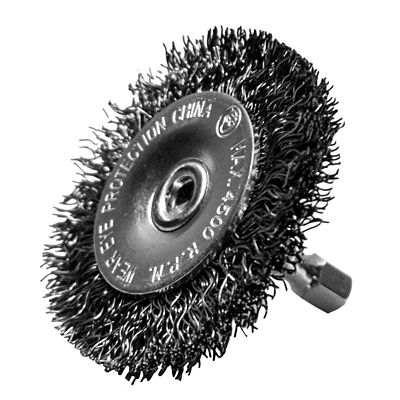
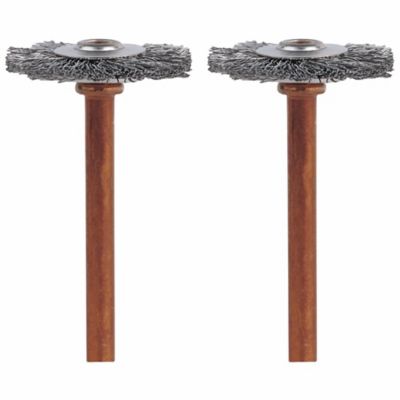
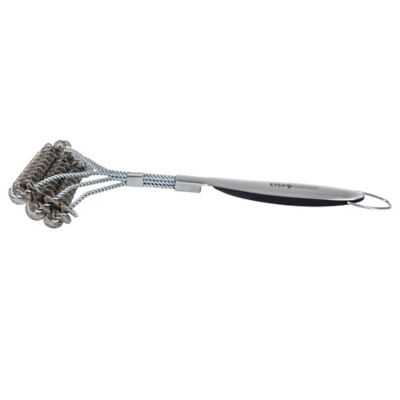
Wire Brushes for Grill Cleaning; metal-wire grill brushes are not substitutes for nylon grout-cleaning attachments. For homeowners tackling a well-traveled floor, caretakers maintaining a rental, or anyone looking after a tiled wash area, the right drill brush brings reach, controlled scrubbing, and a better match between the tool and the job.