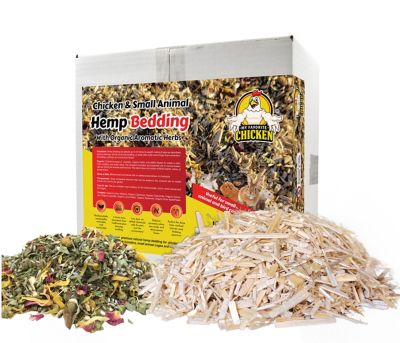
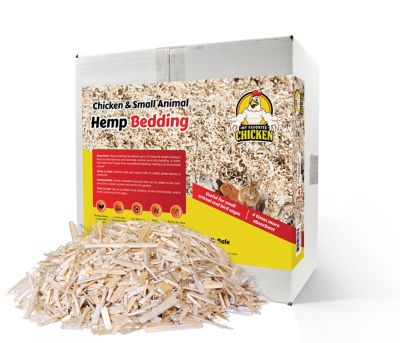
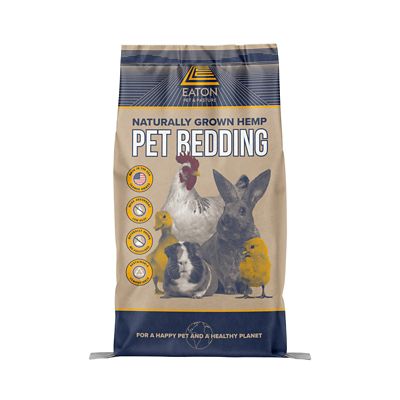
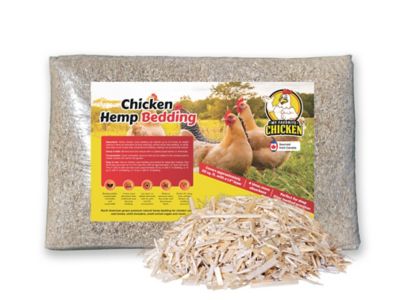
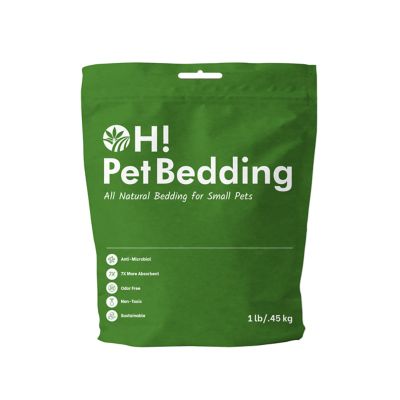
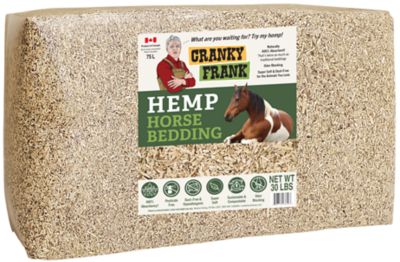
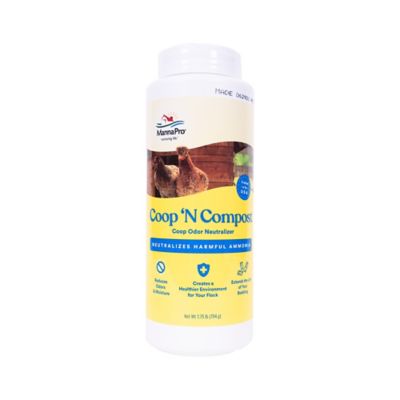
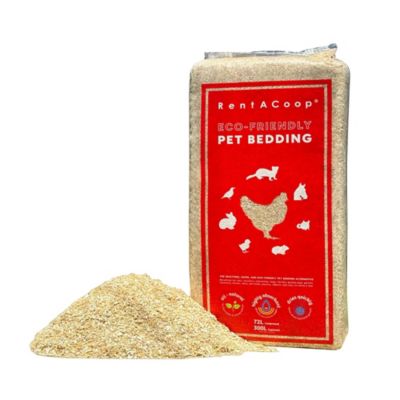
Hemp bedding for chickens is a practical choice for keeping the coop floor cleaner, drier and more comfortable through the changing seasons. Made from the soft inner hurd of the hemp plant, this bedding has a springy texture that gives hens a clean place to scratch, dust bathe and settle down at night. Hemp hurd is highly absorbent and can take in several times its weight in moisture, helping pull dampness away from droppings, spilled water and muddy feet. That extra moisture control matters during cooler months, when a coop may stay closed up longer and wet litter can quickly turn into a sour-smelling, packed-down mess. Hemp bedding also helps trap odors, including ammonia from manure, so the air inside the coop stays fresher when the bedding is managed properly. Many chicken keepers choose it because it is naturally low in dust compared with some finely broken-down bedding materials. Less airborne dust can mean less grit in feeders and waterers and a more pleasant environment for both the flock and the person tending it. It is still important to provide good ventilation, since no bedding can replace fresh airflow, regular observation and a dry, well-built coop. Spread hemp bedding over a clean floor at a depth that gives the flock room to scratch without exposing the surface underneath. Add a little more when areas become thin, damp or soiled, and remove caked spots before they spread. A scoop, small rake or gloved hand makes spot cleaning simple, especially around roosts, nest boxes and water stations where waste and moisture tend to collect.
Hemp bedding can work well for a traditional cleaning routine or a deep-litter setup. For weekly or twice-weekly cleanouts, its absorbency helps make used bedding easier to gather, while the light, fluffy texture is comfortable to handle and spread. With the deep-litter method, start with a clean, dry floor and a generous layer of bedding, then turn or stir the litter regularly so fresh material can mix with the older layer. Add new bedding as needed to maintain a dry surface, and pay close attention to areas beneath roosts, near doors and around feeders. Hemp tends to clump around moisture, which can make spot removal more straightforward and reduce the need to discard every bit of bedding during each cleaning. It also breaks down readily, making used material a useful addition to a compost pile when mixed with other organic matter and allowed to age properly. Composting is easiest when the bedding contains a balanced mix of carbon-rich material and chicken manure, along with enough moisture to support decomposition without becoming soggy. Before purchasing, consider the number and size of your chickens, the square footage of the coop, the depth of bedding you prefer and how often you plan to clean. Bag size and compressed volume can vary, so compare the usable coverage rather than judging only by the package dimensions. Keep unopened bedding in a dry place, and store opened material off the ground where it will not pick up moisture. A larger flock, a walk-in enclosure or a setup that sees frequent rain may require more bedding on hand, while a small backyard coop may use less. For a flock with room to roam, pair clean hemp bedding with a well-designed shelter such as a
Large Chicken Coop for Farms, sturdy roosts, secure nesting areas and ventilation above the birds’ head level.
Hemp chicken bedding is useful for backyard flock owners, homesteaders, small farm operators and anyone caring for chicks or mature hens. It can be especially handy when wet ground, muddy runs or cooler weather make it harder to keep conventional bedding dry. For young chicks, choose a clean, absorbent bedding material with a texture that will not encourage slipping, and make sure feeders and waterers are positioned to limit spills. Adult hens appreciate a dry floor just as much as their keeper does, particularly after a rainy day when they track moisture into the coop. Nest boxes should generally have their own clean, comfortable lining so eggs stay protected from dirt and cracking, while the main floor can receive a deeper layer for scratching and waste control. Hemp bedding can also make a thoughtful gift for someone who keeps chickens, whether that is a new flock owner setting up a first coop, a neighbor raising a few hens for household eggs or an experienced farmer looking for a lower-dust alternative to straw or pine shavings. It pairs naturally with other practical flock-care supplies, though the right quantity depends on the coop and cleaning habits. When using any bedding, check it by hand and by smell: it should feel dry rather than clammy, should not have a strong musty odor and should be replaced or refreshed when it becomes heavily soiled. Watch the birds, too. Clean feathers, active scratching and normal eating and drinking are good signs, while persistent wetness, strong ammonia odor or clumped litter calls for prompt attention. With sensible ventilation, secure housing and consistent maintenance, hemp bedding for chickens can help make daily coop care easier while giving the flock a cleaner, softer place to roost and forage.