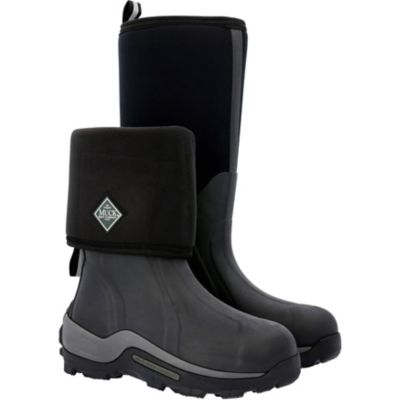
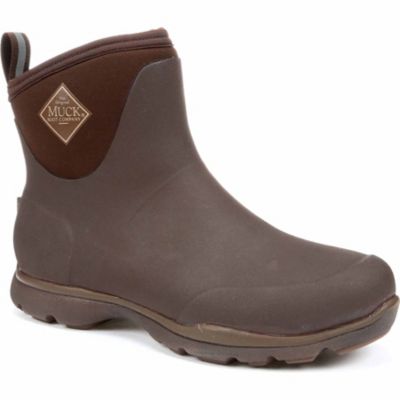
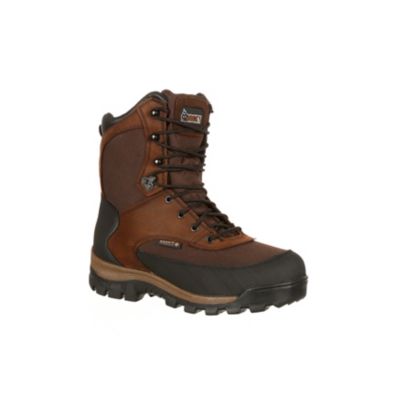
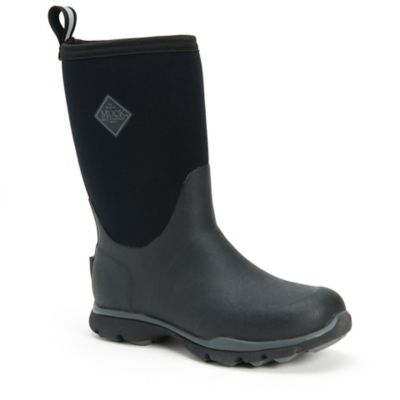
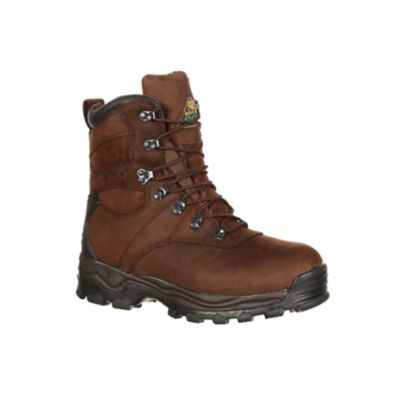
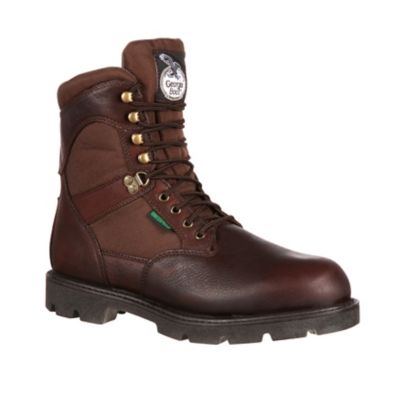
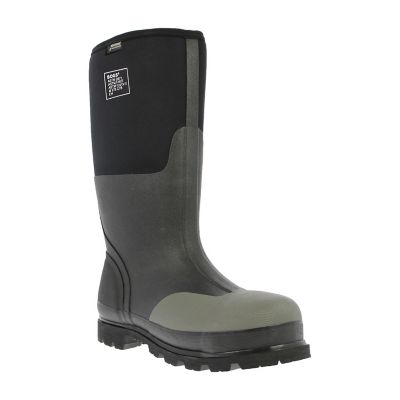
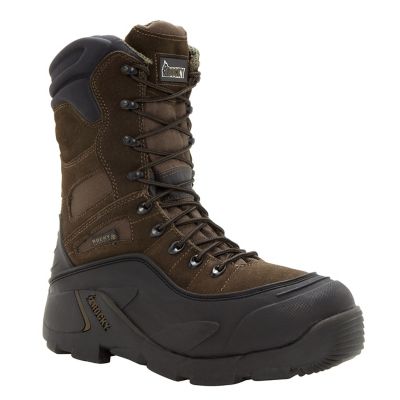
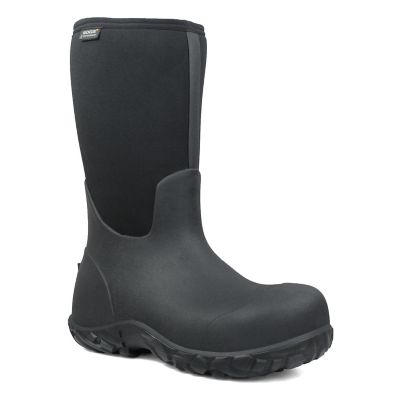
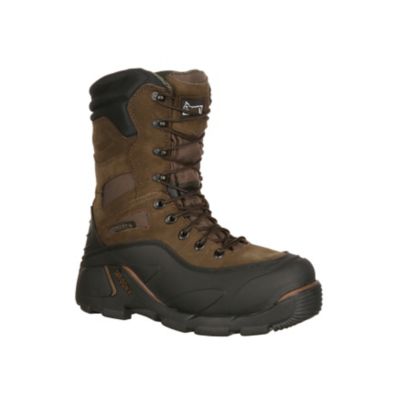
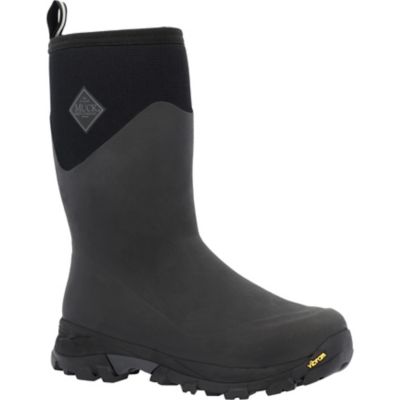
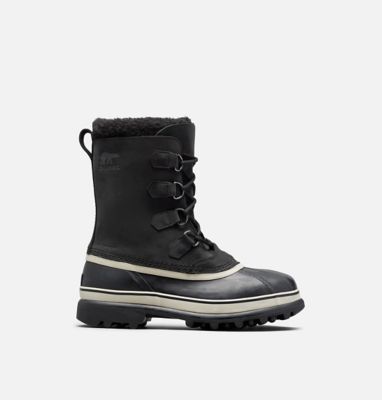
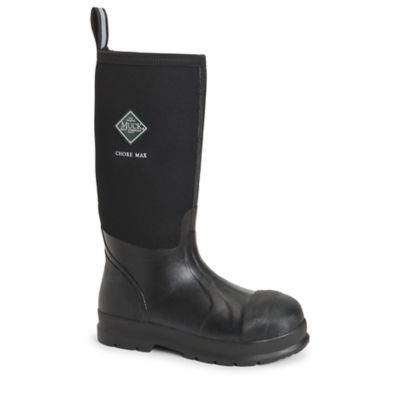
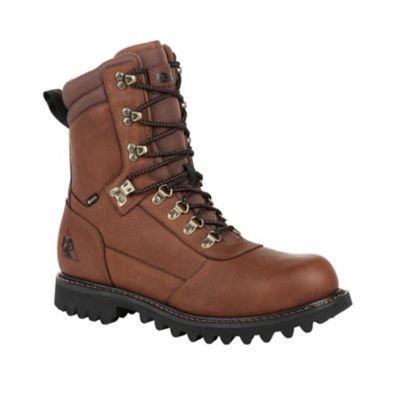
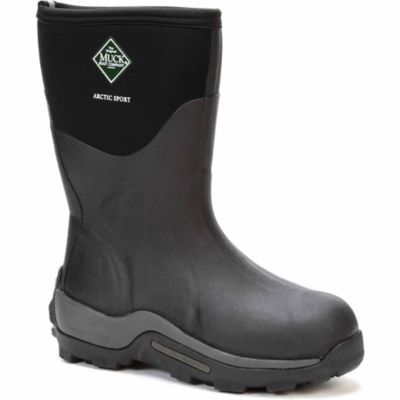
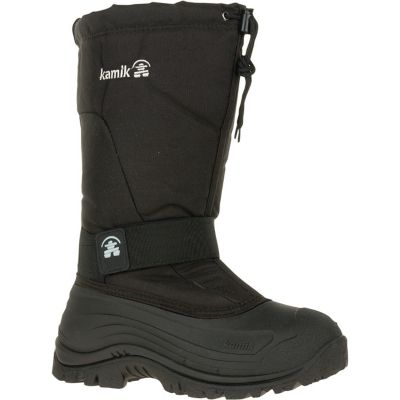
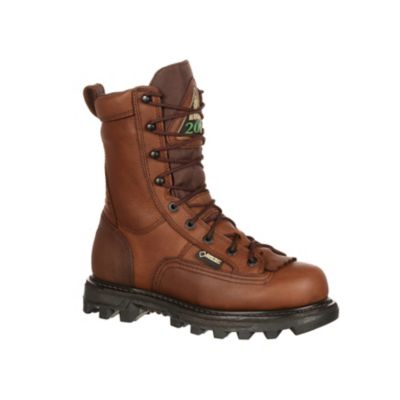
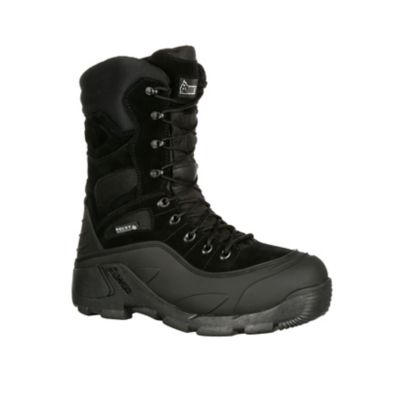
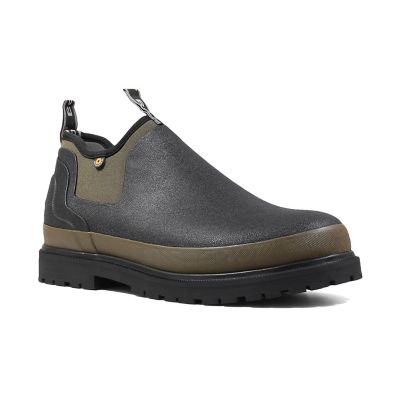
Winter footwear for men includes insulated work boots, waterproof pull-on boots, lace-up snow boots and cold-weather casual shoes, each suited to a different kind of day. A walk to the feed shed calls for something different than hours repairing fence, clearing snow or standing beside a frozen water trough. Tall shafts provide more coverage through snow and slush, while lower shoes allow easier movement for errands, driving and shorter trips outdoors. Pull-on styles keep things simple at the back door, especially when muddy chores mean taking boots off before stepping inside. Lace-up styles offer more adjustment through the ankle and instep, which can matter on uneven ground or a long walk across the property. Materials play a big part in how winter boots feel and perform. Leather uppers offer structure and can soften with wear, while textile panels may reduce weight and allow more flexibility. Rubber shells help keep wet snow and muddy water away from the lower foot, and neoprene shafts can flex comfortably around the leg. Water-resistant footwear generally suits brief exposure to light moisture; waterproof footwear is designed to resist water entry within the limits of its construction. Sealed seams, waterproof membranes and gusseted tongues can help block common entry points, although water can still enter over the top. A tall boot makes sense for deeper snow, but shaft height alone does not establish how much water a boot can handle. For men moving between the barn, truck and town, a less cumbersome winter shoe may feel more practical than a heavily insulated snow boot. For longer stretches outside, more coverage and insulation can earn their keep. The right match starts with the ground underfoot, the amount of movement involved and how long the footwear needs to stay comfortable between breaks indoors.
Warmth comes from the whole setup, not insulation alone. Insulated winter boots help slow heat loss, but the upper material, lining, sole thickness, sock choice and fit all influence comfort. Higher insulation weights generally provide more warmth within otherwise similar boot designs, though they do not translate into one dependable temperature limit for every wearer. A man walking briskly along a snowy trail generates more body heat than someone standing at a gate watching cattle, so the same boot can feel quite different in those two situations. Breathable linings and moisture-managing wool-blend or synthetic socks help handle perspiration, which matters even on bitter days. A boot packed too tightly with thick socks can squeeze the foot and leave less room for comfortable movement. A good fit leaves space to wiggle the toes without allowing the heel to lift excessively or the foot to slide forward on a downhill step. Trying footwear with the socks intended for it gives a better sense of that fit, and removable footbeds may provide room for an appropriate insert when the boot’s design allows. Wide widths, adjustable laces and generous openings can also make a difference for men who struggle with pressure across the forefoot or instep. Underfoot, tread deserves as much attention as warmth. Deep lugs can bite into loose snow and soft ground, while spaced tread patterns may shed mud more readily than tightly packed grooves. Outsole material also affects how a boot behaves in cold conditions, and no tread makes every icy surface safe. Packed snow, smooth barn concrete and a slick truck step each present different footing. Winter work boots may also include safety toes or other protective features, but those features should match the job’s requirements rather than being assumed from a boot’s heavy appearance. Snow boots, chore boots and winter work boots can overlap in looks without serving the same purpose.
Winter footwear earns its place through repeated trips across gravel, snow, mud and salted pavement, so construction and upkeep matter over the long haul. Reinforcement around the toe and heel helps protect areas that take frequent knocks, while sturdy stitching, secure sole attachment and substantial tread contribute to how well a pair holds up. Flexibility matters, too: a boot that bends naturally at the forefoot can feel easier through a full day of walking, while a more structured design may suit tasks that call for additional support. Even a well-built pair benefits from a little attention after chores. Brushing away dried mud keeps grit from lingering around seams, and wiping off road salt helps limit residue on leather and other uppers. Leather treatments should match the material and the maker’s care directions, since some finishes and waterproof constructions need particular care. Rubber and neoprene also benefit from gentle cleaning rather than harsh solvents. After a wet day, opening the footwear and removing removable liners or footbeds can help the interior dry more thoroughly. Gentle airflow is a better approach than setting boots against a stove, radiator or other strong heat source that could damage materials or adhesives. Dry socks and a dry boot interior make the next early start a lot more comfortable. For men who spend much of the day on their feet, cushioning, manageable weight and an easy stride can be just as important as a tall shaft or thick lining. Winter footwear can also make a thoughtful gift for a dad, brother, husband or friend whose routine includes outdoor chores, provided his size, width and intended use are known.
Winter Accessories For Men can help round out that cold-weather setup. From checking livestock before daylight to heading into town after the work is done, well-matched footwear keeps comfort, coverage and practical function at the center of the day.