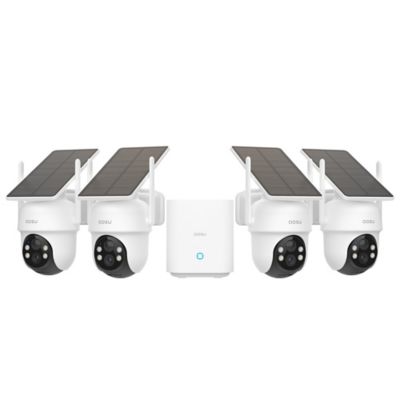
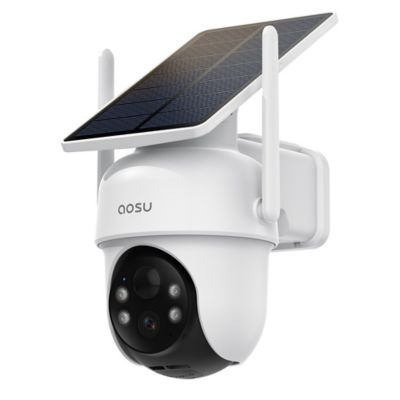
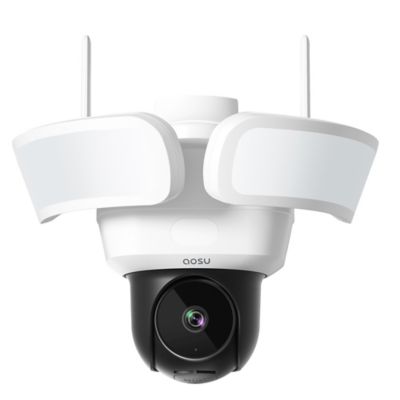
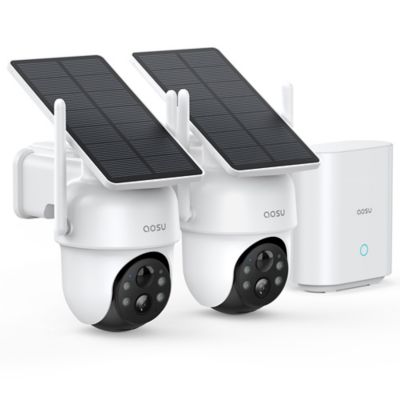
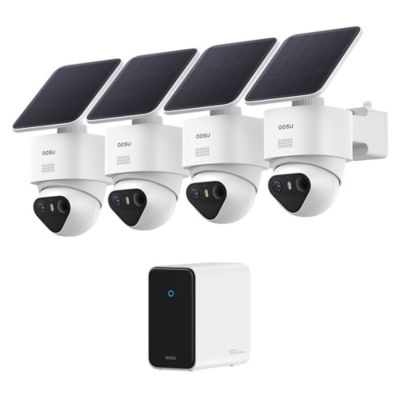
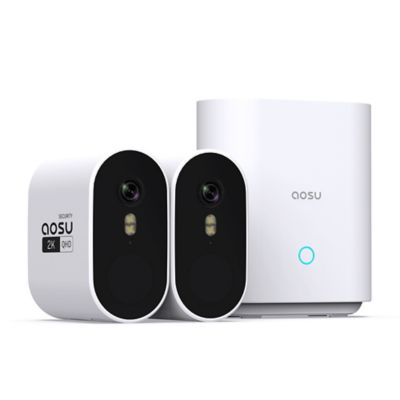
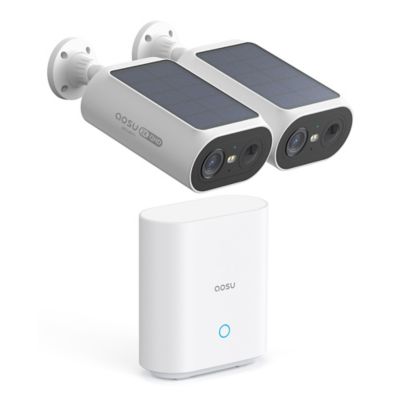
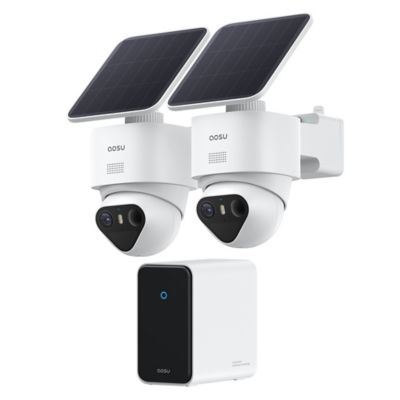
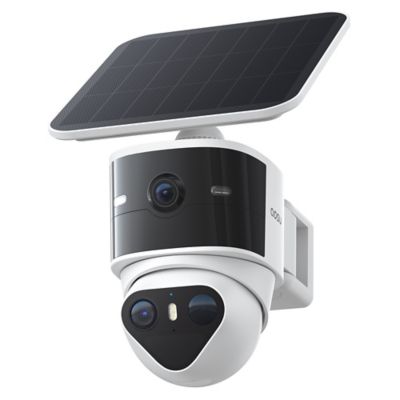
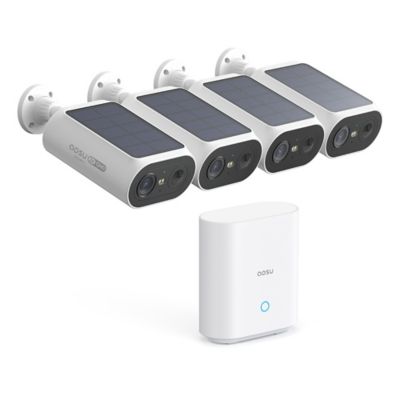
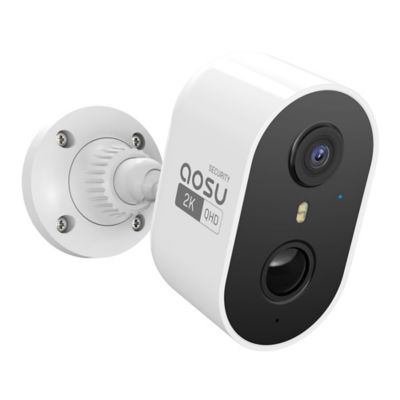
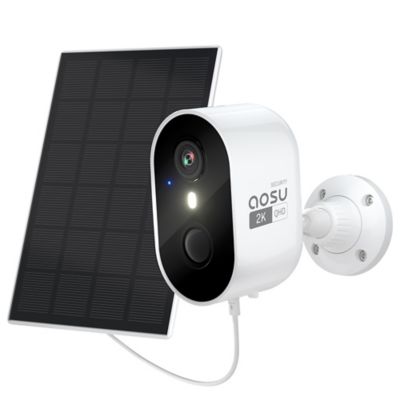
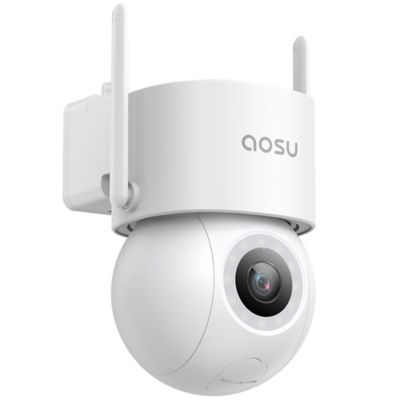
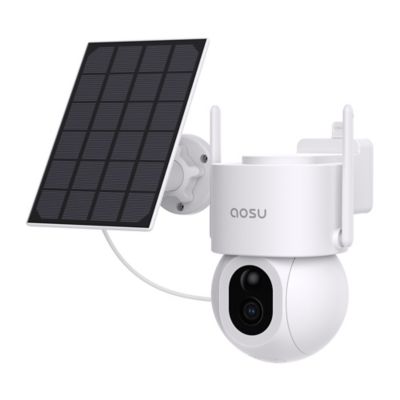
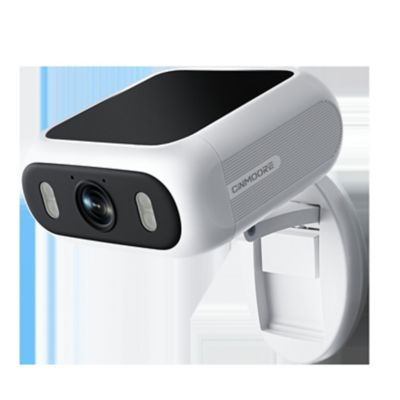
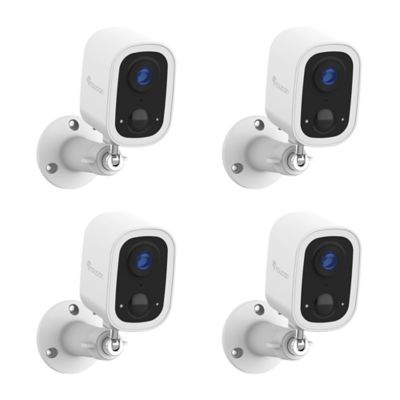
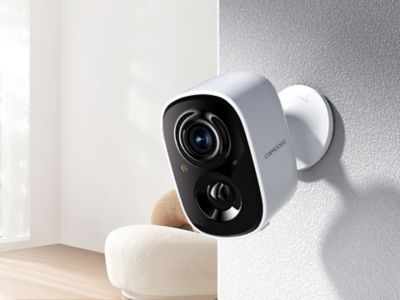
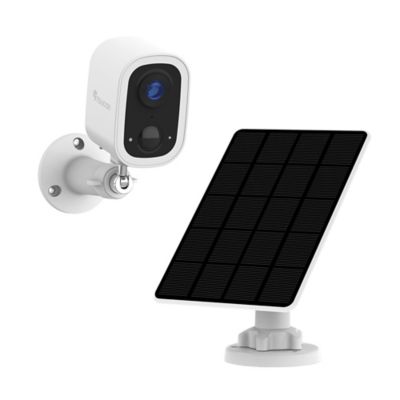
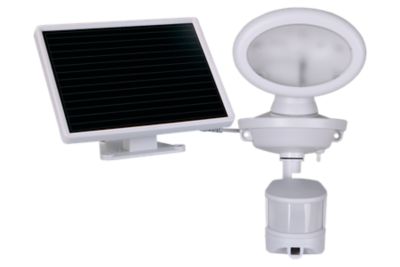
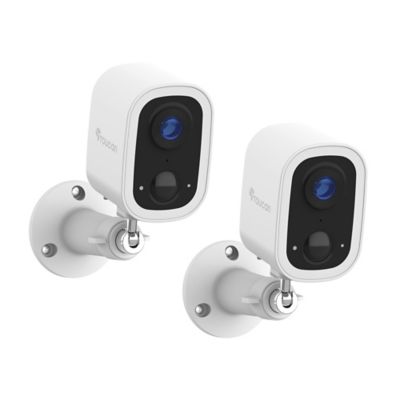
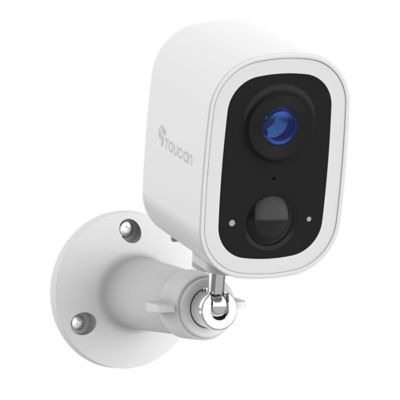
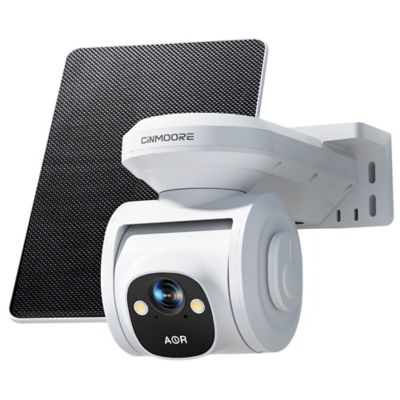
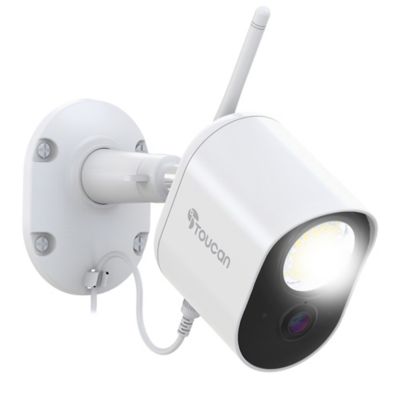
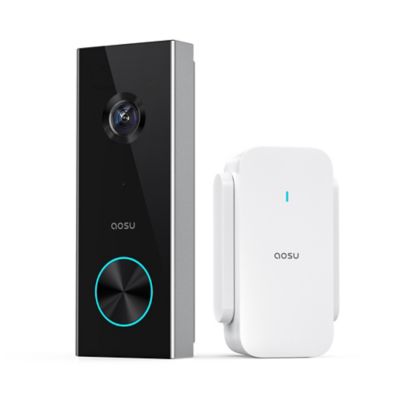
White security cameras help keep an eye on entrances, driveways, garages, barns, and indoor spaces, with wired, wire-free, and floodlight styles suited to different setups. The white housing can blend into light-colored siding, painted porch ceilings, soffits, eaves, and stucco, giving the camera a less noticeable appearance against those surfaces. Against dark wood or brick, that same finish stands out more, which may suit a spot where a visible camera is part of the plan. Color affects how the camera looks on the building, not how it records; the lens, sensor, lighting, and recording features determine what appears on screen. For a farmhouse with a long gravel approach, the useful view may include the driveway entrance and the area beside a parked truck. At a workshop, the priority might be the main door, tool storage, or a side entrance that is hard to see from the house. Compact fixed-view cameras suit a defined area, while models with pan-and-tilt controls can let someone adjust the view through an app. A wide-angle lens captures more of a porch or room, though people farther from the camera may appear smaller. Higher resolution can add detail, but distance, lens angle, lighting, and video compression still affect whether a face or other feature is recognizable. Placement matters just as much as the specification sheet: a camera pointed across a doorway may capture a better view of a visitor than one aimed straight down from a high roofline. Infrared night vision supports viewing in darkness, while some cameras pair visible lighting with color recording. Nearby walls, overhangs, and glass can reflect infrared light back toward the lens, so a clear line of sight is an important part of the fit. A white security camera works best when its mounting position, viewing angle, and recording features match the area it needs to cover.
Power and connection options make a big difference across a rural property. A wired security camera may receive power through an outlet, dedicated wiring, or a compatible Power over Ethernet connection, depending on its design. Power over Ethernet, often called PoE, carries power and data through a compatible Ethernet cable and requires suitable network equipment. That arrangement can make sense for a fixed installation where running cable is practical. A Wi-Fi camera can send video wirelessly while still needing a power cord, so wireless connectivity does not always mean wire-free operation. Battery-powered cameras offer more freedom where an outlet is out of reach, but charging access remains part of ownership. A compatible solar panel can help maintain a rechargeable battery when the panel receives enough unobstructed sunlight; it does not remove every charging need in every installation. Connection range deserves particular attention around detached garages, metal-sided sheds, and barns. A strong signal at the kitchen table does not guarantee the same connection at the far end of a building, especially with several walls between the camera and router. Recording options also vary. Local storage may keep footage on a memory card or recorder, while cloud storage sends recordings to an online account. Storage capacity, recording settings, and retention limits determine how much footage remains accessible. Some cameras record continuously, while others save clips after motion triggers an event. Detection zones and person, animal, or vehicle alerts, where supported, can help sort activity near a gate from movement elsewhere in the frame. Two-way audio can make it easier to speak with someone at the door or check in with a family member in the garage, though microphone placement and background noise affect the conversation. App access, shared viewing permissions, and compatibility with an existing recorder or smart-home system are worth considering alongside the camera itself, especially when several people need access to the same property views.
Housing materials, mounting hardware, and everyday upkeep help determine how well a white security camera fits its surroundings over time. Camera bodies may feature molded plastic, metal, or a combination of materials, with construction suited to indoor placement or outdoor installation. An outdoor designation and a stated ingress-protection rating provide more useful information about resistance to water and dust than appearance alone. Indoor cameras belong in spaces that meet their installation requirements; a sheltered barn doorway is not automatically the same setting as a living room. For viewing a mudroom, home office, or another interior area, the
Indoor Security Camera collection keeps the focus on cameras intended for inside spaces. Fit includes the bracket footprint, adjustment range, cable route, and mounting surface. A solid attachment to suitable framing or masonry helps hold the view steady, while the right anchors depend on the surface and the installation instructions. White housings can show dust, insect marks, and grime, particularly near a busy shop or gravel drive. Gentle cleaning with materials approved by the manufacturer helps keep the finish and lens clear without scratching protective surfaces. Cobwebs close to the lens can obscure the picture and trigger motion events, making an accessible mounting spot helpful for routine care. Battery compartments, memory-card slots, and cable connections also need enough clearance for service without taking apart the whole setup. Inside the house, cameras should face the intended area rather than private spaces, and outdoor views should stay focused on the property being monitored. Strong account passwords, available security updates, and carefully managed access permissions support responsible everyday operation. For homeowners watching a front entry, small-acreage owners checking a driveway, or folks keeping track of a workshop entrance, the right combination is practical: a finish that suits the building, a clear view of the activity that matters, and power, recording, and connection features that fit the property.