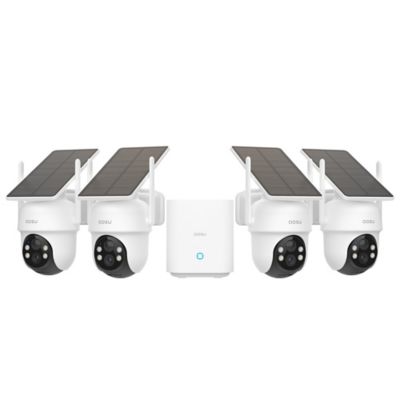
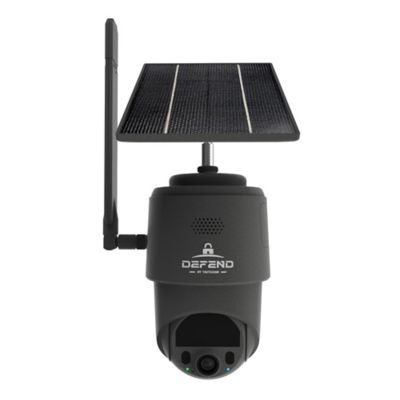
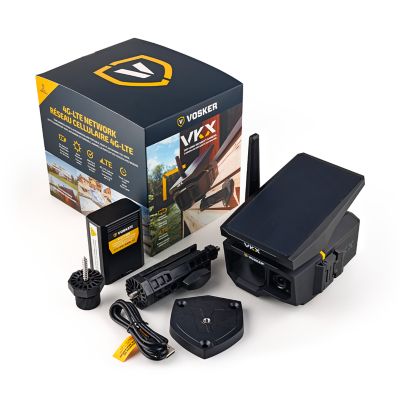
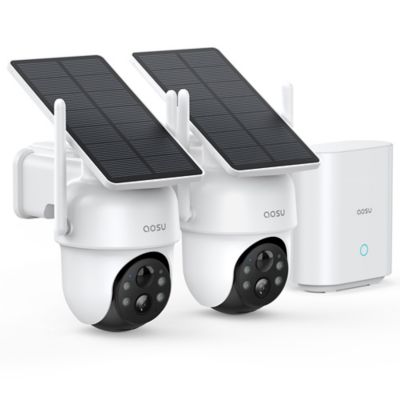
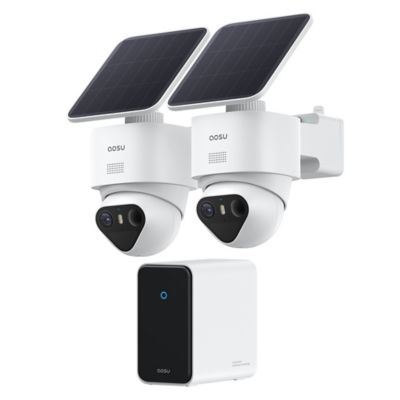
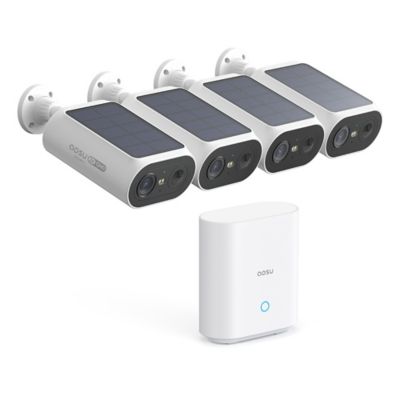
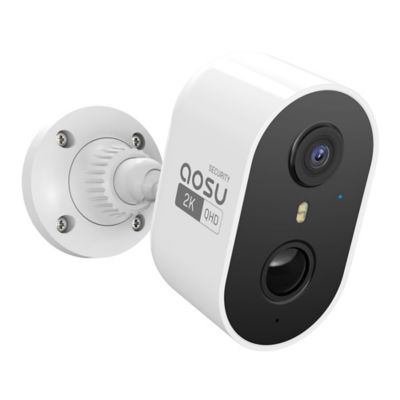
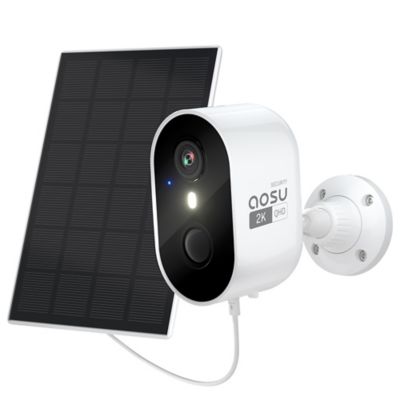
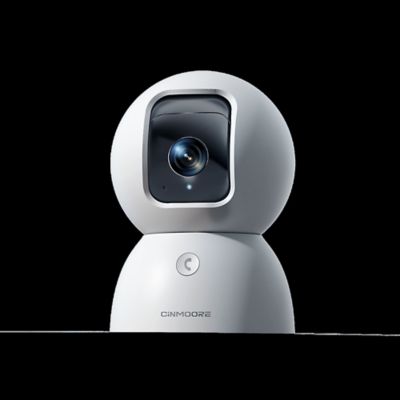
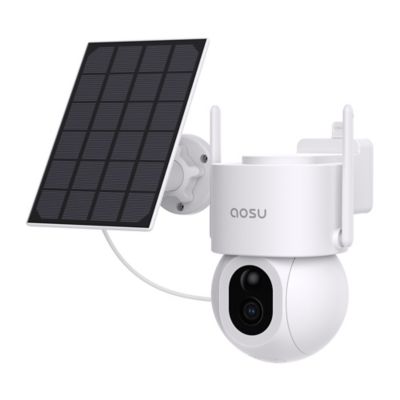
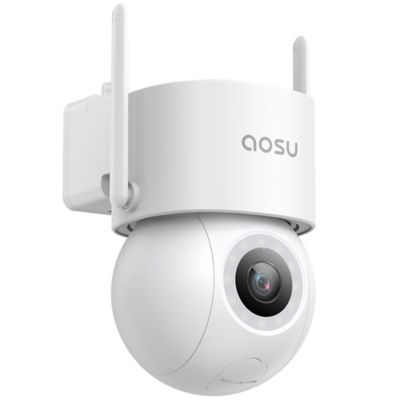
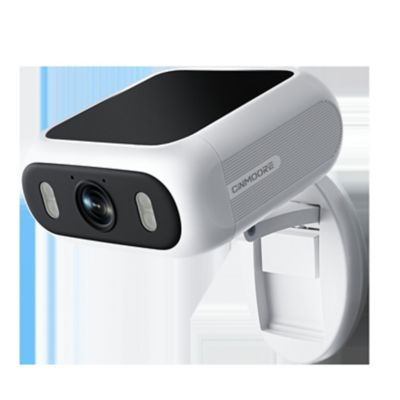
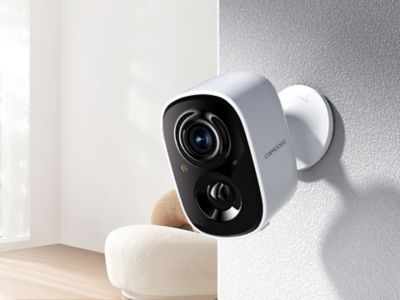
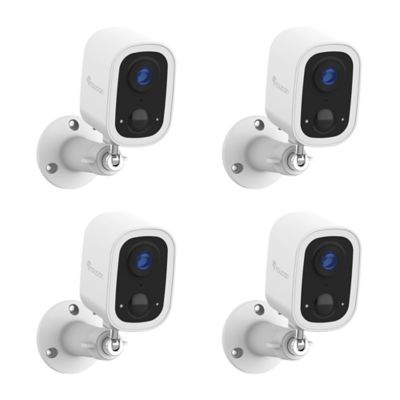
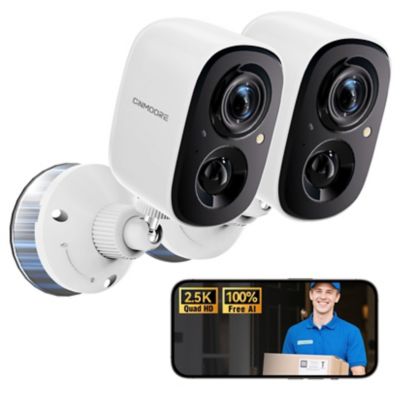
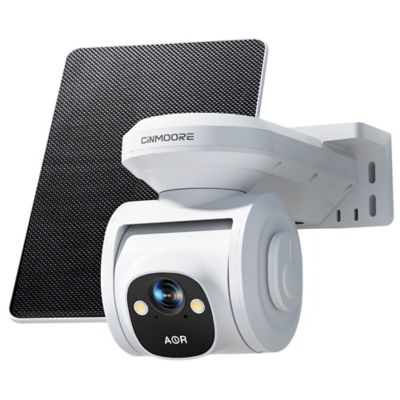
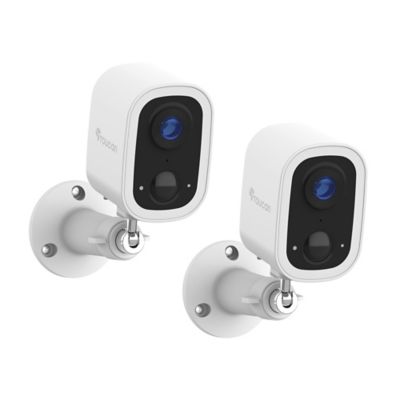
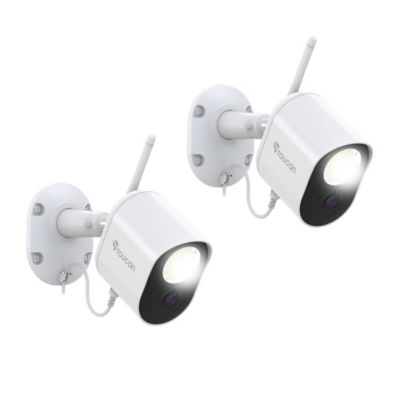
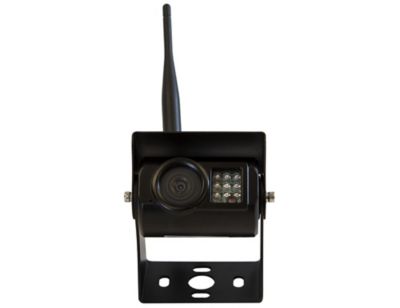
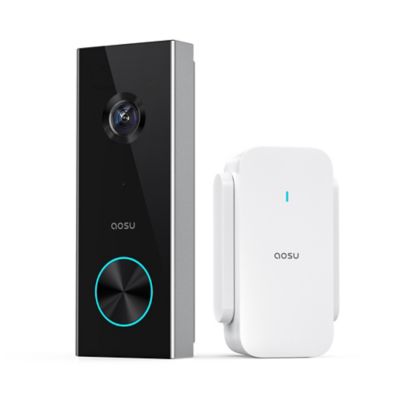
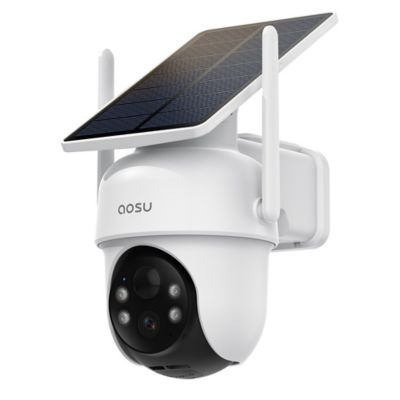
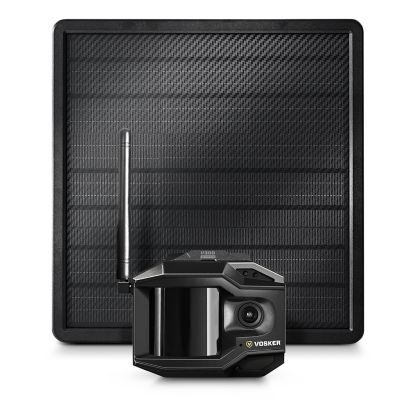
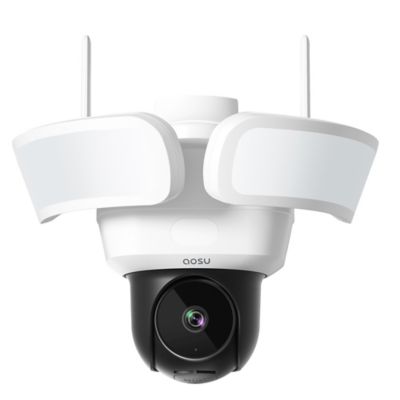
A night vision security camera captures video after dark through infrared illumination, low-light color imaging, or a combination of the two. Infrared cameras typically produce black-and-white nighttime footage, while color night vision needs enough available light or a built-in light to show the scene in color. That distinction matters when keeping an eye on a driveway entrance, checking the barn aisle, or seeing what set off an alert behind the shop. Infrared lighting can provide a view without lighting up the whole area, although some emitters show a faint red glow. Color footage may make it easier to distinguish a jacket, vehicle, or piece of equipment, but performance depends on the sensor, lens, lighting, and distance. Neither approach guarantees clear facial details or readable license plates across a wide yard. Advertised night vision range describes illumination reach under particular conditions, not a promise that every detail will be recognizable at that distance. Resolution helps show detail, but lens coverage, motion blur, and the amount of light reaching the sensor matter, too. A wide-angle view takes in more of a corral or parking area, while a narrower view can put more attention on a gate latch or entry door. Higher mounting positions cover more ground but may show the tops of hats rather than faces. Placement also affects infrared performance: a nearby wall, metal post, or bright reflective sign can bounce light back toward the lens and wash out the picture. A camera looking through a window may capture reflections from its own infrared lights instead of the yard beyond. For property owners, livestock keepers, and anyone heading out before daylight or getting home after dark, the most useful view is one aimed at a real point of activity. A clear look at the walk to the house or the approach to a tool shed often tells more than a distant view of the entire property.
Night vision security cameras come in designs suited to indoor rooms, sheltered mounting spots, and outdoor locations, with housings and mounting hardware that need to match the setting. Aluminum and molded polymer housings are common, while sealed cable connections and outdoor-rated construction matter around exposed mounting locations. A feed-room camera has different demands from one attached to a gatepost, especially where dust, insects, or curious animals can reach it. A
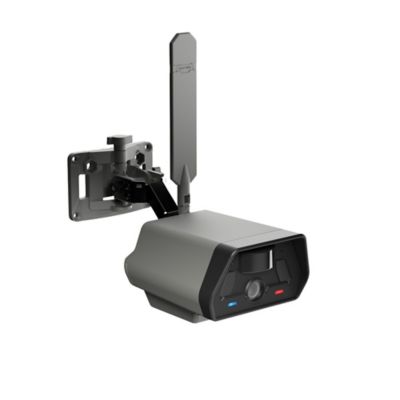
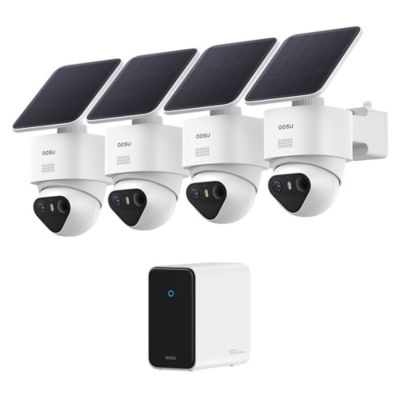
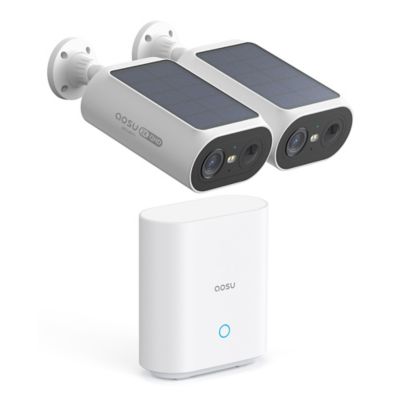
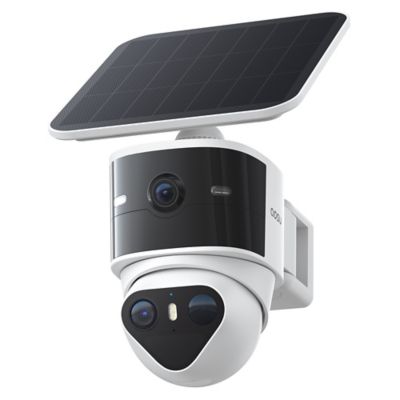
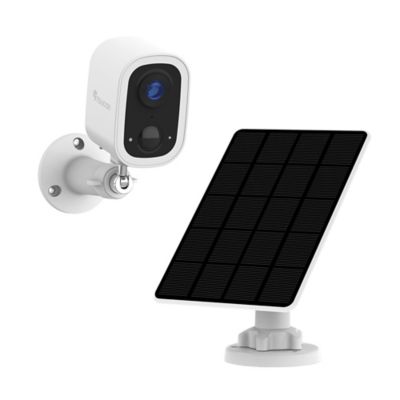
Black Security Camera can blend with dark trim or a shaded shop overhang; the housing color does not determine whether nighttime footage appears in color or black and white. Bracket adjustment, camera dimensions, and room for cable routing affect how neatly a camera fits beneath an eave or beside a doorway. Mounting to wood, masonry, or metal calls for fasteners suited to that surface, and a firm attachment helps keep the view steady when doors close or nearby equipment runs. Power and connectivity deserve just as much attention as the camera body. A wired camera may draw power from an outlet or receive power and data through a compatible Power over Ethernet connection. Battery-powered designs offer more freedom in placement, but charging access remains part of everyday ownership. Solar charging depends on compatible equipment and enough direct daylight reaching the panel. Wireless describes the data connection, not necessarily the power source, so a Wi-Fi camera may still need a power cable. Barn siding, masonry walls, and the distance from the house can weaken a wireless signal even when a phone shows service nearby. Ethernet connections can provide a steady path for video where running cable is practical, while cellular-connected cameras depend on suitable coverage and a service plan. Camera-to-recorder compatibility also matters when adding to an existing setup. Keeping wiring protected from chewing, snagging, and interference from moving gates or doors helps preserve both the installation and the view.
Recording features determine what happens after a night vision camera spots activity. Continuous recording can preserve the moments leading up to an event, while motion-triggered recording saves clips when the camera detects a change. Many battery-powered designs favor motion-triggered clips, so recording behavior deserves a close look when watching an entrance where someone may pass through quickly. Motion detection and night vision are separate features: one starts an alert or recording, and the other helps the camera see in low light. Person, vehicle, and animal detection can help sort activity, though results vary with the scene and the camera’s capabilities. Adjustable activity zones can keep attention on a driveway instead of a busy stretch of road beyond the fence. For households with dogs or livestock, alert settings that account for routine movement can make notifications more useful without treating every trip past the water trough as an urgent event. Local memory cards and compatible recorders keep footage on-site, while cloud recording depends on the service and internet connection. Storage capacity, video resolution, and recording frequency affect how much footage remains before older recordings are overwritten. Access to saved clips, export options, and recording during an internet interruption can matter just as much as a live view on a phone. Two-way audio allows conversation through supported cameras, although machinery and other background noise can make speech harder to hear. Day-to-day care is straightforward: a clean lens cover, clear view, secure mount, and sound cable connections help keep the picture useful. Dust and spiderwebs near infrared emitters can appear surprisingly bright at night, obscuring activity farther away. Strong account passwords, software updates, and thoughtful sharing permissions help protect access to connected cameras. Views aimed at your own entrances and work areas also help respect nearby homes and shared spaces. Whether the goal is checking a delivery at the porch or reviewing movement beside a livestock pen, a well-matched camera brings the most important parts of the property into clearer view after dark.