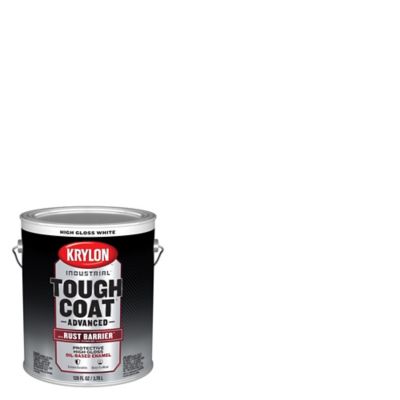
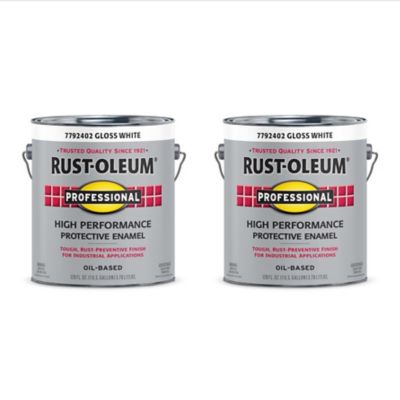
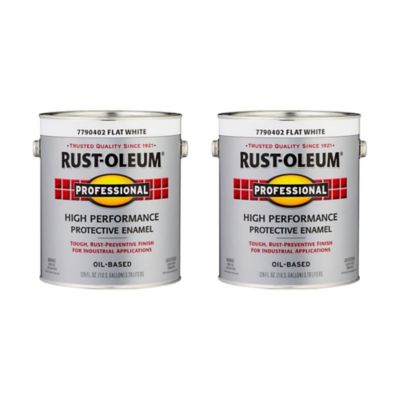
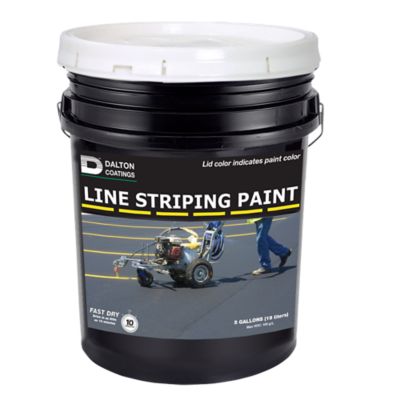
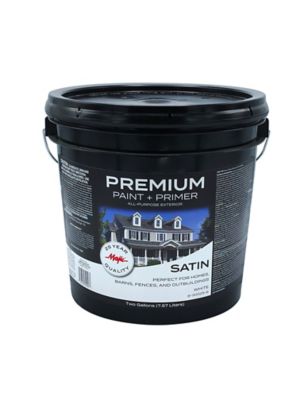
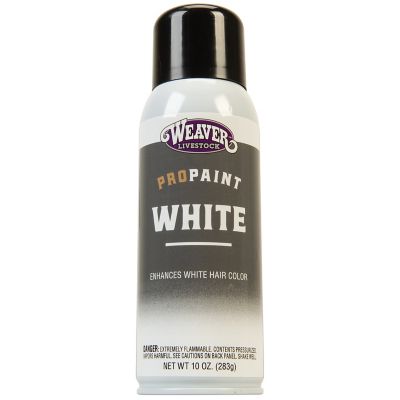
White paint brings a clean, open look to spaces that see plenty of everyday living, from a farmhouse kitchen to a mudroom lined with work boots. It can make trim stand out, give a small laundry room a brighter feel, or bring mismatched surfaces into a more settled look. But white is a color family, not one single shade. Warm white paint has undertones that lean toward yellow, red, or orange, which can sit comfortably beside oak cabinets, brick, and natural wood. Cool white paint has blue, green, or violet undertones and often looks crisp alongside gray flooring, stainless steel, and darker finishes. Neutral whites have less noticeable warm or cool influence, though surrounding colors can still change how they appear. A white that looks soft beside a brown countertop may look noticeably creamy next to a bright white sink. That relationship matters just as much as the color on its own, especially when existing cabinets, appliances, tile, or trim will stay in place. Natural light and indoor lighting also affect the result. A shade near a window can look different from the same shade down a hallway, while light bulbs with a warm glow can bring out creamy undertones. A dried sample on the intended surface gives a better sense of the color than a screen image or a quick glance at wet paint. Larger sample areas make subtle differences easier to spot, particularly where two white surfaces meet. For a room with painted walls and trim, the same white in different sheens can create a quiet contrast without introducing another color. Different whites can work together, too, as long as their undertones get along. In a busy household, the most practical choice balances that finished look with the demands of the space, whether that means fingerprints around a doorway, splashes near a sink, or the occasional bump from a feed bucket carried through the back entrance.
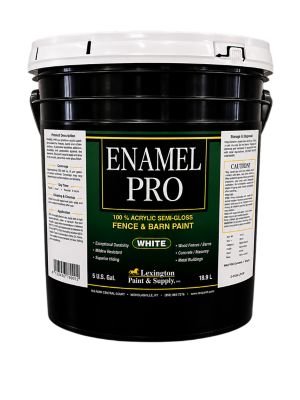
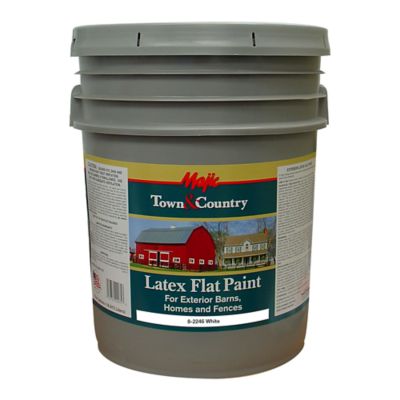
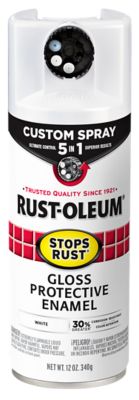
The paint’s sheen and formulation help determine where it belongs and how the finished surface handles regular attention. Flat white paint has very little shine and can soften the appearance of minor surface flaws, making it a common choice for ceilings and lower-contact areas. Eggshell offers a low sheen, while satin has a little more light reflection and is often a practical fit for walls that need occasional wiping. Semi-gloss and gloss white paint bring more shine to trim, doors, and other surfaces where a smooth, wipeable finish is useful. Higher sheen also tends to draw attention to dents, rough patches, and brush marks, so the condition of the surface matters. Washability and scuff resistance depend on the formula as well as the sheen; two paints with the same finish name may have different care instructions. Water-based acrylic and latex paints are common choices for many wall and trim projects, with cleanup generally handled by soap and water as directed on the label. Oil-based and other solvent-based coatings have different cleanup, ventilation, and drying requirements. Enamel describes a hard-finish coating category rather than one single paint chemistry, so the label is the best reference for its intended application. Interior and exterior white paint also serve different purposes and should match the location of the job. Wood siding, metal gates, masonry, and indoor drywall do not all call for the same coating or preparation. Bare metal may need a compatible rust-inhibiting primer, while masonry may need a coating intended for that material. Cabinets and furniture benefit from finishes rated for repeated handling, and floors require coatings specifically labeled for foot traffic. Ordinary wall paint is not a substitute for a floor coating. Around livestock areas, feed spaces, or surfaces an animal could chew, suitability needs particular attention; a white finish alone says nothing about whether a coating is appropriate for that contact.
A good-looking white finish depends on what sits underneath it as much as what goes over the top. Grease near a kitchen range, dust on workshop trim, and residue around door handles can interfere with adhesion even when the surface looks fairly clean. Loose paint, glossy finishes, bare patches, and repairs each bring their own preparation needs. Primer can help with adhesion, uneven porosity, and certain stains, but its purpose should match the problem. A stain-blocking primer, for instance, serves a different role from one intended to help paint grip a slick surface. Paint-and-primer labeling does not mean every surface can skip a separate primer, especially where bare material, staining, or a major color change is involved. White paint over a dark wall may need more than one coat, and rough or porous materials can take more paint than smooth, sealed surfaces. The container’s coverage range provides a starting point, with the actual amount depending on texture, application method, and the number of coats needed. Brushes, rollers, trays, and other
Paint Equipment help match the application to the work, from narrow door casing to a broad stretch of drywall. Roller nap and brush type should suit both the coating and the surface rather than simply the size of the job. Dry-to-touch time is not the same as full cure time, so freshly painted shelves, doors, and cabinets may need extra time before regular handling or cleaning. Once cured, many washable finishes respond well to a soft cloth and a mild cleaner permitted by the manufacturer, while abrasive pads can dull or scratch the surface. Keeping the paint’s color information, sheen, and application notes makes later touch-ups easier, though patches may still show as the surrounding finish ages. For older buildings, disturbing existing paint also calls for care: homes built before 1978 may contain lead-based paint and require lead-safe work practices. Those details help connect the right white paint with the real demands of a home, shop, or property.