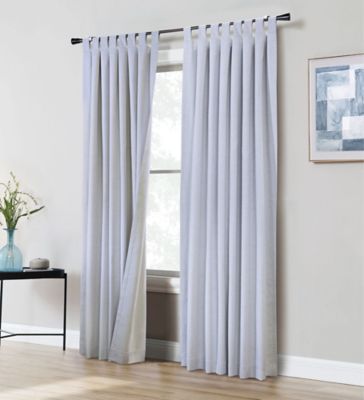
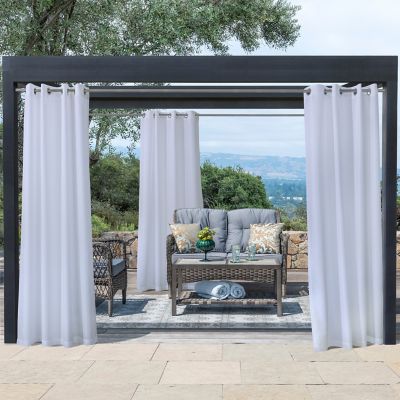
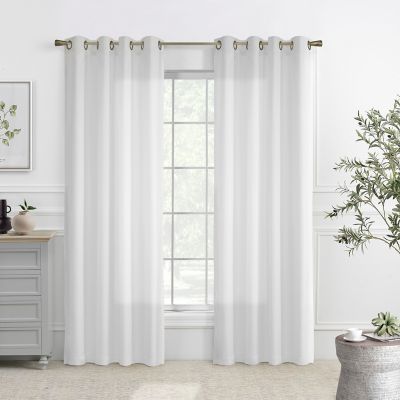
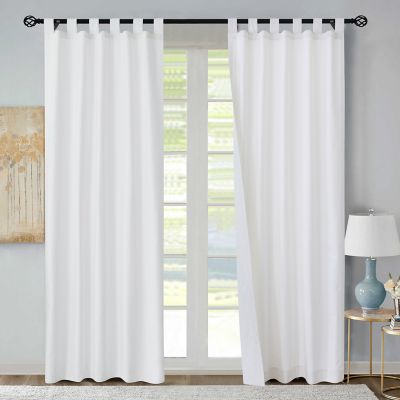
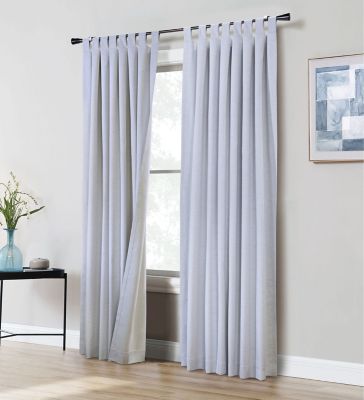
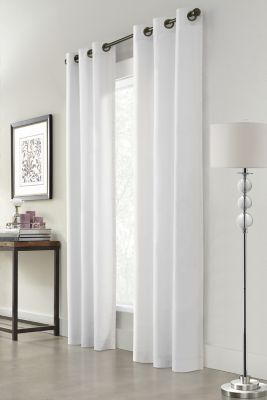
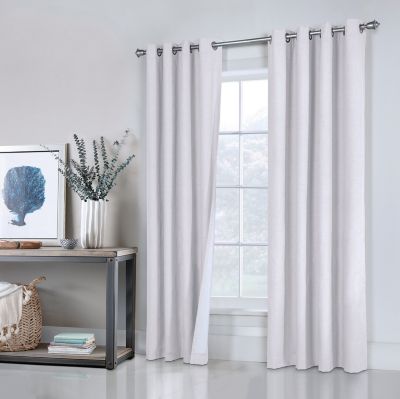
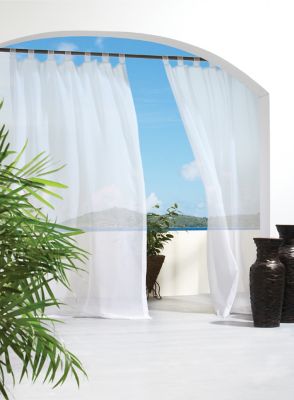
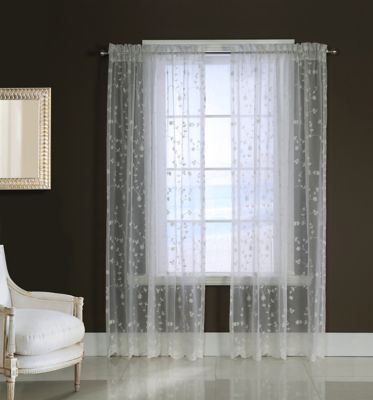
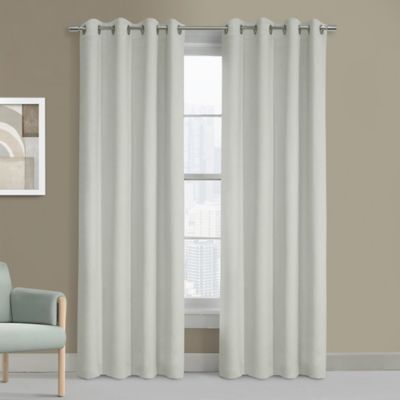
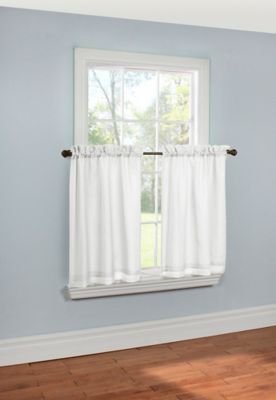
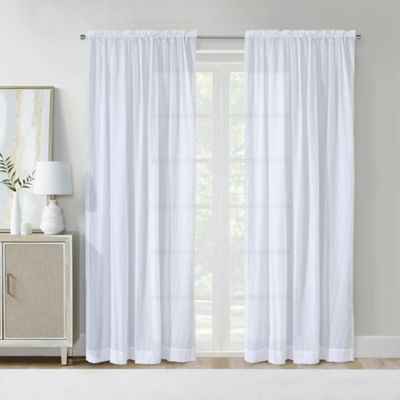
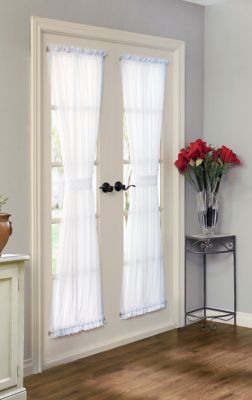
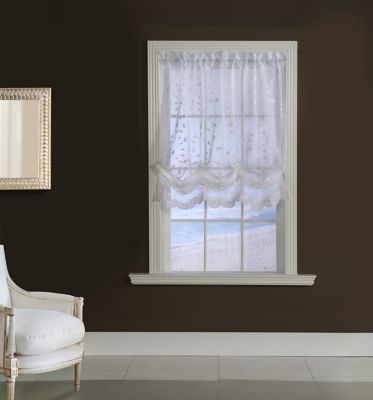
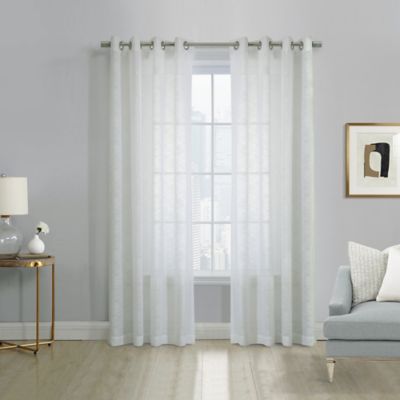
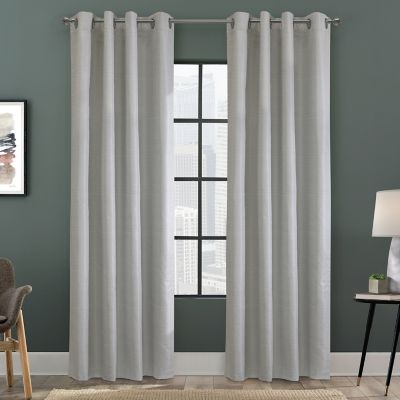
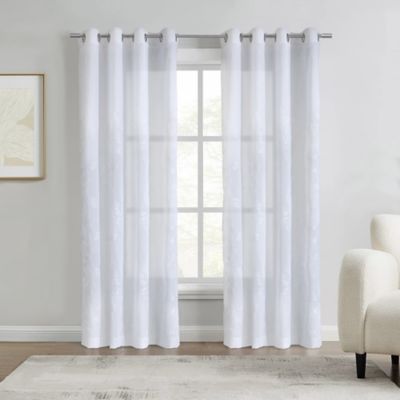
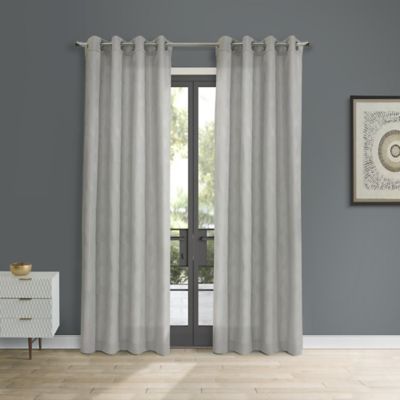
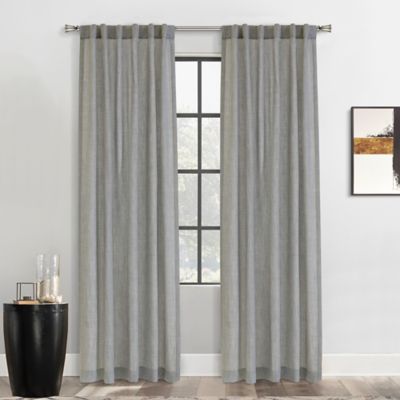
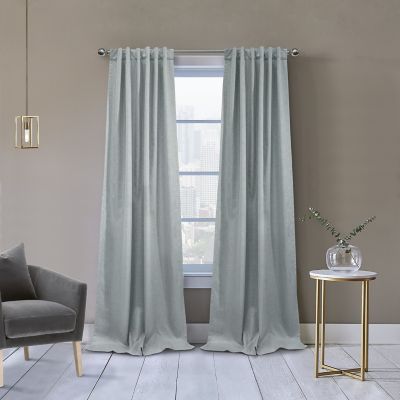
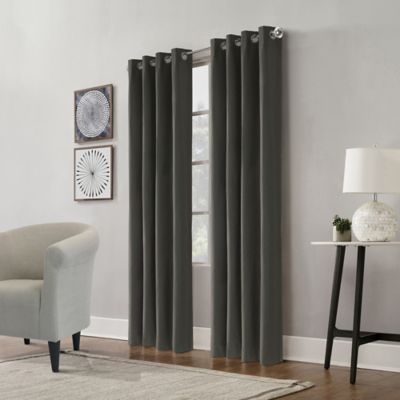
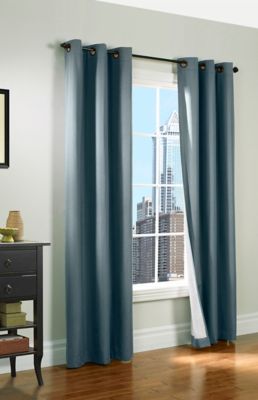
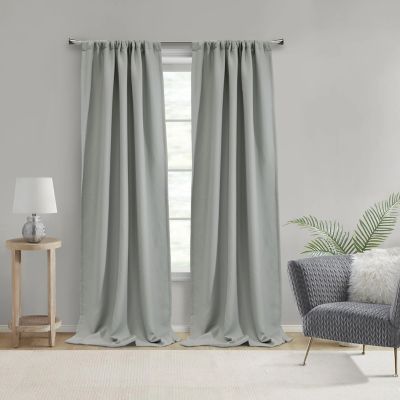
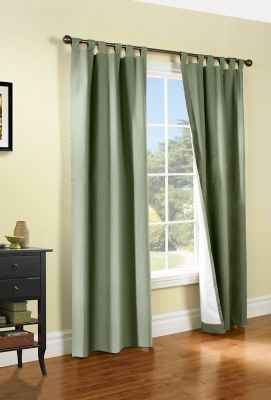
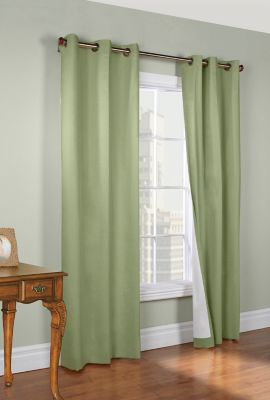
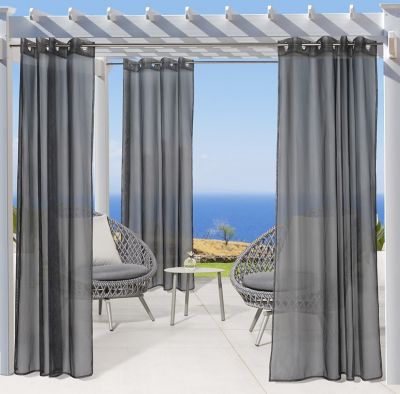
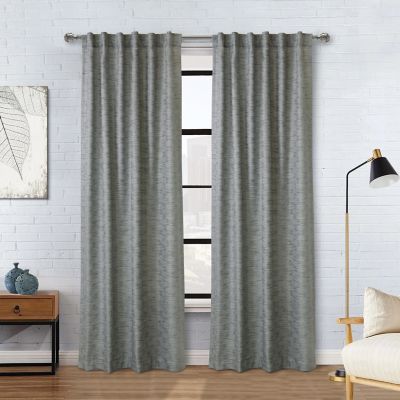
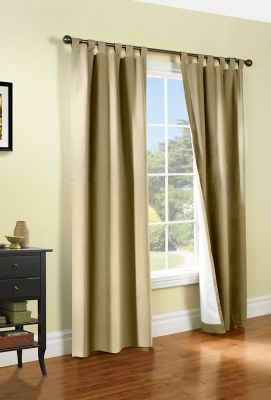
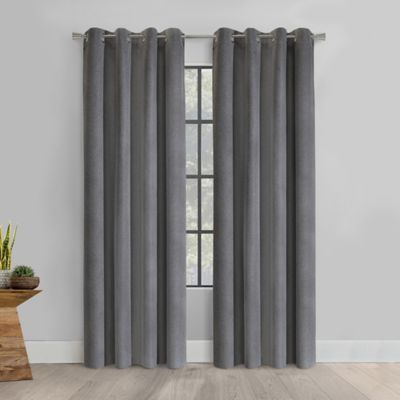
White light filtering curtains bring a softer feel to a room without making it feel closed in or gloomy. Their fabric takes the edge off strong daylight, turning sharp sunbeams into a warm, hazy glow while still letting the room stay bright. That can make a big difference in rooms with east- or west-facing windows, where early morning or late afternoon light can shine straight across the floor, reflect off a television, or make it hard to see a computer screen. They also offer more daytime privacy than very thin sheers, helping blur the view from outside while allowing you to enjoy natural light indoors. These curtains work well in living rooms, bedrooms, dining areas, home offices, guest rooms, and finished porches, especially in homes where you want a comfortable, easygoing look rather than a heavy, formal window treatment. White panels pair easily with wood trim, painted walls, metal hardware, farmhouse furnishings, and colorful rugs, while textured weaves can add a little warmth to a plain room. If you like a calm, simple decorating style, you may also find ideas among these
Neutral Living Room Curtains. During the warmer part of the year, light filtering curtains can help tame the bright glare that comes through bare windows, and during the cooler months, their soft fabric adds another layer of comfort around the windows without blocking the daylight you want on shorter days. They can be especially useful in a family room where people gather, a nursery that needs gentle daytime light, or a guest room where visitors appreciate privacy and a welcoming feel. They also make a thoughtful housewarming gift for someone settling into a new place, since white curtains are easy to coordinate and useful in nearly any room.
Before choosing a set, measure the window itself and the area where you want the curtains to hang. Measure the width of the rod or window, then consider how full you want the panels to look when they are closed. Curtains that are too narrow may look stretched and leave gaps, while extra width creates fuller folds and a more finished appearance. For length, decide whether you prefer panels that stop at the sill, fall just below the window, or reach close to the floor for a taller, more polished look. Check the listing carefully for the dimensions of each panel, since some sets include two panels and others are sold as individual panels. The hanging style matters, too. Grommet-top curtains have metal rings built into the fabric and slide easily along a standard rod, which is handy for windows you open and close often. Rod-pocket curtains create a gathered, traditional look and work well when the panels will mostly stay in place. Back-tab curtains hide the rod behind the fabric for clean, even folds and a simple farmhouse or modern appearance. Look for a rod with enough clearance from the wall so the curtain can move freely, and use sturdy hardware when covering wide windows or heavier woven fabric. White light filtering curtains are commonly made from woven polyester, cotton blends, faux linen, or textured fabrics. Polyester is generally easy to care for and holds its shape, while linen-look textures add visual interest without the upkeep of pure linen. Keep in mind that light filtering is not the same as room darkening or blackout. These panels soften sunlight and reduce visibility from outside during the day, but some light and shadows may still pass through, especially when indoor lights are on after dark. For bedrooms, consider pairing them with blinds, shades, or a liner when nighttime privacy and deeper darkness are important. Care instructions can vary, so check whether the curtains are machine washable, require a gentle cycle, or should be air dried. A quick wash before hanging can freshen fabric, and steaming or hanging the panels for a day often helps release folds from packaging. With the right size, fabric, and hanging style, white light filtering curtains give everyday spaces a bright, relaxed finish that feels comfortable through changing weather and changing routines.