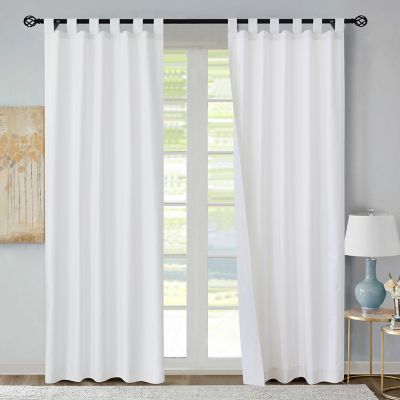
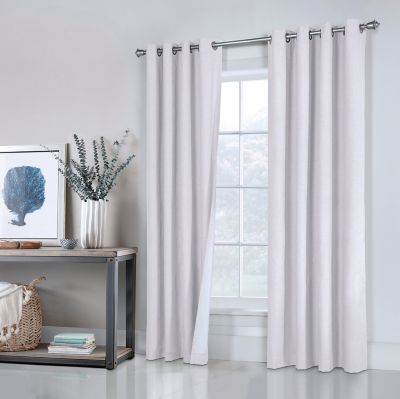
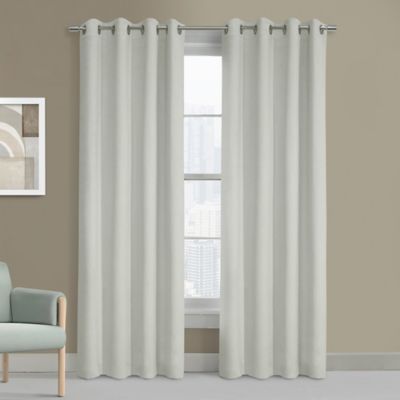
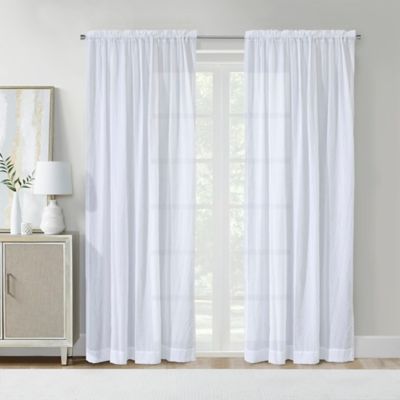
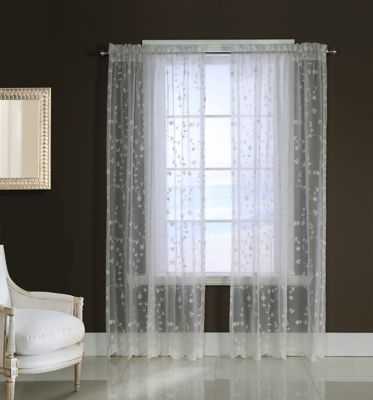
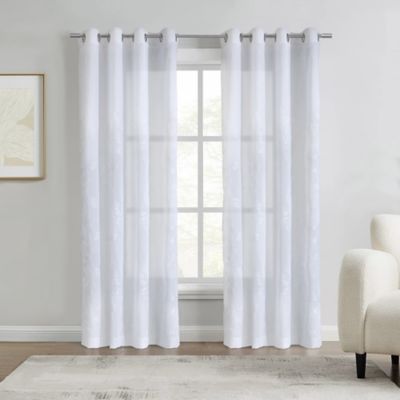
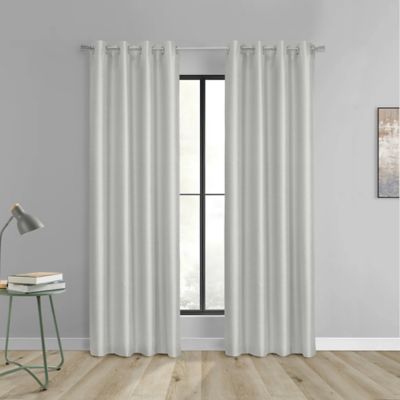
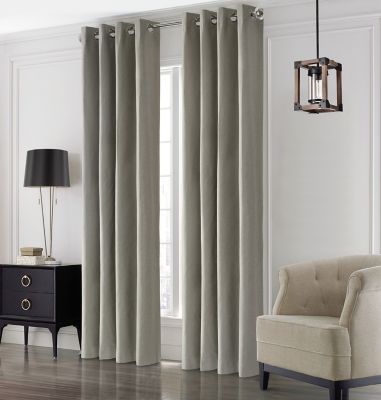
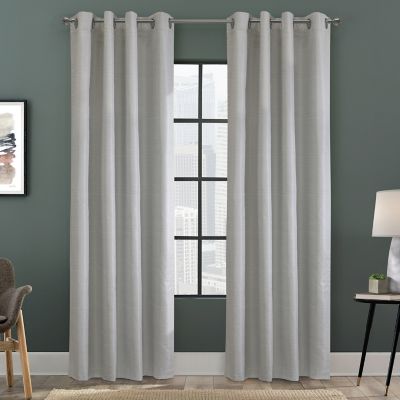
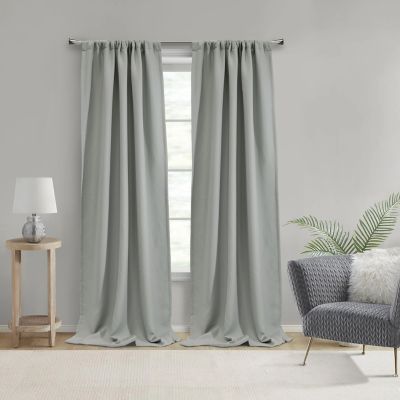
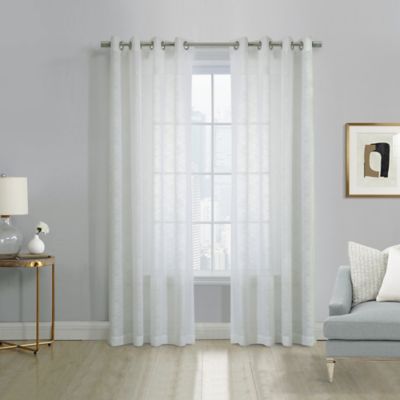
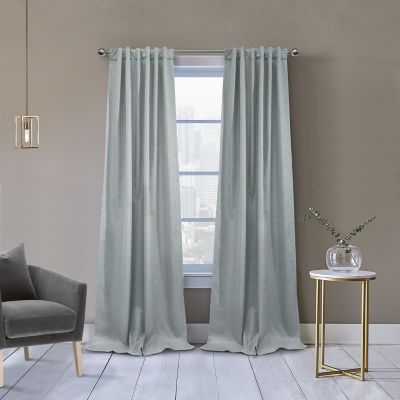
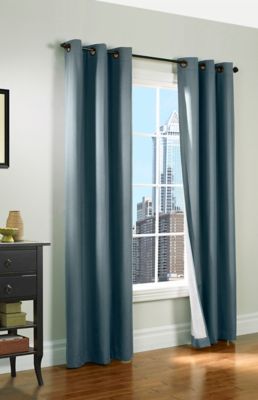
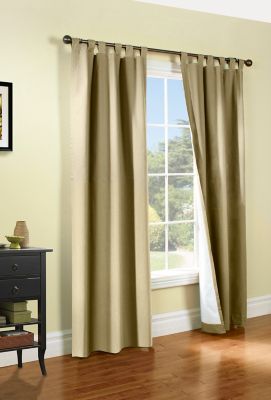
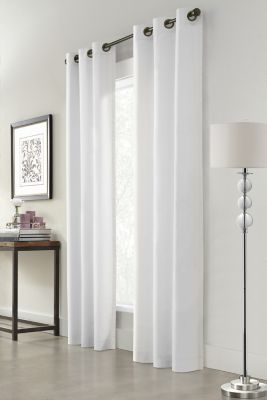
Room darkening white curtains soften the look of a window while cutting down on incoming light, making them a practical fit for bedrooms, living rooms, nurseries, and spaces where screen glare gets in the way. The white face fabric keeps the room looking light and open, while a dense weave, lining, or light-blocking backing does the work behind it. That combination suits a farmhouse bedroom with pine furniture just as well as a simple living room with painted walls and a well-worn leather chair. White fabric alone does not tell you how much light a curtain will block; the construction matters more than the color on the front. Room-darkening curtains reduce light but do not necessarily create complete darkness, and there is no single light-blocking percentage that applies to every panel with that label. Blackout curtains are designed for a greater level of light control, though light can still enter around their edges even when the fabric itself blocks it. For someone sleeping after an overnight shift, that distinction matters more than it might for someone who simply wants less glare on the television. Smooth polyester, cotton blends, linen blends, and fabrics with a linen-like texture offer different looks and handling characteristics. Polyester often resists wrinkling, while cotton and linen blends can bring a softer, more textured appearance; the fiber blend and lining determine the care requirements. A substantial fabric may hang in broad, settled folds, while a lighter face fabric with a separate lining can offer a softer drape. Neither thickness nor weight alone proves how well a panel darkens a room. Details about the backing and intended light-control performance are better points of comparison. White shades also vary, from crisp white to softer ivory-toned finishes, and the difference becomes noticeable beside white trim, bedding, or painted cabinets. A little surface texture can keep an all-white window treatment from looking flat without bringing a busy pattern into the room.
Fit makes a real difference in how room darkening white curtains look and perform. Curtain dimensions generally describe each panel laid flat, not the window width it will cover once gathered into folds. A pair of panels with a combined width equal to the rod width may stretch across the opening, but it will leave little fullness and may be harder to close neatly. A common starting point is a combined fabric width of about one and a half to two times the rod width, with the right amount depending on the heading style and the fullness you prefer. Package counts matter, too: a single panel and a pair can have similar-looking dimension labels but provide very different total coverage. For a narrow window or an arrangement that draws to one side,
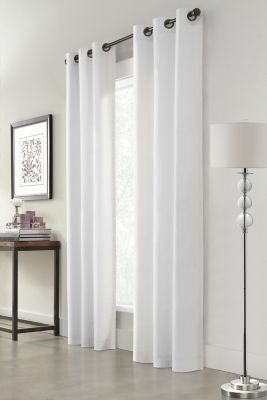
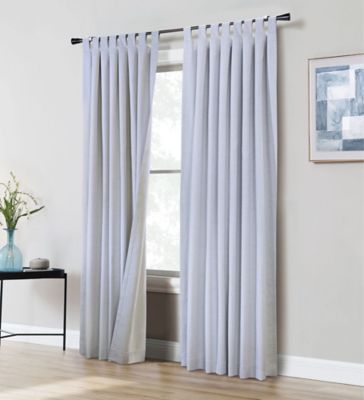
Single Panel Blackout Curtains offer a related option when stronger light blocking is the priority. Length deserves the same attention as width. Floor-length panels create a continuous line beside the window, while shorter lengths can suit openings where furniture or the room layout makes long fabric impractical. Panels that just clear the floor stay out of the path of a broom, a vacuum head, and boots coming through the house. The hanging style changes both the finished length and how easily the curtains move. Grommet tops form broad folds and slide along a compatible rod, although the openings near the top can let some light through. Rod pockets give the top edge a gathered appearance but may take more effort to open and close frequently. Back tabs conceal much of the rod from the front for a quieter look. Rod diameter, bracket projection, and the weight the hardware can support all deserve attention with lined panels. Extending the rod beyond the window trim gives the fabric room to overlap the opening at both sides. A return-style rod can bring the outer edges closer to the wall, helping limit side gaps without changing the curtain fabric.
Everyday use is where the smaller details earn their keep. In a bedroom facing a porch light or a nearby road, lined white curtains can soften intrusive light while preserving a calm, uncluttered look during the day. In a living room, they can reduce reflections across a television screen without introducing a dark fabric color beside the furniture. A spare bedroom may need curtains that open easily for daytime use and close with enough overlap to give overnight guests privacy. Room-darkening construction generally offers more privacy than sheer fabric, but coverage, fabric opacity, and the difference between indoor and outdoor lighting all affect the result. Gaps along the sides or between panels remain important, especially when lamps are on inside. For a nursery or a child's bedroom, curtain fabric, rods, and any cords or tiebacks should stay well out of reach and away from the crib or bed. Homes with pets may benefit from hems that clear the floor rather than pooling where paws can catch them. Care requirements vary considerably between unlined woven fabric and panels with bonded or coated backings. Some curtains allow machine washing, while others call for spot cleaning or professional cleaning; the sewn-in care label is the best reference. Bleach, high dryer heat, or an iron placed directly against a backing can damage certain curtain constructions, so a white color is not a reason to assume any whitening treatment is suitable. Gentle vacuuming with an appropriate upholstery attachment can help remove settled dust between deeper cleanings when the fabric permits it. Well-finished seams, secure heading attachments, and even hems are worth looking for, particularly on curtains that will be drawn every day. The right combination of washable fabric, manageable panel weight, and hardware that moves freely can make upkeep less of a chore. With thoughtful sizing and the right light-blocking construction, white room-darkening curtains bring useful control to everyday spaces without making the window the busiest part of the room.