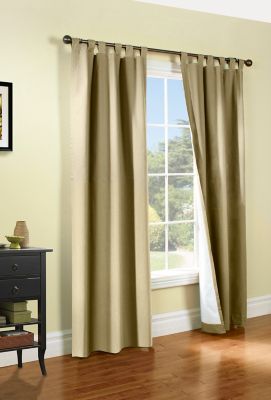
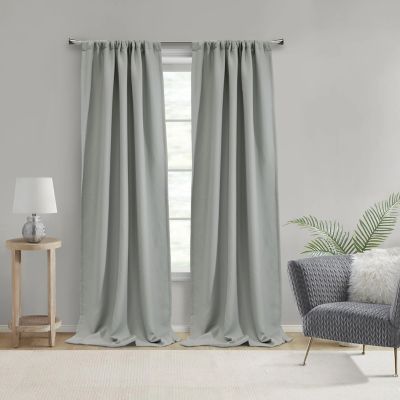
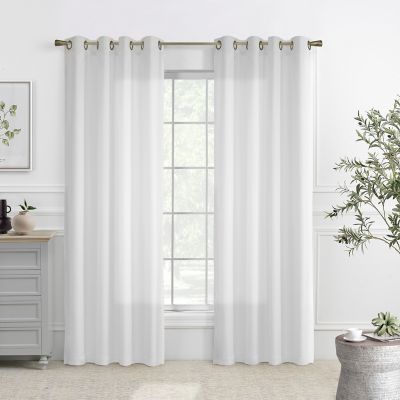
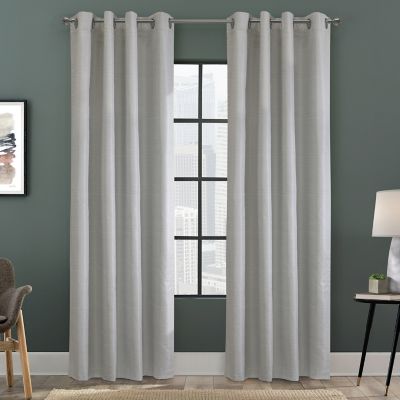
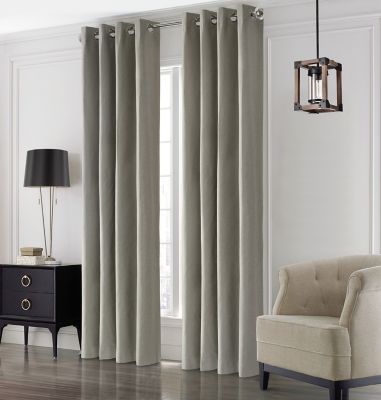
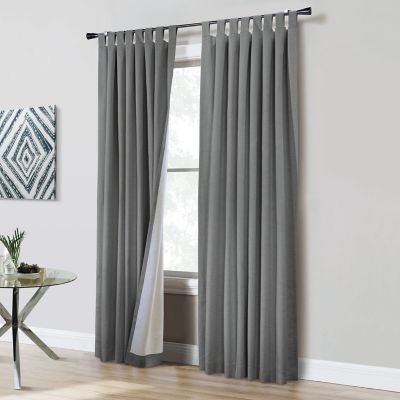
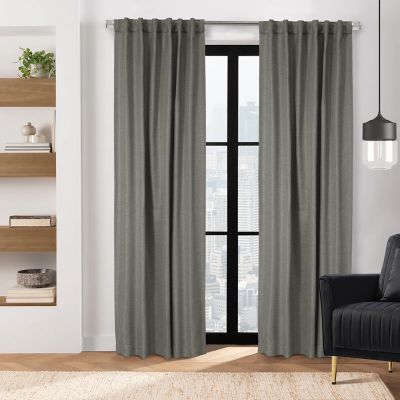
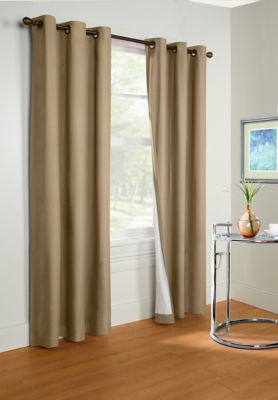
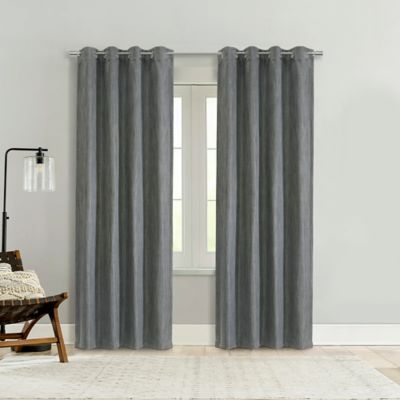
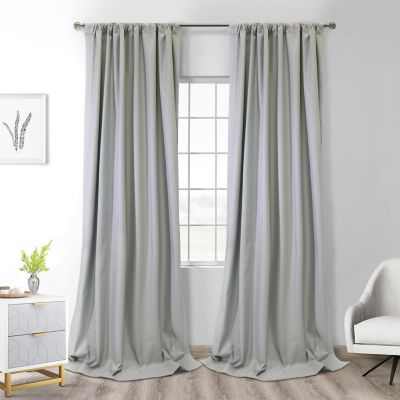
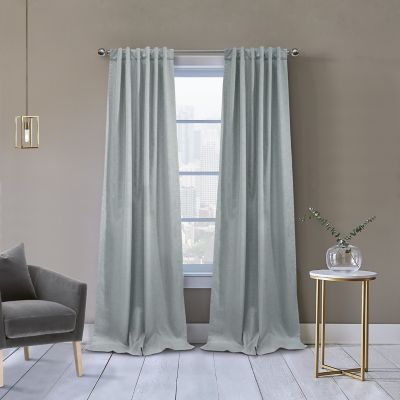
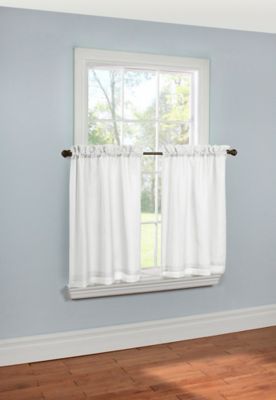
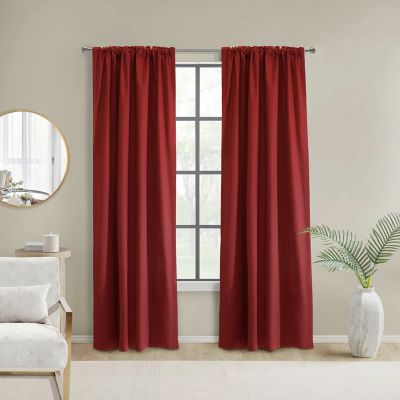
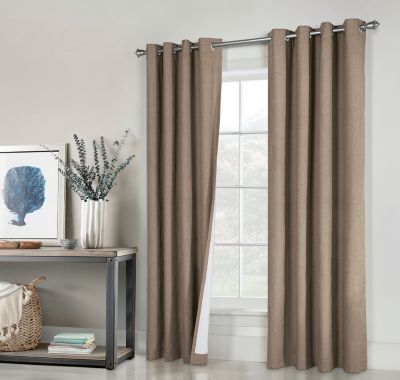
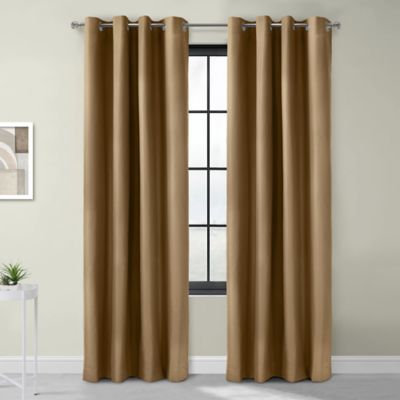
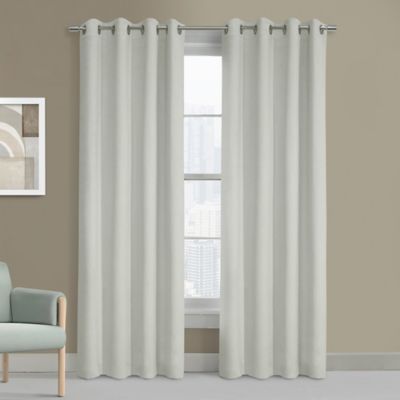
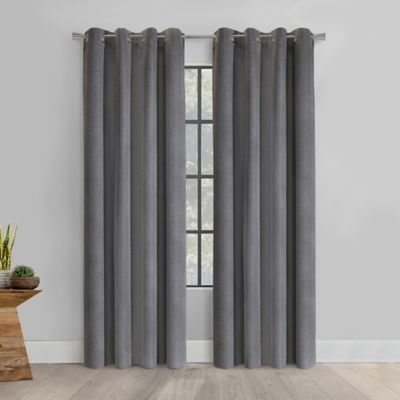
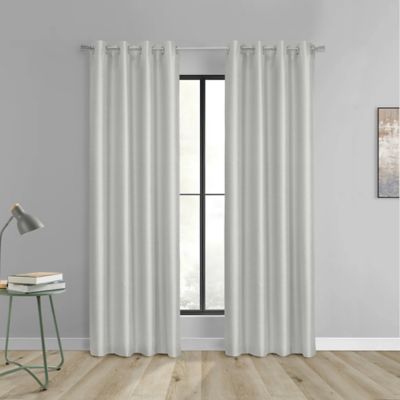
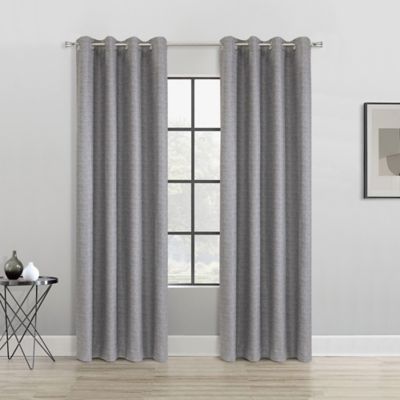
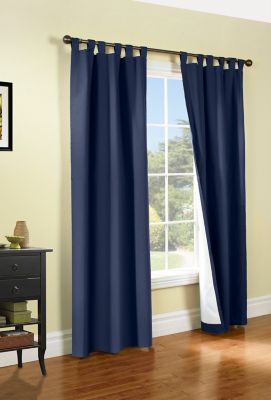
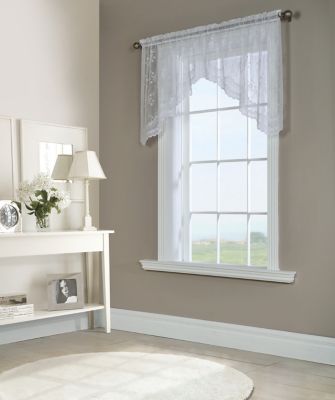
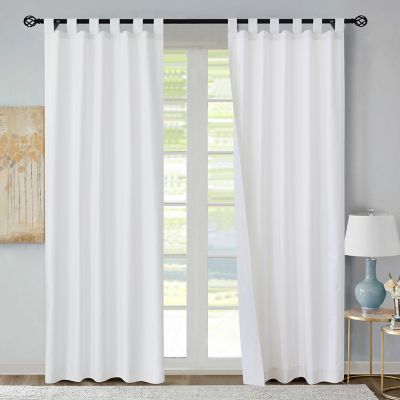
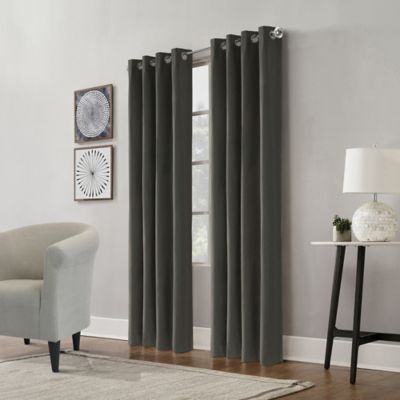
Room darkening curtains reduce incoming light to make a room noticeably dimmer while adding privacy and softening glare. They sit between light-filtering curtains, which let more daylight through, and blackout curtains, which are designed for more complete light blocking. The amount of light a room darkening panel blocks depends on its fabric, weave, backing, color, and fit around the window, so the name alone does not promise a completely dark room. That makes these curtains a practical choice for bedrooms, living rooms, home offices, and guest rooms where some daylight is welcome but a bright window can get in the way. A bedroom facing the road may need coverage from passing headlights, while a television across from a window may benefit from less glare on the screen. Someone sleeping after an overnight shift may want a darker resting space without putting up a permanent window covering. Fabric construction makes a difference in how these curtains look and work. Polyester fabrics often offer straightforward care and good resistance to wrinkling, while cotton and linen blends can bring a softer, more textured appearance. Some panels rely on a tightly woven fabric for light control; others have a separate lining or backing. A heavier feel does not always mean stronger light blocking, and a pale curtain with an effective backing may block more light than an unlined dark curtain. Solid colors can keep a room looking settled and simple, while woven textures and patterns add interest alongside wood furniture, painted trim, or a well-worn reading chair. Privacy also depends on the fabric and lighting on either side of the glass. A panel that shields the room well during daylight may reveal shadows when indoor lights are on after dark. Product descriptions that explain the lining, light-blocking construction, and care requirements give a better picture of what to expect than color or fabric weight alone.
Fit is just as important as fabric when choosing room darkening curtains. Panels need enough width to cover the window comfortably, with fabric left over for folds rather than stretching flat across the glass. A common starting point is a combined curtain width of roughly one and a half to two times the width of the rod, with fuller arrangements calling for more fabric. The right amount depends on the heading style and the look of the room. Panel dimensions generally refer to each individual panel, so a pair and a single panel with the same listed width do not provide the same total coverage. For stronger light blocking in a one-panel arrangement,
Single Panel Blackout Curtains offer a related option, though the panel still needs enough width to cover the opening without pulling tight. Length measurements depend on where the rod sits and how the curtain attaches to it. Grommet panels have rings built into the fabric and usually slide easily, making them handy for windows that get opened and closed every day. Rod pocket panels gather directly onto the rod for a softer look, while back tabs let the fabric form folds with much of the rod hidden behind it. Each heading needs a compatible rod diameter, and heavier lined panels need hardware suited to their weight. Extending the rod beyond the sides of the window can help the curtains overlap the trim and reduce light at the edges. A center overlap can also limit the bright slit between two panels. Floor-length curtains give broad coverage, but hems that drag can collect dust or catch underfoot. Shorter lengths may make more sense near a desk, sink, or built-in bench. Curtains should stay clear of baseboard heaters, vents, and other fixtures, with clearances following the equipment manufacturer’s directions. Even well-fitted panels can leave some light around the top and sides, so room darkening is best understood as a combination of fabric performance and window coverage.
Everyday care matters when curtains share a home with pets, busy entryways, and the dust that comes with country living. Washable fabrics can make upkeep easier, but lined and backed panels may have different care needs from the face fabric alone. Some allow machine washing on a gentle cycle, while others call for spot cleaning or professional cleaning. Following the sewn-in care label helps protect the backing, stitching, and finished length. High dryer heat or an iron against a coated surface can damage certain light-blocking treatments, and washing a panel against its care directions may lead to shrinkage or a lining that no longer hangs evenly. Regular dust removal with a soft brush attachment can keep folds and hems from holding onto lint and pet hair between deeper cleanings. For curtains that move several times a day, secure hems, even stitching, reinforced headings, and smooth-moving hardware all matter over the long haul. A reading room may call for panels that draw back neatly to leave the view open, while a guest bedroom may benefit from a pair that closes easily without a complicated setup. In a child’s room, furniture placement and window-covering safety deserve attention, especially around cribs, beds, and any nearby cords. Layering room darkening panels over an existing shade can give a household more control: the shade handles part of the window coverage, and the curtains add another layer when a darker room is wanted. That arrangement can also let the curtains stay open during ordinary activities without leaving the window completely uncovered. Dense fabric may soften some sound within a room, but room darkening curtains are not a substitute for soundproofing. Their main job is to manage light and privacy while fitting comfortably into daily life. A panel that suits the window, moves easily, and has care requirements that fit the household is more likely to stay useful through everyday opening, closing, and cleaning.