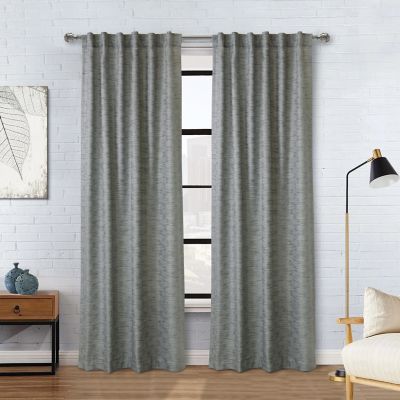
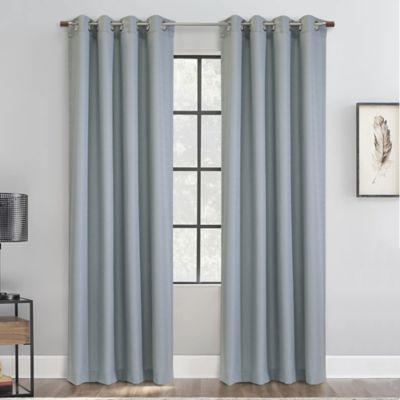
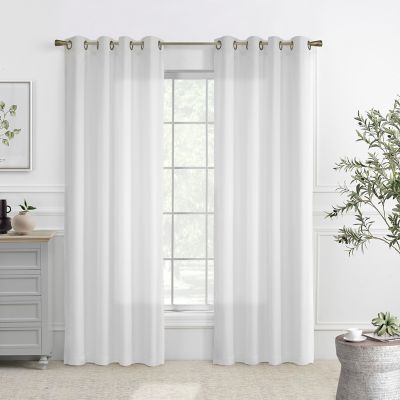
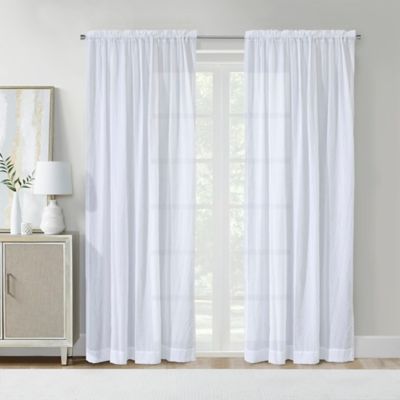
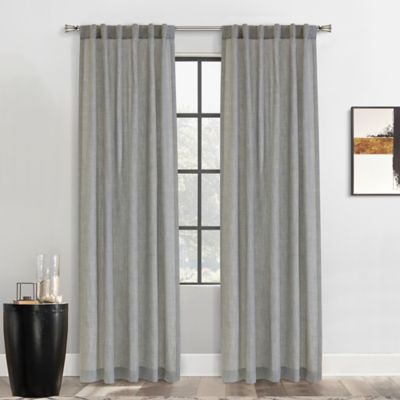
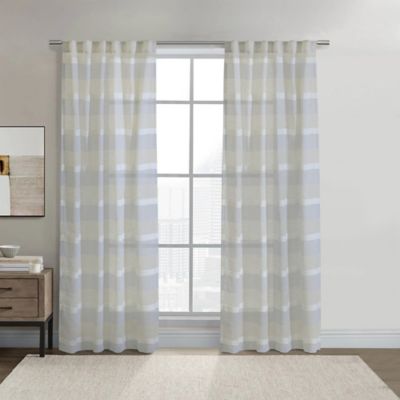
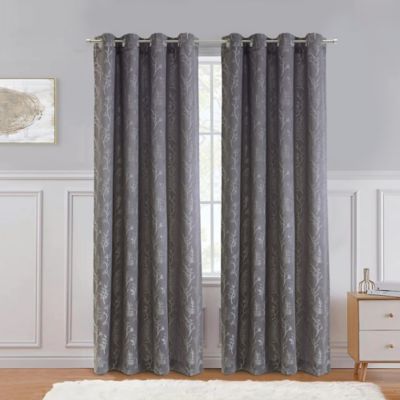
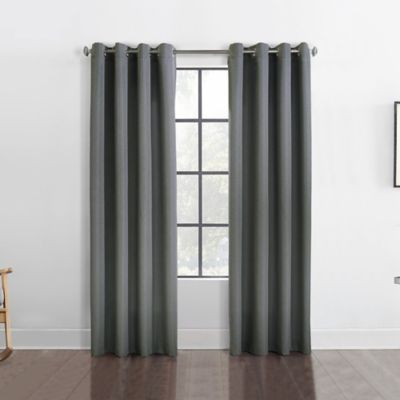
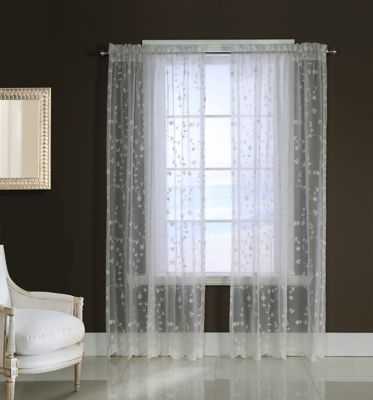
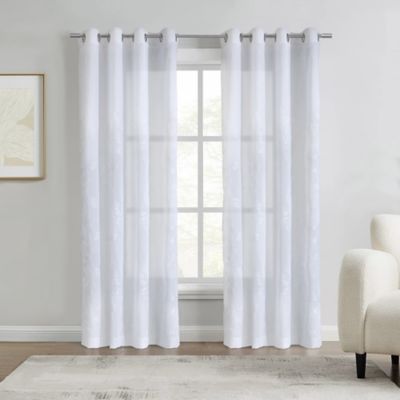
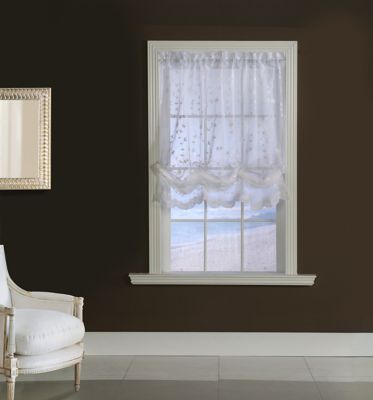
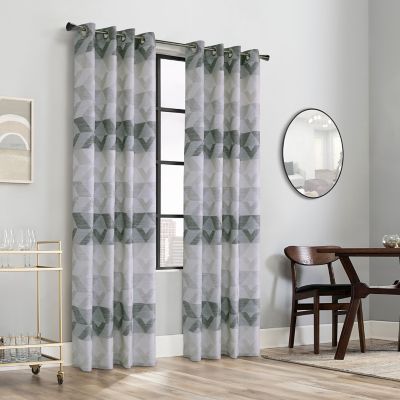
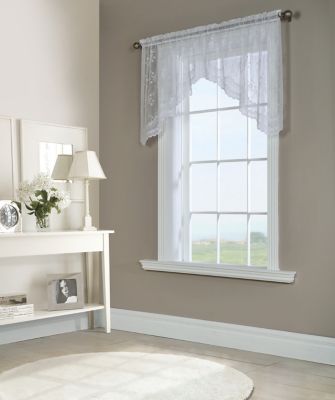
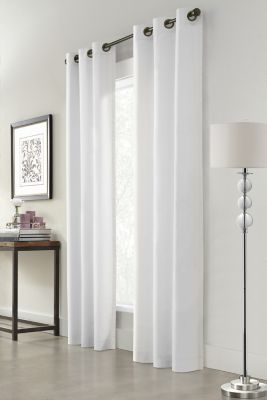
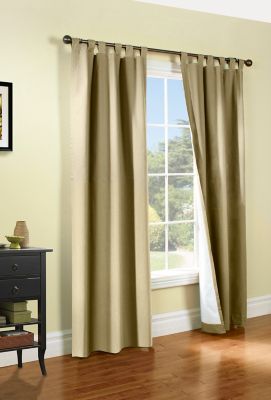
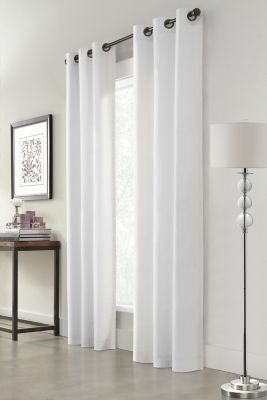
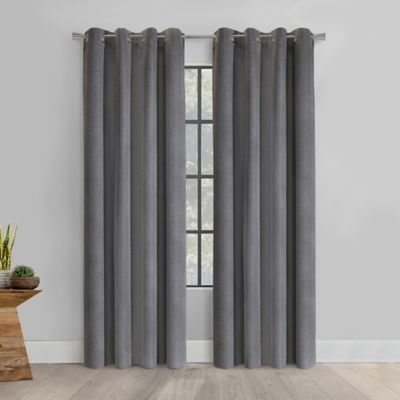
Light-filtering bedroom curtains take the edge off bright daylight without making the whole room feel shut away. They let a softer glow reach the bed, dresser, and reading chair while giving the window a finished look. That balance suits bedrooms where getting dressed, folding laundry, or settling in with a book happens alongside sleep. In a farmhouse bedroom overlooking the yard or a guest room facing the driveway, the right fabric can soften the view and make the space feel more settled. Light-filtering fabric is different from both a nearly transparent sheer and a curtain meant to block most incoming light. Its effect depends on the weave, color, thickness, and any backing, so two panels that look similar in a photo may handle daylight differently. Cotton can bring a familiar, easygoing feel, while linen and linen blends often show a more pronounced weave with a relaxed drape. Polyester and blended fabrics can offer easier care and better wrinkle resistance, depending on their construction. A textured weave adds interest without needing a bold print, and a smooth fabric works well when bedding or a quilt already carries plenty of pattern. Soft white, oatmeal, and pale gray keep the window treatment understated; deeper colors give the window more definition and may change how the filtered light looks in the room. Color alone does not tell the whole story, though, so the stated light-control level matters more than the shade name. Privacy deserves the same attention. Light filtering does not automatically mean full privacy, especially after dark when lamps are on inside. Depending on the fabric and lighting, shapes or movement may still be visible from outdoors. For a bedroom near a walkway, neighboring house, or regularly traveled lane, a separate shade or another curtain layer can help provide the coverage the room needs.
Fit has a lot to do with how light-filtering bedroom curtains look and work day to day. Panels that barely reach across a window can look pulled tight, with little fabric left to form soft folds. A common starting point is a combined panel width around one and a half to two times the curtain rod’s span, although the heading style and the fabric’s weight can call for a different amount of fullness. Package details matter here: the listed width may describe one panel rather than the whole pair. Length needs a little care, too, since grommets, rod pockets, back tabs, and rings hang from different points. Measuring from the actual hanging point helps avoid a hem that lands several inches higher or lower than expected. Floor-length curtains bring a settled look to a bedroom, while sill-length panels can make more sense where a dresser, window seat, or other furniture limits clearance. A hem that stays just clear of the floor is often easier to manage around a vacuum, a roaming cat, or a dog that likes to nap beside the window. Curtains should also stay clear of heating equipment and follow the equipment maker’s clearance requirements. The top construction affects everyday handling as much as appearance. Grommets and rings generally slide readily along a compatible rod, while rod pockets gather the fabric closely and may suit panels that stay in place more often. Rod diameter, bracket spacing, and the curtain’s weight all need to work together, especially across a wide bedroom window. Extending the rod beyond the window frame, where wall space allows, gives open panels somewhere to sit without covering as much glass. For bedrooms that need more light control for daytime sleep or a child’s nap,
Room Darkening Curtains may be a better match. A double rod can also make room for a light-filtering layer and a heavier layer, letting the room shift between soft daylight and greater darkness.
Everyday care is worth considering before settling on a fabric, particularly in bedrooms shared with pets or in a house where dust seems to follow everyone in from chores. Some light-filtering curtains are machine washable, while others need spot cleaning or professional cleaning because of their fibers, lining, or construction. The care label should set the rules for water temperature, washing cycle, drying, and ironing. Cotton and linen can shrink, and certain backings or finishes need gentler handling than the face fabric might suggest. A curtain that hangs beautifully but needs more upkeep than the household can manage may not be the best fit for a busy bedroom. Regular attention does not have to be complicated: gentle vacuuming with a suitable attachment or a light pass with a soft brush can help lift surface dust when the care directions allow it. Pet hair may show more readily on some colors and textures, and loose, open weaves can be more vulnerable to claws or snagging. Finished seams, secure hems, and well-attached tabs or grommets are useful details to check when considering how panels will hold up to frequent opening and closing. After cleaning, following the drying directions and promptly rehanging panels can help limit wrinkles; any steaming or ironing should stay within the fabric’s care limits. For children’s rooms, curtain length and placement deserve extra thought, with fabric, rods, and tiebacks kept away from cribs and within a safe arrangement for the child’s age. Cordless window coverings can help avoid adding loose operating cords behind the curtains. In a guest bedroom, an easy-moving panel lets visitors adjust the light without wrestling with a tight pocket or a crowded rod. In a main bedroom, the best choice may simply be a fabric that falls neatly, offers the needed privacy when paired with the right layer, and fits into the regular wash routine. Matching light control, measurements, and care needs keeps the focus where it belongs: a bedroom that feels comfortable and works for the people sleeping there.