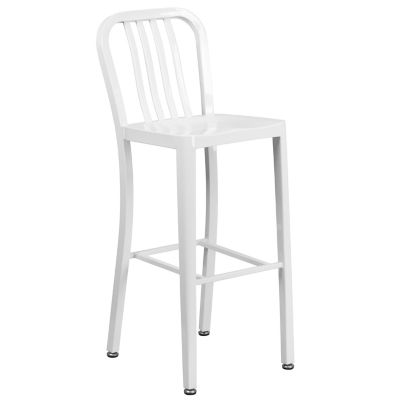
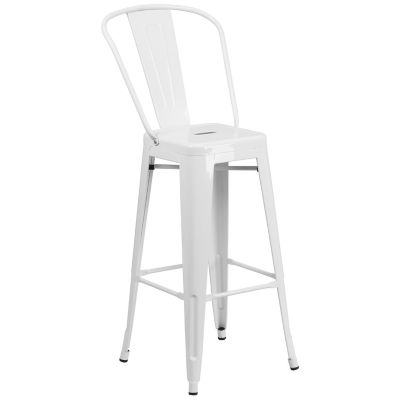
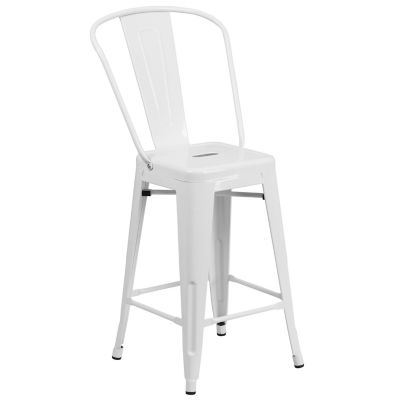
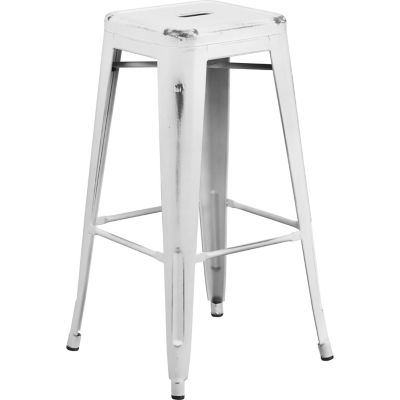
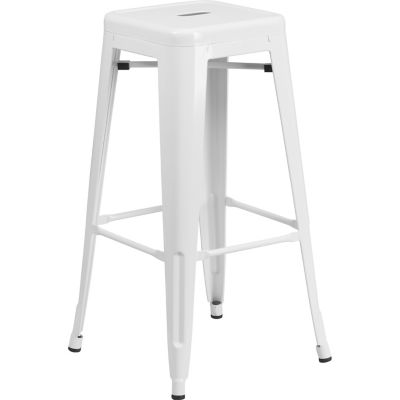
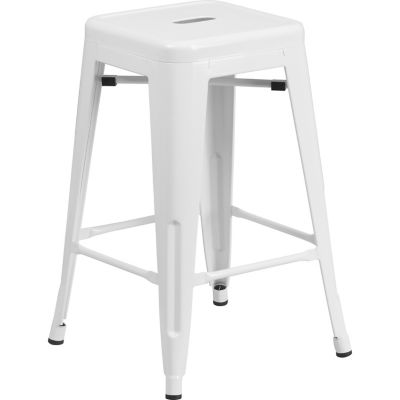
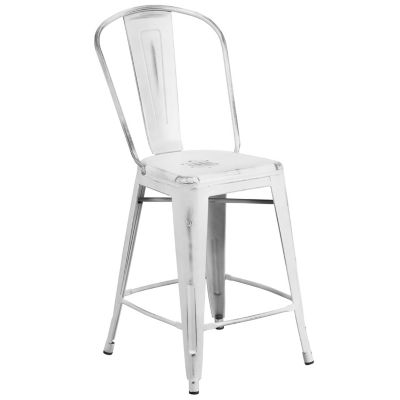
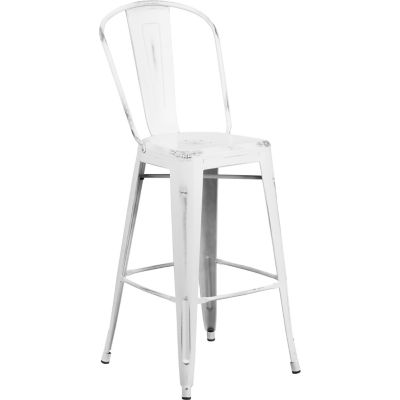
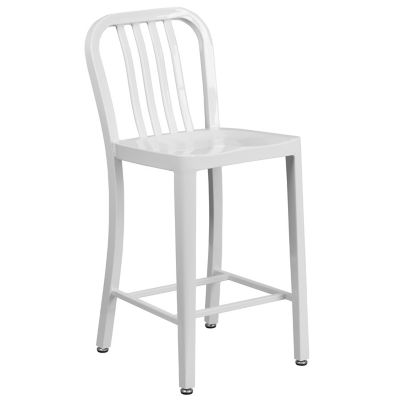
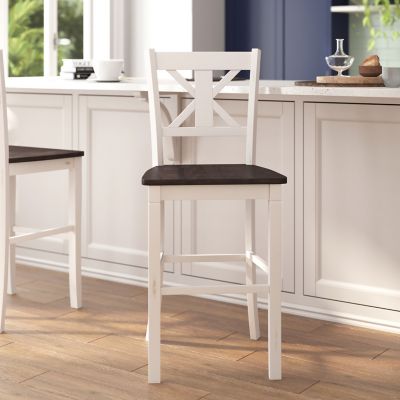
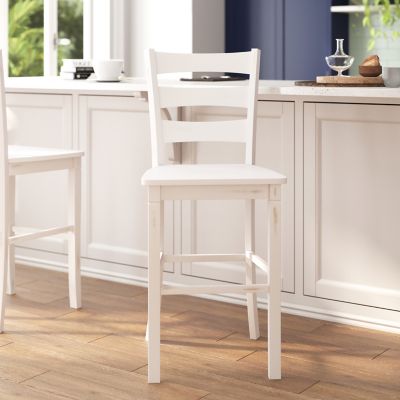
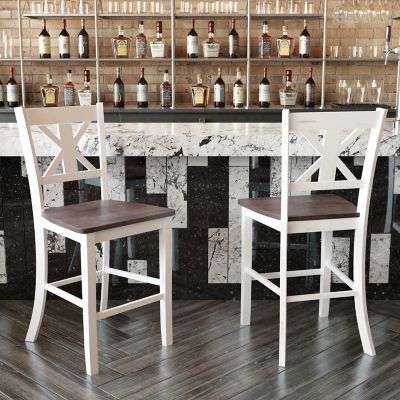
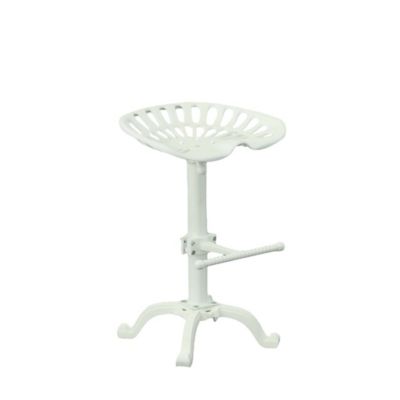
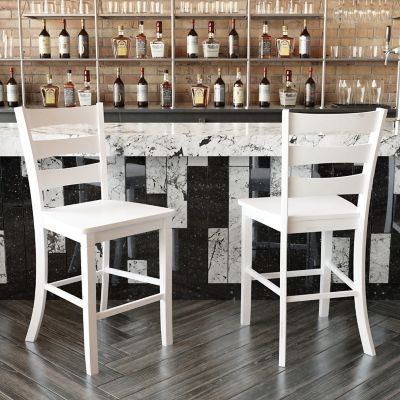
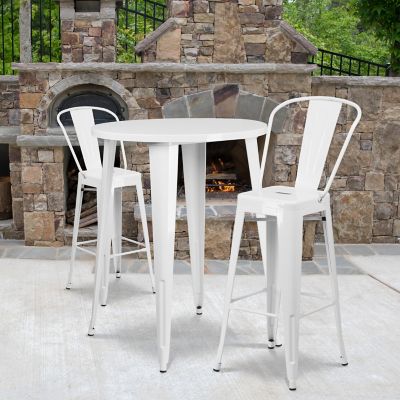
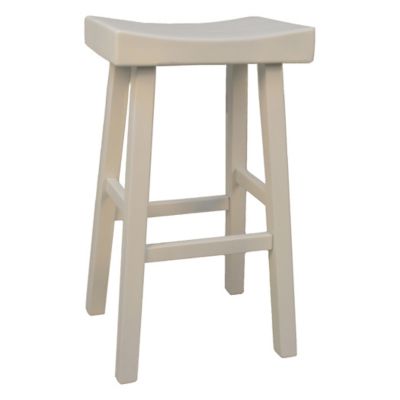
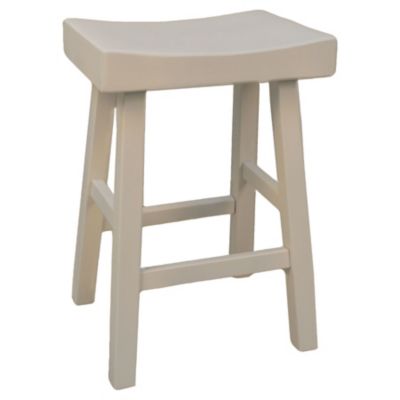
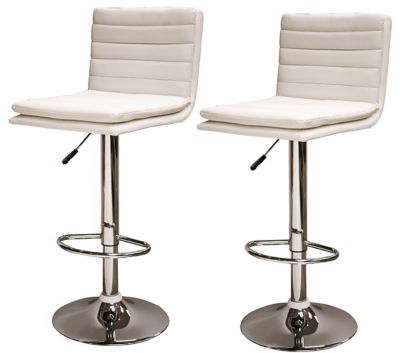
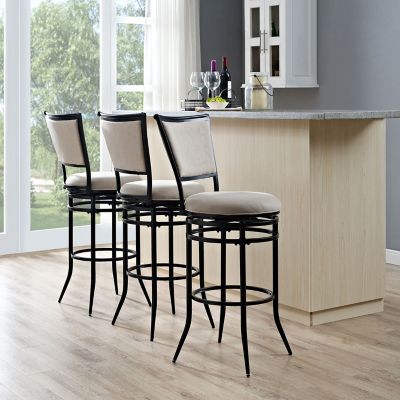
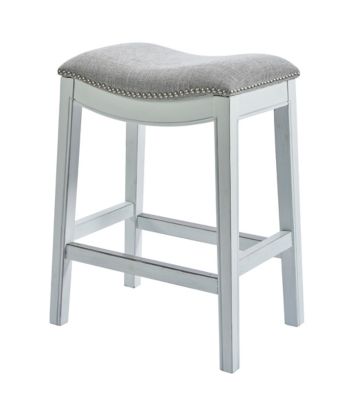
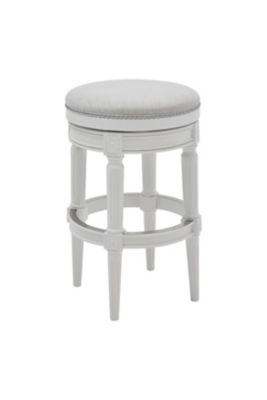
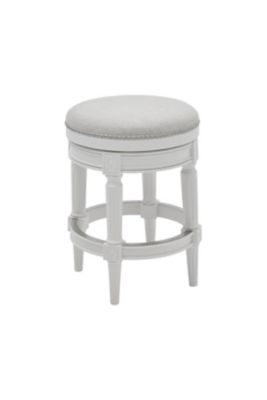
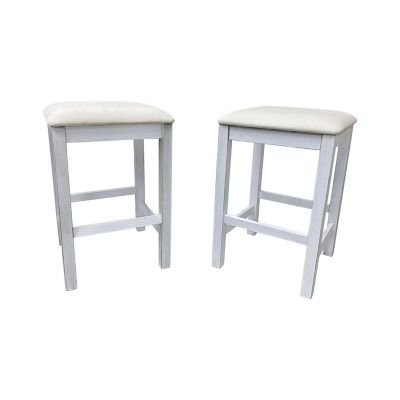
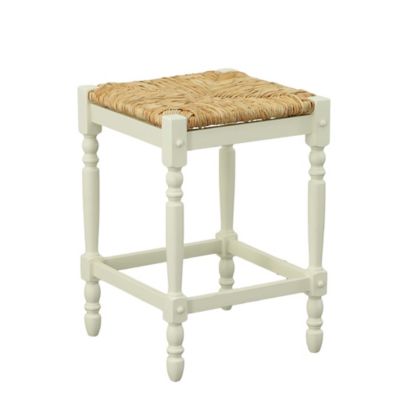
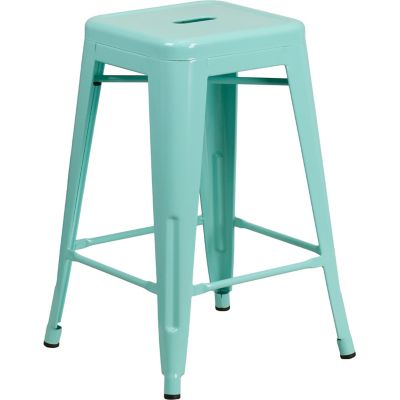
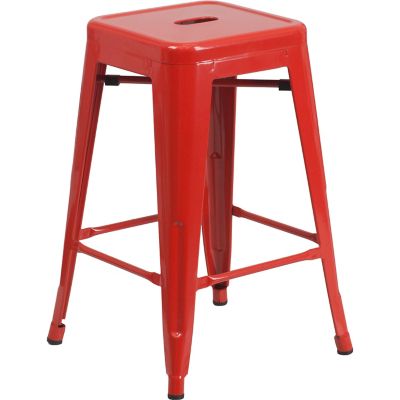
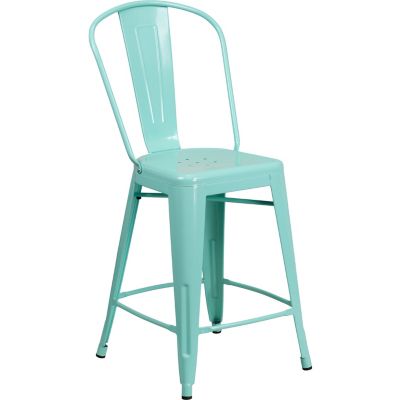
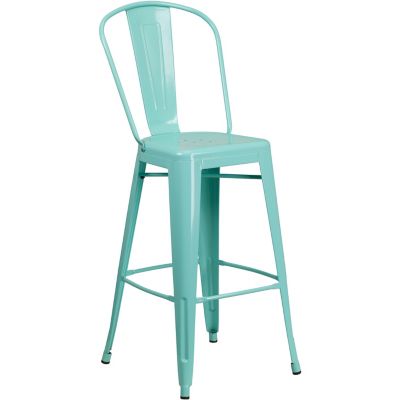
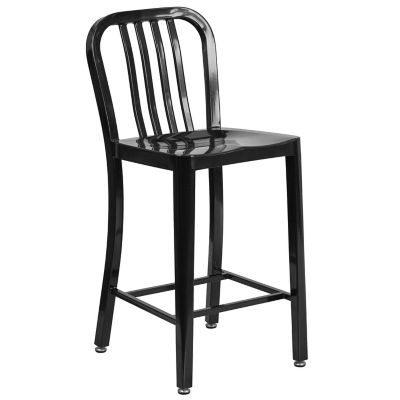
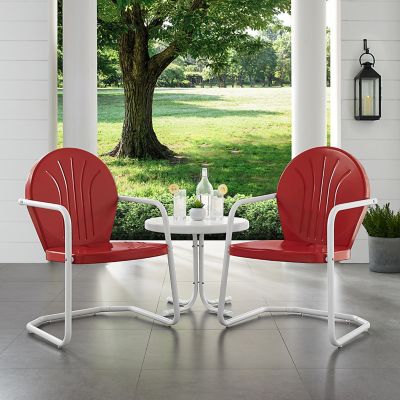
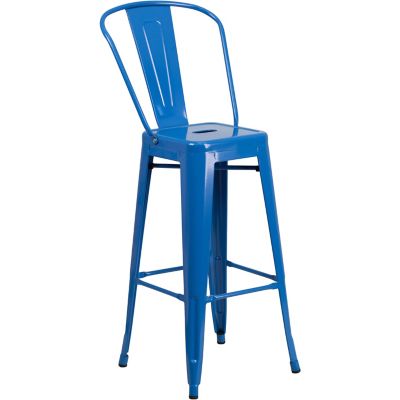
White outdoor bar stools bring a bright, easygoing look to patio bars, tall porch tables and backyard gathering spots. The white finish pairs naturally with weathered wood, brick, stone and painted siding, whether the setting is a farmhouse porch or a small deck overlooking the garden. These taller seats give family and friends a place to settle in while supper comes off the grill, share a cup of coffee or visit after the chores are done. Outdoor bar stools generally have seat heights of about 28 to 32 inches and fit bar surfaces around 40 to 42 inches tall, though the right pairing depends on the space between the seat and the underside of the tabletop. About 10 to 12 inches of clearance usually leaves comfortable room for legs. Counter-height seating is shorter, commonly around 24 to 26 inches for a surface about 36 inches high, so the two types are not always interchangeable. A thick tabletop or low support apron can also reduce knee room even when the overall heights seem right. Seat width and spacing matter just as much when several people gather along one side of a bar. Roughly 26 to 30 inches from the center of one stool to the next is a useful starting point, with more space for broad seats, arms or swivel movement. A backrest offers support for longer conversations, while a backless shape can tuck farther beneath a compatible tabletop and keep a narrow porch feeling open. Armrests add another place to relax, provided they clear the table edge. A well-positioned footrest gives feet somewhere to land instead of leaving legs dangling. For a household that spends plenty of time outside, that combination of height, support and breathing room makes the difference between seating that simply fits the space and seating that feels good through a leisurely meal.
Materials shape how white outdoor bar stools look, feel and handle life outside. Powder-coated aluminum is relatively light and does not develop the red rust associated with iron or steel, making it a practical choice for seating that moves between a covered porch and an open patio. Aluminum can still corrode in harsh conditions, and its finish benefits from regular cleaning, especially near saltwater. Steel frames often provide a heavier feel, but their resistance to rust depends on the protective coating staying intact. Chips, scratches and exposed joints deserve attention because moisture can reach the metal underneath. Welds, frame connections and hardware also affect how a stool holds together through repeated sitting and shifting. Outdoor-rated fasteners, including suitable stainless steel hardware, help limit corrosion, though they still need care. Resin wicker offers a woven texture that softens the look of a tall seat; its weather performance depends on both the weave and the frame beneath it. Natural wicker generally needs more shelter and should not be treated as equivalent to outdoor resin wicker. Molded plastic and high-density polyethylene seating can be straightforward to wipe down, but construction, reinforcement and sunlight protection vary. White-painted wood brings visible grain and a familiar porch-furniture feel, with periodic finish maintenance helping protect it from moisture. Across these materials, slatted seats and open frames can let rain drain rather than collect, although seams and recesses may still hold water. Smooth edges, secure footrests and a stated weight capacity suited to the intended sitter are practical details worth checking. On an exposed deck, a lightweight stool may be easy to carry inside but more likely to shift in strong wind. On a covered porch, the same lighter frame can make sweeping leaves out from beneath the bar much less of a chore. No single material handles every setting the same way; shelter, humidity, sun exposure and everyday handling all play a part.
Comfort and upkeep round out the fit between white patio bar stools and the way an outdoor space gets enjoyed. Contoured seats can offer support without a cushion, while outdoor-rated cushions add a softer landing for an unhurried breakfast or an evening spent watching the yard settle down. Padding thickness changes the effective seat height, so a thick cushion can make an otherwise comfortable setup feel tight beneath the table. Cushion ties help keep pads in place, and removable covers can simplify cleaning when their care instructions allow washing. Water-resistant fabric is not necessarily waterproof, and even outdoor cushions benefit from drying fully before being put away. White frames make muddy splashes, pollen and grill-side smudges easy to spot; a soft cloth, mild soap and a thorough rinse are often suitable, subject to the material’s care directions. Abrasive pads and harsh cleaners can scratch a coating or dull a surface. Chair glides help protect deck boards and patio finishes, while a level spot keeps a tall stool from rocking. Uneven pavers, soft ground and the gaps between boards need particular attention because taller seating depends on steady contact at every leg. For families with young children or anyone who has trouble stepping up, lower seating nearby gives everyone a more comfortable place to join the conversation. A separate table with
White Outdoor Bistro Sets can carry the same light color into a smaller porch corner without making every gathering spot bar height. As cooler weather brings longer stretches of rain, fallen leaves or freezing temperatures, dry sheltered storage or a properly fitted, ventilated cover helps limit exposure. Stackable or folding designs can make seasonal storage easier when their construction supports it. Keeping cushions dry, clearing debris from joints and checking fasteners according to the care instructions helps seating stay ready for the next clear afternoon. With room to move and surfaces that suit the setting, a few tall white seats can turn an outdoor bar into a comfortable spot for everyday company.