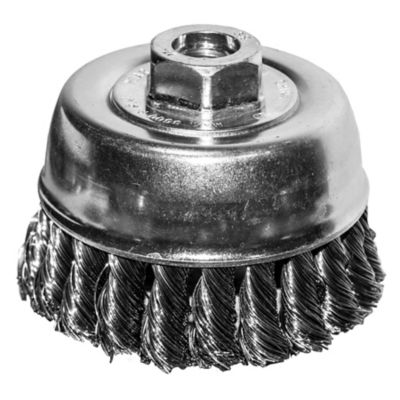
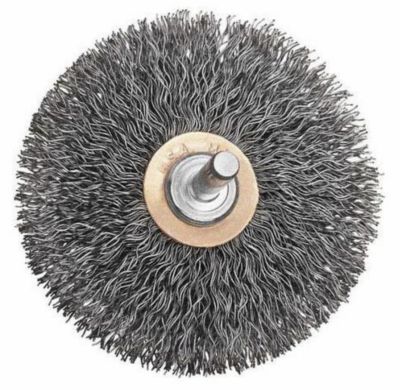
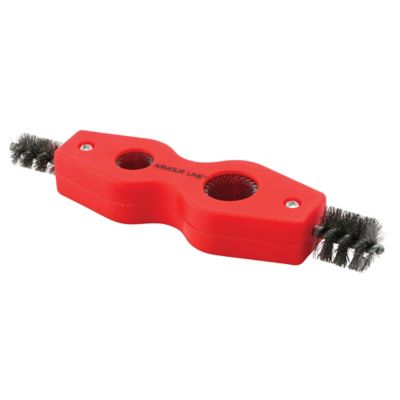
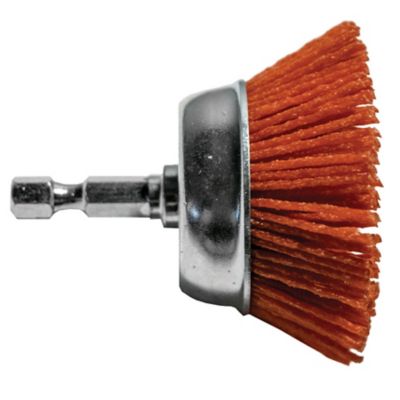
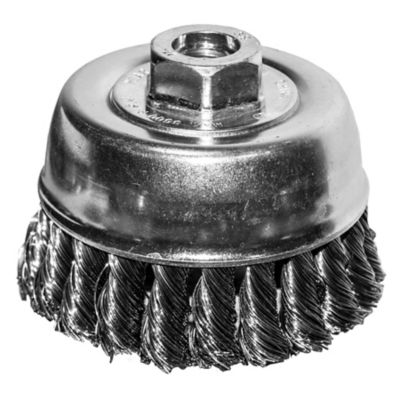
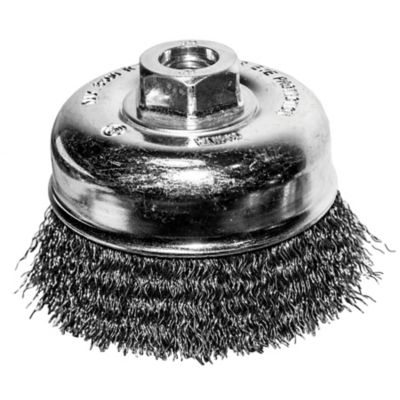
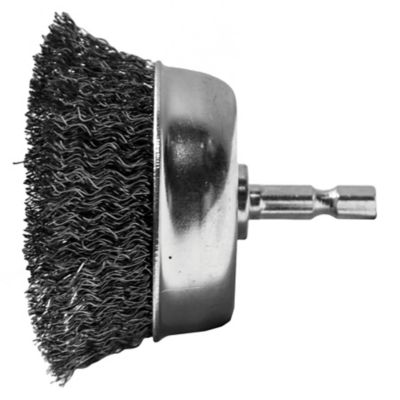
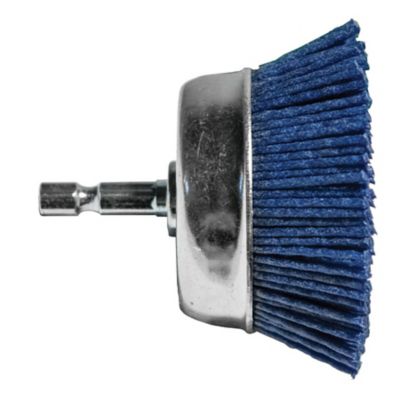
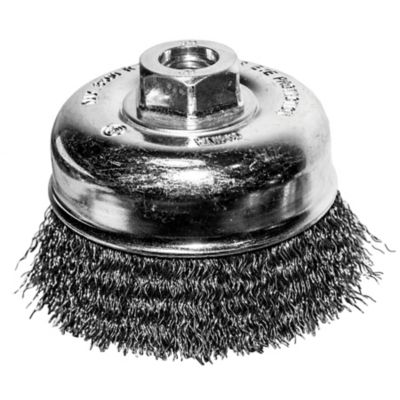
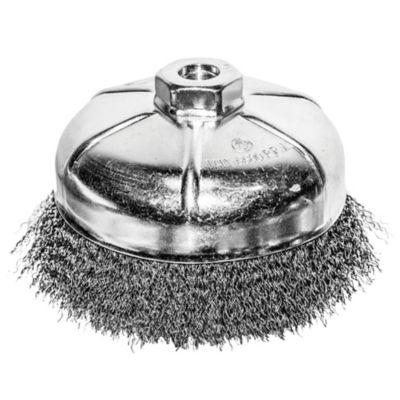
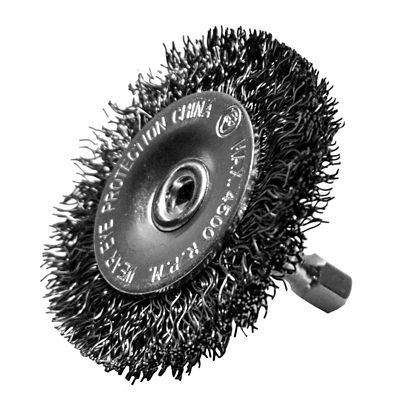
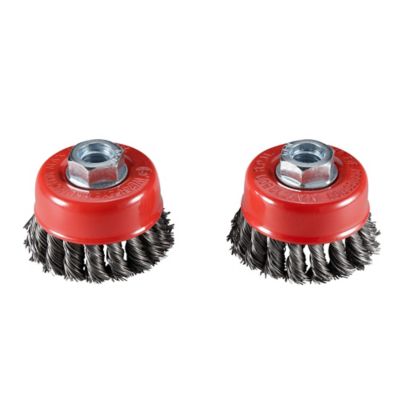
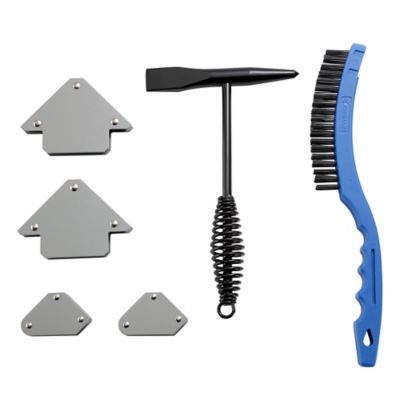
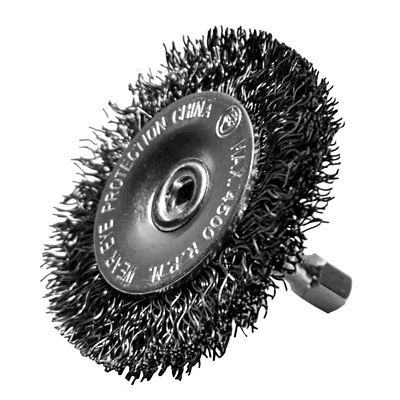
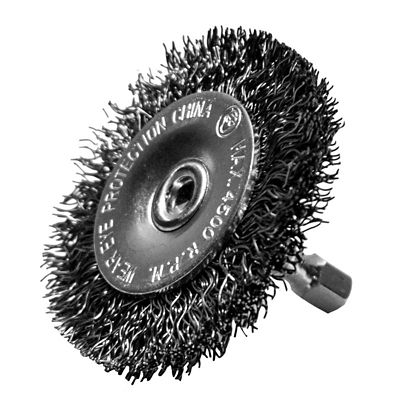
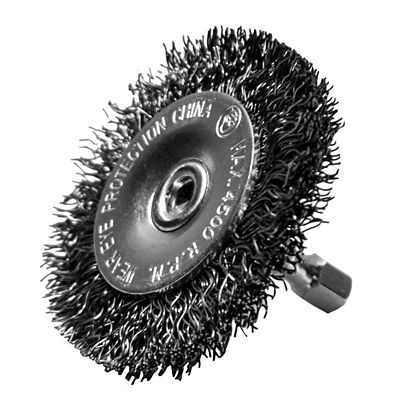
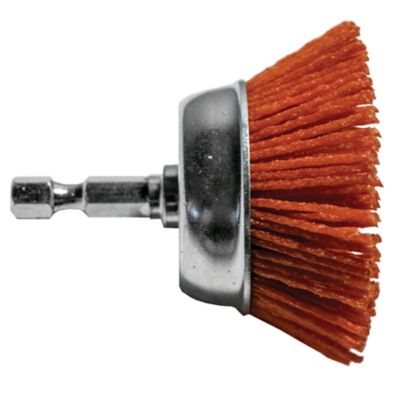
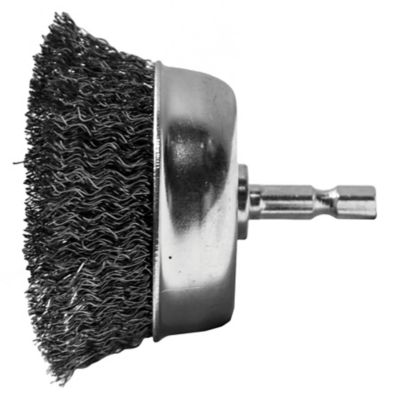
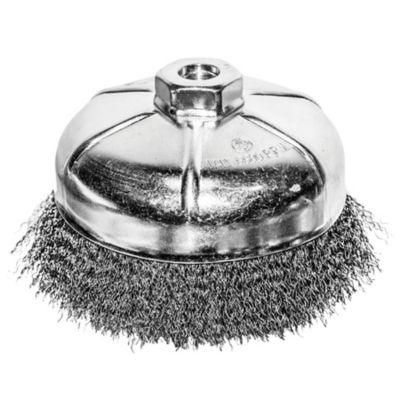
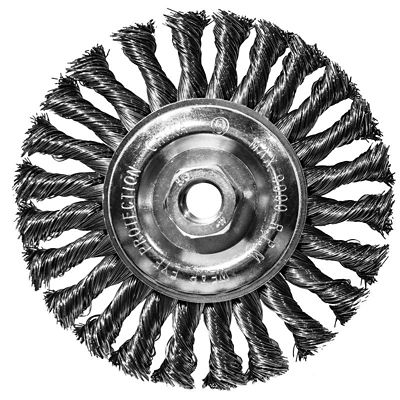
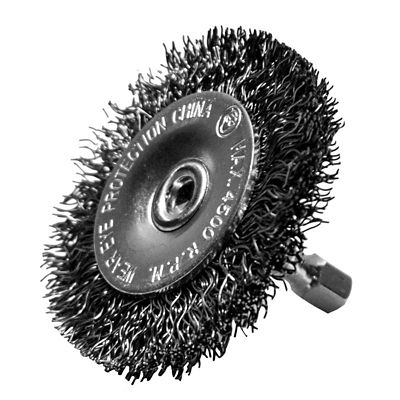
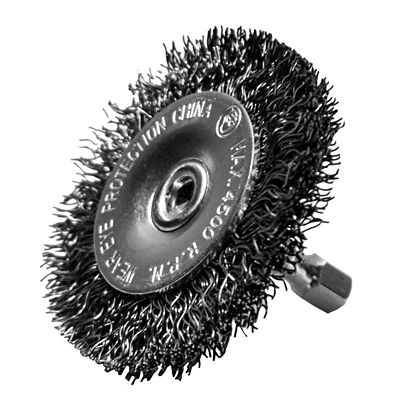
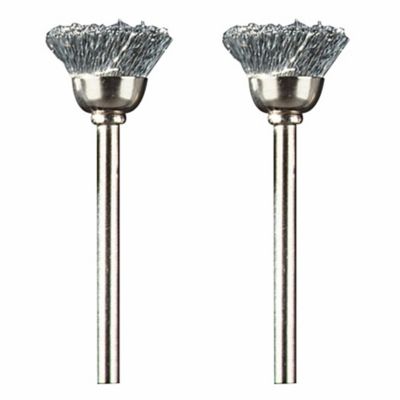
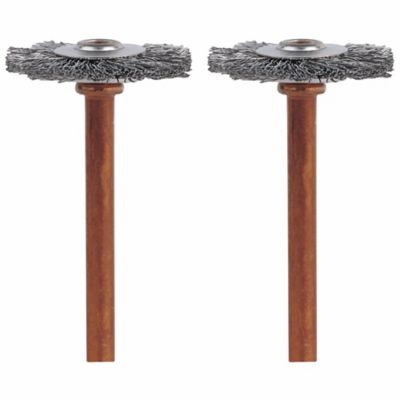
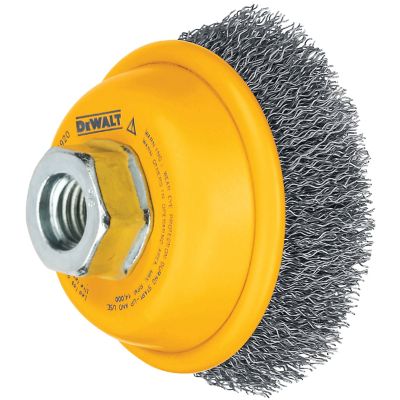
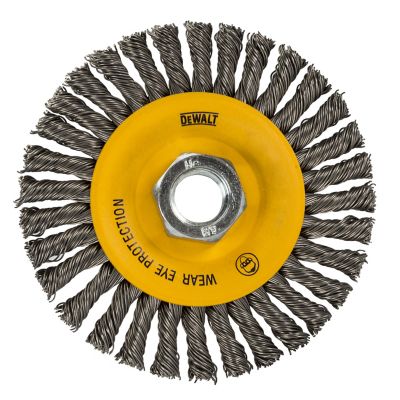
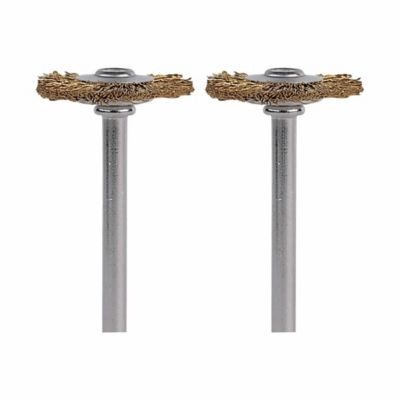
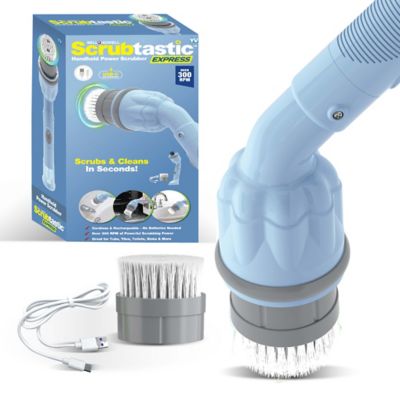
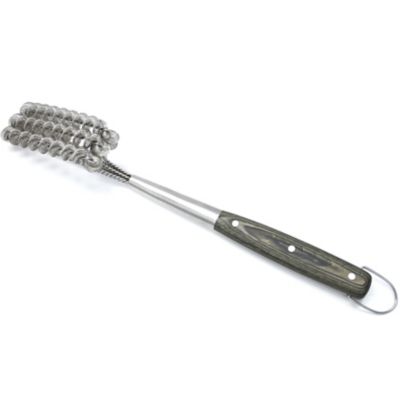
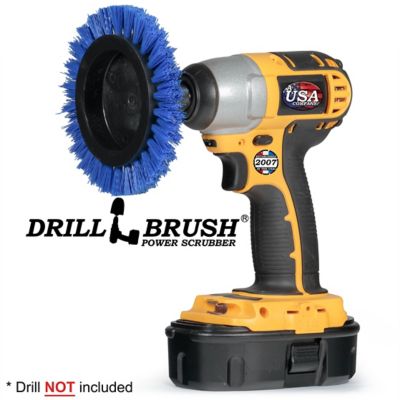
Power wire brushes are handy shop and homestead tools for cleaning, stripping and preparing surfaces with less elbow grease than a hand brush can provide. They may be sold as attachments for drills or angle grinders, or as powered scrubbers made for cleaning larger outdoor areas and hard-to-reach spots. Depending on the brush shape and tool, they can help remove loose rust, old paint, weld scale, baked-on grime, dirt, moss and other stubborn buildup from metal, wood, masonry and outdoor surfaces. A wire wheel is useful for broad, flat areas and edges, while a cup brush can cover a wider surface with a grinder. End brushes work well in corners, holes, seams and other tight places where a larger wheel cannot reach. Powered scrub brushes can be a good fit for pavers, concrete joints, steps and other areas where dirt or plant growth settles into cracks. For cleaning cooking grates and other food-preparation surfaces, choose a brush made for that task, and browse
Wire Brushes for Grill Cleaning for options suited to grill care. These tools are useful around the farm, garage, workshop and home: a livestock trailer may need rust and scale removed before repainting, a gate hinge may need old buildup cleared away, or a set of garden tools may need a thorough cleanup before storage during the cooler months. They can also help freshen up fence hardware, mower decks, utility trailers, metal furniture, shop equipment and masonry surfaces, making them a practical addition for property owners, mechanics, welders, fabricators, maintenance crews and do-it-yourselfers.
The right brush depends first on the material being cleaned and the buildup being removed. Carbon steel bristles are a common choice for general-purpose work on iron and steel, including rust, scale, corrosion and paint removal. Stainless steel bristles are better suited to stainless steel, aluminum and other non-ferrous metals when you want to avoid leaving behind particles that can later cause discoloration or surface contamination. Brass or brass-coated bristles are softer and can be a better choice for copper, brass, softer metals and jobs where a lighter touch matters. Brush shape, wire thickness and trim length also affect how the tool behaves. Thicker, shorter wires are generally more aggressive and durable for heavy buildup, while finer or longer wires can conform more gently to uneven surfaces and reach into textured areas. Before shopping, consider the tool you already own and check the attachment size, arbor or mounting style, thread pattern and rated speed. A brush must be compatible with the drill, grinder or scrubber being used; never run an accessory above its maximum speed. Think about the size of the work area, too. A small end brush may be just right for cleaning around bolts and welds, while a larger wheel or cup brush can save time on a broad gate panel or trailer frame. The surface underneath matters just as much as the material being removed. Wire bristles can scratch finished metal, gouge soft wood, damage thin sheet metal or leave visible marks on masonry, so test the brush in an inconspicuous spot and use the least aggressive option that will get the job done. If the goal is repainting, brushing is only one part of surface preparation; loose debris should be removed, the surface should be cleaned as appropriate and any remaining damage should be checked before primer or paint is applied.
Power wire brushes work quickly, but they need to be handled with care. Loose bristles can break off at high speed, and the material being removed may send sharp chips, dust or flakes into the air. Wear ANSI-approved eye protection, sturdy gloves and long sleeves, along with hearing protection when using a loud power tool. A face shield can add another layer of protection for heavy-duty work, and a suitable dust mask or respirator may be needed when removing old coatings, rust or other dusty materials. Keep bystanders, children and pets away from the work area, and secure the piece being cleaned so it cannot shift or spin. Start the tool at a low speed when possible, bring the brush to the surface gradually and let the tool’s weight do most of the work. Pressing too hard can bend the wires, wear out the brush faster, overload the motor or make the tool harder to control. Keep the brush moving rather than holding it in one place, especially on thin metal or painted surfaces. Inspect the accessory before each use for loose wires, cracks, a worn hub or other damage, and replace it when it no longer runs smoothly or safely. Work in a well-ventilated area, keep cords and batteries away from sparks and moisture, and follow the instructions for the specific tool and brush. With the right bristle material, attachment style and safety habits, a power wire brush can make rough cleanup jobs more manageable, whether you are restoring a rusty farm gate, preparing equipment for fresh paint, clearing grime from outdoor surfaces or getting the workshop ready for the next project.