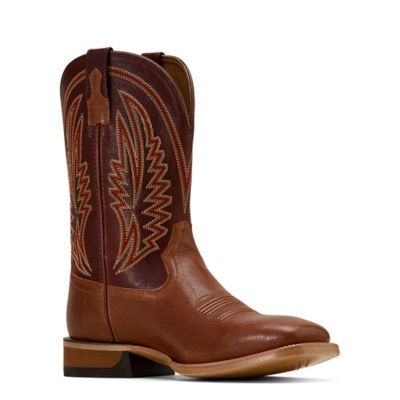
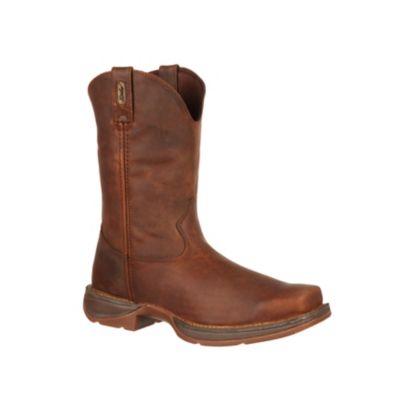
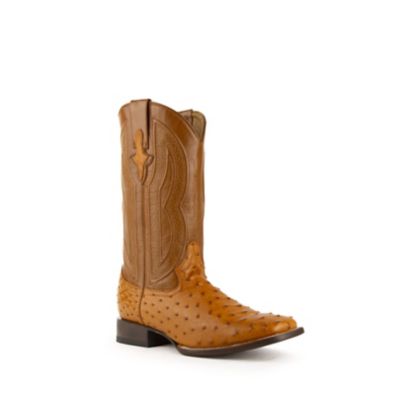
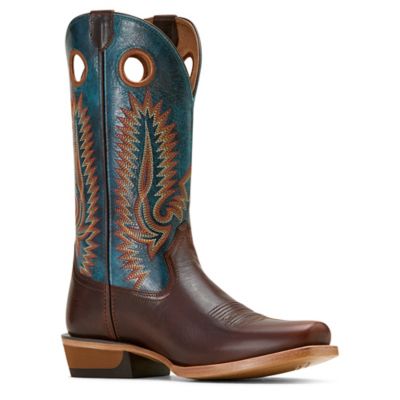
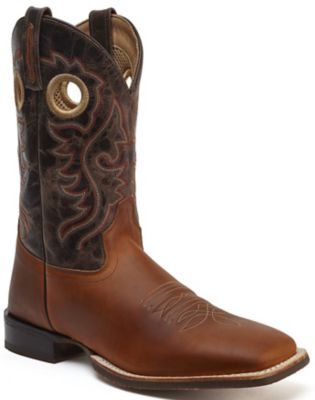
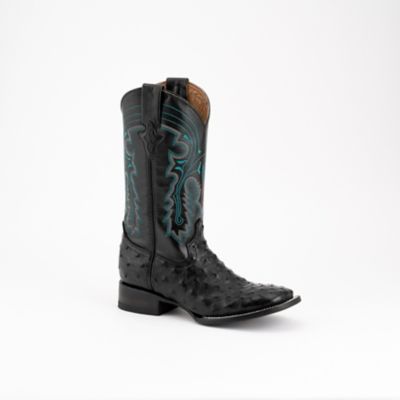
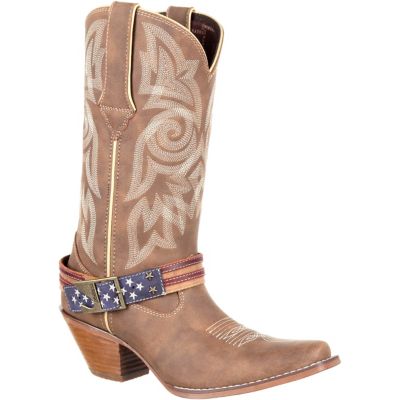
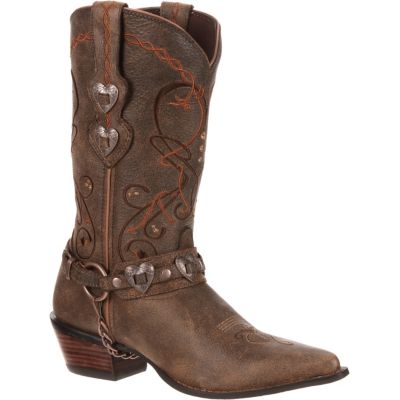
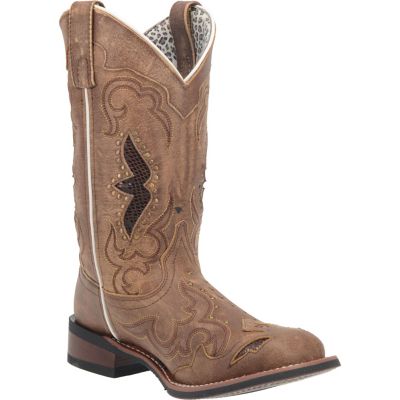
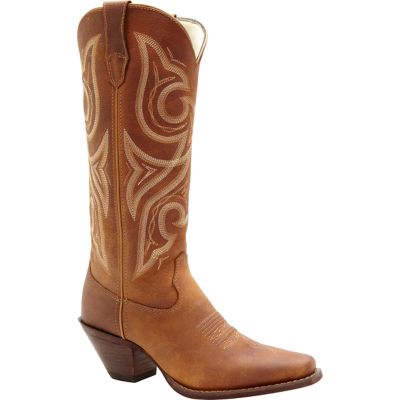
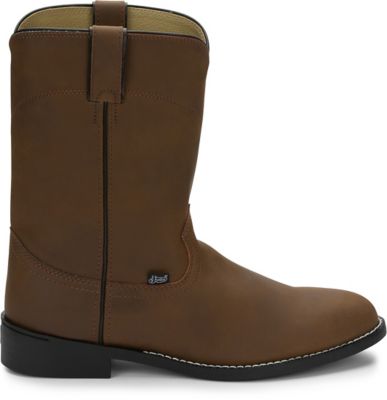
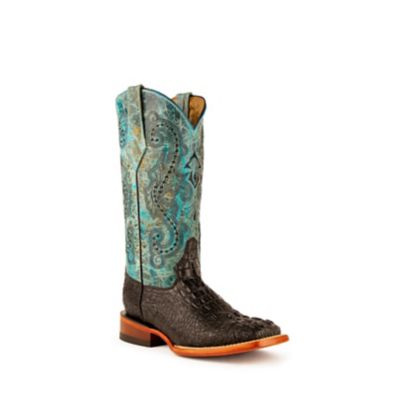
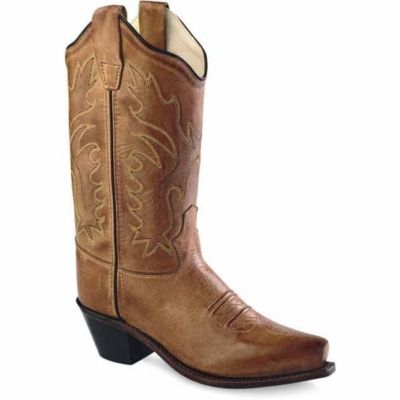
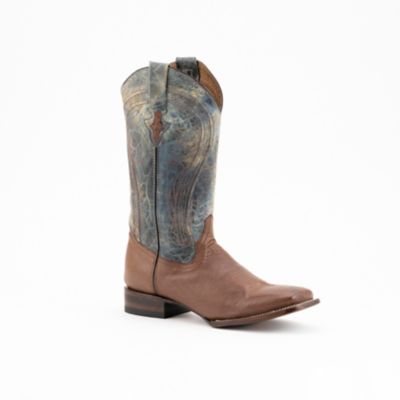
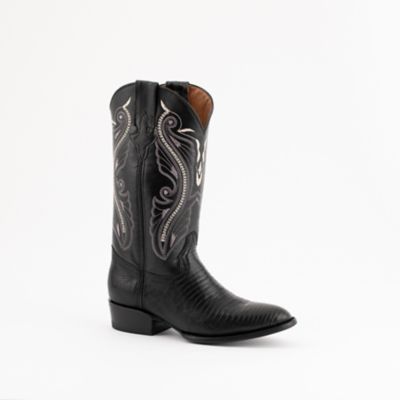
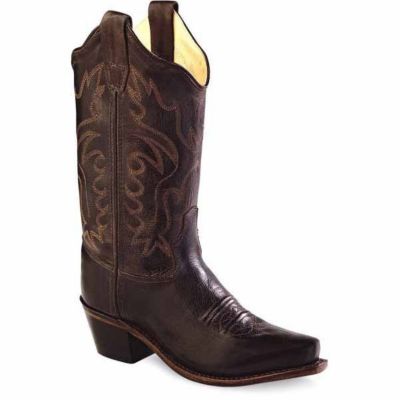
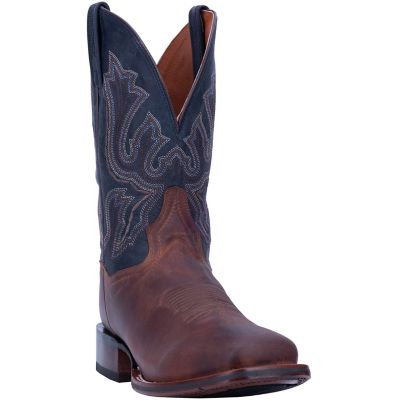
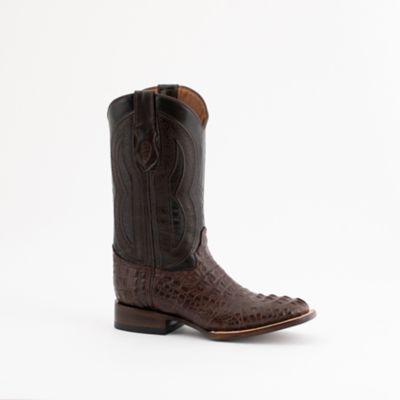
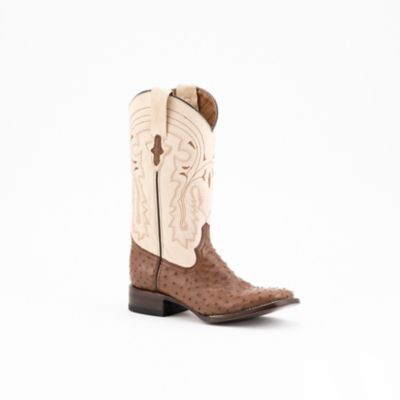
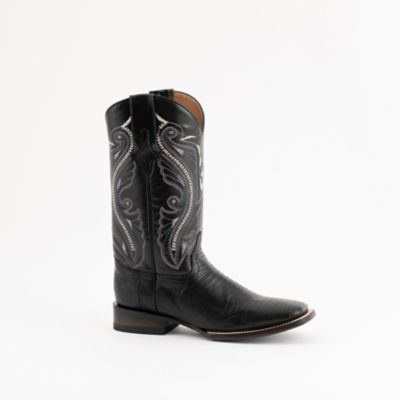
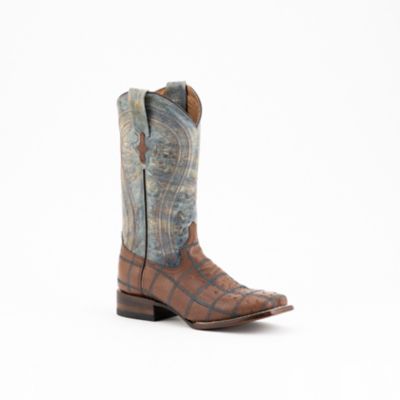
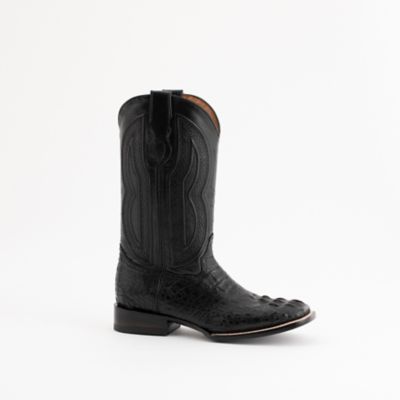
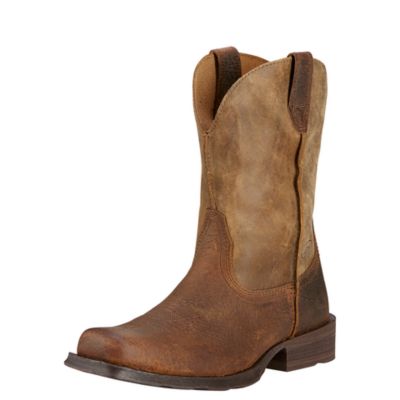
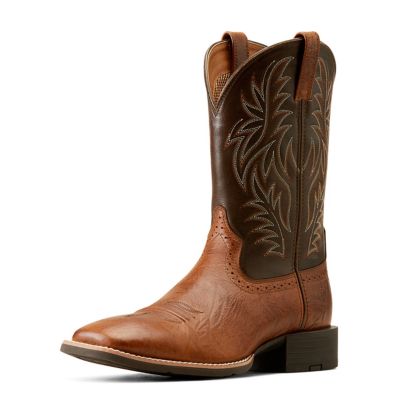
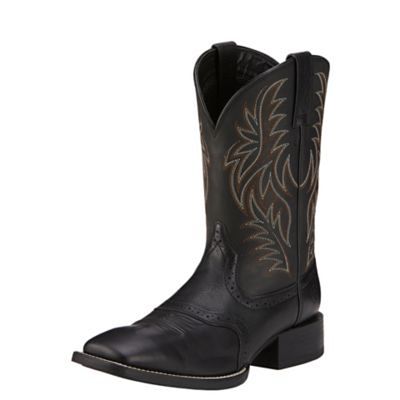
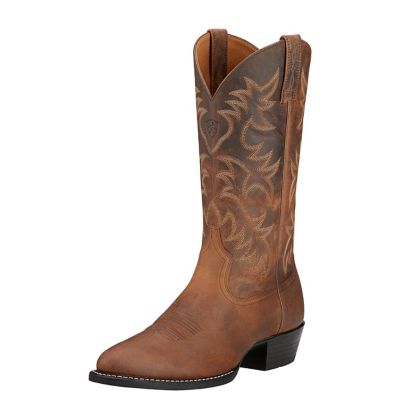
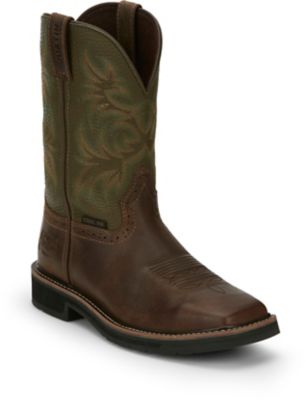
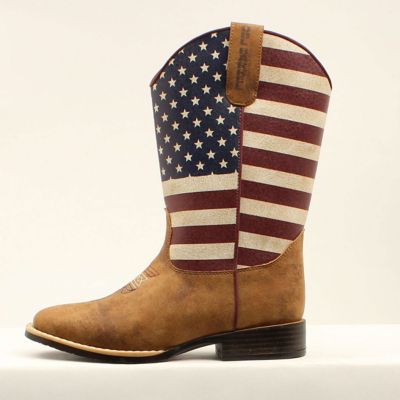
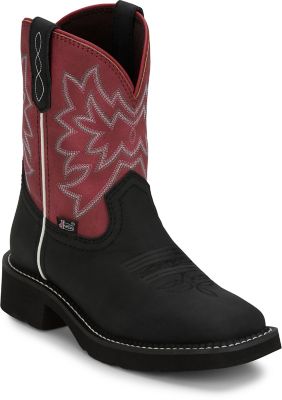
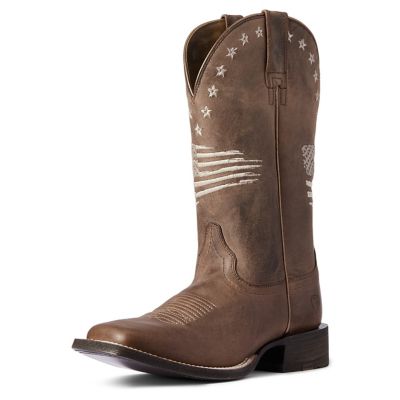
Western cowboy boots make a thoughtful Christmas gift for someone who feels at home around horses, spends long days on their feet, or simply likes a little Western character with a favorite pair of jeans. They can be a practical present for a ranch hand, a dressed-up pair for a country music fan, or a first pair for a youngster eager to follow the grown-ups out to the barn. The best match comes down to how the recipient spends the day, what feels comfortable on their feet, and which details suit their style. Traditional stitching, contrasting shafts, and earthy leather tones bring familiar cowboy character, while brighter colors, embroidery, and subtle shine give dressier pairs a different personality. Brown and black are easy to pair with everyday clothing, but color alone does not tell the whole story. A boot’s leather, lining, sole, and construction all help determine where it belongs. Full-grain leather can develop creases and a rich patina with wear, while suede has a softer, textured surface that calls for a different care routine. Synthetic uppers offer another material option, with cleaning needs that depend on the finish and construction. Leather outsoles have a traditional feel, while rubber outsoles can offer cushioning and tread patterns suited to walking or certain work settings. Neither material makes a boot right for every task. A pair meant for church, family Christmas gatherings, and evenings at the dance hall may have different features than one intended for chores. Shaft height, heel shape, and the amount of stitching also affect the look and feel. Some recipients appreciate a plain, hardworking profile that slips naturally into their daily routine; others enjoy a taller shaft with enough detail to show beneath a skirt or tucked-in jeans. A Christmas gift feels more personal when those details reflect the person who will pull the boots on, rather than just the look of the pair beneath the tree.
Fit matters just as much as appearance, especially with pull-on cowboy boots. A pointed, round, or square toe changes the silhouette, but the shape at the front does not replace the need for the correct size and width. A broad square toe may offer more room around the toes in some designs, yet a boot can still feel too narrow across the ball of the foot or too loose through the instep. A well-fitting pair generally holds the instep snugly without painful pressure, leaves room for the toes to move, and supports the foot without pinching. A small amount of heel movement can occur in a new pull-on leather boot as the sole begins to flex, but excessive slipping or a foot that slides forward is not something to overlook. Leather may soften with wear, though break-in should not be expected to fix a boot that is too short. The recipient’s usual boot socks matter, too: a thick work sock changes the feel compared with a thin dress sock. For someone who wears boots from morning feeding through an afternoon in town, cushioning, arch support, and interior seams can make a noticeable difference over the course of the day. Removable footbeds may be helpful for certain wearers, but adding an insert takes up space and can change the fit. Men’s and women’s sizing varies by maker and boot design, so a familiar shoe size is a starting point rather than a promise. Youngsters need the same attention to fit, with enough toe room for comfort but not so much extra space that their feet slide around. For a child’s Christmas present,
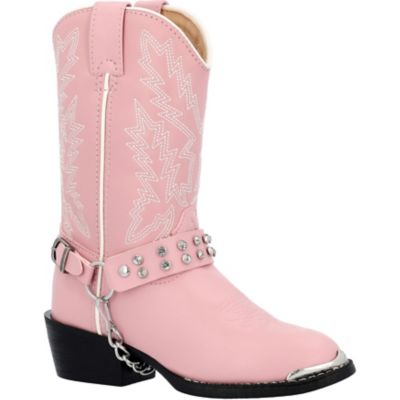
Kids Cowboy Boots brings the theme into a size range meant for smaller feet. Easy-to-grip pull tabs, manageable shaft height, and a comfortable interior can make getting dressed less of a struggle. A first pair should feel good for ordinary walking and play, not just look good in a holiday photo.
The way a pair will be worn also helps separate a welcome Christmas present from one that spends most of its time in the closet. Walking across a gravel drive, standing on a concrete shop floor, riding a horse, and heading out for dinner place different demands on footwear. For chores, outsole grip, cushioning, abrasion resistance, and construction deserve attention alongside the Western stitching. A cowboy profile alone does not mean a boot has a safety toe, electrical-hazard protection, or slip-resistance testing; those features need to be stated for the particular footwear. Riding brings its own considerations, including a defined heel and a sole shape suited to the stirrup and the rider’s activity. Deep, aggressive tread is not automatically a better choice around stirrups. Care habits play a part in long wear as well, making material choice worth thinking about before a gift is wrapped. Smooth leather generally benefits from dirt removal with a soft brush or cloth and occasional conditioning with a product intended for that leather. Too much conditioner can darken or oversaturate some finishes, so the maker’s directions and a test on a hidden spot matter. Suede calls for a suede brush and treatments made for its textured surface rather than ordinary leather cream. Synthetic materials have their own cleaning instructions and may not benefit from leather conditioners. After damp wear, boots need time to dry naturally away from a heater, stove, or direct heat that can damage leather and adhesives. Brushing dirt from seams and outsoles before storage helps keep grit from settling in, while boot supports can help taller shafts hold their shape. For someone who wears cowboy boots often, rotating between pairs gives the interiors a chance to air out. Those everyday details help a Christmas gift become part of real life: boots by the back door, boots ready for a Saturday outing, and boots that feel more familiar each time they are pulled on.