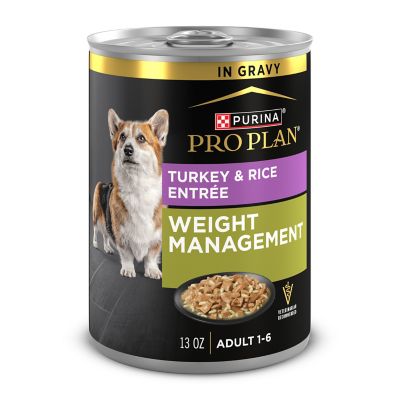
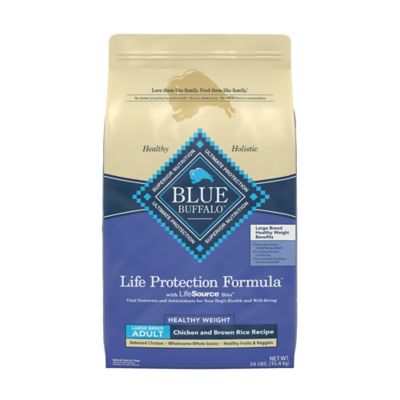
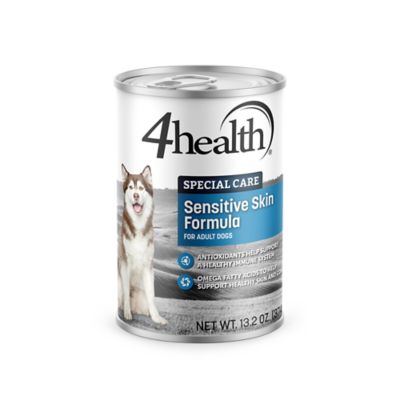
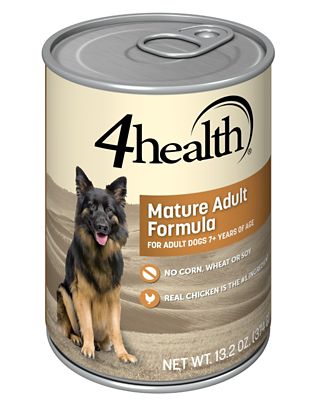
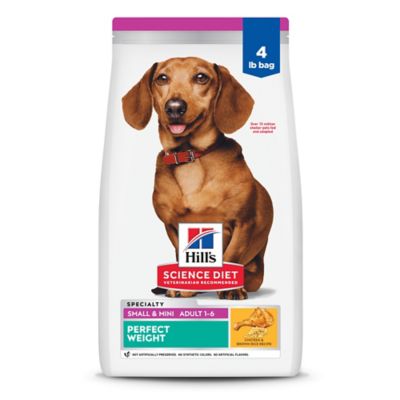
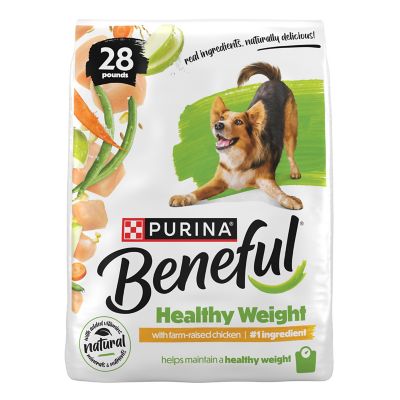
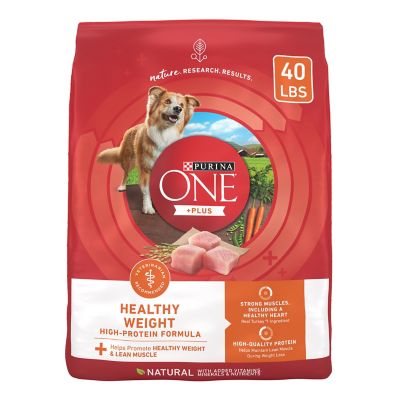
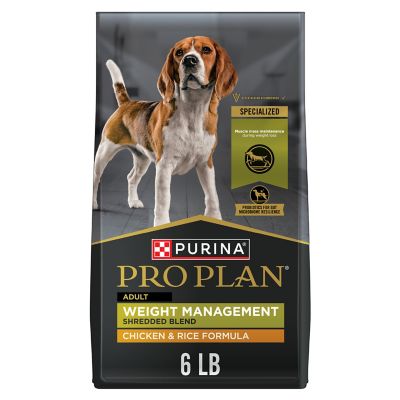
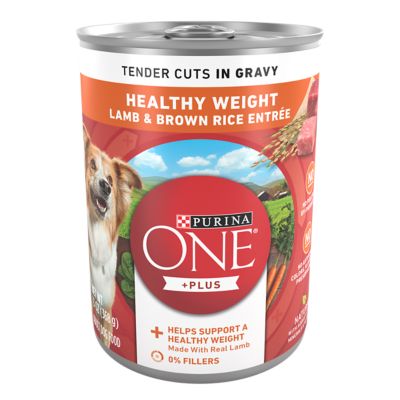
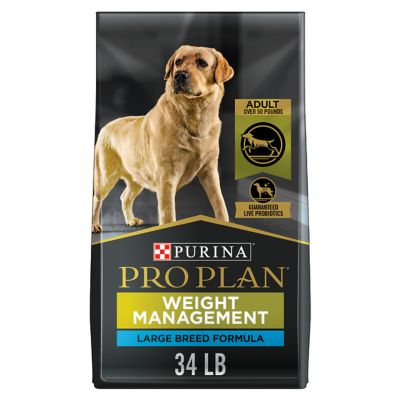
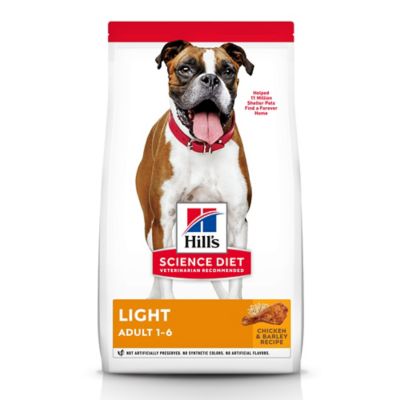
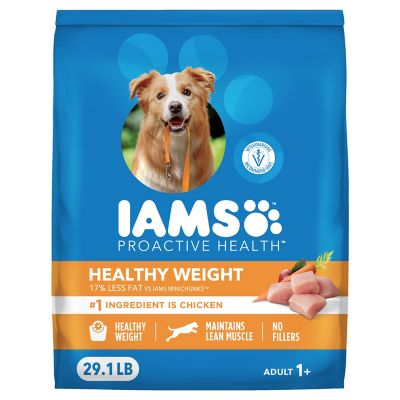
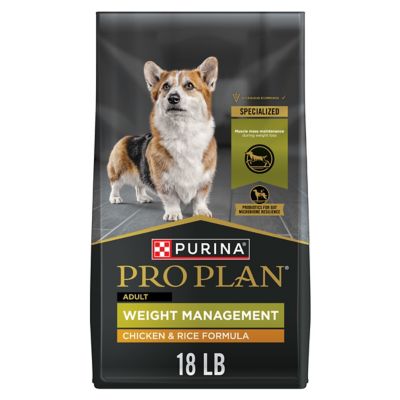
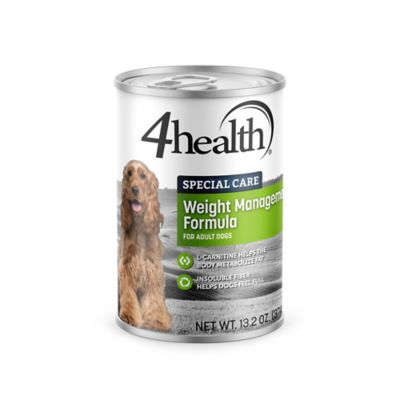
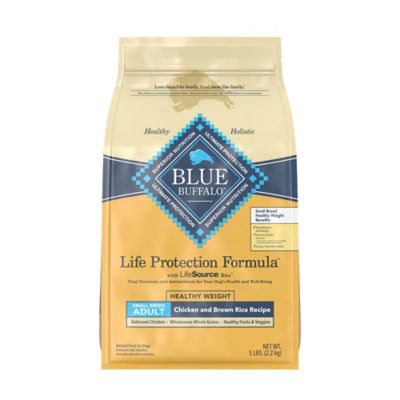
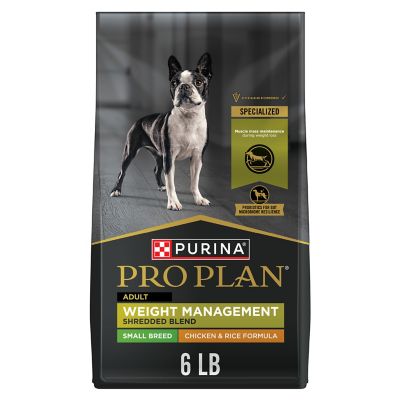
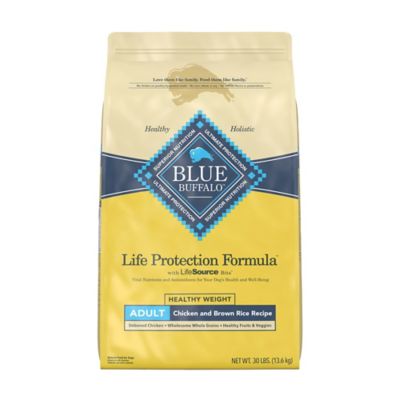
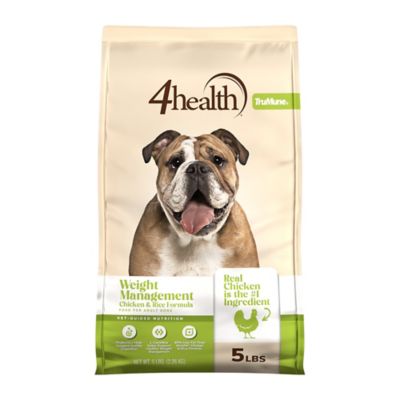
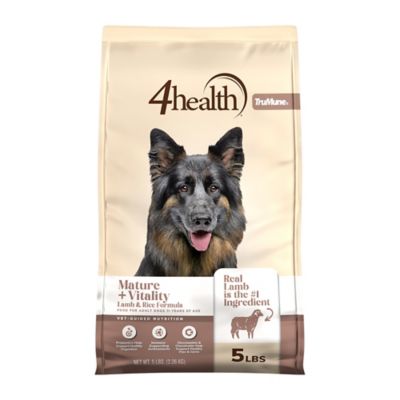
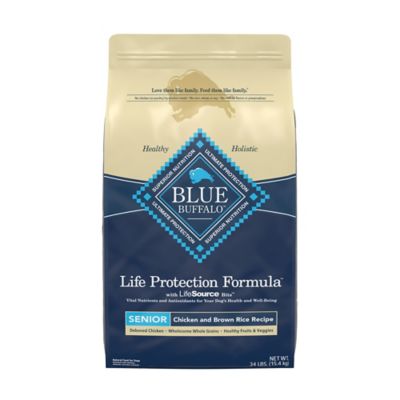
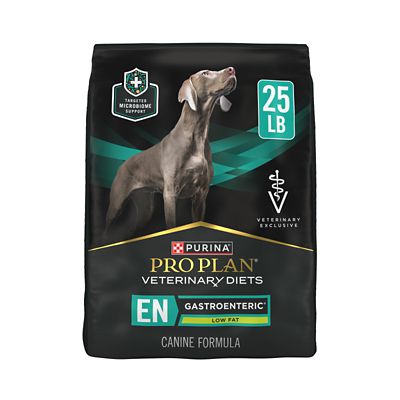
Weight management dog food is formulated to help dogs reach or maintain a healthy body weight while getting the nutrients they need for everyday life. These foods generally have fewer calories per cup or serving than standard adult maintenance recipes, often with protein to support lean muscle and fiber to help dogs feel satisfied between meals. That combination can make a difference for a dog whose days have shifted from long pasture walks to shorter trips around the yard, or a family companion who gets a little something from everybody at the supper table. Lower calorie density may allow a more satisfying portion within a dog’s daily calorie allowance, though serving sizes still depend on the recipe and the dog. Weight control formulas aren’t all alike: some are intended for maintaining weight in less active adults, while others are designed to support weight loss. Comparing the calorie statement, nutritional adequacy statement and feeding directions gives a clearer picture than the name on the bag alone. Protein helps support muscle during calorie restriction, while blends of soluble and insoluble fiber can support fullness and normal stool formation. Fiber sources may include beet pulp, cellulose or psyllium, with different recipes offering different combinations. Some formulas also contain L-carnitine, a nutrient involved in moving fatty acids into cells’ energy-producing structures. Its presence doesn’t guarantee weight loss, and no single ingredient takes the place of an appropriate daily calorie intake. The best fit depends on the whole formula, how readily a dog eats it and how well it agrees with their digestion. For shoppers comparing protein-focused options,
High Protein Dog Food For Weight Loss offers a related category to consider alongside calorie content and life-stage suitability. A higher protein percentage alone doesn’t make a food lower in calories, so both pieces of information matter. The goal is steady nourishment that supports a healthy body condition, not simply a smaller number on the scale.
Weight management recipes can suit a range of adult dogs, from small house companions with modest energy needs to larger dogs carrying extra pounds that make getting up or moving around harder. Breed size, age, activity level and health history all influence the right match. A dog that spends hours covering ground beside a fence line may need substantially more energy than one of the same size who spends most afternoons snoozing near the back door. Spayed and neutered dogs may also need fewer calories than before, though individual needs vary. Life-stage labeling matters because most adult weight control foods aren’t intended for growing puppies or dogs that are pregnant or nursing. Senior dogs need individual consideration, too; an older dog losing muscle or dropping weight without explanation needs veterinary attention rather than automatic calorie restriction. Dry kibble, wet food and combinations of the two offer different ways to serve a measured meal. Kibble is straightforward to portion and store, with piece sizes and shapes that can affect how comfortably a dog eats. Wet food adds moisture and a softer texture that some dogs prefer, but its calories still count toward the daily total. Comparing protein percentages between dry and wet foods requires accounting for their different moisture levels, rather than reading the printed percentages as equal measures. Recipes may feature poultry, beef, fish or other protein sources, along with grains, legumes, vegetables or added fibers. Those ingredients contribute different nutrients and textures; a familiar ingredient list doesn’t necessarily mean a recipe will suit every dog. Grain-free food isn’t automatically better for weight control, and a suspected food allergy calls for a veterinary assessment rather than repeated guesses at the food bowl. For dogs with digestive sensitivities, a tolerated protein source and a gradual food transition can matter as much as the weight management label. Dogs with conditions such as diabetes or a history of pancreatitis may need a veterinarian-directed diet that addresses more than body weight.
The way weight management dog food fits into daily chores matters just as much as the recipe itself. Feeding directions provide a starting point, but a veterinarian can help establish a target weight and daily calorie allowance based on body condition, muscle condition and medical needs. A healthy body condition generally means ribs can be felt beneath a light fat covering, with a visible waist from above and an abdominal tuck from the side, although coat and build can make those features harder to judge. Measuring portions with a kitchen scale helps keep meals consistent, especially for smaller dogs whose calorie needs leave less room for an extra handful. In a busy household, a shared feeding record can prevent two people from filling the same bowl before morning chores. Treats, dental chews, table scraps and food tucked into toys belong in the daily calorie count as well; treats generally should make up no more than 10 percent of daily calories unless a veterinarian recommends otherwise. Setting aside part of the measured kibble portion for rewards can keep training and good manners from turning into extra meals. Simply cutting an ordinary food down to a very small serving can leave nutritional gaps, which is one reason purpose-formulated weight loss diets may be appropriate when substantial calorie restriction is necessary. Veterinary therapeutic diets can provide another option for dogs needing closer supervision. Food changes usually go more smoothly when the new recipe is mixed with the previous food over several days, with the pace adjusted for digestive tolerance. Regular weight checks and attention to stool, appetite and energy help show whether the feeding plan is working. During the cooler months, shorter daylight hours may change walking routines, while working dogs spending time outdoors can have different energy demands. Portions should reflect the dog’s actual routine rather than the season alone. Store dry food in its original bag inside a clean, tightly closed container in a cool, dry place, and follow package directions for refrigerating opened wet food. With suitable nutrition, measured meals and activity matched to the dog’s abilities, weight management food can support more comfortable everyday movement, from a walk down the lane to a trip across the yard.