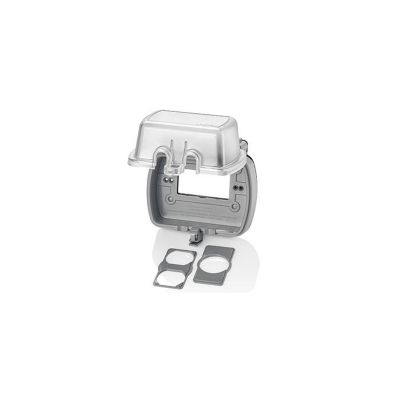
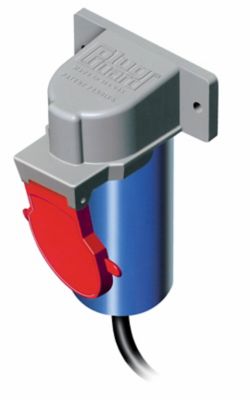
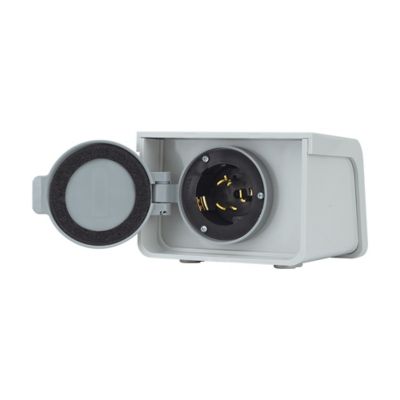
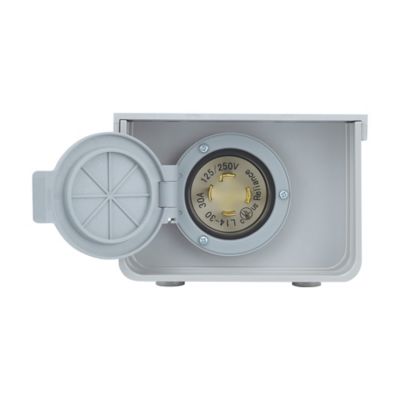
Weatherproof outdoor plug covers help shield outdoor receptacles from rain, snow, windblown dirt, and incidental splashes. Around a porch, barn, workshop, or backyard, the right cover provides a barrier between an electrical outlet and the conditions outside. The main distinction is whether that protection continues while a cord is plugged in. An in-use weatherproof cover, often called a bubble cover, has a raised enclosure with room for a plug behind a closed lid. Cord openings let the cable pass through without leaving the whole outlet exposed. A flat cover with a hinged flap generally protects the receptacle only when no plug is connected and the flap is shut. That difference matters for anything that stays connected outdoors, such as yard lighting or a pond pump. For typical household receptacles in wet locations, the National Electrical Code generally calls for an enclosure that remains weatherproof whether a plug is connected or not. Many installations also require an extra-duty-rated cover, so the listing and local electrical requirements matter more than appearance alone. A sheltered wall beneath a porch roof and an outlet on an exposed fence post may face different conditions; an overhang does not automatically make a location dry. Weatherproof outdoor outlet covers work as part of the electrical installation, alongside an appropriate electrical box, weather-resistant receptacle, grounding, and ground-fault circuit-interrupter protection where required. The cover itself does not provide GFCI protection or make damaged wiring safe. It also does not turn an ordinary indoor outlet assembly into an outdoor-rated installation. A weatherproof rating is not a promise of protection against flooding, submersion, or a direct pressure-washer spray. Matching the enclosure to its location and intended use helps keep those distinctions clear, whether the outlet serves a small front stoop or the outside wall of a busy farm shop.
Fit comes down to more than whether the mounting screws line up. Weatherproof receptacle covers come in configurations for single-gang and two-gang boxes, with openings suited to different receptacle shapes. A standard duplex outlet and a rectangular GFCI outlet need compatible face openings or the correct manufacturer-supplied adapter. Vertical and horizontal mounting options also matter because the hinge, lid, gasket, and cord exits need to work together in the installed position. Some covers support more than one orientation, while others have a specified mounting direction. Enclosure depth is another practical consideration. A straight plug, a right-angle plug, and a larger power adapter take up different amounts of space behind the lid. Enough clearance lets the cover close fully without pressing hard against the plug, sharply bending the cord, or trapping insulation along the edge. A deeper enclosure may suit a larger connection, but its projection from the wall can matter beside a narrow walkway, gate, or frequently opened door. Clear lids make it easier to see the connection without opening the enclosure, while opaque lids keep the contents out of sight. Polycarbonate and other outdoor-rated plastics can offer impact resistance without the corrosion concerns of exposed metal, though sunlight resistance and temperature ratings still deserve attention. Metal covers can suit demanding surroundings, with finishes and hardware that need to match the exposure. Neither material makes up for a poor seal. Gaskets, hinges, latches, and mounting surfaces all contribute to keeping water away from the receptacle. A cover that rocks against uneven siding or cannot sit flush against its intended mounting surface may not seal as designed. Matching the cover to the existing box and wall arrangement helps avoid that problem. Replacement work belongs on a de-energized circuit, with power verified off; cracked boxes, loose receptacles, corrosion, or questionable wiring are reasons to bring in a qualified electrician rather than simply hide the trouble beneath a new lid.
Everyday use gives those details a practical purpose. An outlet near the shop door may supply a portable tool for an afternoon, while one beside a garden path may serve lighting for longer stretches. On an exposed barn wall, the enclosure may face blowing rain, dust from the drive, and snow collecting along nearby surfaces. In each setting, the lid needs room to close and the cord needs a clear path through the intended opening. A cord pulled tight across a walkway can strain the connection and interfere with the cover, so outlet placement and cord routing matter alongside the enclosure itself. Protection at the wall is also different from protection where two cords join farther away.
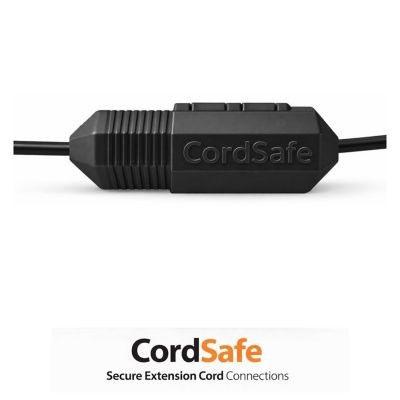
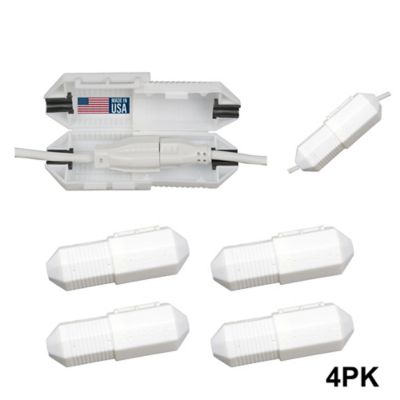
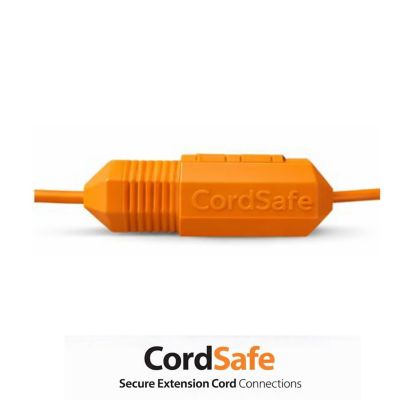
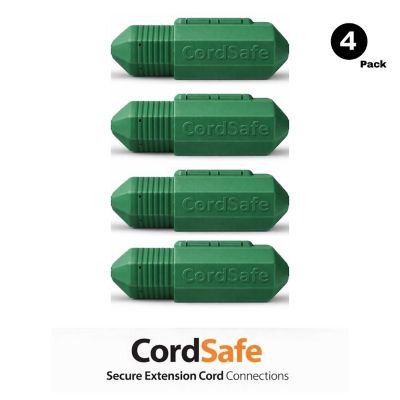
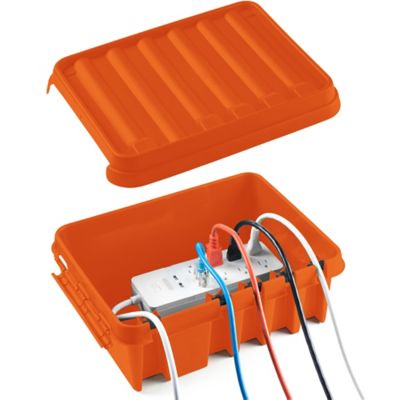
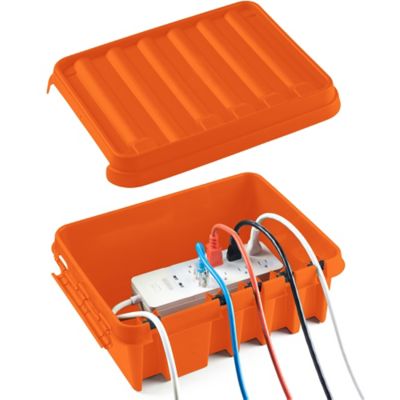
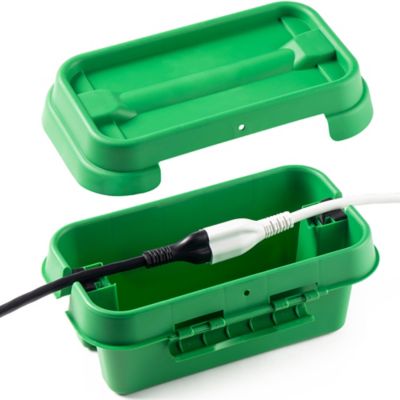
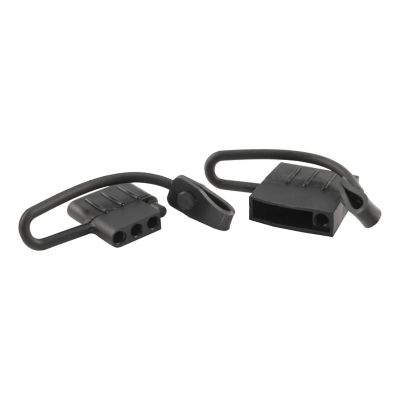
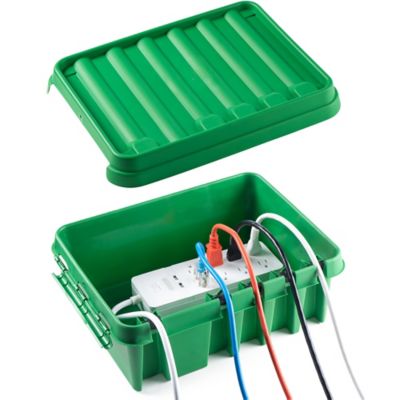
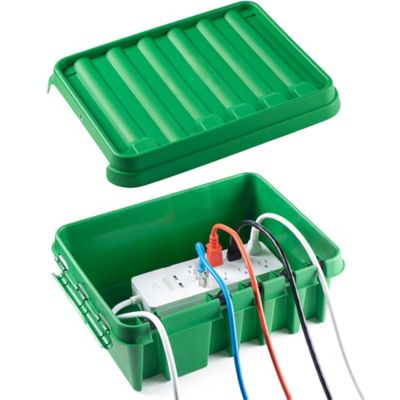
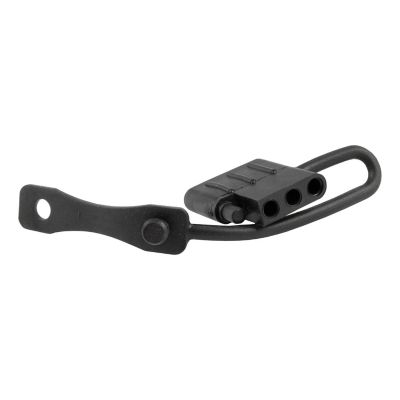
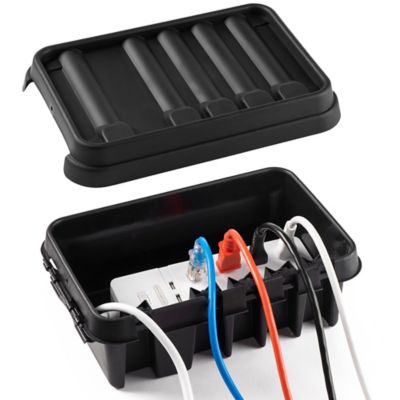
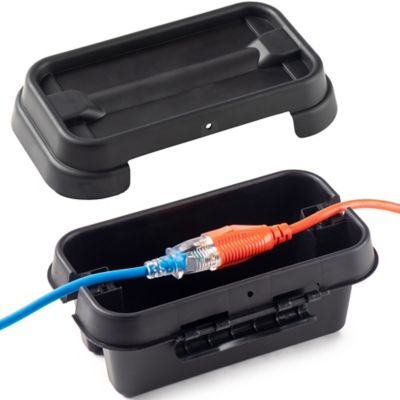
Outdoor Extension Cord Protectors address that separate connection point, with their own fit and exposure requirements; they do not replace a properly rated receptacle cover. Outdoor-rated cords still need suitable electrical ratings, sound insulation, and placement away from standing water, vehicle traffic, and sharp edges. Extension cords are not a substitute for permanent wiring, and equipment that regularly needs power far from an outlet may call for a properly installed receptacle closer to the work. Ongoing care for an outdoor plug cover is mostly about keeping its moving parts and sealing surfaces in working order. Dirt, cobwebs, and small debris can collect around hinges or cord exits, while a split gasket or broken latch can keep the lid from seating correctly. Cleaning should follow the manufacturer’s directions, without solvents or abrasive tools that could harm the housing or seal. Ice should not be forced from a frozen lid, and a cracked enclosure calls for replacement rather than a patch of tape. When nothing is connected, a fully closed cover keeps the receptacle protected between jobs. Sound materials, a proper fit, and a lid that closes the way it should make these covers a practical part of keeping outdoor power ready for everyday chores.