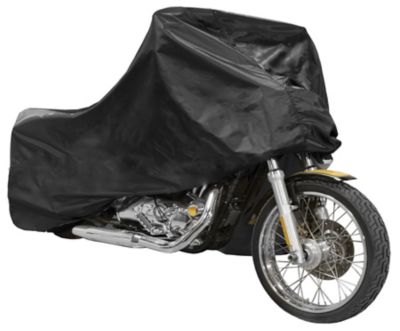
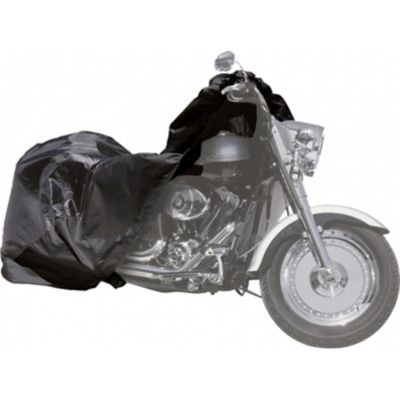
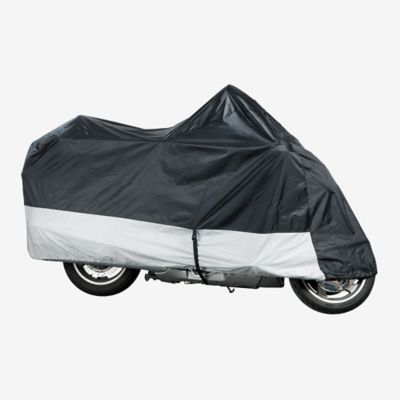
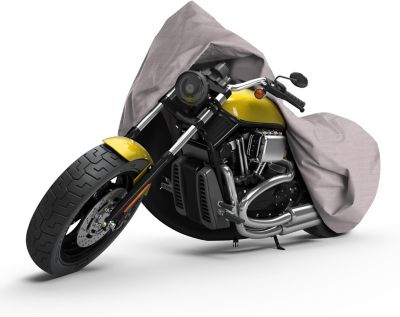
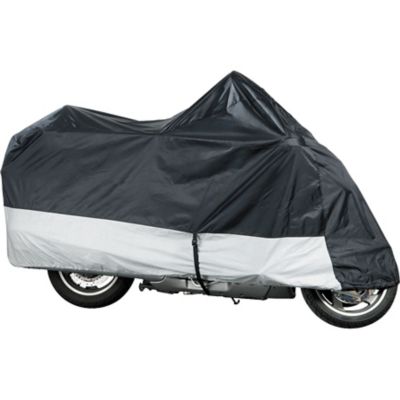
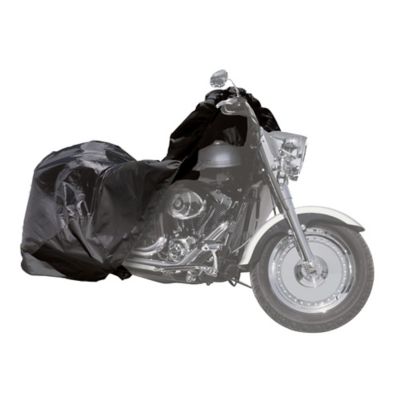
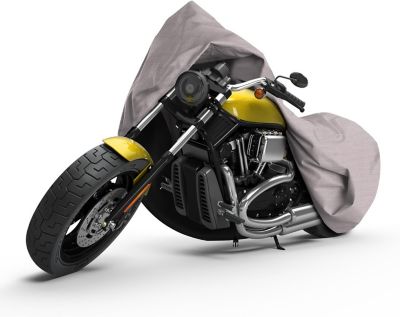
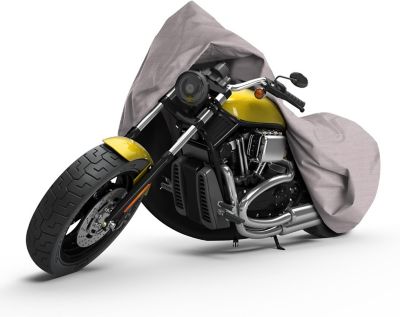
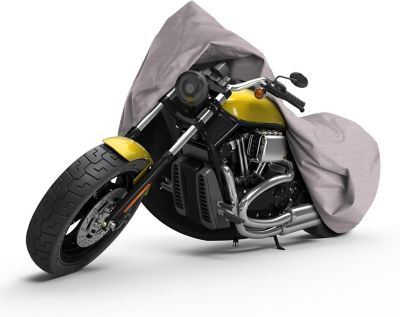
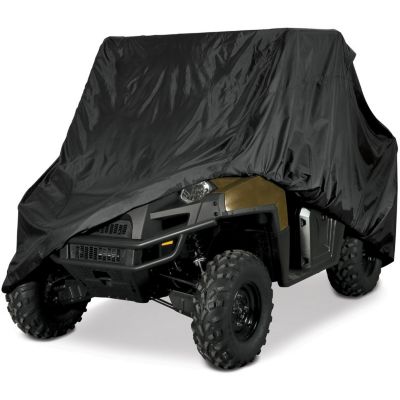
Weatherproof motorcycle covers help shield parked bikes from rain, snow, sunlight and windblown dirt, whether the parking spot is beside a shed, under a carport or out in the driveway. The protection comes from a combination of fabric, coatings, seams and a fit that stays put. A cover that sheds a passing shower may not keep out steady rain, so water-resistant and waterproof descriptions aren’t interchangeable. Waterproof construction generally combines a water-blocking fabric or coating with seams designed to limit leakage. Water-resistant fabric can handle lighter exposure but may let moisture through during prolonged rain or where water collects. Polyester and nylon are common cover materials, with different fabric weights, weaves and finishes affecting tear resistance, flexibility and how small the cover packs down. A higher denier number describes thicker fibers, but it doesn’t tell the whole story about strength or weather protection. Reinforcement around stress points, sound stitching and resistance to sunlight matter, too. Sun exposure can fade a motorcycle’s finish and break down cover fabric over time, making UV resistance worth considering for a bike that spends long stretches outdoors. For outdoor parking, water protection works best alongside ventilation. Covered vents give trapped moisture a way out while helping keep rain from blowing directly inside. Even without a storm, condensation can develop beneath a cover as temperatures change, especially over damp ground. A breathable design helps manage that moisture, though it doesn’t replace putting the cover on a dry motorcycle. Under a roof, a lighter cover may be enough to keep dust, pollen and bird droppings off the seat and tank. An exposed parking spot calls for more attention to rain protection, wind security and fabric strength. These differences make the intended parking location just as important as the motorcycle’s size when comparing weatherproof motorcycle covers.
Fit determines how well a motorcycle cover handles everyday exposure. Too little coverage leaves the seat, controls or luggage open to rain; too much loose fabric can flap against paint and catch the wind like a sail. Overall length is only part of the picture. Handlebar width, mirror position, windshield height and rear luggage all change the space a cover needs to accommodate. A compact street bike, a tall adventure motorcycle and a touring bike with saddlebags can have very different profiles, even when their lengths look similar on paper. Size charts are most helpful when they account for those differences, rather than relying on broad labels alone. Measurements taken with the motorcycle’s usual accessories in place give a clearer picture of the fit needed for daily parking. The way a bike rests matters as well: leaning on a side stand changes its outline compared with sitting upright. A shaped cover should settle over the bike without pulling hard across mirrors, stretching over sharp edges or dragging across the gravel. Elastic hems help gather the lower edge, while adjustable straps or buckles can secure the cover underneath. Reinforced lock openings may allow a security chain to pass through, although the cover itself isn’t a theft-prevention device. Strap placement also matters around exhaust pipes, wheels and other parts where a loose end could snag or pick up grease. Soft inner panels can help limit rubbing on painted surfaces, but grit trapped underneath can still leave marks when the fabric moves. For a rider who commutes regularly, manageable weight and a storage bag make repeated covering and uncovering less of a chore. A motorcycle parked for longer stretches may benefit more from substantial fabric and reinforced seams than from a tiny packed size. A cover can also make a practical gift for a rider with outdoor parking, provided the bike’s dimensions, accessories and storage setup are known beforehand.
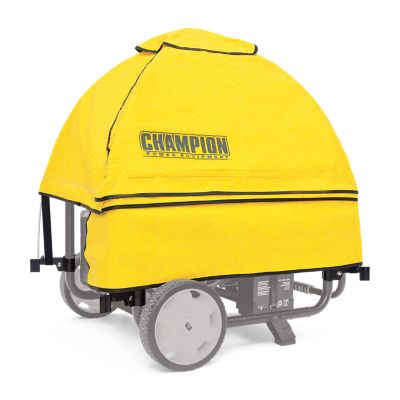
Everyday handling and care help a weatherproof motorcycle cover hold up through repeated exposure. The engine and exhaust need to cool fully before the cover goes on, even when the material includes heat-resistant sections. Those sections aren’t permission to lay fabric against hot pipes. A clean, dry bike gives the cover a better starting point, since mud, road grit and trapped moisture can work against both the fabric and the motorcycle’s finish. After a wet spell, letting the cover dry before folding it away helps prevent mildew and musty smells. Cleaning requirements vary by material and coating; many covers call for gentle hand cleaning rather than machine washing, harsh cleaners or high heat. Care directions matter because an unsuitable cleaner can damage a water-repellent finish or the backing that keeps rain out. Periodic attention to seams, straps, buckles and worn spots can reveal small problems before the next hard rain. Outdoor placement makes a difference, too. Standing water, sharp fence edges and branches rubbing across the fabric create problems that even a substantial cover can’t solve. A snug fit helps limit flapping, but a fabric cover isn’t a storm shelter or protection against falling limbs. Heavy snow shouldn’t be left to build up, and pooled water puts extra strain on fabric and seams. For a generator stored nearby,
Waterproof Generator Covers address a separate equipment-protection need rather than serving as a substitute for a fitted motorcycle cover. Any storage cover needs to come off before an engine starts. For the motorcycle itself, the best match balances coverage, ventilation, secure fastening and easy handling, so protecting a bike after a ride stays a straightforward part of parking it.