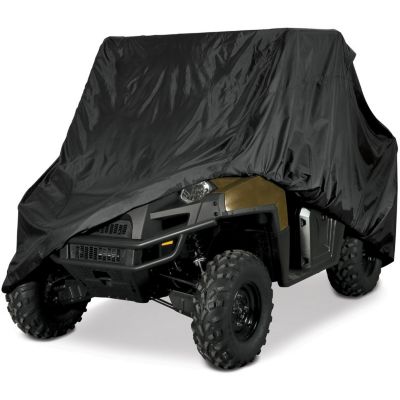
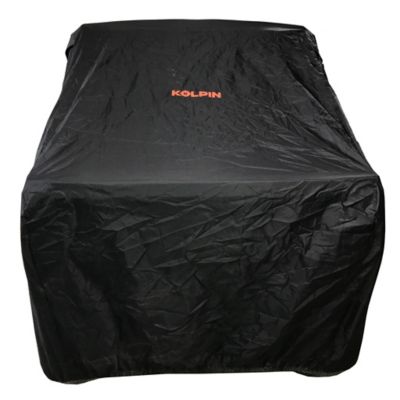
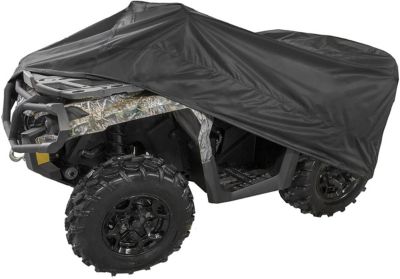
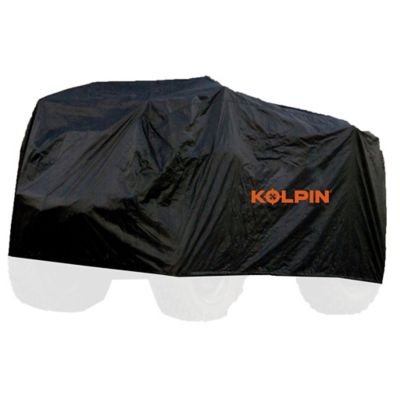
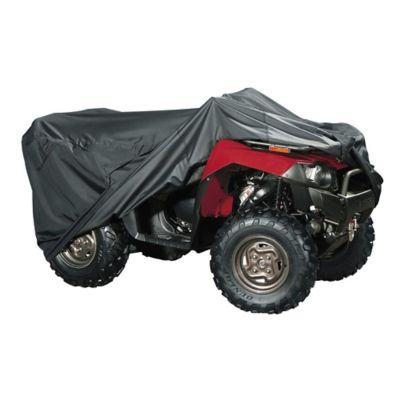
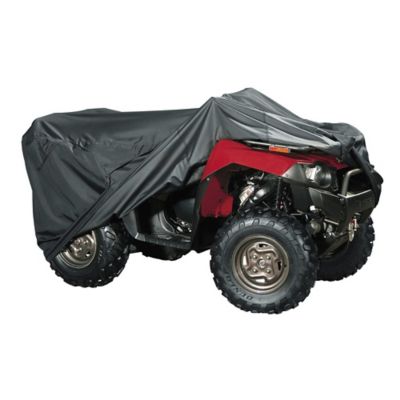
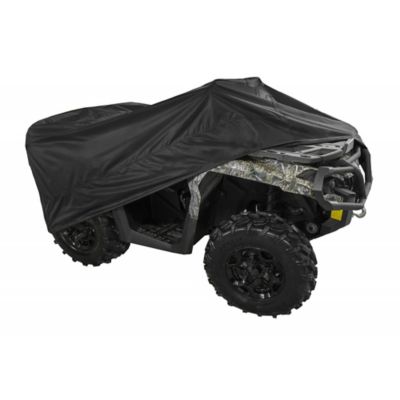
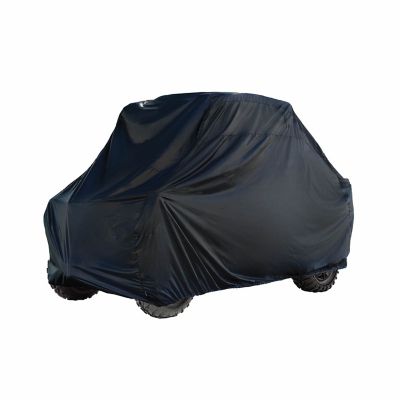
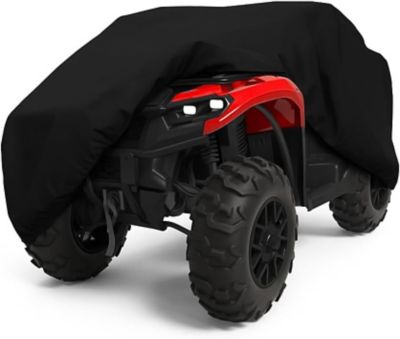
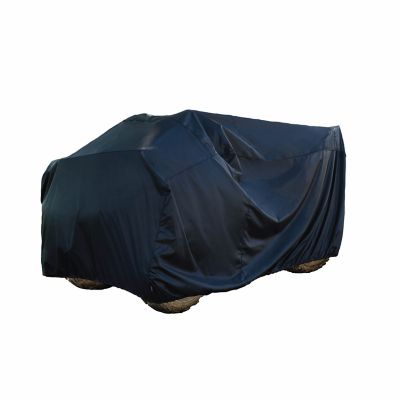
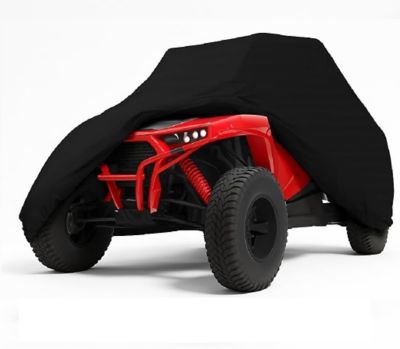
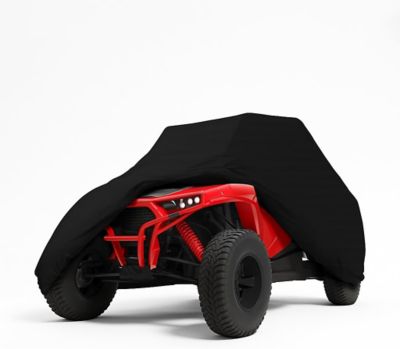
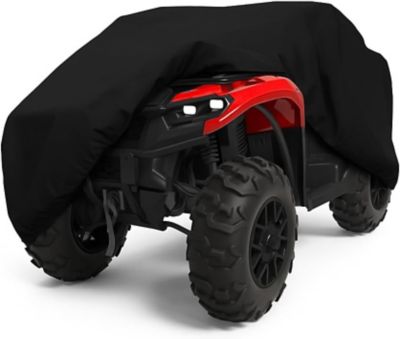
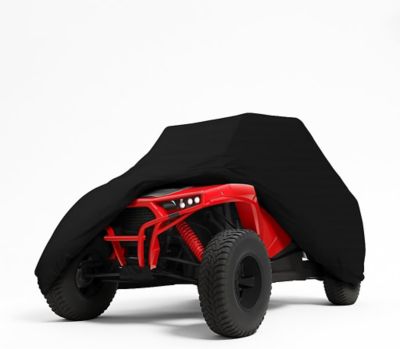
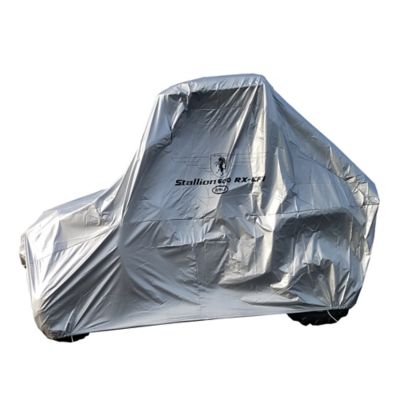
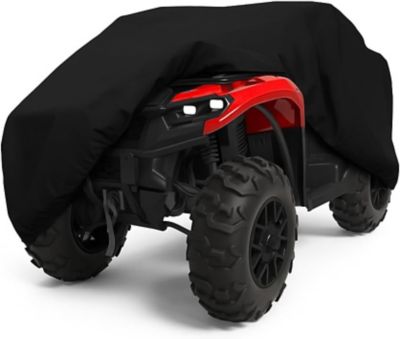
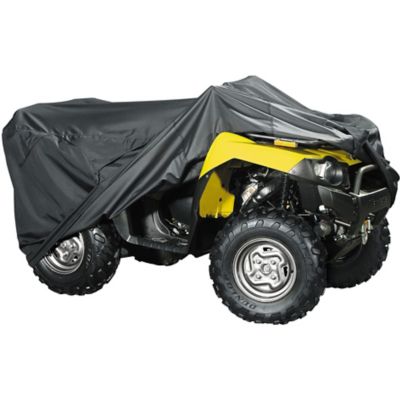
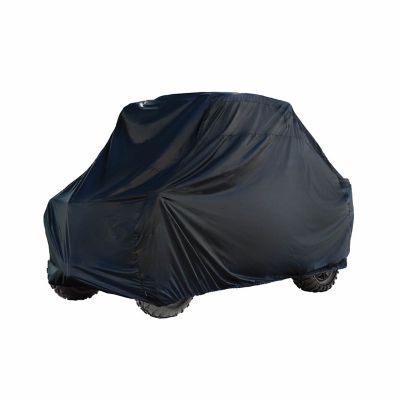
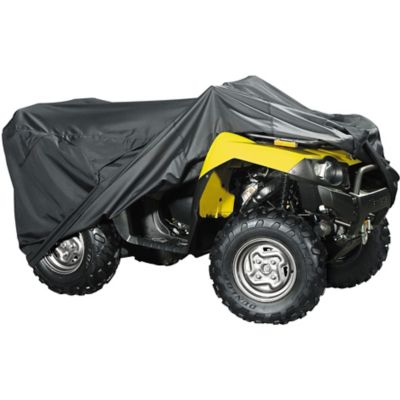
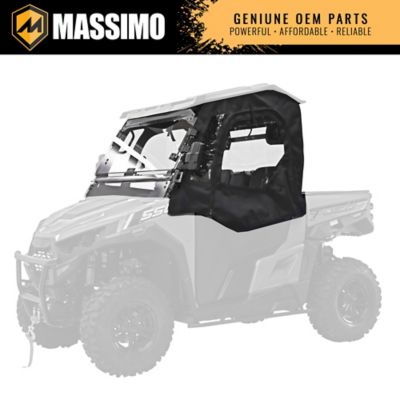
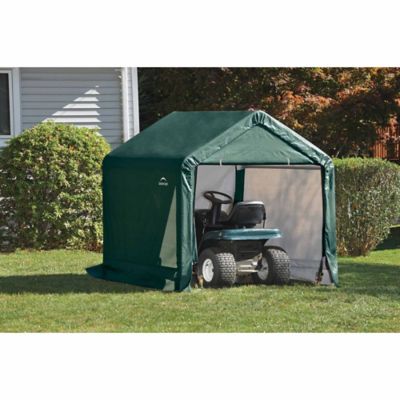
An ATV cover helps keep a four-wheeler protected between fence checks, trail rides, hunting trips and everyday chores around the place. Whether the machine sits beside a shed, beneath an open-sided shelter or inside a busy barn, a cover adds a barrier against the things that collect on seats, controls and body panels. Dust from a gravel drive, bird droppings, tree sap and windblown debris can all make extra cleanup work before the next ride. For outdoor parking, protection from rain and sunlight matters, too. The right cover depends on where the ATV spends its downtime and how much exposure it gets. A lightweight fabric can be convenient for keeping barn dust off a machine that already has a roof overhead, while an outdoor cover calls for closer attention to fabric strength, water resistance, seams and attachment points. Woven polyester and nylon are common cover materials, with coatings or treatments that help shed moisture or limit sun-related wear. Fabric weight alone does not tell the whole story; resistance to tearing, reinforced stress points and stitching also affect how a cover holds up to repeated handling. Water-resistant fabric can shed light moisture without offering the same protection as a waterproof construction, and seams may need sealing to keep water from working through needle holes. Vents and breathable panels can help moisture escape, although no cover can guarantee that condensation will never form underneath. A four-wheeler parked on damp ground still needs attention to airflow and storage conditions. Soft inner surfaces can be helpful around painted panels and windshields, especially where fabric rests against the machine. Even then, grit caught between the cover and bodywork can cause rubbing. These details matter for a work ATV that gets uncovered before daylight just as much as a trail machine that may sit for several weeks between outings. A cover should suit that routine without making each trip to the barn more of a chore.
Fit makes a noticeable difference in both protection and ease of handling. ATV covers need enough room for the machine’s full shape without leaving broad pockets of loose fabric that flap or collect water. Overall length, width and height provide a starting point, but racks, bumpers, windshields, mirrors and mounted storage can change the outline considerably. A cover that fits a bare four-wheeler may sit too high once a rear cargo box is attached, leaving tires or lower body panels more exposed than expected. Tall accessories can also pull fabric tight across corners, putting extra strain on seams. Comparing the cover maker’s measuring instructions with the ATV’s actual setup helps account for those differences. Machine displacement alone is not a dependable measure of cover size, since ATVs with similar engine sizes can have very different dimensions. Elastic hems, adjustable cords and underbody straps can help keep a cover settled around the machine, while reinforced openings and securely attached buckles help manage tension. Front and rear markings are handy when the cover comes out of its storage bag and every side looks much the same. Access openings may also make certain storage tasks easier, depending on their placement. For a four-wheeler parked near a gravel lane or in an exposed yard, a secure fit helps reduce fabric movement against the finish. It does not make an ordinary storage cover suitable for hauling down the highway. Trailer travel places much stronger forces on fabric and fasteners, so towing calls for a cover expressly rated for that purpose and installed according to its instructions. The ATV still needs its own proper trailer restraints; cover straps do not secure the machine. Fit also matters when several people share the same equipment. A cover that slips on without a wrestling match is easier to put back after an evening ride or a long stretch of checking water lines. Manageable weight, reachable buckles and room around common accessories can make the difference between a cover that gets put on regularly and one that stays folded on a shelf.
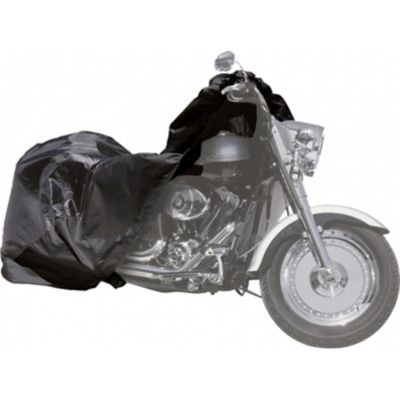
Care has as much to do with a cover’s service life as fabric and stitching. A clean ATV and a clean cover make a better pairing than muddy body panels beneath a grit-covered liner. Loose dirt can brush off before covering, while heavier buildup calls for cleaning and drying the machine first. The engine, exhaust and other hot parts need time to cool completely before fabric goes anywhere near them. That matters after a short run across the pasture as well as a full day on the trail. Cover cleaning methods vary by fabric and coating, so the care label is the best reference for washing, detergent choice and drying. Harsh cleaners, stiff scrubbing and high heat can damage treatments that help the material shed water. Letting the cover dry thoroughly before folding helps prevent mildew and keeps damp fabric from sitting in a tightly packed bundle. A storage bag gives the cover a place when the ATV is out working and helps keep it away from sharp tools, spilled fluids and muddy boots. Occasional checks around straps, corners and seams can catch small tears before repeated pulling makes them larger. Outdoor covers also benefit from checks for pooled water, trapped debris or snow buildup that could weigh down the fabric and strain accessories underneath. A cover is one part of storage, not a substitute for the maintenance and parking practices recommended for the ATV itself. For a household with both four-wheelers and motorcycles,
Motorcycle Rain Covers address a different vehicle shape rather than serving as an interchangeable fit. An ATV cover can also be a practical gift for someone who spends weekends riding trails or depends on a four-wheeler for property work, provided the machine’s measurements and attached equipment are known. Matching those details to the cover’s intended purpose keeps the focus on everyday usefulness: less debris on the seat, fewer exposed surfaces and a machine that is easier to keep ready for its next job.