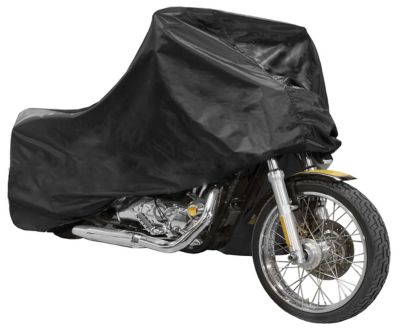
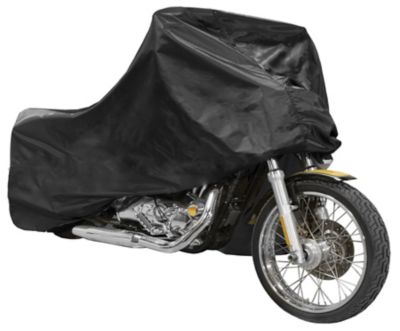
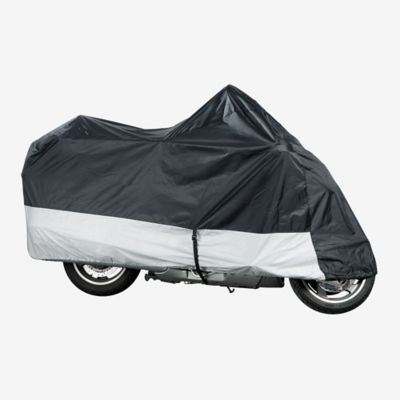
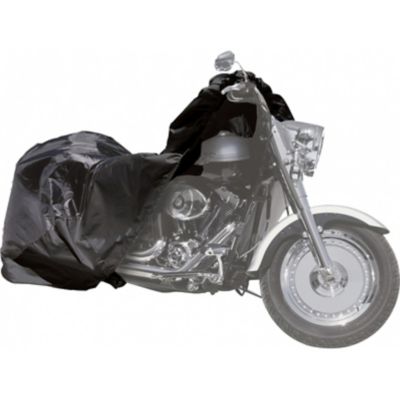
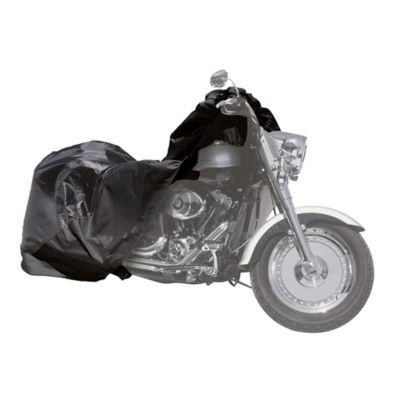
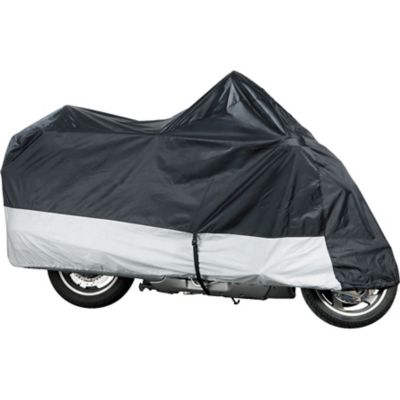
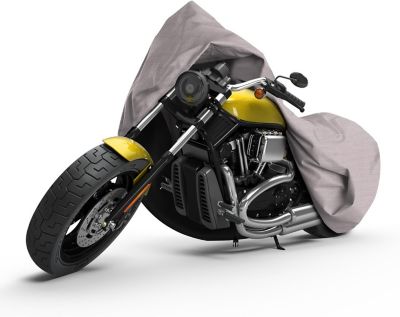
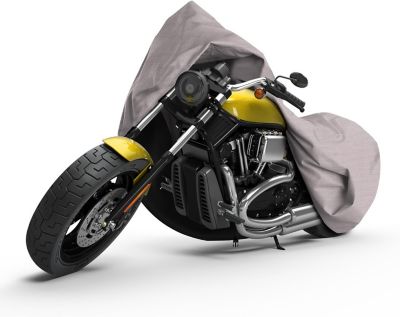
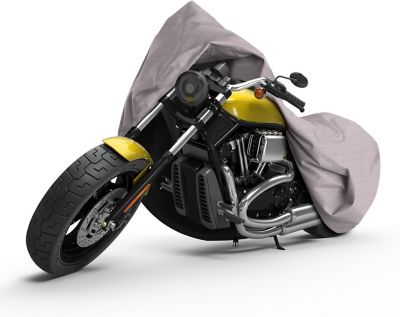
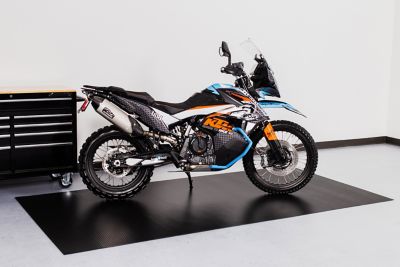
Motorcycle rain covers help keep a bike protected when it is parked outside, whether it sits beside the garage, at a campsite, near a barn, or at the edge of a worksite. A good cover gives rain, mist, road spray, dust, pollen, and falling leaves one more barrier to get through before they reach the seat, controls, storage compartments, and finished surfaces. That extra layer can make a big difference during the stretch from warmer riding weather into cooler, wetter days. Even a short stop can leave a motorcycle damp, and repeated exposure may lead to water spots, surface grime, rust on unprotected metal, or a soggy seat that is no fun to come back to. Motorcycle rain covers are useful for daily riders, weekend travelers, commuters, campers, and anyone who keeps a bike outdoors because indoor storage is not always available. They can also be handy for a motorcycle that is parked for several days while its owner is away. When choosing one, start with the motorcycle’s overall dimensions and shape. Measure from the front tire to the back of the rear fender, then account for mirrors, a windshield, saddlebags, a top box, backrest, or other add-ons. A cover that is too small may leave important areas exposed or pull tightly against sharp edges, while one that is much too large can drag on the ground, catch wind, and collect water in loose folds. The right fit should provide broad coverage without making it a chore to put on and take off.
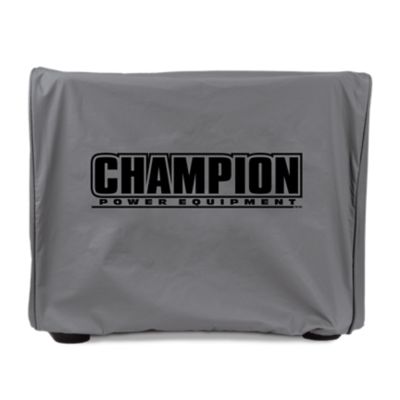
Material and construction matter just as much as size. Look for weather-resistant fabric that can shed rain while still handling outdoor use, along with seams and edges made to hold up when the cover is folded, moved, and secured again. Some riders prefer a lighter cover for quick parking stops, while others want a heavier design for longer outdoor storage and rougher conditions. Vent openings can help reduce trapped moisture and heat beneath the cover, especially when the motorcycle is covered after a damp ride or parked in the sun. A soft inner surface or a smooth lining may help reduce the chance of scuffs on painted panels, though the bike should still be reasonably clean before the cover goes on. Built-in straps, buckles, elastic hems, or tie-down points are worth considering in areas where wind comes across an open driveway or pasture. A cover that stays in place is less likely to flap against the finish, blow off overnight, or end up caught under a mower or vehicle. Secure the cover only after the exhaust, engine, and other hot parts have cooled completely, and make sure the motorcycle is dry when practical. A rain cover is not a replacement for routine maintenance, but it can help limit the amount of water and grit that reach the bike between cleanings. For broader outdoor protection around the home or campsite, shoppers may also find useful weather-resistant options such as
Waterproof Generator Covers, especially when several pieces of equipment need protection from changing conditions.
A motorcycle rain cover can make a thoughtful gift for a rider who travels to work, spends weekends on back roads, or has recently brought home a new-to-them bike. It is a practical choice for a family member who parks outdoors, a friend who enjoys rallies and camping trips, or a young rider building a roadside and travel kit. Covers are easy to store in a saddlebag, trunk, garage cabinet, or gear tote when they are not in use, so a compact storage bag is another helpful feature. During the cooler months, a cover can be especially useful when rain rolls in overnight, temperatures shift, and leaves or wet debris begin collecting around outdoor parking areas. Riders who leave a motorcycle parked for longer periods should remove the cover from time to time, inspect for trapped moisture, and allow both the bike and cover to air out before covering them again. Keeping the fabric free of mud and grit helps it last longer, while following the care instructions can protect its water-shedding performance. It is also wise to keep the cover away from sharp fence posts, rough concrete edges, and hot surfaces that may tear or melt the material. Whether the goal is to protect a dependable commuter, preserve a cherished touring bike, or keep a recreational motorcycle ready for the next clear stretch of road, a properly sized rain cover is a simple piece of outdoor gear that earns its place. It helps reduce cleanup, keeps the seat and controls more comfortable, and gives riders one less worry when the sky turns gray over the driveway.