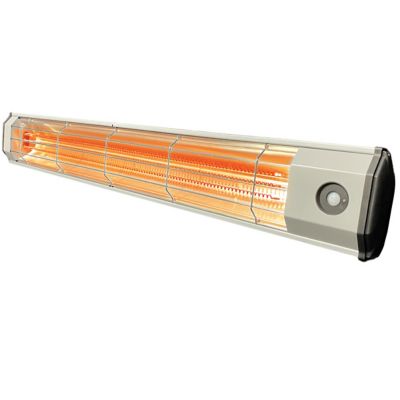
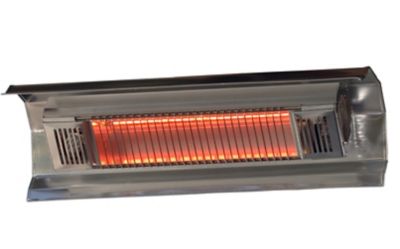
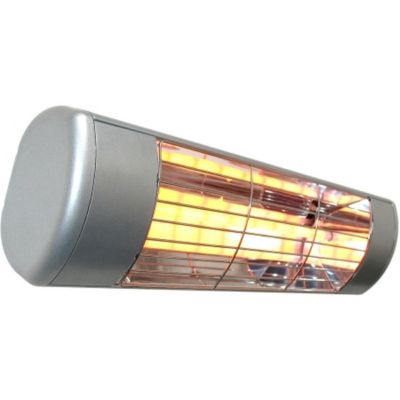
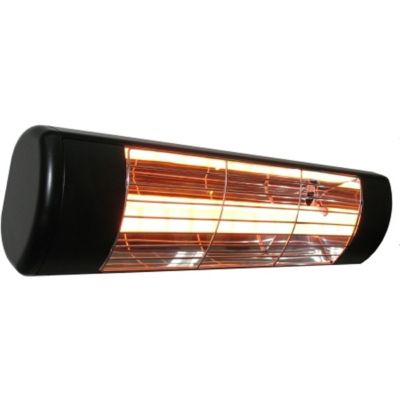
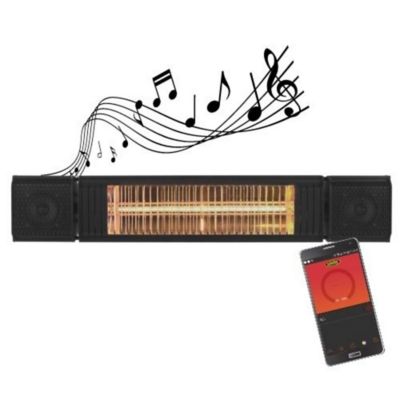
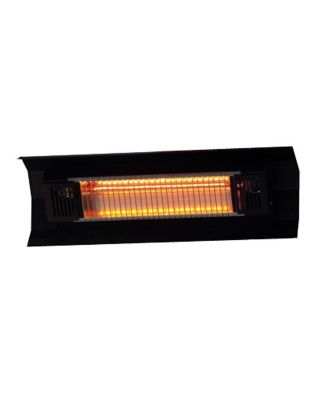
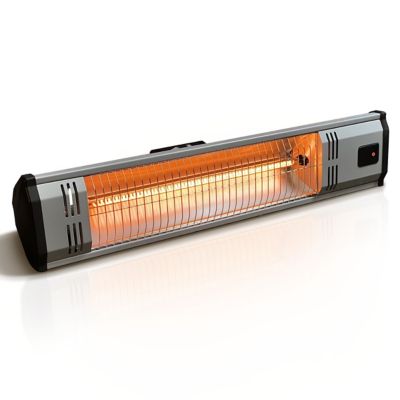
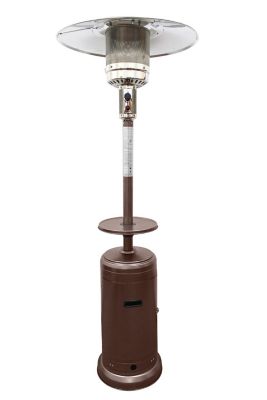
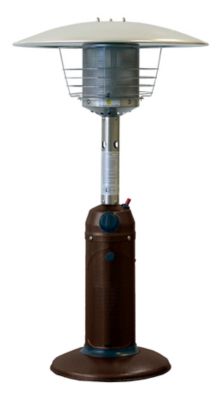
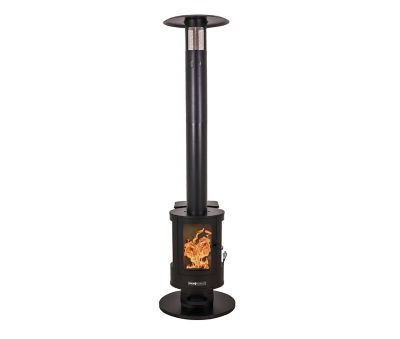
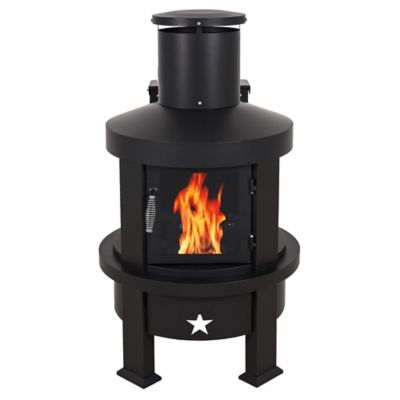
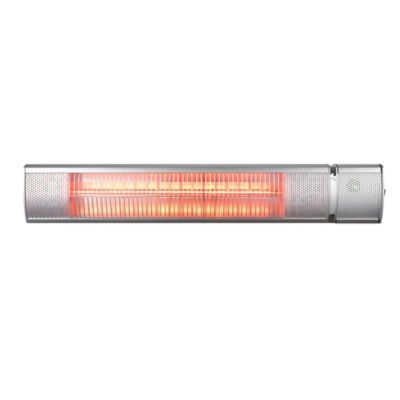
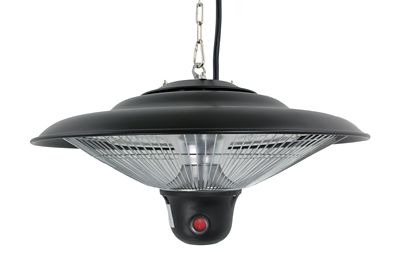
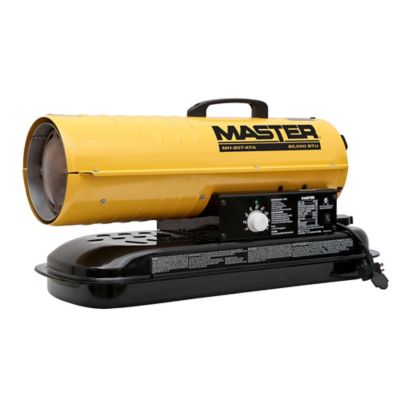
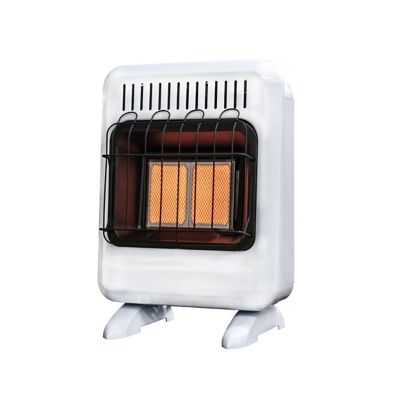
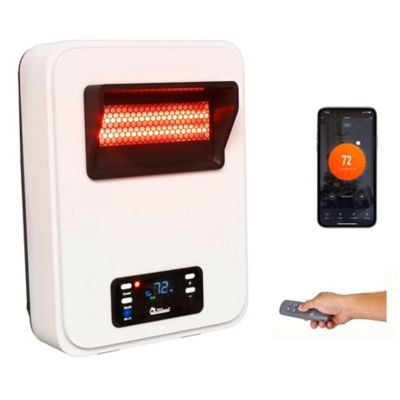
Weatherproof heaters help take the edge off chilly air in outdoor and semi-open spaces, making a covered porch, patio, barn entrance, workshop, garage, or outdoor work area more comfortable during the cooler months. Unlike a typical indoor space heater, these units are built with outdoor use in mind, using weather-resistant housings and materials that can better handle dust, moisture, and changing temperatures. They are not all made for the same conditions, though. Some are intended for covered areas with protection from direct rain, while others are rated for more exposed locations. Check the manufacturer’s instructions for approved placement, and look for an Ingress Protection rating when comparing options. Ratings such as IP55, IP65, and IP67 describe a unit’s protection against dust and water, with higher numbers generally offering more resistance. Even a weatherproof heater should be mounted in a suitable spot, kept clear of standing water, and protected from conditions outside its listed rating. A heater placed beneath a porch roof can warm a seating area for morning coffee, while a wall- or ceiling-mounted unit can help keep a workbench, feed room, or hunting cabin more comfortable without taking up floor space. For open-air areas, radiant infrared heat is often a practical choice because it warms people, tools, furniture, and other solid objects directly instead of trying to heat all the air around them. That targeted warmth is especially useful when a breeze is moving through the space. Infrared heaters typically begin producing noticeable heat quickly, making them handy for taking the chill out of a covered gathering spot or giving a worker a warmer area near a project. They can be a good fit for homeowners, farmers, ranchers, outdoor entertainers, shop owners, and anyone who spends time outside before the day has fully warmed up.
The size and layout of the area should guide the heater you choose. A small, sheltered seating area may only need a compact unit aimed at the places where people gather, while a larger workshop or commercial space may call for more than one heater or a higher-output model. Open patios lose heat faster than enclosed rooms, and wind can carry warmth away, so mounting height, beam direction, and the amount of shelter overhead all matter. Wall-mounted and ceiling-mounted heaters are useful where floor space is limited, while hanging units can work well over a table or defined seating area. Adjustable tilt features make it easier to direct warmth toward a workbench, doorway, picnic table, or gathering spot instead of heating empty space. Power requirements deserve a close look before installation. Many 1,500-watt electric heaters use a standard 120-volt household outlet, but higher-output units may require a 240-volt circuit, hardwiring, or installation by a qualified electrician. Avoid assuming that an outdoor extension cord will handle the load; confirm the cord is rated for outdoor use and matches the heater’s power requirements. A ground-fault circuit interrupter, or GFCI, is important for outdoor electrical safety, and local codes may call for specific wiring, clearances, covers, or mounting hardware. Keep combustible materials, curtains, hay, cardboard, sawdust, and stored supplies well away from the heating element. Never cover a heater while it is operating, and do not use an electric outdoor heater in a location where the plug, outlet, or control panel could sit in pooled water. Gas-powered outdoor heaters can offer flexible placement where electricity is limited, but they require proper ventilation, fuel storage, and careful attention to clearance requirements. They should never be used in an enclosed building, tent, or other unventilated space unless the instructions specifically allow it.
A weatherproof heater can be a thoughtful gift for someone who enjoys making the most of outdoor space, especially a new homeowner with a covered porch, a gardener who starts the day in a potting shed, or a handy person who spends long hours in a garage or workshop. It can also be useful for a family that gathers around an outdoor table, a small farm that needs added comfort near a sheltered work area, or a business that wants to make a covered waiting or seating area more welcoming. When shopping, consider more than wattage alone. Look at the heater’s listed coverage, mounting options, control method, construction, weather-resistance rating, cord length, and whether replacement parts or installation hardware are available. A remote control or adjustable heat setting can be convenient when the heater is mounted overhead, while a simple wall control may suit a permanent setup. Powder-coated metal housings, sturdy brackets, sealed controls, and corrosion-resistant finishes can be helpful around porches, sheds, and other areas exposed to damp air. Keep in mind that weatherproof does not mean maintenance-free. Wipe away dust and cobwebs, inspect cords and plugs, check mounting hardware, and store removable accessories in a dry place. If your space needs short-term warmth during a repair, project, move, or temporary work setup, browse
Temporary Heaters for another option. With the right size, placement, power source, and weather rating, a weatherproof heater can make a drafty porch feel more inviting, keep a workshop usable through a cold snap, and add comfortable warmth wherever outdoor chores and good times carry on.