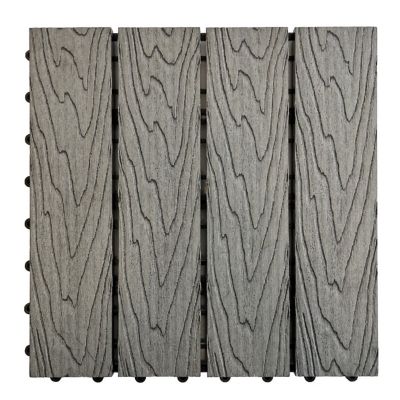
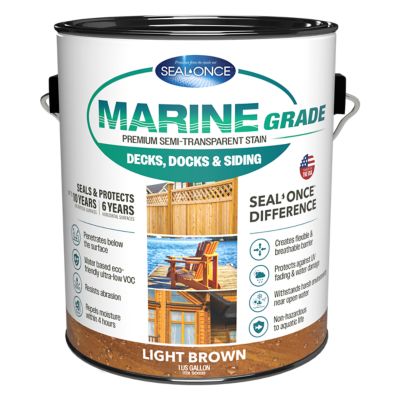
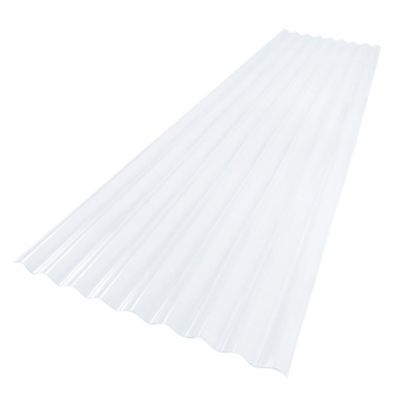
Weather-resistant decking gives porches, backyard gathering spots, and walkways a surface built to handle outdoor exposure, from steady rain to strong sunshine and repeated freezing and thawing. The term describes decking designed to resist moisture damage and weathering; it does not mean every board creates a waterproof floor or stays unchanged without care. Material, surface construction, drainage, and installation all affect how a deck holds up over time. Pressure-treated wood, composite decking, PVC decking, and aluminum decking each bring different strengths to the job. Pressure-treated lumber has protection against decay and insect damage, along with the natural grain and solid feel many folks want around a farmhouse or back porch. It can still absorb water, develop surface checks, and need periodic staining or sealing. Composite decking generally combines wood fibers with plastic, sometimes including recycled materials. Many composite boards have a protective outer cap that helps limit moisture absorption, staining, and fading, although cap coverage and performance vary. Composite is water-resistant rather than automatically waterproof, and exposed cores or cut edges may need particular attention according to the manufacturer’s directions. PVC decking contains no wood fibers, so it does not take up water in the same way wood-based boards can. Its low water absorption makes it worth considering for exposed spaces, but dirt and organic debris can still support surface mold, and the boards still need cleaning. Aluminum decking does not rot and can offer a firm surface with relatively little routine upkeep, though finish performance, corrosion resistance, and compatible hardware matter. Across these materials, weather resistance is only part of the picture. A deck outside the kitchen door might see muddy boots, pet traffic, dragged chair legs, and the occasional dropped tool. A quiet sitting area may get less foot traffic but more hours of direct sun. Those everyday details help define the right balance of surface texture, appearance, maintenance, and long-term performance.
The fit of weather-resistant decking goes beyond the length and width of the boards. Full-length deck boards generally belong on a properly designed frame, with allowable joist spacing determined by the decking manufacturer and the way the boards are laid. Diagonal layouts, stair treads, and heavier loads can call for different support than a straight run across a small porch. Board thickness alone does not establish load capacity, and a new walking surface cannot make up for damaged framing underneath. Grooved edges may work with specified hidden fasteners, while square-edge boards often suit exposed fastening or perimeter details. Matching the fastening system to the decking helps keep edges seated and allows for the movement the material needs. Plastic-based boards can expand and contract with temperature changes, while wood responds to moisture as well as temperature. Manufacturer-specified spacing at board ends, edges, and fixed structures leaves room for that movement and helps water drain away. Interlocking deck tiles serve a different purpose: many are intended to cover an existing, sound, level surface such as concrete rather than span open joists. Their backing may create drainage space underneath, but that space still needs a clear path for water to escape. On an elevated deck, ordinary gaps between boards let rain pass through to the area below. Even decking made from a material that absorbs very little water does not, by itself, create dry storage underneath. A weather-shedding surface requires a system specifically designed for that purpose, with suitable channels, flashing, or drainage components. Pools, hot tubs, covered entries, and open decks also bring different demands for moisture exposure, footing, and structural support. Local building requirements and the material’s installation specifications remain important whether the project is a small landing or a broad gathering area. A level threshold, supported board ends, and clear drainage all contribute to a space that feels solid underfoot instead of one that holds puddles by the back door.
Surface feel and everyday care matter just as much once a deck becomes part of the household routine. A textured face can provide traction, but no decking material stays slip-free under every condition. Rain, frost, algae, wet leaves, and tracked-in mud can all change how a surface feels beneath work boots or bare feet. Darker boards often get hotter in direct sunlight than lighter shades, although actual surface temperature depends on the material, finish, exposure, and surrounding conditions. A light color may suit a sunny sitting area, while a deeper brown or gray can complement siding, railings, and the landscape; neither choice replaces attention to heat and footing. Grain patterns and brushed or embossed finishes also affect how plainly dust, scuffs, and everyday debris show. For a deck that gets plenty of traffic, straightforward cleaning can be a welcome part of the material’s appeal. Routine care commonly includes sweeping away leaves, clearing gaps, and washing with a cleaner approved for the surface. Composite and PVC decking generally do not need the same staining schedule as wood, but they are not maintenance-free. Grease from the grill, spilled drinks, plant containers, and damp outdoor rugs can leave marks or hold moisture against the boards. Protective furniture feet and planters that allow airflow can help reduce those trouble spots. Pressure washing, snow-removal tools, and ice-melting compounds need to match the manufacturer’s recommendations, since excessive pressure, sharp edges, or unsuitable chemicals can damage some finishes. Seating belongs in that same practical picture:
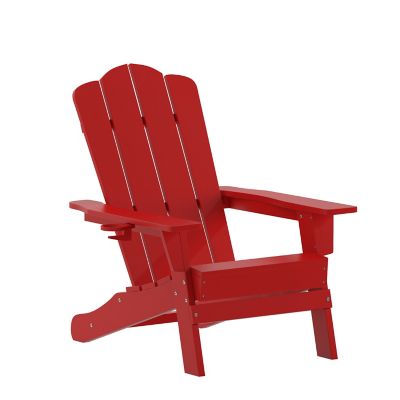
Weather Resistant Adirondack Chairs can round out a place to rest after chores, with enough room around them for an easy walk to the steps. Whether the deck overlooks a garden, runs along the house, or catches the view across a pasture, its materials should suit both the exposure and the way people spend time there. Weather-resistant decking brings the most value to daily life when its care needs, support requirements, and surface characteristics fit the property—not just the first impression.