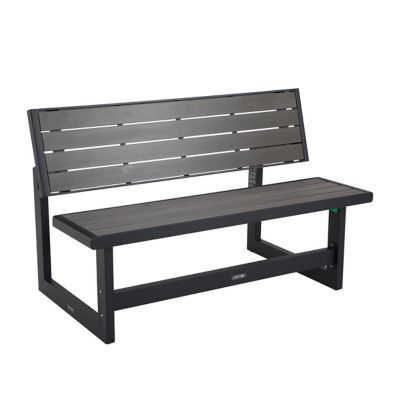
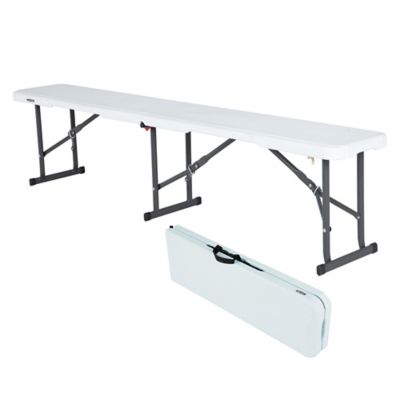
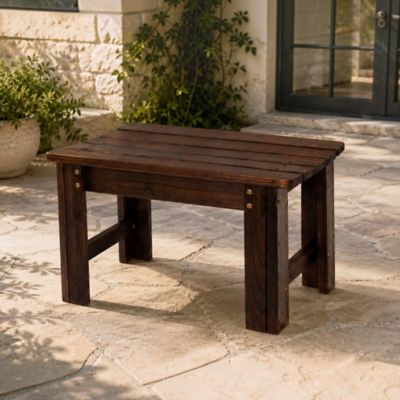
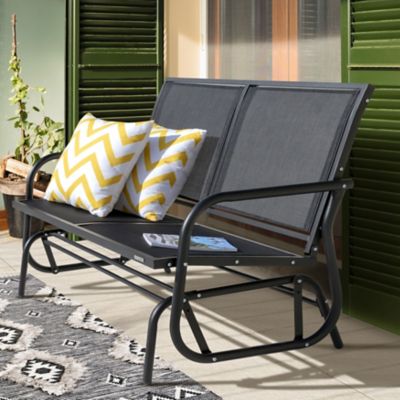
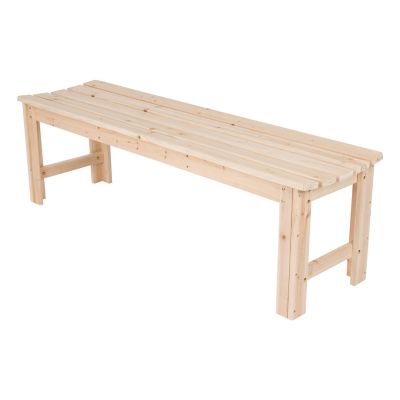
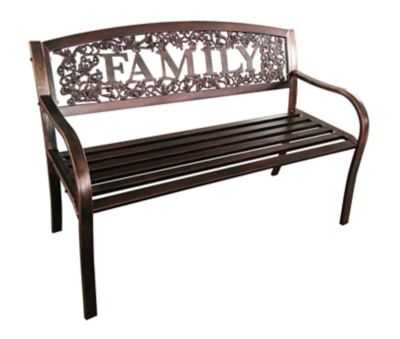
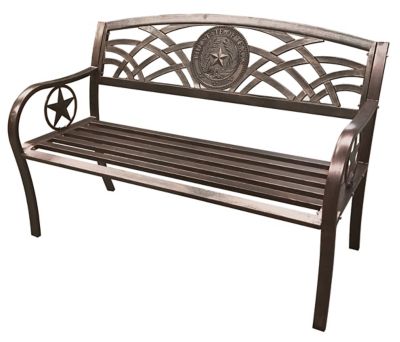
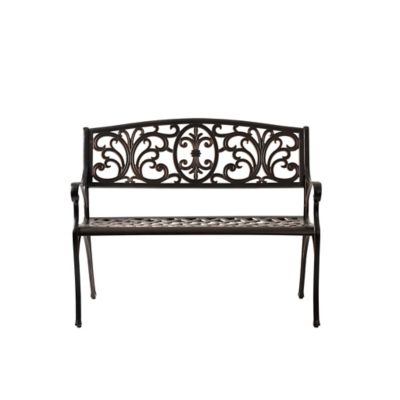
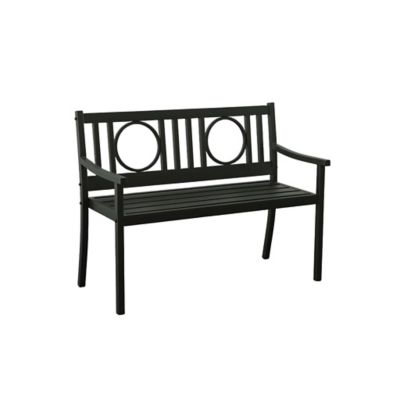
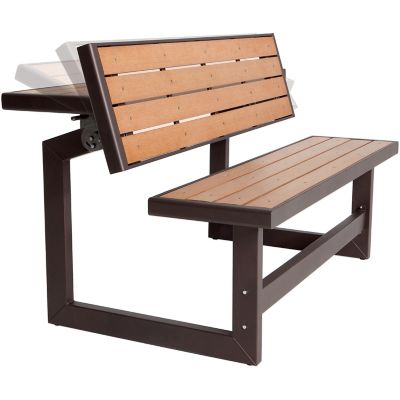
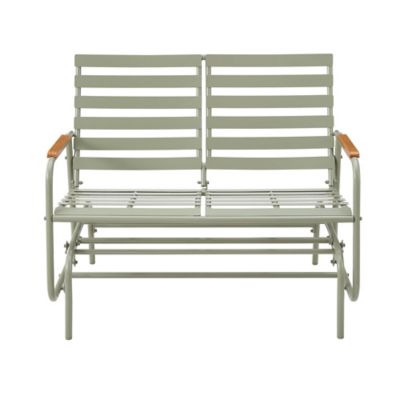
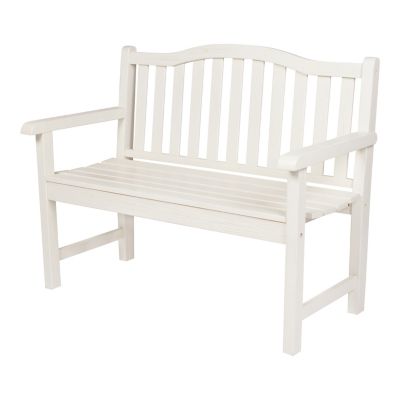
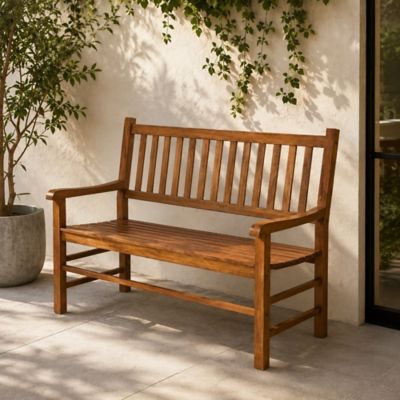
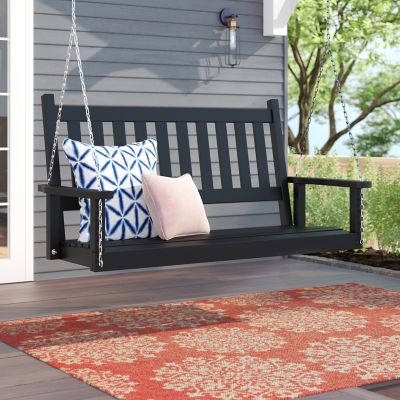
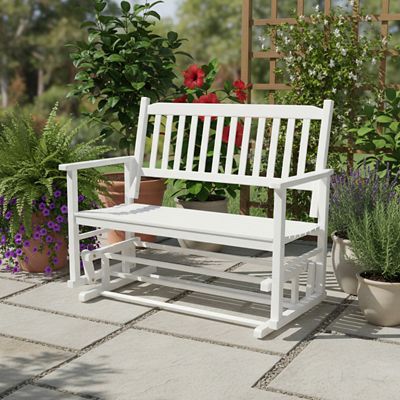
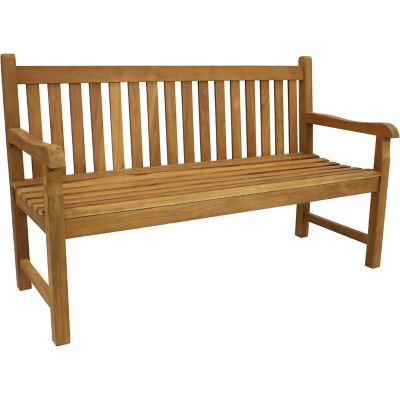
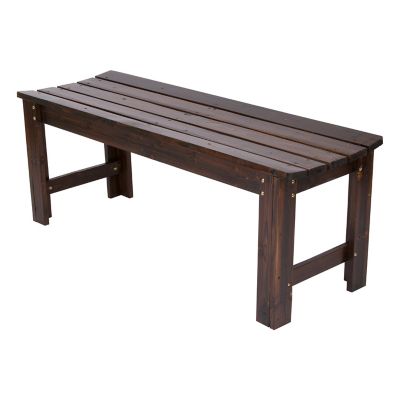
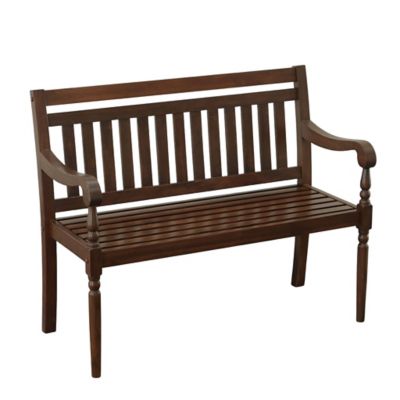
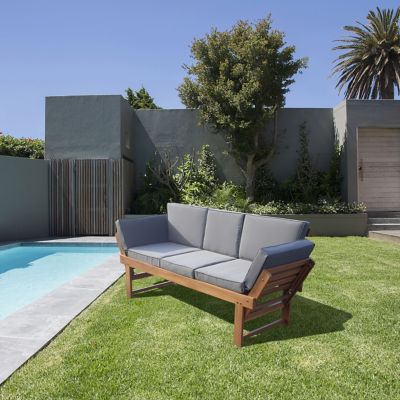
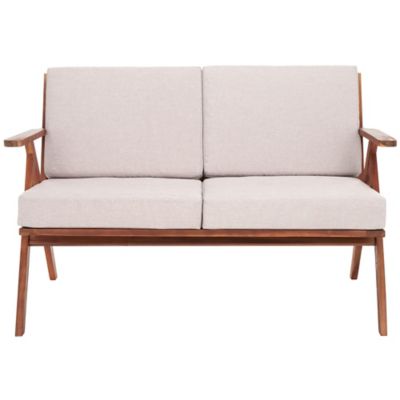
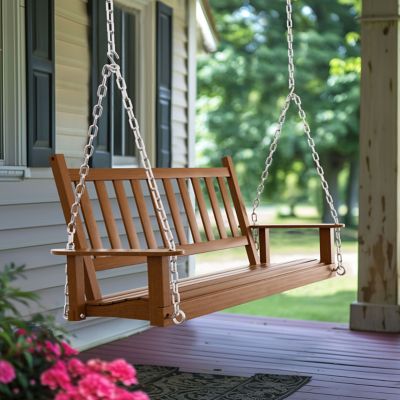
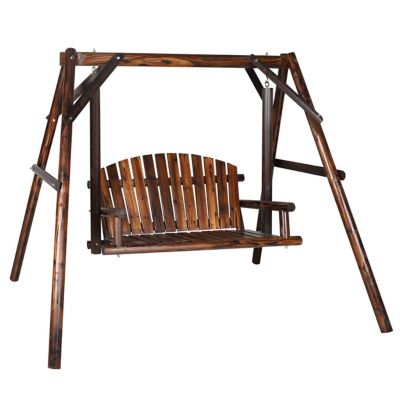
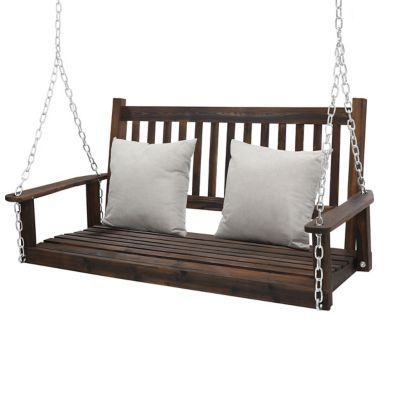
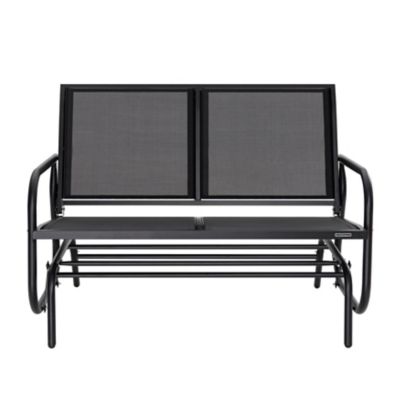
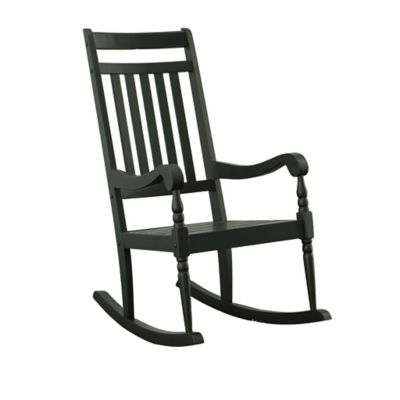
Weather resistant garden benches bring a comfortable place to sit to garden paths, porches, patios, and the quiet spots around a yard. These outdoor benches are built with materials and finishes that help stand up to rain, sunlight, humidity, and temperature changes, though weather resistance does not mean every bench can stay outside without care. The main material choices include metal, poly lumber, outdoor-rated plastic, and wood, each with a different feel and set of upkeep needs. Aluminum naturally resists rust and is often lighter than steel or cast iron, making it easier to move a bench when rearranging a patio or mowing nearby. Powder-coated steel offers a sturdy frame with a protective finish, but scratches and exposed joints need attention because moisture can reach the metal underneath. Cast iron can provide substantial weight and detailed patterns, although its finish also needs protection from rust. Poly lumber is commonly made with high-density polyethylene and offers a woodlike profile without the same concerns about wood rot or splinters. Outdoor-rated plastics can also resist moisture, while resistance to fading depends on the material and any added UV protection. Wood benches bring natural grain and a familiar look to a farmhouse porch or a spot beside the flower beds. Teak and eucalyptus have natural properties that help them handle outdoor exposure, but their appearance and care needs still depend on construction, finishing, and local conditions. Some woods gradually turn gray when left unfinished; others need a suitable protective coating to limit moisture damage. Treated wood is another option when the lumber and finish are intended for outdoor furniture. Across all these materials, a bench’s ability to hold up outdoors also depends on its fasteners, joints, drainage, and overall construction. Slatted seats and backs can let rainwater pass through instead of collecting, while corrosion-resistant hardware helps protect the connections that carry the load. A good match starts with the amount of exposure the bench will face, whether that means a roofed porch, an open garden, or a damp corner near regularly watered beds.
The right fit is about more than whether a bench fits between two planters. Overall width affects placement, while the usable seat width determines how much room people have once they sit down. A two-person garden bench can suit a small porch or a pause along a walking path; a wider bench gives family and friends more elbow room beside a gathering area. Check the stated seating capacity and weight limit rather than judging strength by appearance alone. Seat height, seat depth, and the angle of the back all affect comfort, especially when a quick rest turns into a longer conversation. A taller seat and supportive armrests may make sitting down and standing up easier for some people, while a deep seat may leave shorter folks without firm footing. Backless benches keep sightlines open and allow seating from either side, making them a practical match for open patios or the edge of a garden gathering space. Benches with backs offer support for lingering over a cup of coffee or watching the birds work their way through the yard. Smooth edges, secure joints, and a steady base matter wherever children or older family members will be sitting. Placement deserves just as much thought as the bench itself. A level patio, paved pad, or firm gravel base helps prevent rocking and keeps legs from settling unevenly into soft ground. Leave enough room for people to walk past without stepping into a planting bed, and keep gates, doorways, and frequently traveled paths clear. Near a vegetable garden, a bench can provide a handy resting spot after tending rows, but setting it away from sprinkler spray reduces repeated soaking. Beneath a tree, shade may make the seat more inviting, although falling leaves and sap can add cleaning chores. Dark metal and plastic surfaces can get hot in direct sun, so shade and placement matter. If the location gets strong wind, consider the bench’s weight and follow any manufacturer guidance for securing it safely.
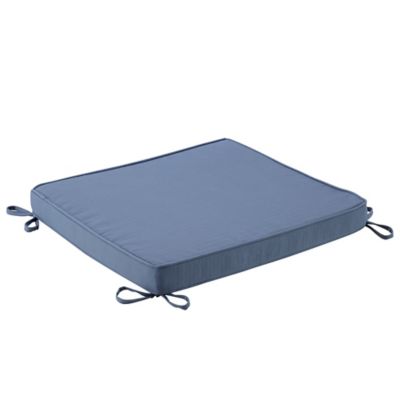
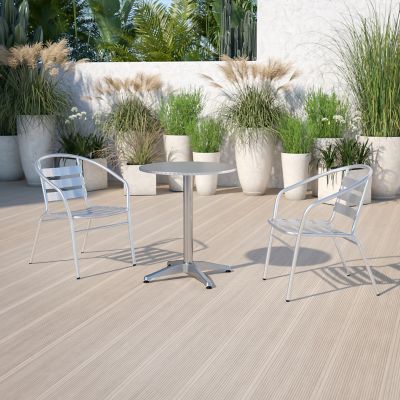
Straightforward care helps weather resistant outdoor seating stay welcoming through rain, dust, frost, and everyday backyard traffic. Most benches benefit from regular removal of leaves and dirt, followed by cleaning with mild soap and water when the material’s care directions allow it. Avoid harsh cleaners or abrasive tools that can damage a coating, and let surfaces dry before adding cushions or putting on a cover. On metal frames, inspect scratches, welded joints, and fasteners for signs of corrosion; address finish damage with a compatible treatment recommended for that material. Wood may need periodic oiling, sealing, or refinishing, depending on the species and whether a natural gray appearance is preferred. Poly lumber generally needs less finish maintenance, but it still benefits from cleaning and occasional checks for loose hardware. Tighten connections as directed without overtightening, and keep drainage openings clear. Where freezing weather is common, prevent water from collecting in places where it could freeze and expand. A properly fitted cover can reduce exposure when the bench is not in service, but ventilation matters because trapped moisture can encourage mildew. Cushions should be sized to the seat, secured against wind when possible, and brought into dry storage when extended wet weather is expected. Even outdoor cushion fabrics are not a substitute for sensible care. For a porch or patio that serves as a place to gather, pairing seating with
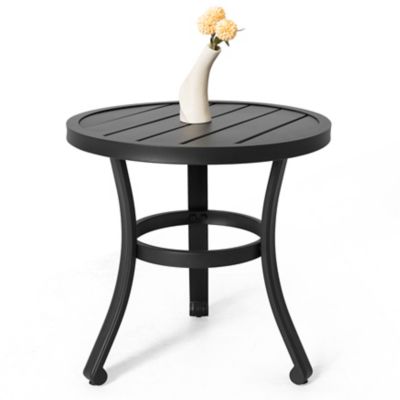
Weather Resistant Outdoor Tables gives drinks, snacks, and a garden notebook a spot within reach; leave enough space between the pieces for comfortable movement. A bench can also make a thoughtful housewarming gift for someone settling into a place with a yard, or a welcome gift for a gardener who would enjoy a seat near the beds. Measure the intended space and consider the recipient’s comfort and upkeep preferences before choosing. Whether it sits by the back door for pulling off muddy boots or faces a favorite stretch of garden, a well-matched bench earns its place by making outdoor space easier to enjoy.