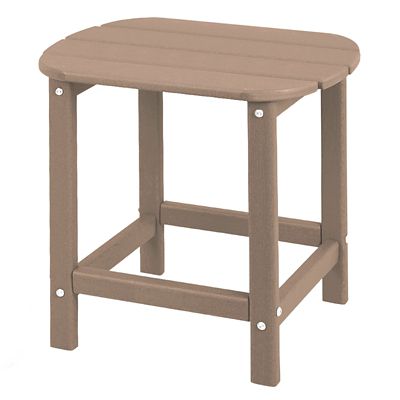
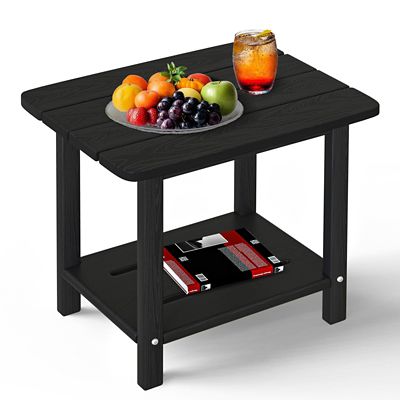
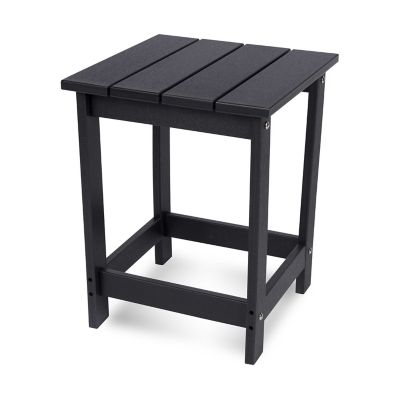
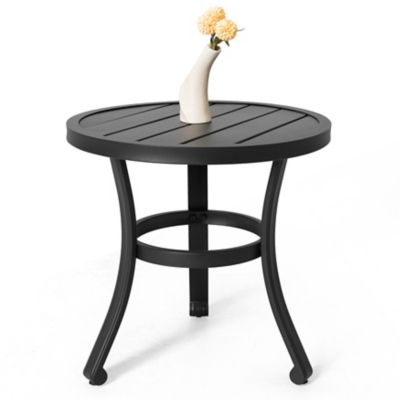
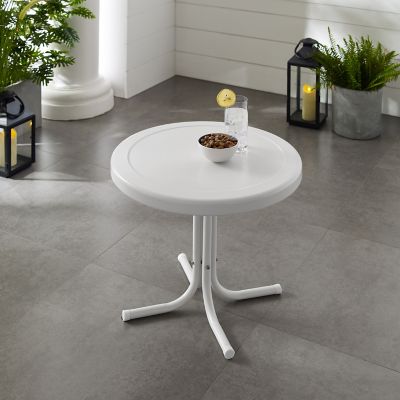
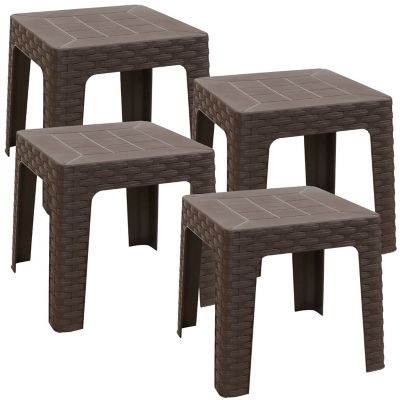
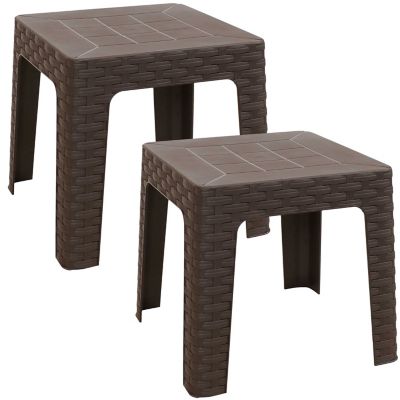
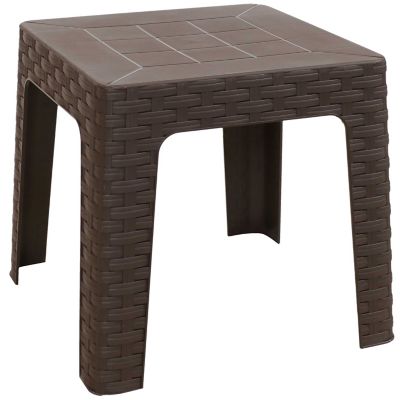
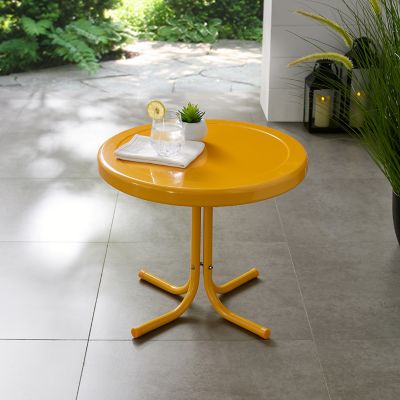
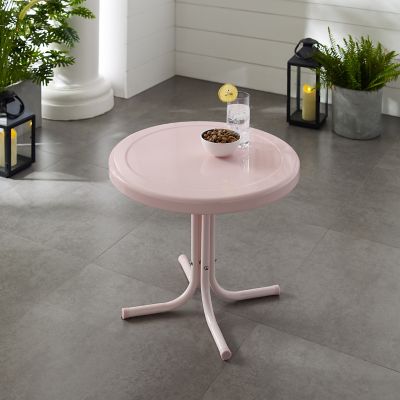
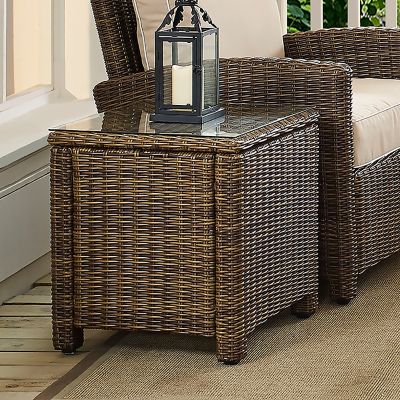
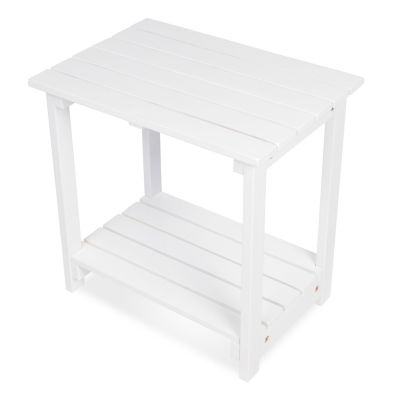
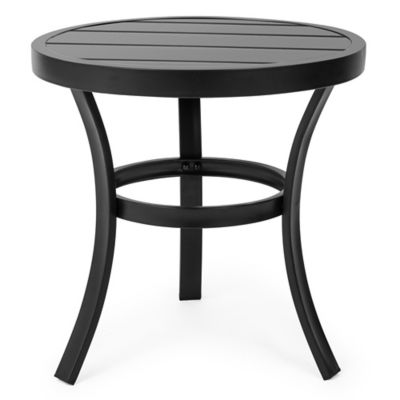
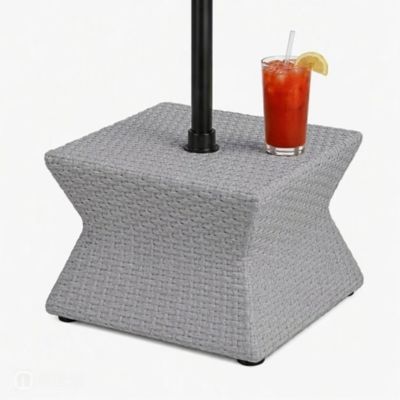
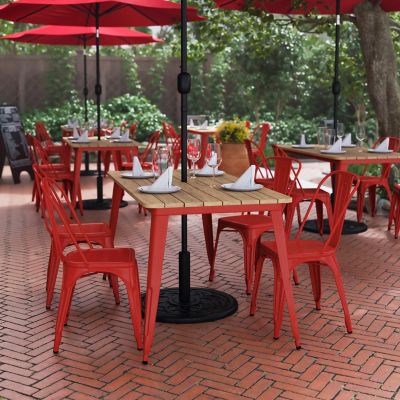
Weather resistant outdoor side tables put a steady landing spot beside a porch rocker, patio chair, or backyard bench, keeping a drink, book, or pair of reading glasses within easy reach. They’re built around materials and finishes that can handle outdoor exposure, but weather resistance is not the same as being waterproof or maintenance-free. Performance depends on the table’s construction, its protective finish, and whether it sits beneath a porch roof or out in the open. Rain, direct sunlight, humidity, and freezing conditions all place different demands on outdoor furniture. A table tucked beside the back door may mostly contend with damp boots and an occasional splash, while one on an uncovered deck faces repeated soaking and drying. That makes intended placement just as important as appearance. Smaller round tables fit comfortably between two chairs and leave fewer corners along a narrow walkway. Square and rectangular tops offer room for a serving tray, a pitcher, or a small planter without taking up the space of a full dining table. The most comfortable height generally puts the tabletop close to the chair arm, so reaching for a mug doesn’t mean leaning far forward or lifting an elbow awkwardly. Low lounge seating calls for a different proportion than a tall porch rocker, and the width of the base matters when chair legs and table legs share a tight corner. Open space around the furniture keeps the route to the steps or yard clear, especially when someone is carrying a basket or walking through with a pet. Slatted tops allow water to drain through, while solid tops provide a more continuous surface for smaller objects. Either design needs a level position and a base suited to the ground beneath it. Wide feet can sit more comfortably on firm gravel than narrow legs, although a paved surface generally provides steadier support. A lower shelf can keep a few extras nearby, provided its contents are suited to outdoor conditions.
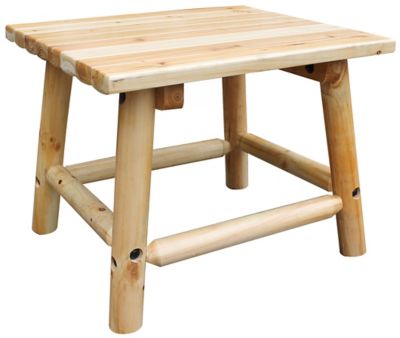
Materials make a big difference in how weather resistant outdoor side tables feel, look, and hold up over time. High-density polyethylene, often called HDPE, is a plastic material that absorbs very little moisture and does not rot or develop rust. It works well for seating areas exposed to rain, though resistance to fading depends on the formulation and UV protection. Molded resin and other outdoor plastics offer another low-maintenance route, with weight, rigidity, and sun resistance varying by construction. Lightweight designs are easy to move for sweeping the porch, but may need sheltered placement where strong gusts are common. Composite tables can combine wood fibers with plastics or other binders, so their care needs depend on the particular blend rather than appearance alone. Metal brings its own trade-offs. Aluminum is relatively light and naturally resists corrosion, making it practical where furniture gets rearranged often. Steel adds heft, while a sound powder-coated or painted finish helps shield the metal from moisture. Scratches, chipped edges, and exposed fasteners deserve attention because those spots can become starting points for rust. Wood brings familiar grain and a warmer feel beside woven seating or a painted porch bench. Its ability to handle moisture depends on the species, construction, and finish; repeated wetting and drying can lead to movement, checking, or changes in color. Some outdoor woods develop a gray surface over time, while maintaining their original tone may call for a finish approved for that wood. Concrete and stone-look designs can provide substantial weight, but their composition matters, particularly where absorbed moisture may freeze. Glass tops offer a smooth place for drinks and wipe clean easily; outdoor-rated construction and tempered glass, when specified, are important distinctions. No material removes the need to follow its care directions. Dark surfaces may also become hot in direct sun, and a tabletop’s weight rating still applies even when the base looks substantial. These differences help match the table to everyday life rather than looks alone.
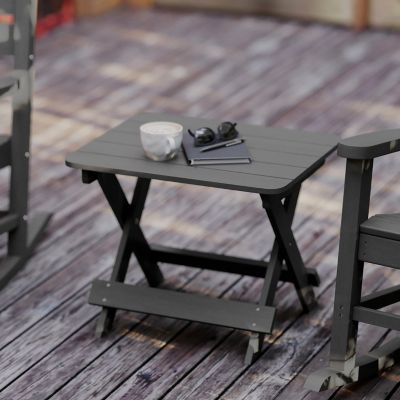
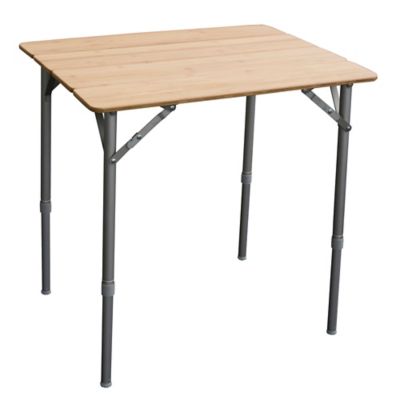
The details that matter most often show up during ordinary chores and quiet time outside. A smooth tabletop is handy for wiping away pollen after a breezy afternoon, while narrow grooves and woven textures can collect grit and need a little more attention. Mild soap, water, and a soft cloth are often enough for routine cleaning, but cleaners and brushes should match the material and finish. Harsh chemicals or abrasive pads can damage protective surfaces. Water left beneath a planter or trapped under a cover can keep a table damp longer than expected, so drainage and airflow matter even with weather-resistant construction. A planter saucer helps contain soil and runoff, but lifting it occasionally allows the surface beneath it to dry. Snow accumulation, ice, and repeated freeze-thaw cycles can be harder on furniture than a passing shower; sheltered storage or a properly fitted, breathable cover may help, depending on the manufacturer’s directions. Folding designs are especially practical when the porch needs clearing or extra floor space matters. For seating arrangements that change from a quiet morning spot to a family gathering,
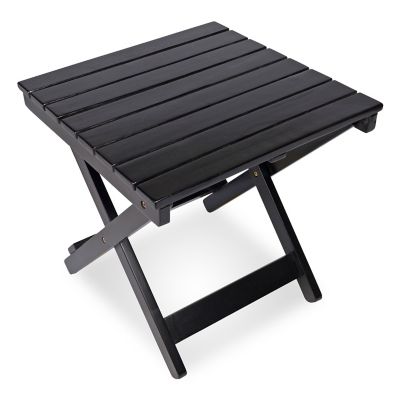
Outdoor Folding Side Tables offer another way to keep a convenient surface nearby without committing to a permanent footprint. Hinges and folding locks should hold the table firmly in its open position, and fingers need room to stay clear when it closes. On any style, sound joints, secure hardware, and a stable stance matter more than an oversized top balanced on a narrow base. Side tables are meant to support belongings within their stated load limits, not serve as a seat or step stool. For someone settling into a new home, fixing up a front porch, or spending more time beside the garden, an outdoor side table can make a thoughtful housewarming gift. A manageable size and a material suited to the recipient’s space help it earn a regular place beside their favorite chair, ready for a coffee cup, a book, or a well-earned break after chores.