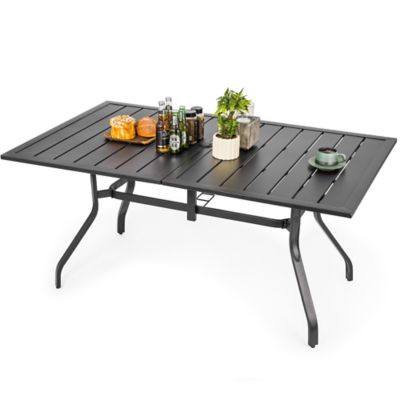
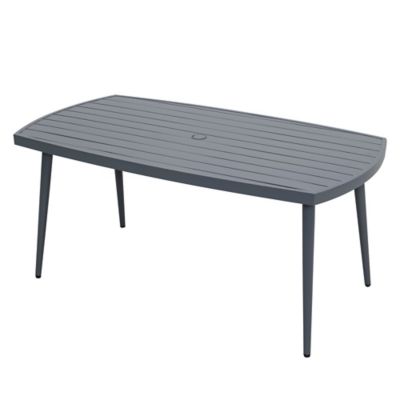
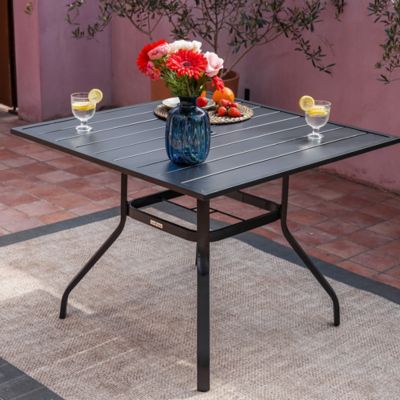
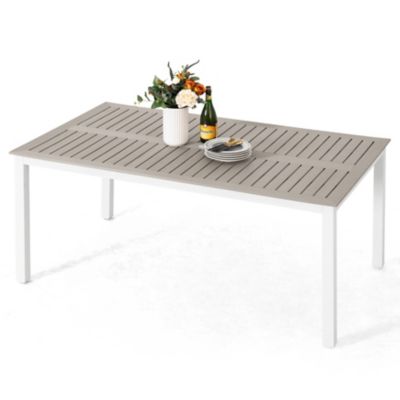
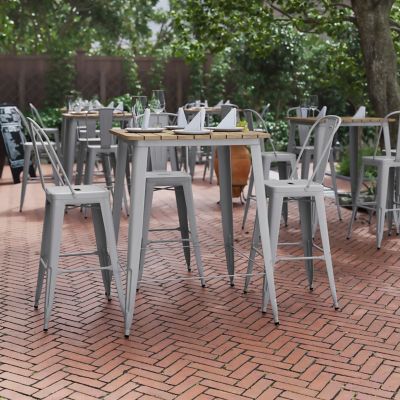
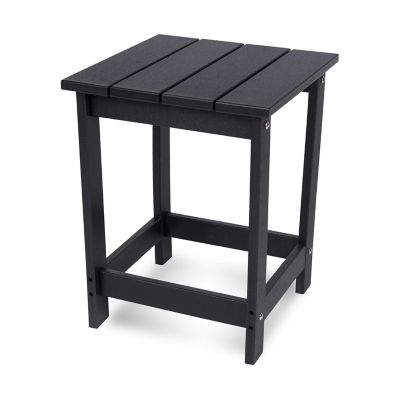
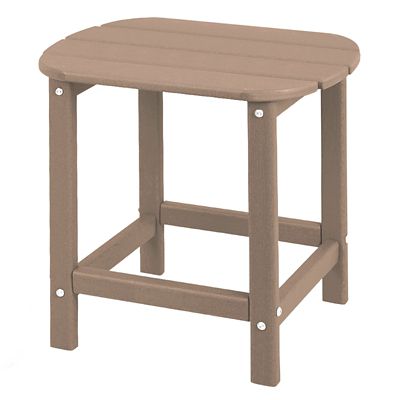
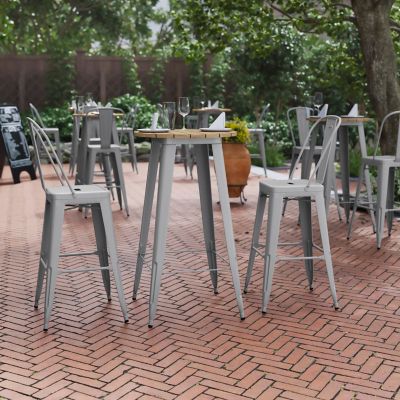
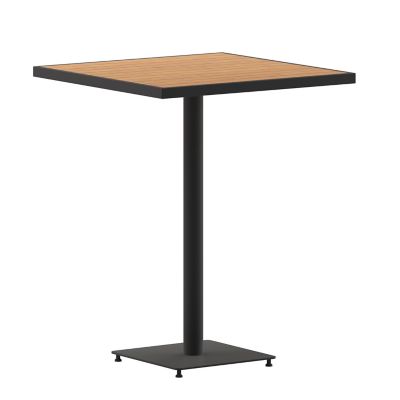
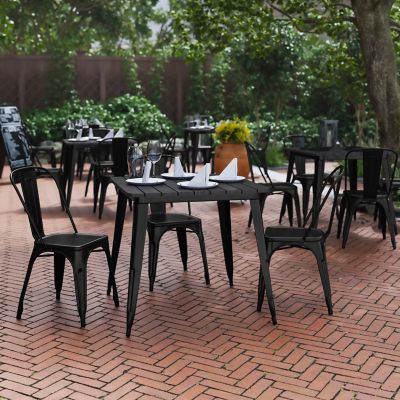
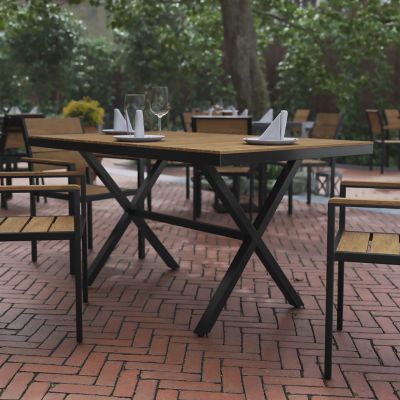
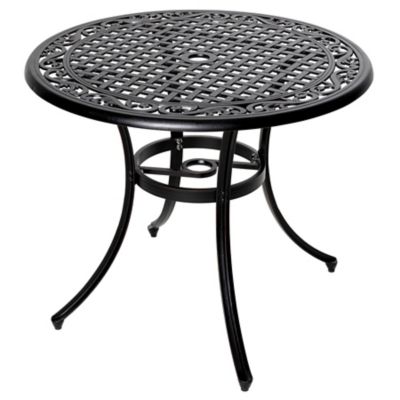
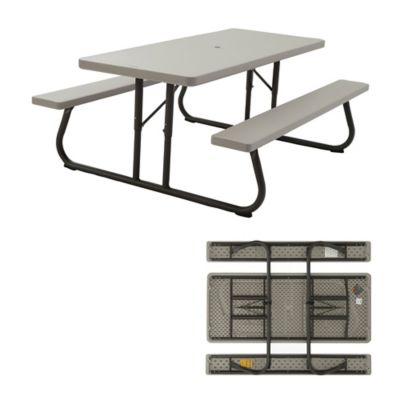
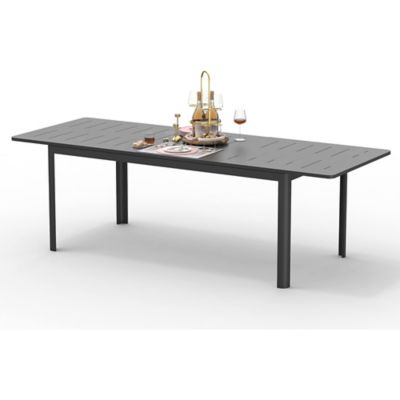
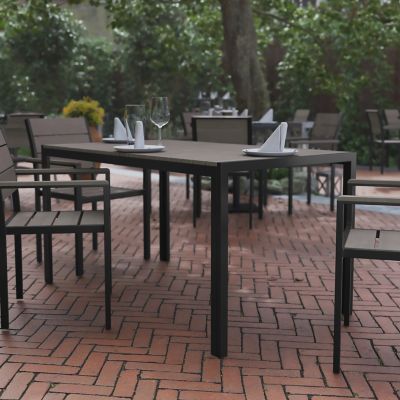
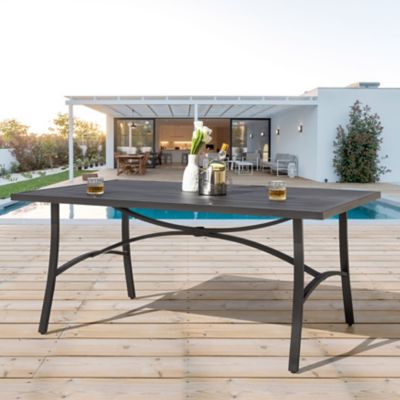
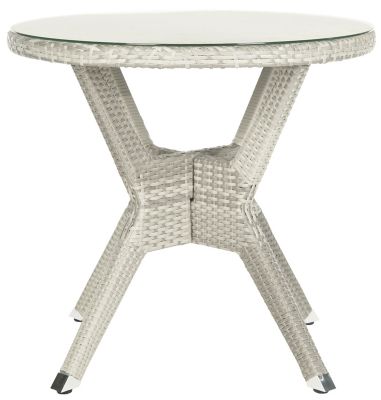
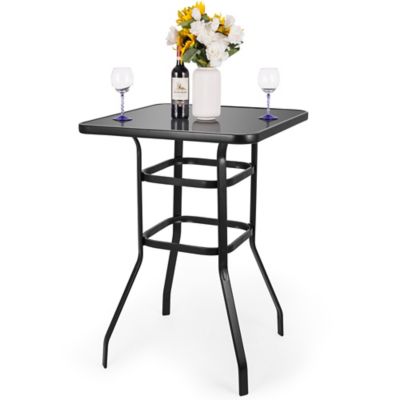
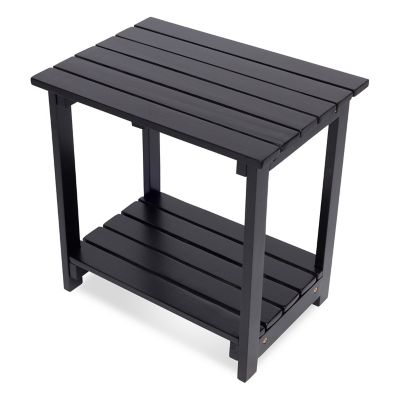
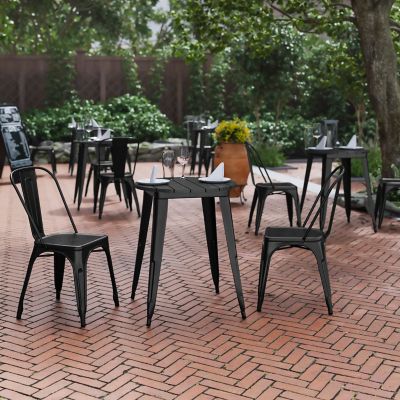
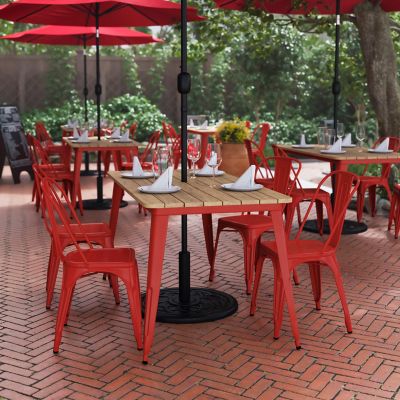
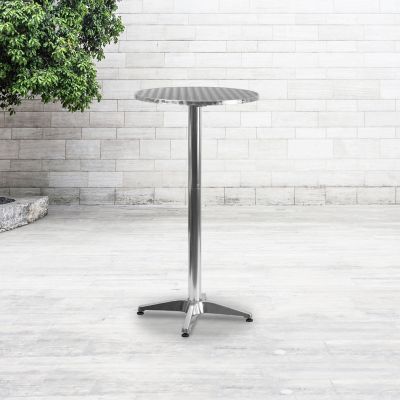
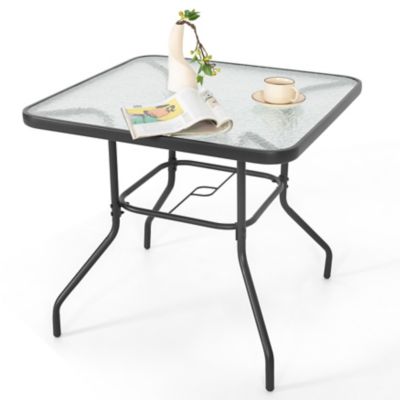
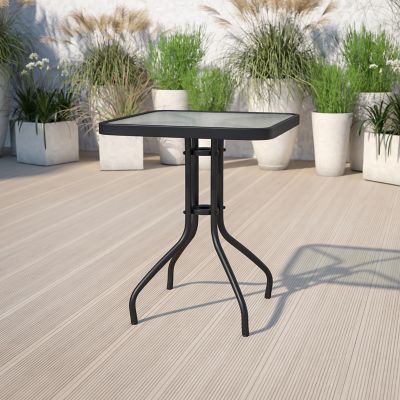
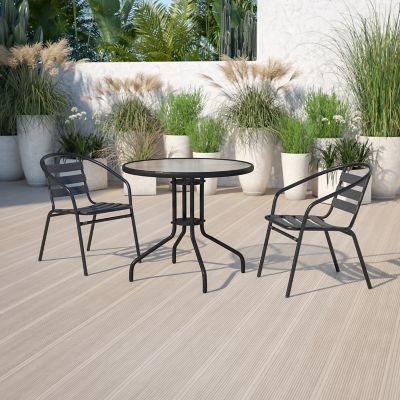
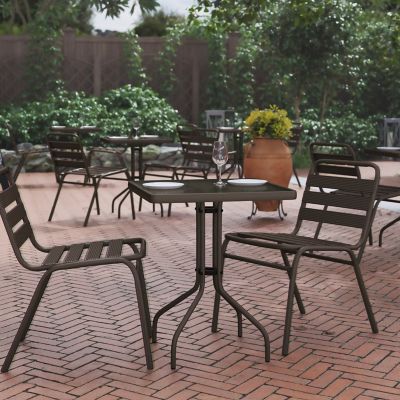
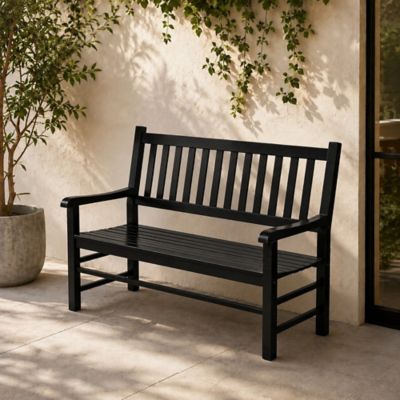
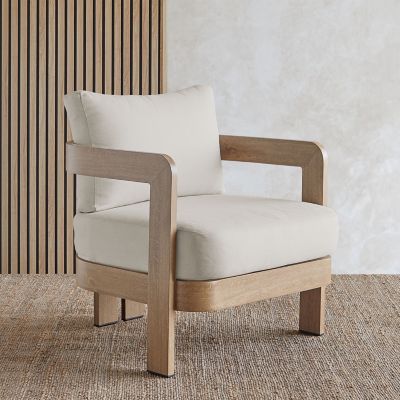
Weather-resistant outdoor tables bring a useful gathering spot to the porch, patio or backyard, whether there’s coffee to set down before chores or a family meal to spread out after a long day. Built for outdoor exposure, these tables typically feature materials and finishes that help resist moisture, sunlight and everyday wear. Powder-coated aluminum, high-density polyethylene (HDPE) lumber, wood-plastic composite and certain outdoor woods are common options, though their care needs and performance differ. Weather resistance doesn’t mean a table can sit through every season without attention; construction, protective finishes, drainage and storage all play a part in how well it holds up. On a covered farmhouse porch, a small table may face blowing rain and afternoon sun. Out on an open deck, a dining table has more direct exposure to downpours, frost and temperature swings. Matching the material to that setting helps keep upkeep manageable. Aluminum is relatively light and doesn’t develop the red rust associated with iron, making it practical when furniture needs to move for sweeping or seasonal storage. A powder-coated finish adds a protective layer, although scratches and damaged spots still deserve attention. Steel and iron frames offer a heavier feel, but their resistance to rust depends on the finish remaining intact, especially around joints, welds and fasteners. HDPE lumber resists moisture absorption, rot and splintering, while its weight can help a table feel settled in an open seating area. Wood-plastic composite combines wood fibers and plastic for a woodlike surface with less routine finishing than many natural woods, but moisture resistance, heat retention and fading vary by formulation. Teak and other woods suited to outdoor furniture bring natural grain and warmth to a gathering space. Teak can weather to a silver-gray color, while preserving its original tone generally takes additional care. Across these materials, a well-supported top, sound connections and outdoor-suitable hardware matter just as much as the surface guests see.
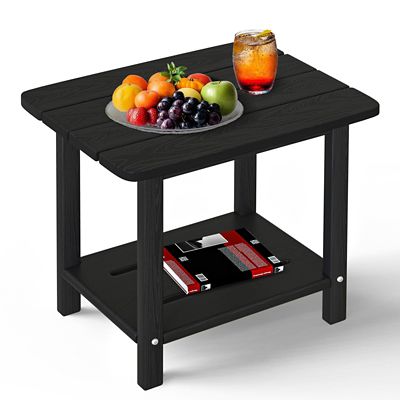
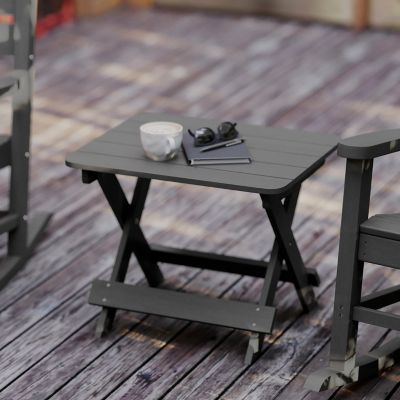
The right fit has as much to do with the way folks gather as it does with the size of the patio. A round outdoor table makes conversation easy over breakfast or a game of cards, while a rectangular dining table gives serving bowls and place settings room to spread out. Square tables suit smaller seating areas, and a compact bistro table can turn a quiet porch corner into a comfortable spot for two. An outdoor side table fills a different role, keeping a mug, book or pair of gloves within reach beside a chair without taking over the walkway. Table height should work with the seating: dining chairs, lounge chairs and counter-height stools need different amounts of clearance and reach. Armrests also need room to tuck beneath the tabletop or apron, and thick seat pads can change how comfortably someone sits at the table. Coordinating seating with
Weather Resistant Outdoor Seat Cushions can make a meal or an evening visit more comfortable, with cushion dimensions and care requirements considered alongside the furniture. Around a dining setup, roughly 36 inches between the table edge and a wall or railing is a helpful starting point for pulling chairs out; a busy path behind seated guests may need more. Leg placement matters, too, particularly when a bench needs to slide underneath or an extra chair joins the gathering. A pedestal base can free up space around the perimeter, while corner legs may affect seating at the ends. On brick, pavers or a porch floor with a slight slope, adjustable feet can help reduce rocking when the table’s design includes them. A broad footprint and appropriate weight are worth considering in breezy settings, but no freestanding table should be assumed safe in strong winds. For tables with an umbrella opening, pole diameter and clearance beneath the top need to match the shade setup. The opening alone doesn’t secure an umbrella; a properly sized base and attention to wind conditions remain important.
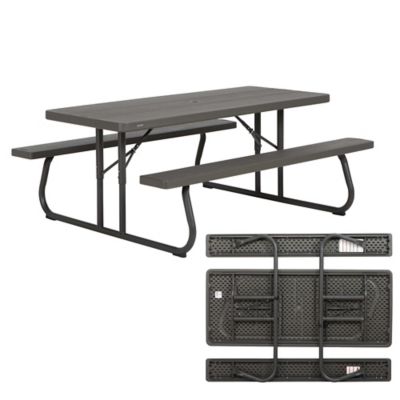
Everyday details often determine how much enjoyment an outdoor table gets once it’s settled into place. A smooth top gives glasses and dishes an even resting surface, while slatted designs can let rainwater pass through rather than collect. Narrow gaps may still catch crumbs, leaves or pine needles, especially beneath trees. Rounded corners can be welcome along a well-traveled porch, and a folding design can make clearing space easier when the seating area serves more than one purpose. Folding joints and locking mechanisms need to be fully engaged before the table carries a meal or other load. Weight capacity applies to the whole setup, not just the tabletop material, so a table meant for dining shouldn’t be treated as a workbench or a seat. Surface temperature is another practical consideration: metal and dark-colored tops can get hot in direct sun, even when the air feels mild. Shade helps with comfort, while trivets protect surfaces from hot cookware carried out from the kitchen or grill. For most outdoor tables, routine care starts with mild soap, water and a soft cloth or brush, following the maker’s directions for the particular material and finish. Abrasive pads, strong cleaners and pressure washing can damage some coatings or surfaces. Food spills, bird droppings and damp leaves are easier to manage before they linger, and keeping joints and drainage openings clear helps limit trapped moisture. During the cooler months, a fitted, ventilated cover can reduce exposure when the table isn’t in service, provided the furniture is clean and dry before covering. Shelter or indoor storage may be appropriate during freezing weather or extended stretches without use, depending on the table’s care instructions. Breathable coverage matters because trapped condensation can keep surfaces wet even when rain stays out. For a household that enjoys porch suppers, neighbors dropping by or a quiet cup outside, a weather-resistant table earns its place through everyday usefulness. It can also make a thoughtful housewarming gift when the recipient’s space, seating and willingness to handle upkeep are taken into account. The best match leaves room to gather comfortably and fits the amount of care that outdoor living allows.