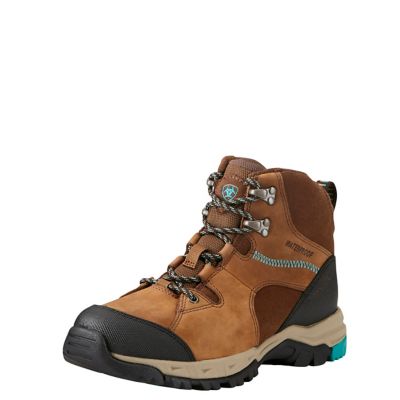
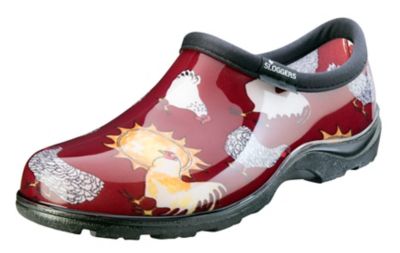
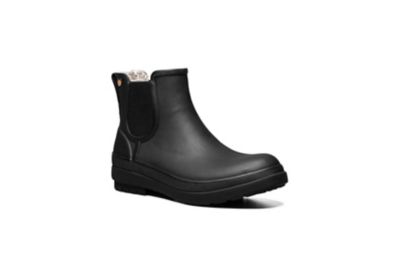
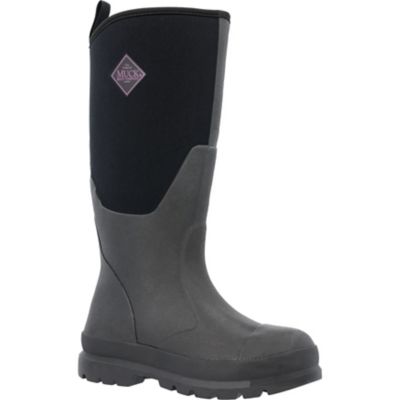
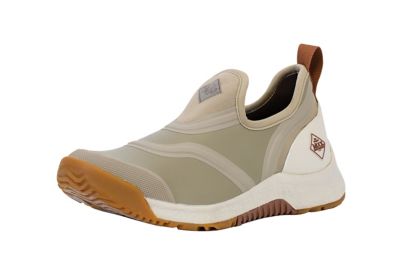
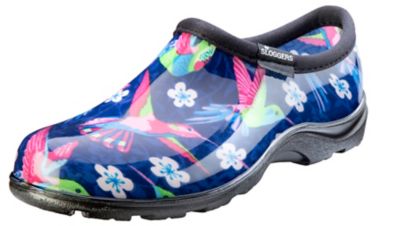
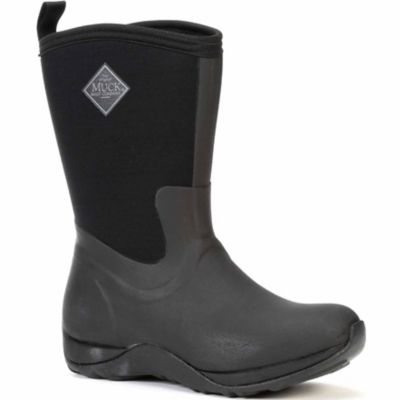
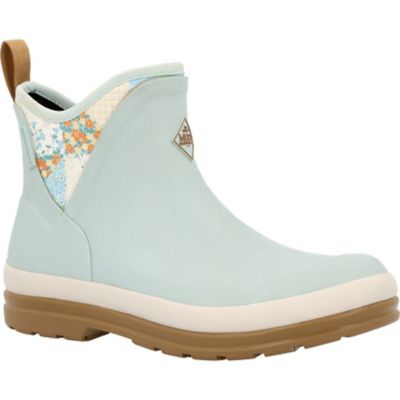
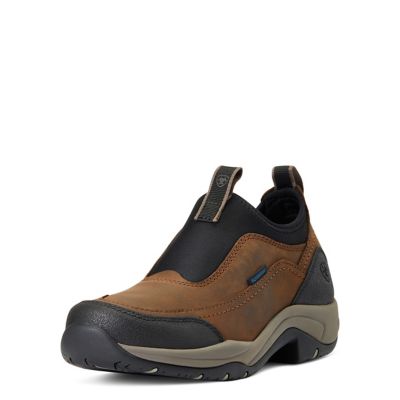
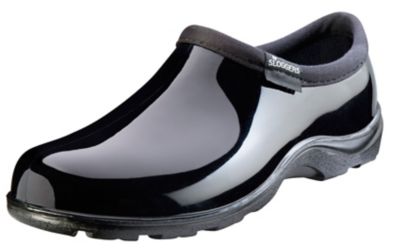
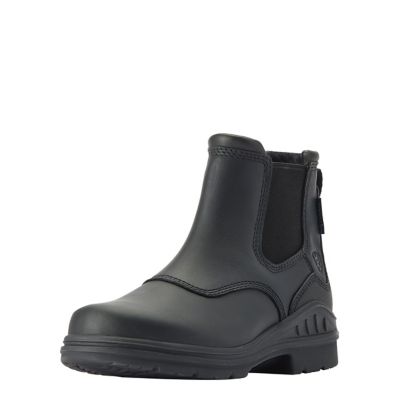
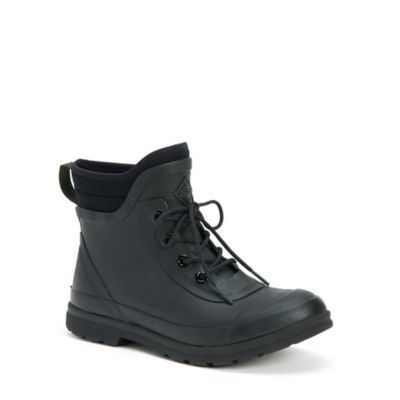
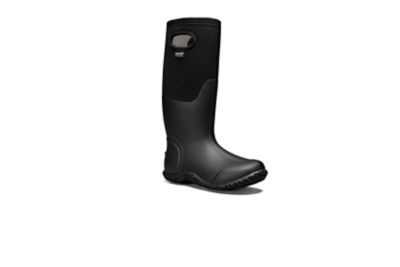
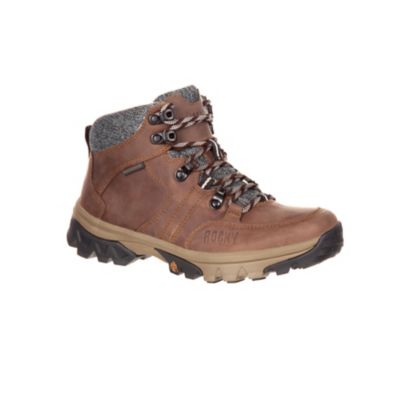
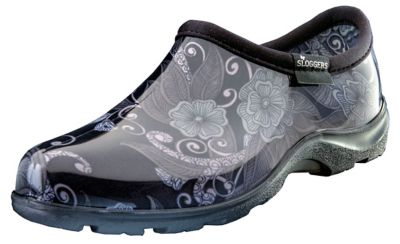
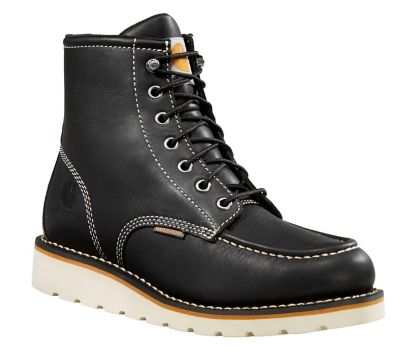
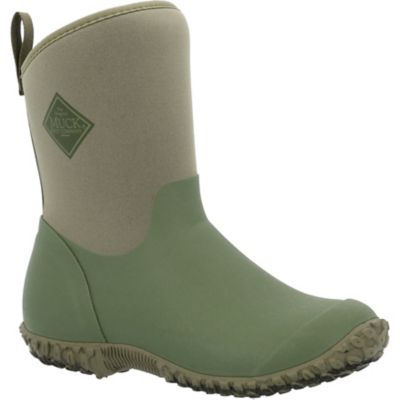
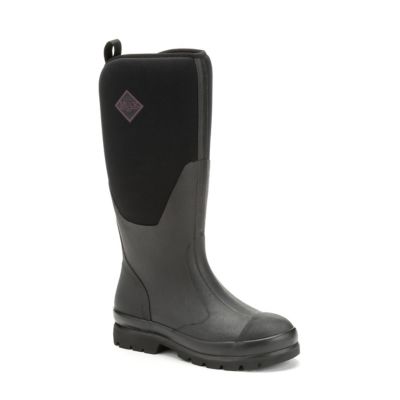
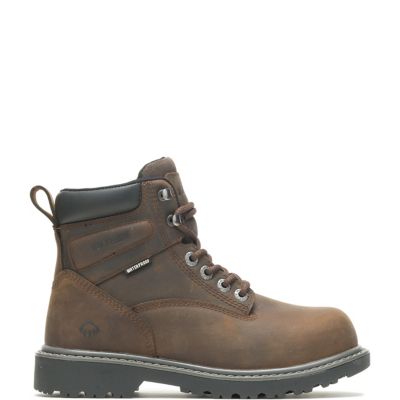
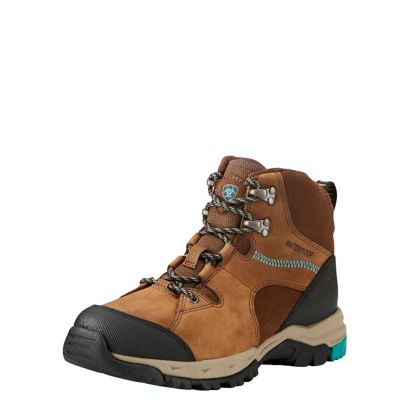
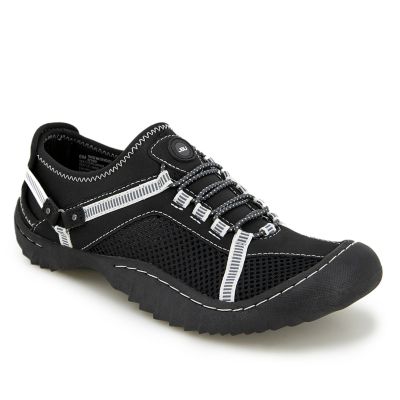
Waterproof shoes for women help keep feet dry on rain-soaked sidewalks, wet grass, and muddy paths without the height of a full boot. They suit everyday errands, walks down a gravel lane, trips between the house and barn, and outdoor outings where a little standing water comes with the territory. The right style depends on what’s underfoot and how much walking the day holds. Waterproof sneakers offer a familiar, flexible feel for everyday wear, while walking shoes emphasize cushioning and support for longer stretches on your feet. Trail-style shoes generally have more pronounced tread for uneven ground, and slip-on designs keep things simple for quick trips outside. Materials play a big part in how these shoes feel and perform. Leather uppers can offer structure and resist scuffs, while synthetic textiles often allow a lighter, more flexible design. Rubber and molded waterproof materials wipe clean easily after a splash through a puddle, though breathability varies. Some shoes rely on a waterproof membrane beneath the outer material; others get their protection from the upper itself, sealed construction, or a combination of features. Sealed seams help close off places where water could otherwise enter. Waterproof and water-resistant are not interchangeable descriptions: water-resistant shoes can handle some moisture but may let water through with longer exposure. A waterproof design offers greater protection within the conditions specified for that footwear. Even then, water can enter over the collar, and an ordinary fabric tongue may leave an entry point unless its construction closes that gap. Low-cut shoes make sense for shallow puddles and wet ground, not deep creek crossings or standing water above the opening. Breathable construction can help moisture from inside the shoe escape, but waterproofing alone does not prevent sweaty feet. That balance between outside protection and inside comfort matters whether the day involves a long walk with the dog or several stops around town.
Fit matters just as much as keeping water out, especially when shoes stay on from the first trip to the mailbox through the last errand of the day. Women’s waterproof shoes should hold the heel comfortably while leaving enough room for toes to spread and move without rubbing the front. A snug fit should not mean pinching across the ball of the foot or pressure over the instep. Width, toe-box shape, and the placement of seams can make a bigger difference than the size printed on the box. Trying shoes with the socks intended for everyday wear gives a better sense of the space available, and thicker socks should not crowd the foot or restrict circulation. Wool-blend and synthetic socks can help move perspiration away from skin, depending on their construction. Laces offer adjustment across the top of the foot, while slip-on styles depend more heavily on the shape and stretch of the opening for a secure fit. Cushioning softens the feel of hard surfaces, but a very soft shoe is not automatically the best match for uneven ground. A stable platform and a secure heel can feel more comfortable when stepping over roots or crossing a rutted yard. Removable footbeds may provide room for compatible inserts, provided the shoe still fits properly afterward. Outsole design deserves a close look, too. Deeper lugs can bite into loose dirt and soft ground, while less aggressive tread may feel smoother on sidewalks and indoor floors. Wet wood, slick concrete, algae, and ice each present different challenges, so waterproofing should never be mistaken for slip protection. Slip-resistant claims apply to the conditions and testing specified for the shoe, not every surface. Waterproof construction also does not establish electrical protection, puncture resistance, or suitability around chemicals. For jobs with footwear requirements, the stated safety features need to match the work. Everyday waterproof shoes are a practical choice for many routines, but they are not a substitute for task-specific protection.
Care requirements vary with the upper material, and a little attention after a muddy walk can help footwear hold up over time. Grit left in creases, around stitching, or along the sole can wear at those areas as the shoe flexes. Once loose dirt is removed, a soft brush or damp cloth is often enough for routine cleaning, with any cleaner chosen to suit the material and the maker’s directions. Leather may need an appropriate conditioning product, while textile uppers can call for a different approach. Machine washing is suitable only when the care instructions specifically allow it. Waterproof footwear also benefits from drying time between outings. Removing permitted footbeds and opening the shoes helps air circulate, while direct heat from a stove, heater, or dryer can harm materials, adhesives, or waterproof components. A surface treatment may need refreshing when recommended, but an outer spray cannot repair a torn membrane or a split seam. Checking the tread, flex points, and sole edges helps reveal wear before a small problem becomes a wet sock halfway through the day. Comfort over a long stretch also comes down to matching the shoe to the plan. A pair intended mainly for quick trips across the yard may feel different from footwear built for miles of walking. For days that combine time on the road with sightseeing or walking around a campground,
women’s waterproof shoes for travel fit that mix of everyday comfort and wet-ground protection. Weight, flexibility, and ease of cleaning become especially useful considerations when packing space is tight. As a gift, waterproof footwear can make sense for someone who spends plenty of time outdoors, walks a dog, gardens, or simply prefers dry feet on a rainy errand run. Knowing the recipient’s usual size, preferred width, and favorite footwear shape matters more than choosing by appearance alone. Shoes that suit her routine, fit comfortably, and receive the right care can earn their place by the door long after the first puddle.