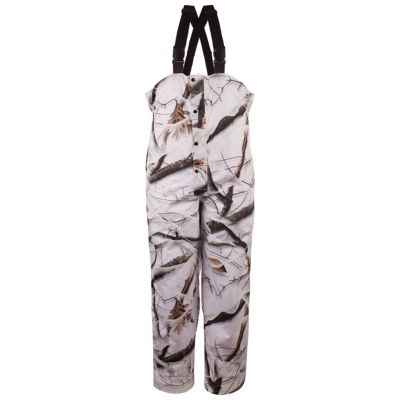
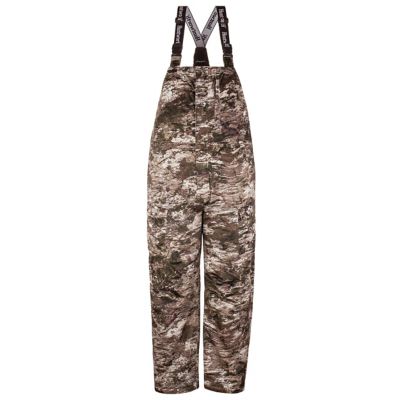
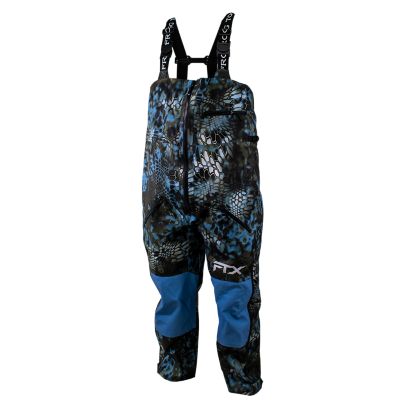
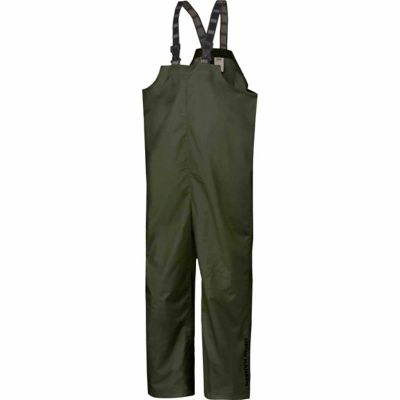
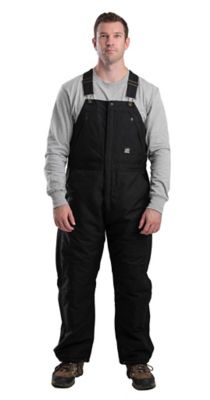
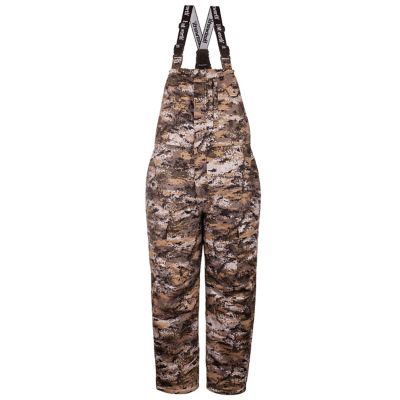
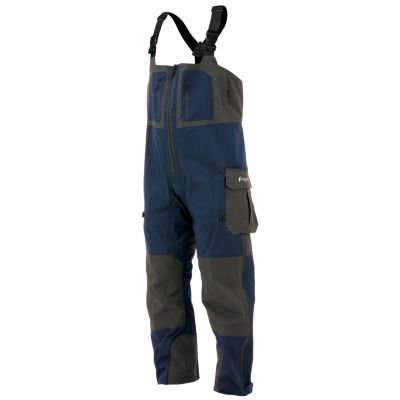
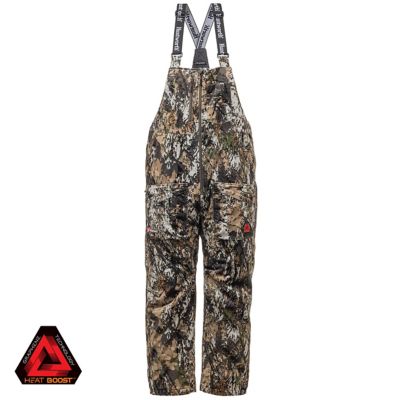
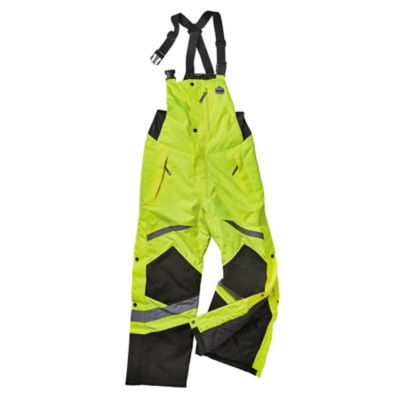
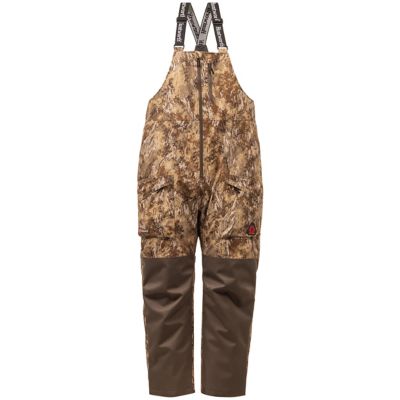
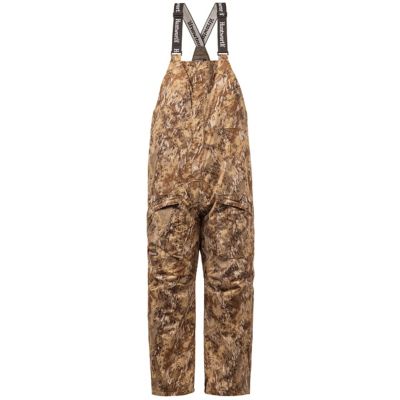
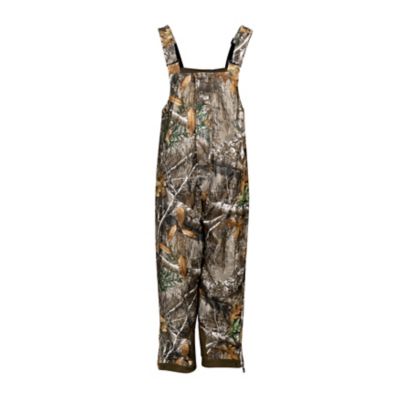
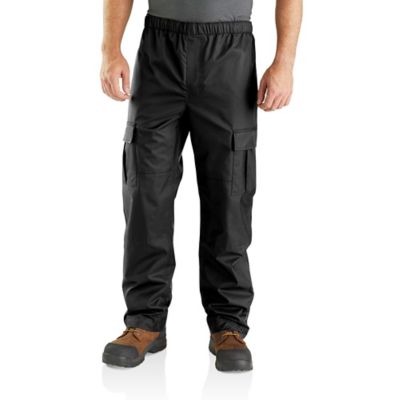
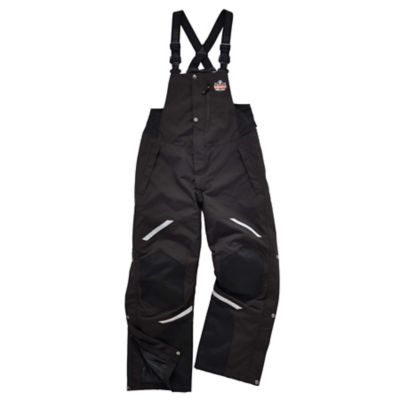
Men's waterproof snow bibs bring together coverage, weather protection and room to move when snow turns an ordinary chore into a longer job. Their raised front and back help keep snow from slipping in at the waist while shoveling a driveway, hauling feed or bending to clear a gate. Unlike basic water-resistant outerwear, waterproof snow bibs rely on a barrier within the fabric or a coating that helps block moisture from reaching the layers underneath. Nylon and polyester shells are common, and their performance depends on more than the face fabric alone. Sealed seams, protected zippers and well-built closures help close off places where melting snow can work its way through. A water-repellent finish helps moisture bead on the surface, but that finish is not the same as a waterproof barrier. Those distinctions matter when kneeling beside a snow-covered trailer or sitting on a wet tractor seat. Insulated snow bibs add warmth for slower chores, long stretches standing outdoors and rides where there is little movement to generate body heat. Shell bibs leave more of the warmth to the clothing underneath, making them a practical choice for active work or changing layers between tasks. Insulation weight, lining and wind protection all affect comfort; waterproof construction by itself does not tell the whole story about warmth. Breathable fabrics and ventilation openings can also help manage the dampness that builds inside during hard work. Moving a pile of heavy snow creates a different need than waiting beside an ice-fishing hole, even when the air temperature is the same. Across the
Bib Snow Pants category, waterproof designs make particular sense for wet snow, slush and outings that involve repeated contact with snowy ground. The most suitable construction depends on how much time is spent moving, how much is spent sitting still and how often the fabric meets moisture. For farm chores and outdoor recreation alike, that balance matters more than a thick-looking shell or a heavily padded feel.
Fit makes a real difference in how men's waterproof snow bibs handle a full day outside. Bibs generally need enough space for a base layer and, when conditions call for it, another insulating layer without pulling tight across the seat or thighs. Too little room can restrict a high step onto equipment or a crouch beside a frozen water line. Too much extra fabric can bunch at the knees, catch around boots or make walking through deep snow more tiring. Adjustable shoulder straps help position the bib front and keep the waist from sagging, while side adjustments can take up extra room without squeezing the layers beneath. A comfortable fit stays settled while reaching overhead, climbing steps and bending to pick up a shovel. Articulated knees, gusseted construction and stretch panels, where included, give moving joints more room without requiring an oversized fit everywhere else. Inseam length deserves attention with winter boots on, since hems that drag through slush collect moisture and wear faster. Reinforced cuffs and kick patches help protect high-contact areas from boot edges and repeated scraping. Internal snow gaiters can fit over boot tops to help keep loose snow outside, while outer leg openings need enough room to settle over the footwear without riding up. Leg zippers can make changing easier in a mudroom or beside a truck, especially when removing boots would mean stepping onto a cold, wet floor. Longer side openings may also offer ventilation, depending on the design. Pocket placement matters when shoulder straps, a coat and work gloves are all part of the outfit. A chest pocket can keep a small essential within reach, but an ordinary zippered pocket should not be treated as waterproof storage for a phone. Glove-friendly zipper pulls, covered closures and smooth linings are small details that become more noticeable after several trips between the barn and the house. These features support everyday comfort without replacing the need for a jacket, gloves and suitable winter footwear.
Snow bibs take their share of rubbing, bending and wet contact, so construction and care both influence how well they hold up. Heavier fabric at the knees, seat and lower legs can help with abrasion from rough steps, packed snow and repeated kneeling. Reinforcement is especially useful for someone who spends more time clearing equipment and tending animals than walking a groomed trail. Strong stitching and secure strap attachments matter, too, although a thick outer fabric does not automatically mean the entire garment is waterproof. Care starts with the garment label because shell fabrics, waterproof barriers and insulation do not all call for the same treatment. Brushing off loose dirt and allowing muddy spots to dry before cleaning can make routine upkeep easier. When washing is needed, the recommended detergent, cycle and drying method help protect the fabric's weather-blocking features. Fabric softeners, bleach and high heat can harm some materials or finishes, so the manufacturer's directions take priority over a familiar laundry routine. A water-repellent surface finish may need refreshing over time with a treatment intended for that garment. Surface wetting alone does not necessarily mean the inner waterproof barrier has failed, but it can leave the shell feeling heavier and less comfortable. After a day outside, opening the legs and hanging bibs where air can circulate helps trapped moisture escape. Fully dry storage also keeps damp cuffs and packed insulation from sitting forgotten in a gear bag. Occasional checks of seam tape, hems, buckles and zippers can catch trouble before the next long stretch outdoors. For a gift, men's waterproof snow bibs suit someone who regularly handles snowy chores, fishes through the ice or spends weekends playing outside with the family. Knowing the recipient's measurements, usual layers and preferred boots makes that choice more personal and practical. A pair that fits the work and the person can become a regular part of getting out the door when snow is on the ground.