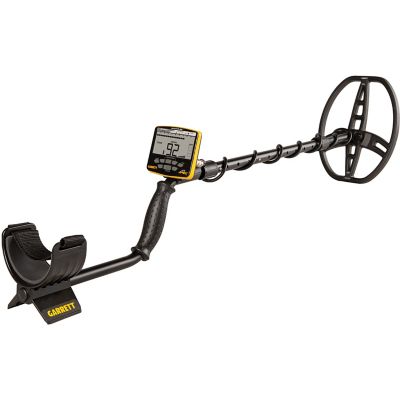
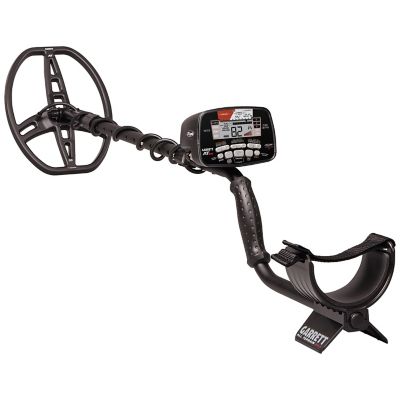
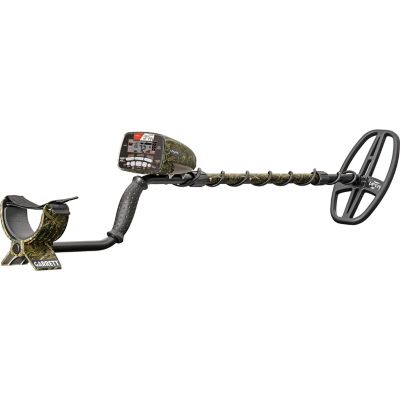
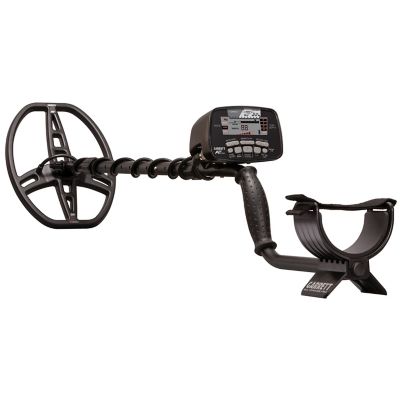
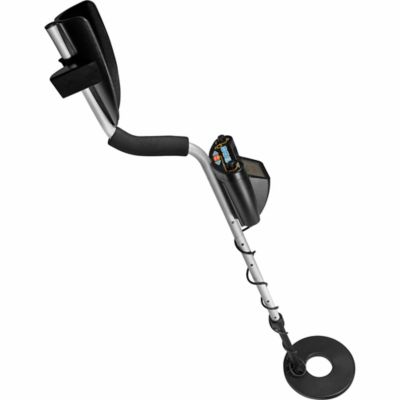
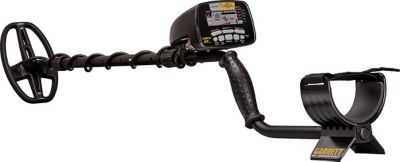
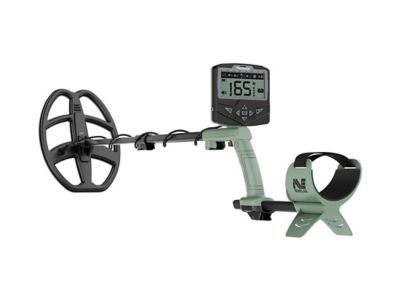
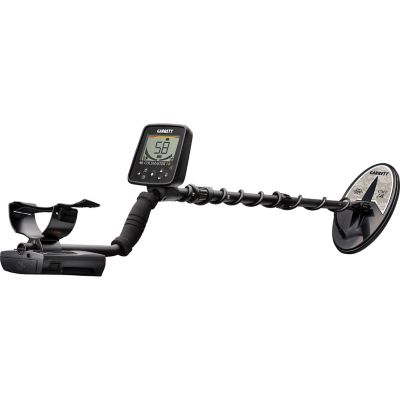
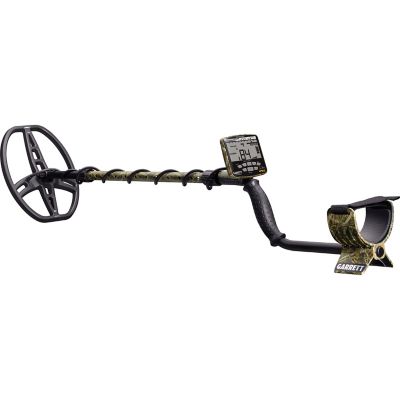
Waterproof metal detectors for shallow-water detecting bring the search beyond dry ground, from sandy lake edges to gravel-bottomed creeks and ocean shorelines. A lost ring near a swimming area or a coin caught between pebbles can make a familiar stretch of water worth another look, but the detector’s water protection needs to match the setting. A waterproof search coil alone does not make the entire detector safe to submerge. Fully submersible designs have a control housing and other required components rated for immersion within the manufacturer’s stated limits. That distinction matters even in knee-deep water, where a stumble or a lowered handle can put the controls beneath the surface. Depth ratings describe permitted immersion, not how far beneath the bottom a detector can find metal. An IP68 designation also does not establish one universal operating depth; the listed depth, time limits and operating instructions still matter. Headphones, cable connections and battery compartments may have separate requirements. Freshwater and saltwater performance deserve just as much attention as waterproofing. Many detectors work well around freshwater beaches and streams, while conductive saltwater and mineral-rich sand can create chatter or false signals on equipment not designed for those conditions. Simultaneous multi-frequency technology and pulse-induction designs are common options for saltwater detecting, though performance depends on the particular detector and its settings. Pulse-induction equipment may offer less target discrimination than some very-low-frequency designs, so the tradeoff extends beyond handling salt. Ground balance, sensitivity adjustment and dedicated beach settings can help manage challenging ground where those features are provided. For someone mostly searching a quiet pond edge, straightforward controls and manageable weight may matter more than a long list of modes. For someone moving between freshwater swimming holes and wet ocean sand, broader ground-handling capability can make more sense. Matching the detector to the water and bottom conditions helps keep the search focused on possible targets rather than constant adjustment.
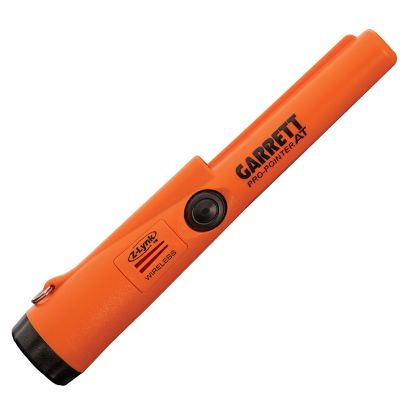
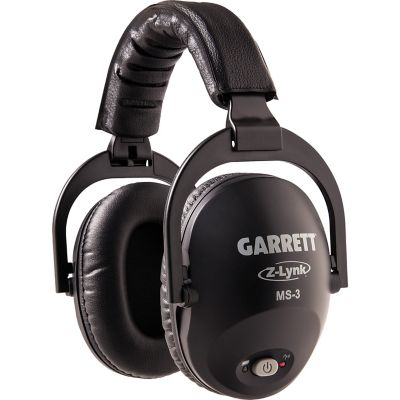
Comfort and control count when every sweep has to move through water instead of air. An adjustable shaft, a comfortable grip and a supportive arm cuff help the detector fit different heights and keep the coil within an easy reach. Aluminum and composite shafts can keep weight manageable, while reinforced housings and corrosion-resistant hardware help equipment stand up to repeated outings. Overall balance matters alongside the listed weight, since a nose-heavy coil can tire an arm even when the detector feels light on land. Water resistance adds effort to each pass, and a broad coil can take more work to move through current. Larger search coils generally cover more bottom with each sweep, while smaller coils can be easier to work around rocks, roots and closely spaced metal targets. Coil shape and the detector’s ability to separate nearby signals also affect how comfortably it handles a cluttered swimming area. Target identification numbers, adjustable discrimination and different audio tones provide clues about what may be under the coil, but they cannot promise an exact identification. Thin gold jewelry and foil can produce overlapping responses, and rejecting unwanted signals may also reject something worth recovering. Detection depth varies with target size, shape and orientation, along with mineralization and settings, rather than following one fixed depth claim for every object. Clear audio is especially helpful beside moving water. Waterproof headphones need the correct connector and an immersion rating suited to the detector’s intended use; ordinary headphones do not become water-safe just because the detector is submersible. Standard Bluetooth connections generally do not carry audio through water effectively, so compatible underwater audio arrangements deserve a close look. Once a signal is narrowed to a small patch of sand or gravel,
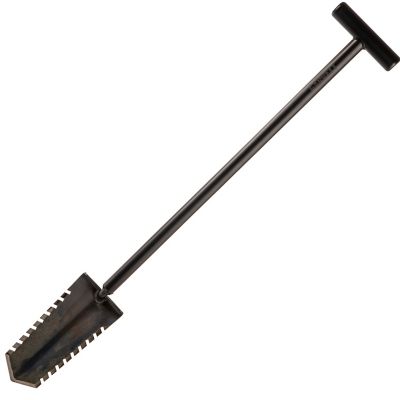
Metal Detecting Pinpointers can help locate the target more precisely. Each pinpointer needs its own suitable water rating before it goes beneath the surface. A sand scoop or other permitted recovery tool can also make the difference between chasing a moving target and checking a manageable amount of material.
Care after a trip helps protect the seals, connections and moving parts that shallow-water detecting puts to work. Sand can collect around shaft locks, grit can settle near battery covers, and salt residue can remain after the surface looks dry. Manufacturer-approved fresh-water rinsing helps remove residue from components rated for that treatment, while non-submersible parts need cleaning methods that keep water out. Battery compartments and electrical connections should be dry before opening, and sealing surfaces need to stay free of hair, sand and other debris. Gaskets deserve regular inspection for damage or poor seating; lubricants belong only where the manufacturer specifies them. A waterproof housing cannot compensate for an improperly closed cover or a compromised seal. Storage matters, too: equipment should be clean and dry, with cables arranged without sharp bends and batteries handled according to the care instructions. These practical details are worth considering for anyone who expects to carry a detector between a truck, a creek bank and a lake access point. A detector that adjusts easily and comes apart for transport can be simpler to carry alongside other outdoor gear, while clear controls make it easier to return to the hobby after time away. Waterproof metal detectors can also make a thoughtful gift for an outdoor-minded family member who enjoys searching, exploring and learning the sounds of different targets. Fit, lifting comfort, preferred search locations and familiarity with detector controls are better starting points than assuming the most complicated setup is the best match. Shallow water still calls for sound footing and attention to currents, drop-offs and soft bottom; a detector’s immersion rating is not a measure of personal safety. Permission and local rules matter at public beaches, waterways and private property, especially around protected cultural sites. Respectful recovery, removal of recovered litter and care around aquatic habitat help keep a favorite search spot in good shape for the next visit.