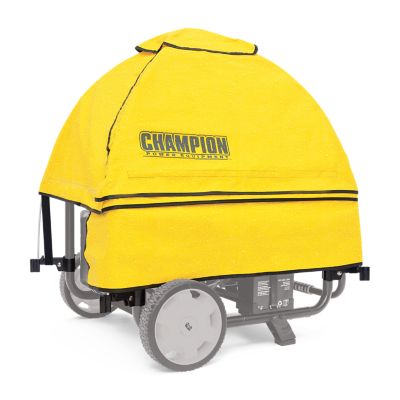
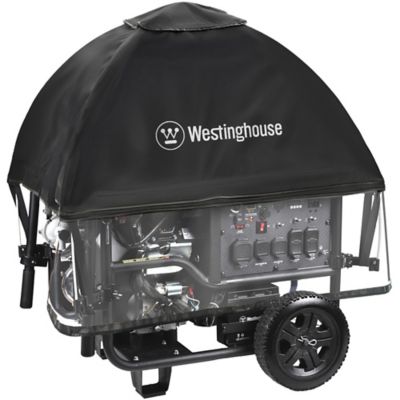
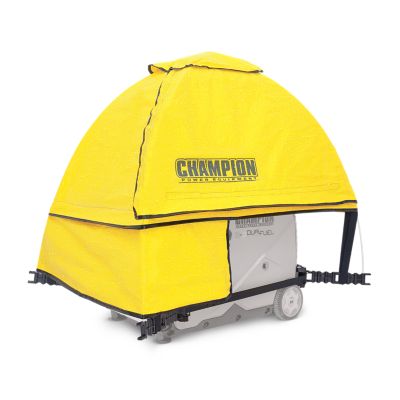
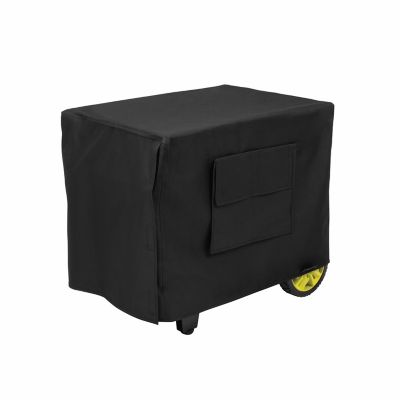
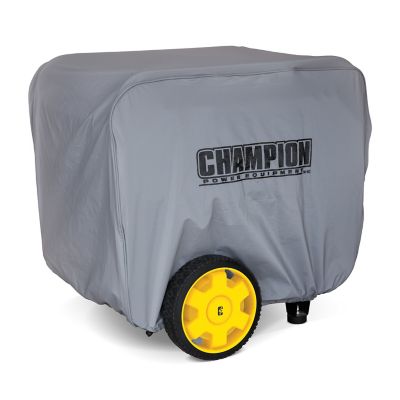
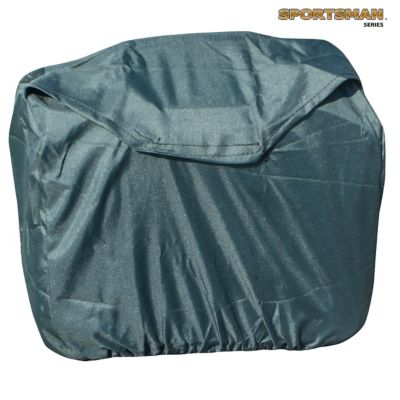
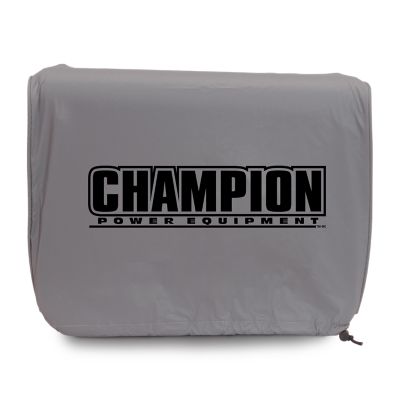
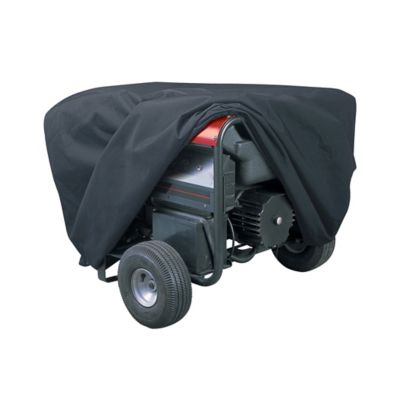
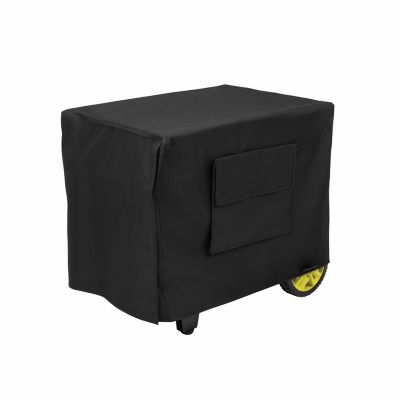
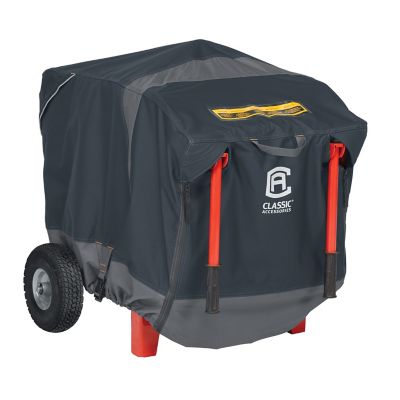
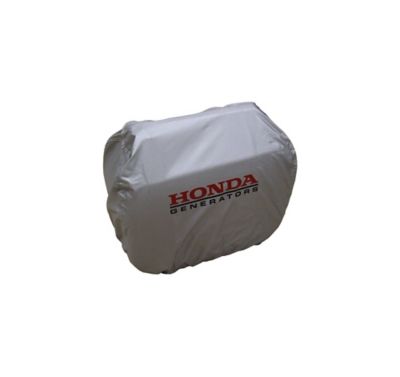
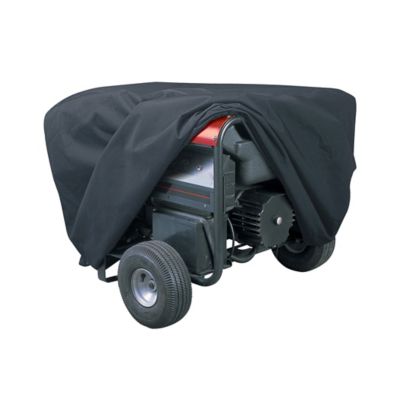
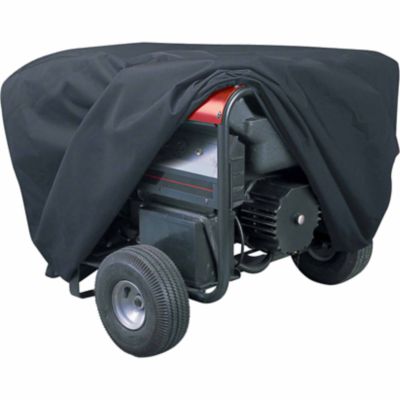
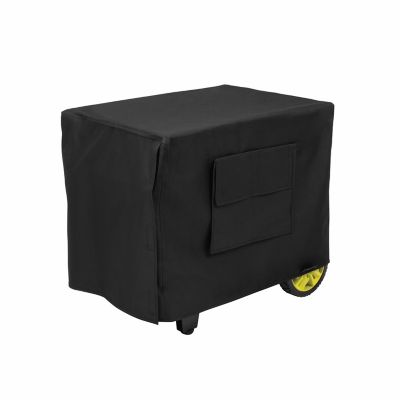
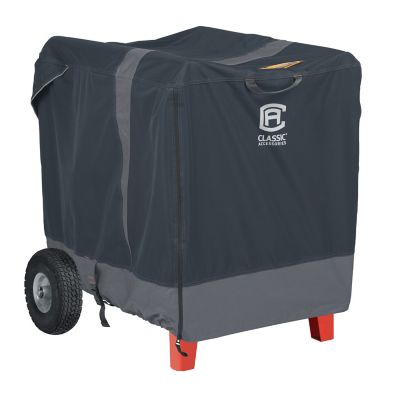
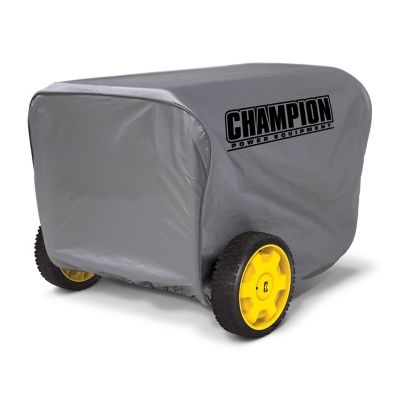
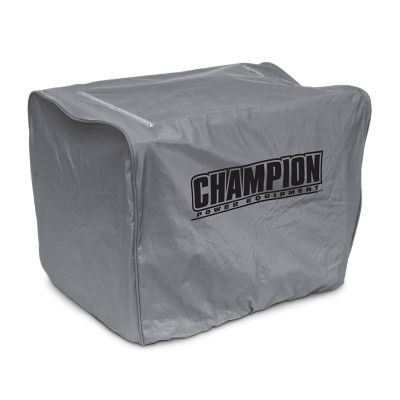
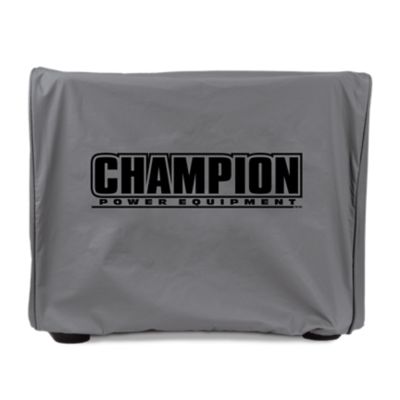
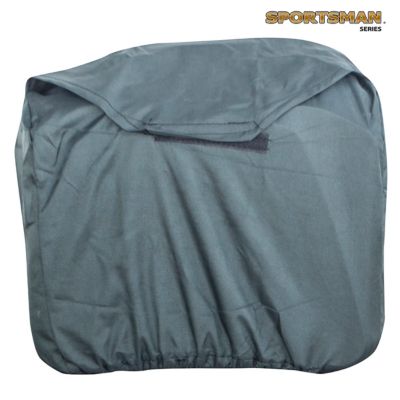
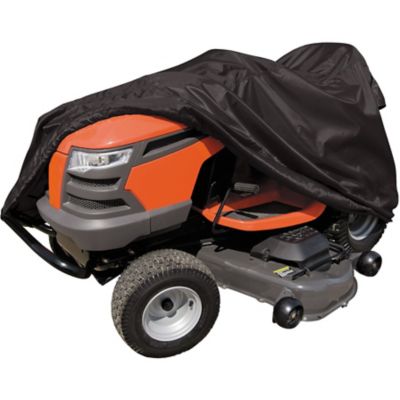
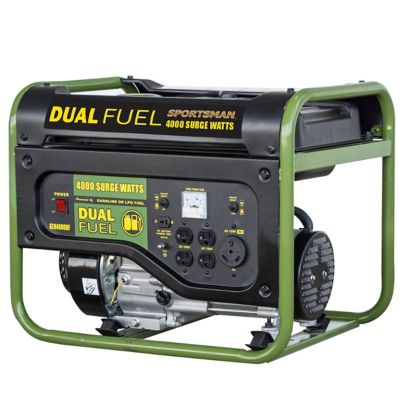
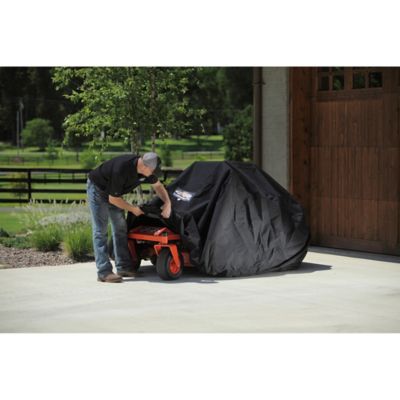
Generator covers help protect a valuable generator from the everyday grime and rough weather that can shorten its working life. Dust from a gravel drive, pollen, mud splashed up by a mower, tree sap and strong sunlight can all settle on an uncovered machine, while rain, sleet and snow may work their way into outlets, control panels and other sensitive areas. A well-fitted cover creates a simple barrier between the generator and the elements when the unit is not in use, making it a handy choice for homeowners, farmers, campers, contractors and anyone who keeps backup power on hand. Many folks store a generator in a shed, garage or barn, but even covered storage can be dusty and damp, especially when doors are opened and closed through the cooler months. Others keep a generator outside in a designated, well-ventilated spot so it is close to a transfer switch, outbuilding or work area. In either case, a cover helps keep the machine cleaner between uses and can reduce the time spent wiping off dirt before a power outage or job. Look for durable, water-resistant material that can stand up to sunlight and changing temperatures, along with reinforced seams and a secure bottom edge. An elastic hem, drawstring or other fastening system helps keep the cover from blowing loose when the wind picks up across an open yard. A soft interior or smooth lining can help prevent scuffs on painted panels, while vents or breathable sections may reduce trapped condensation. The best generator cover is not simply the largest one available; it should fit the shape and dimensions of the generator without being so tight that it strains the seams or so loose that it catches wind. Measure the unit from end to end, side to side and top to bottom, and account for wheels, handles, exhaust areas and any raised control panel before choosing a size. Checking the generator’s model information and owner’s manual is also a smart way to confirm fit and storage requirements. If you are shopping for a dependable gift for a new homeowner, cabin owner, camper or do-it-yourselfer, a generator cover is a practical addition that may not be the first thing they think to buy, but will come in handy when the weather turns wet or dusty.
It is important to match the cover to the way the generator will be used. A standard storage cover is made for a generator that is shut off, cool and being stored. It should be removed completely before starting the engine. Never place a regular storage cover over a running generator. The heat from the engine and exhaust can melt the fabric, create a fire hazard and block the airflow the machine needs. Generators should always operate outdoors, away from doors, windows and other openings, with plenty of clearance around the exhaust and intake areas. Carbon monoxide is an odorless, dangerous gas, so a cover does not make indoor or enclosed operation safe. For situations where power is needed during rain or snow, choose a purpose-built running canopy or weather shelter that is specifically designed for the generator and allows proper ventilation. These systems may shield the control panel, outlets and engine area from falling precipitation while leaving the sides open for airflow, but they must be installed and used according to the manufacturer’s directions. Access flaps, zippered openings or hook-and-loop panels can be useful when connecting cords or checking controls, though they should never interfere with exhaust clearance or safe operation. Before putting a cover on after use, let the generator cool fully, wipe away standing moisture and make sure the unit is dry. Covering a warm or damp machine can trap heat and condensation, which may contribute to rust, mildew or electrical trouble over time. During storm season and the cooler months, it also pays to keep the cover itself clean and inspect it for tears, loose stitching or worn fasteners. Brush off leaves and snow rather than allowing a heavy layer to sit on top, and avoid dragging the cover across rough concrete or sharp corners. A little routine care goes a long way toward keeping backup equipment ready for the next job, outage or weekend away from town.
Generator covers are useful anywhere reliable equipment needs protection between runs. On a rural property, a covered generator may sit beside a workshop and provide peace of mind when a storm takes out the power, while a camper may use one to keep a portable unit clean during travel and storage. Contractors can use covers to protect equipment at a jobsite between shifts, and property owners may keep one on hand for a pressure washer, well system or other essential setup that depends on backup electricity. When comparing options, consider the generator’s size, shape and wattage, but remember that wattage alone does not determine cover fit; the physical measurements matter most. Think about the local conditions, too. A property beneath tall pines may need stronger protection from needles and sap, while an open pasture or jobsite calls for secure fastening that can handle steady wind. In areas with frequent snowfall, a sloped top and sturdy construction can help shed accumulation, though no fabric cover should be treated as a substitute for clearing heavy snow or following safe storage practices. Water resistance, UV protection, breathable construction and easy access all add value, but the cover should remain simple enough to put on and remove without wrestling it around the generator. Keep cords, fuel and accessories stored separately in a dry, approved location, and check the generator before each use for damage, leaks or blocked vents. For households comparing backup power options, browsing
Generac Generators can help put generator covers in the larger picture of emergency preparedness. Whether it lives in a barn, garage, trailer or shed, a generator is an investment worth looking after. The right cover keeps dust and weather off the machine, helps it stay ready for demanding work and gives owners one less chore to handle when dark clouds gather over the fields.