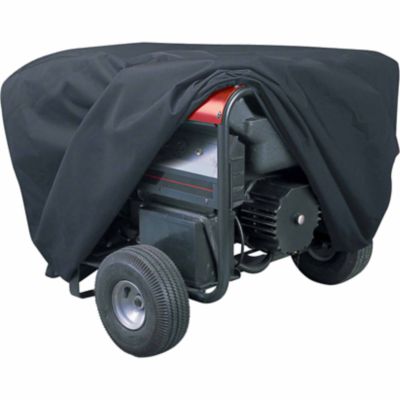
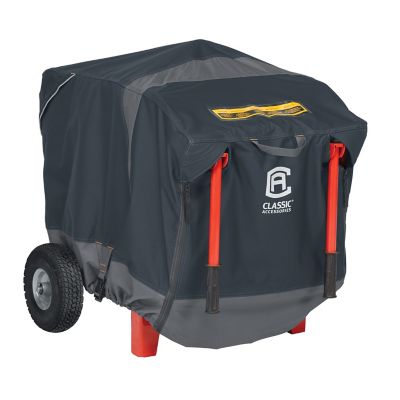
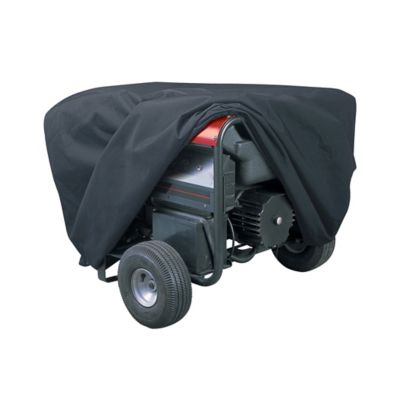
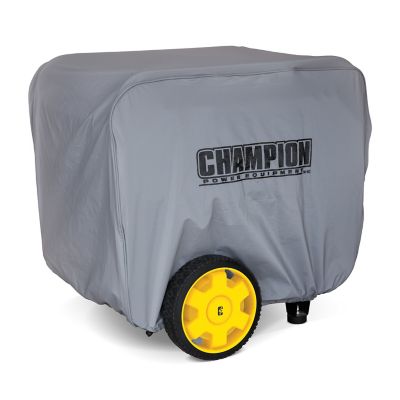
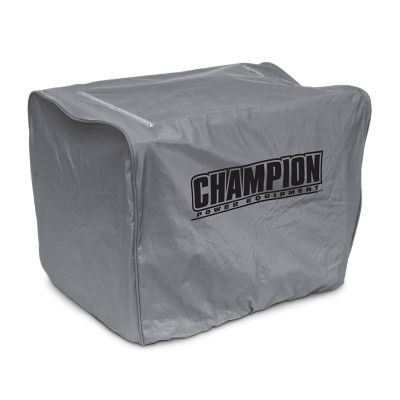
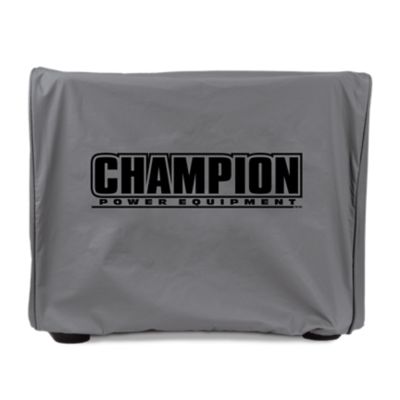
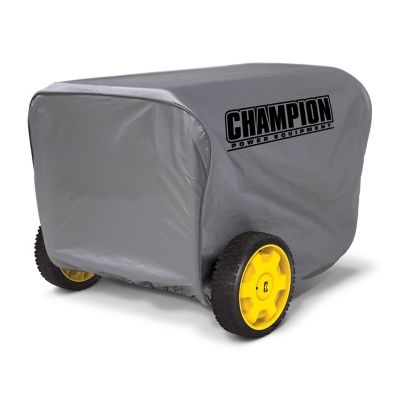
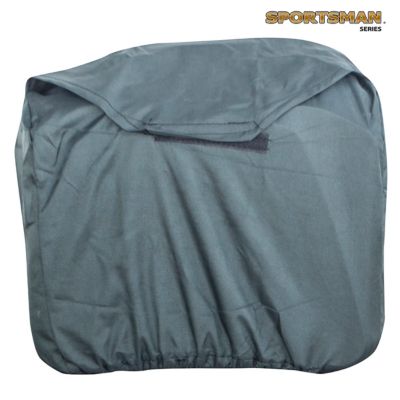
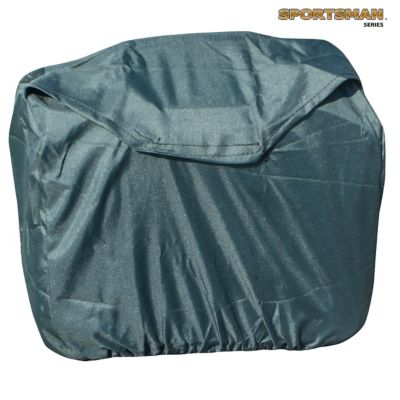
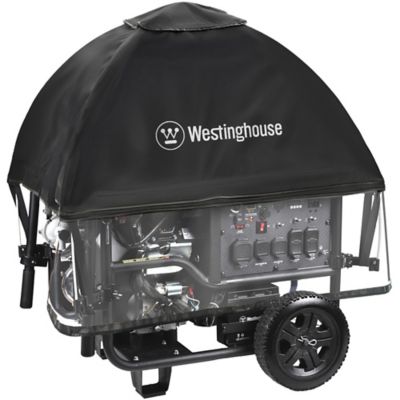
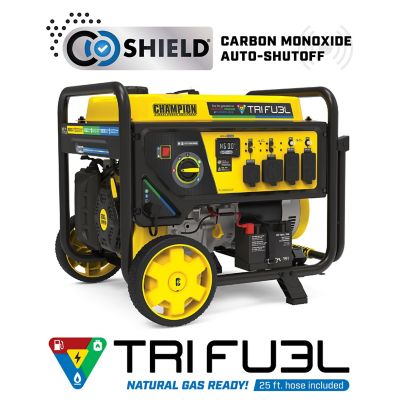
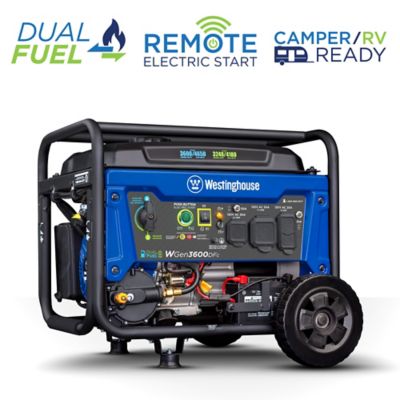
Extra large generator covers give bigger portable generators a layer of protection between jobs, power outages, and trips away from home. Sized for larger frames, these covers help keep settled dust, windblown leaves, and other debris off equipment while it sits idle. Weather-resistant versions can also help shield a stored generator from rain and snow, within the limits listed by the cover manufacturer. For a homeowner keeping backup power ready, a farmer storing equipment between chores, or a camper parking a larger generator for the season, the right fit makes a difference. “Extra large” is a size category, not a standard measurement, and generator wattage alone does not tell you which cover will fit. Overall length, width, and height matter, along with anything that sticks out beyond the main frame. Wheels, folded handles, lifting brackets, and control-panel guards can all change the space a cover needs to clear. A cover that stretches tightly across a handle may put extra strain on its seams, while one that hangs too loosely can flap in the wind or gather water in its folds. Published cover dimensions and generator compatibility details provide a better match than the size label by itself. Measuring the generator in its normal storage position also helps account for handles that fold down or wheel assemblies that extend past the frame. The intended coverage matters, too: some designs wrap around most of the housing, while others leave the lowest portion of the frame or wheels exposed. Extra large generator covers belong within the broader selection of
Generator Covers, with the same basic goal of matching the protection to the equipment and its storage conditions. For a big unit parked under an open-sided equipment shelter, a well-fitting cover can keep blowing grit from settling around the controls without leaving yards of loose fabric to catch on nearby tools.
Materials and construction determine how an extra large generator cover handles everyday exposure. Polyester fabrics, coated textiles, and vinyl are common options, though their performance depends on the fabric weight, backing, seams, and overall design rather than the material name alone. A water-resistant cover can shed light moisture, but that description does not necessarily mean it will keep out prolonged rain or standing water. Waterproof claims also deserve a close look at seam construction and the manufacturer’s stated limitations. Stitched seams, reinforced corners, and fabric reinforcement at stress points can help a cover stand up to repeated fitting and removal, especially around square frames and projecting handles. A softer backing may help limit rubbing against painted panels, provided the cover and generator are clean before they come together. Sun exposure matters even during the cooler months, so resistance to ultraviolet light is worth considering for equipment stored where daylight reaches it. Elastic hems, drawcords, buckles, or straps can help hold the cover in place, depending on the design; none takes the place of a sheltered storage spot during severe weather. Vent panels may help moisture escape, but a cover cannot eliminate condensation when warm days give way to chilly nights. Putting it over a dry, fully cooled generator helps avoid trapping heat and moisture underneath. Care is generally straightforward: follow the cover’s cleaning directions, brush away loose dirt, and allow the material to dry before folding it for storage. Harsh cleaners, stiff scrubbing, or machine washing can damage certain coatings and backings. A quick look at the seams and fastening points after a windy spell can reveal small tears before they spread. Around a barnyard or gravel driveway, keeping the bottom edge out of mud and away from sharp scrap also helps the cover last longer. Those small details matter when the cover comes off and goes back on throughout the season.
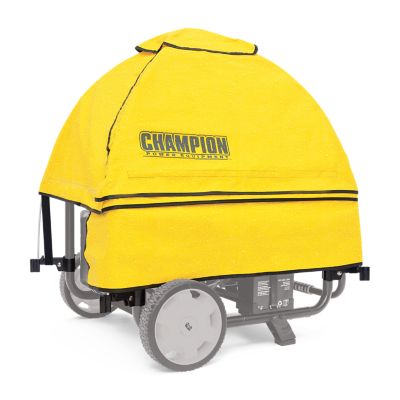
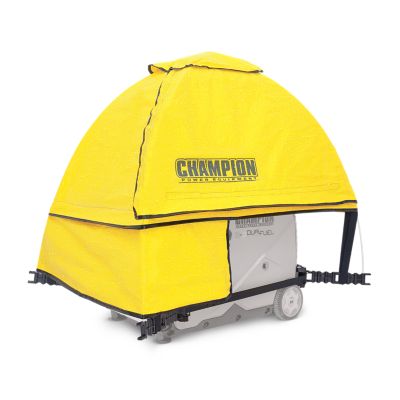
The biggest distinction in this category is between storage covers and covers specifically designed for generator operation. A fitted storage cover belongs on an engine that is shut off and fully cooled, and it must come off before the generator starts. It is not a running shelter, even if its fabric repels water or its sides include vents. An operating cover or running tent has a different purpose: when properly matched and installed, it is designed to shield specified parts of a running generator from precipitation while maintaining the openings and clearances required by its design. Compatibility with the generator, secure attachment, access to controls, and clearance around hot components all matter. No operating cover makes indoor generator use safe. A portable generator must run outdoors, at least 20 feet from homes and other occupied buildings, with the exhaust directed away from doors, windows, and vents; follow any greater distances required by the manufacturer. It must never run inside a house, garage, barn, shed, or other enclosed or partly enclosed space, even with doors open. Carbon monoxide can build up quickly, and a cover does not contain or neutralize it. Protection from wet weather also has limits, so an operating cover should only serve in the conditions permitted by both the generator and cover manufacturers. Flooding, standing water, and weather beyond those limits call for a different plan, not a tighter cover. For most between-job needs, a fitted storage cover is the simpler match: it goes on after the equipment cools and keeps loose debris off until the next task. For outdoor operation during permitted wet conditions, a compatible running cover serves a separate role. That distinction helps a property owner preparing for an outage or a crew putting equipment away after a long day choose protection for the actual task. Whether the generator supplies backup power at home or supports work out on the property, a properly matched cover helps keep it protected between tasks without getting in the way of safe operation.