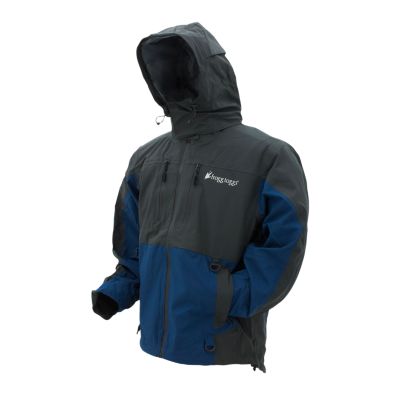
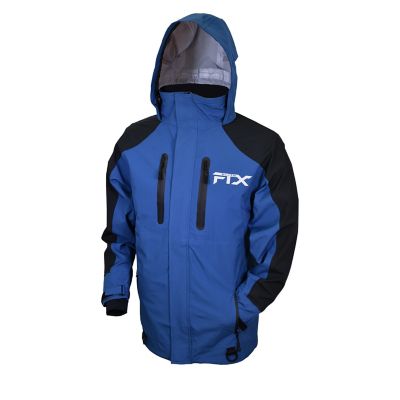
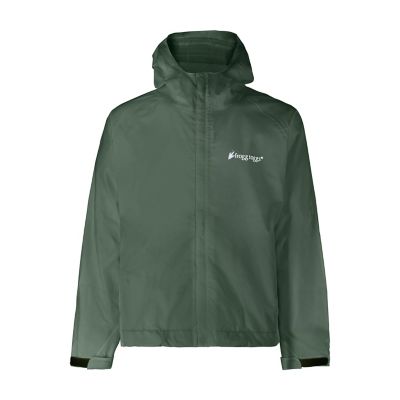
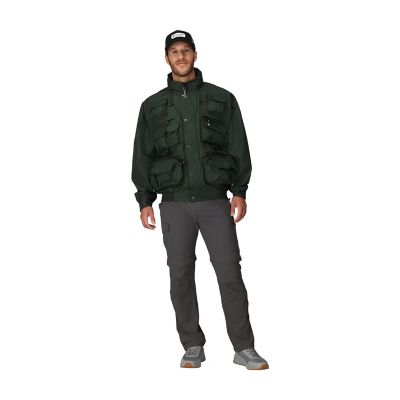
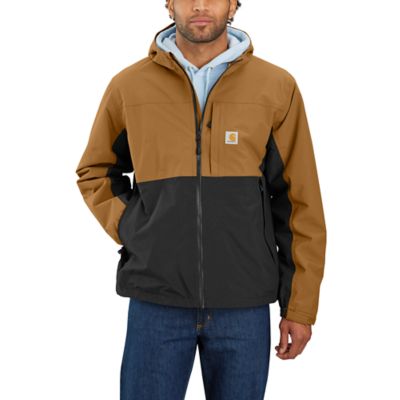
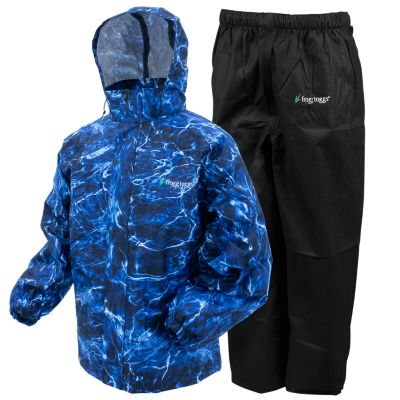
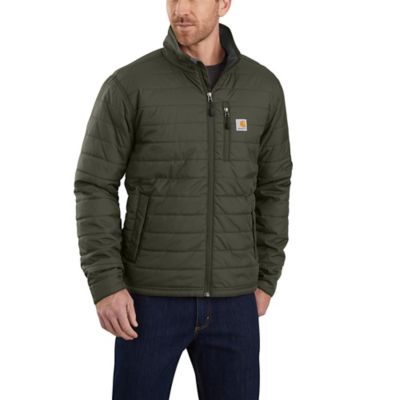
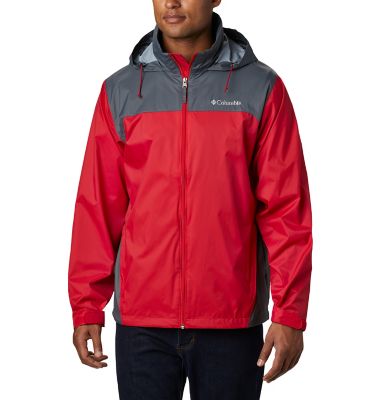
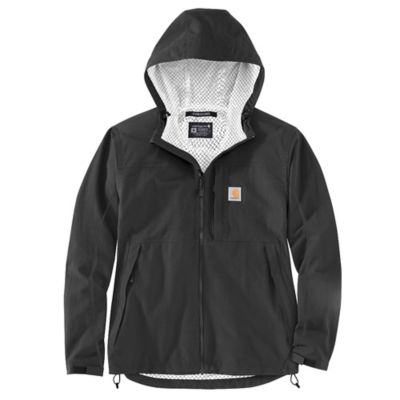
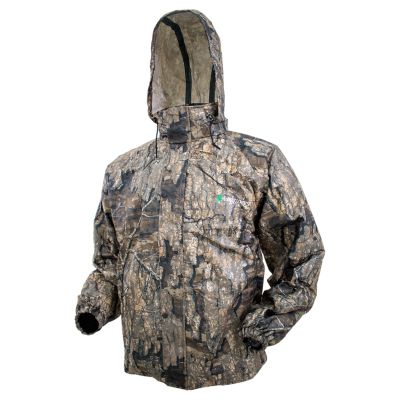
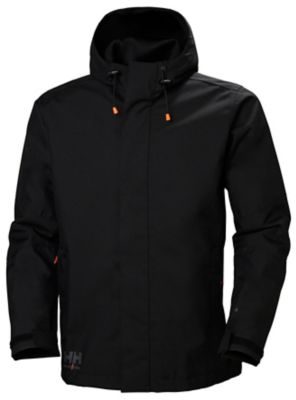
Waterproof fisherman jackets are built to keep rain and boat spray out while leaving room to cast, handle tackle, and work a line. Their protection comes from a combination of waterproof fabric, sealed seams, and closures that limit places for water to sneak through. That matters whether the day involves casting from a pond bank, checking lines from a small boat, or hauling gear across a wet dock. Waterproof construction is different from a water-resistant finish: a finish helps droplets bead on the surface, while a waterproof coating or membrane provides the barrier underneath. Both can play a part in keeping a jacket comfortable through steady rain. Polyurethane-coated fabrics, PVC-coated materials, and rubberized outerwear are common options for wet work, though their weight, flexibility, and airflow can vary considerably. Breathable waterproof shells allow some moisture vapor to escape, which can help during a walk to a fishing spot or repeated casting. Heavier, less breathable rainwear may suit slower-paced tasks with frequent spray, but it can feel clammy when the work picks up. No jacket can prevent every bit of moisture buildup, especially when damp air and hard work make it tough for perspiration to escape. Lightweight fabrics pack down easily for a tackle bag, while heavier face fabrics can better withstand rubbing against boat seats, railings, and other rough surfaces. Two-layer, two-and-a-half-layer, and three-layer constructions differ in how the waterproof layer is paired with an outer fabric and an inner lining or protective backing. The layer count alone does not tell the whole story; fabric weight, seam construction, and the way the jacket fits all affect its performance. An uninsulated shell also serves a different purpose from an insulated fishing jacket. The shell offers more freedom to change layers underneath, while insulation adds warmth for long stretches of sitting or standing in cold, wet conditions.
Fit makes a real difference when a fish pulls toward the stern or a landing net needs to reach beyond the bank. A fishing jacket should allow the shoulders and elbows to move without pulling the cuffs up the forearms or lifting the hem well above the waistband. Raglan sleeves, shaped elbows, and a roomy upper back can help with those movements, although excess fabric can catch on equipment or bunch beneath a life jacket. Room for a fleece or other midlayer is useful, but a jacket still needs to sit comfortably when worn over a lighter shirt. Anglers who prefer separate outer and insulating layers can also consider
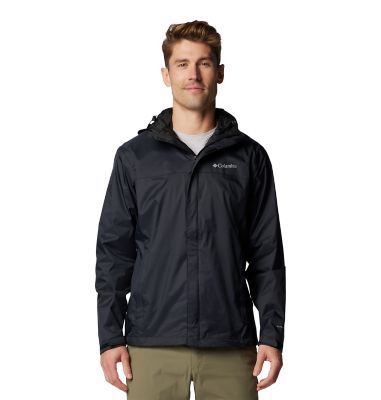
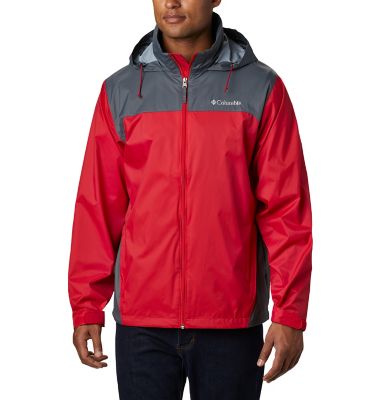
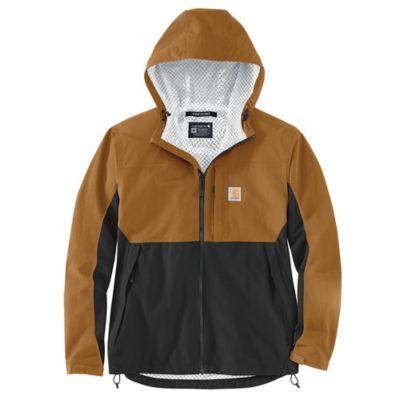
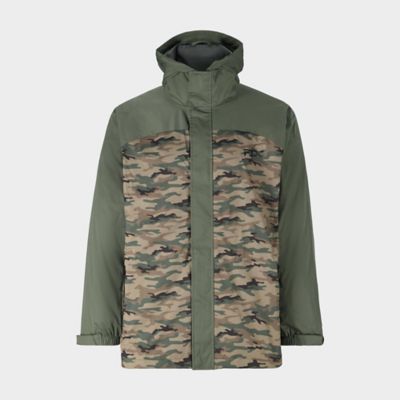
men’s waterproof shell jackets as part of that setup. Sleeve length matters just as much as chest size, particularly when both arms are extended around a steering wheel or fishing rod. Adjustable cuffs help limit water running up the sleeves, though any cuff can admit water when submerged or held under steady runoff. A hood with secure adjustment points should stay in place without blocking side vision, and a shaped brim can help direct drips away from the face. High collars add coverage around the neck, while a soft chin area can make a fully zipped jacket more comfortable. Taped or welded seams address the small openings left where panels join, and storm flaps or water-resistant zippers add protection along the front opening. Pocket design deserves attention, too. Covered openings help shield small belongings from rain, but a jacket pocket is not automatically a waterproof compartment for a phone or fishing license. Chest pockets can be easier to reach above bib overalls, while low hand pockets may sit beneath a bib front or life jacket. Hem length affects coverage when bending over a bait bucket or sitting on a damp seat. Fishing outerwear should also work comfortably with a properly fitted life jacket; a waterproof shell does not provide flotation or replace boating safety equipment.
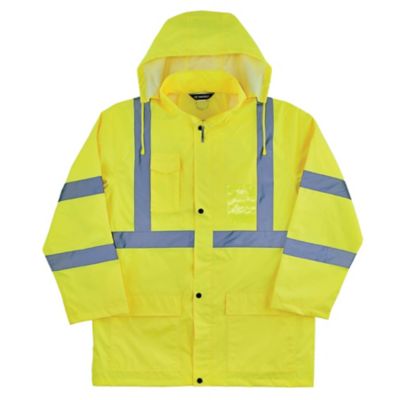
The right jacket depends on how much moving, sitting, and wet work fills a typical outing. Someone walking a long stretch of creek bank may favor a lighter shell with ventilation and a flexible cut. An angler tending rods from a boat may put more emphasis on coverage, secure cuffs, and a hood that stays put in wind-driven rain. Folks who split their time between fishing and chores around a pond or dock may appreciate a straightforward design with accessible closures and fabric that tolerates regular contact with gear. Bright colors or reflective details can make a person easier to spot in dim conditions, but those features do not take the place of proper lights or safety equipment. For a gift, the recipient’s usual fishing routine, preferred fit, and layering habits are more helpful than guessing from appearance alone. A jacket that fits over a favorite sweatshirt and allows an easy cast is more likely to earn a regular spot by the door. Keeping that jacket ready for the next outing starts with the care label, since coated rainwear and breathable membrane fabrics can call for different cleaning methods. Freshwater rinsing can help remove salt and surface grit after time around brackish or coastal water. Fish slime, mud, sunscreen, and body oils can also build up around cuffs, collars, and pocket edges. Manufacturer-approved washing products and drying methods help protect the waterproof components; fabric softeners, bleach, and excessive heat may harm some materials or interfere with water shedding. A compatible water-repellent treatment may refresh surface beading when the care instructions allow it, but it cannot repair a torn membrane or peeling seam tape. Drying the jacket fully before storage, leaving it loosely hung rather than tightly crammed into a bag, and checking cuffs and seams for wear can help extend its service life. Hooks and sharp tools belong in protected storage away from the shell. With the right balance of coverage, movement, and care, waterproof fishing outerwear can make wet days on the water a good deal more comfortable.